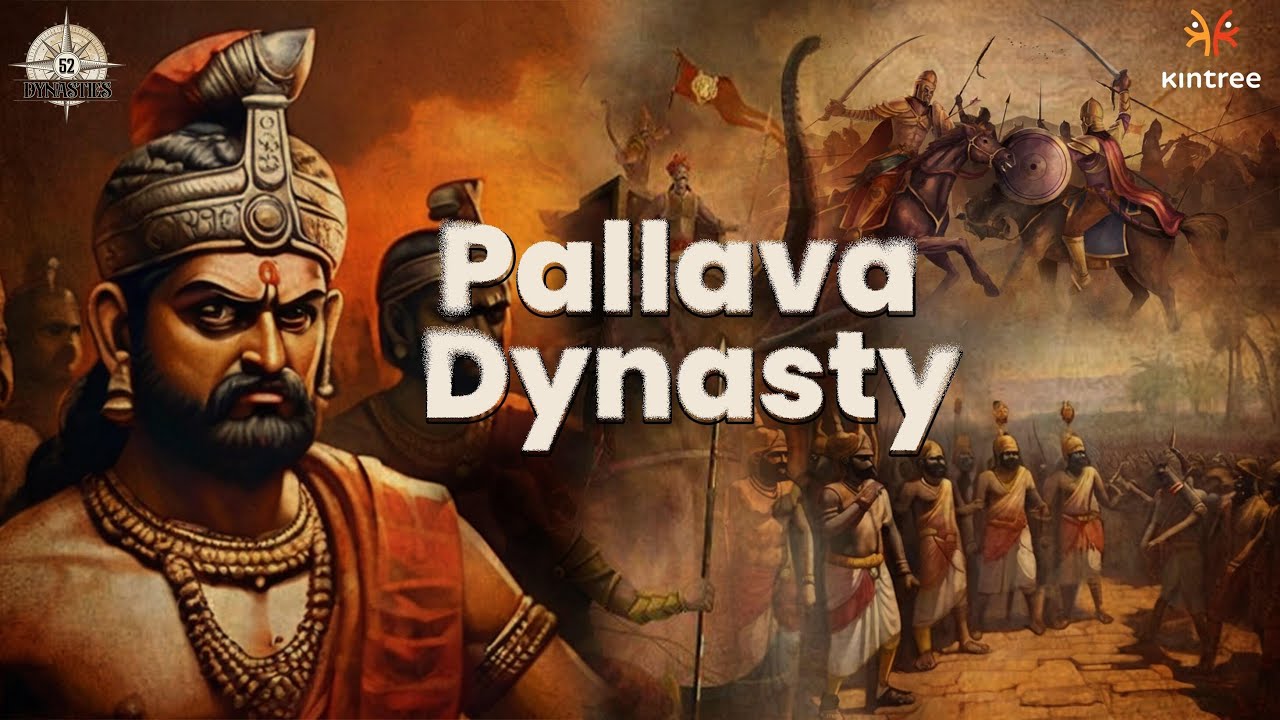
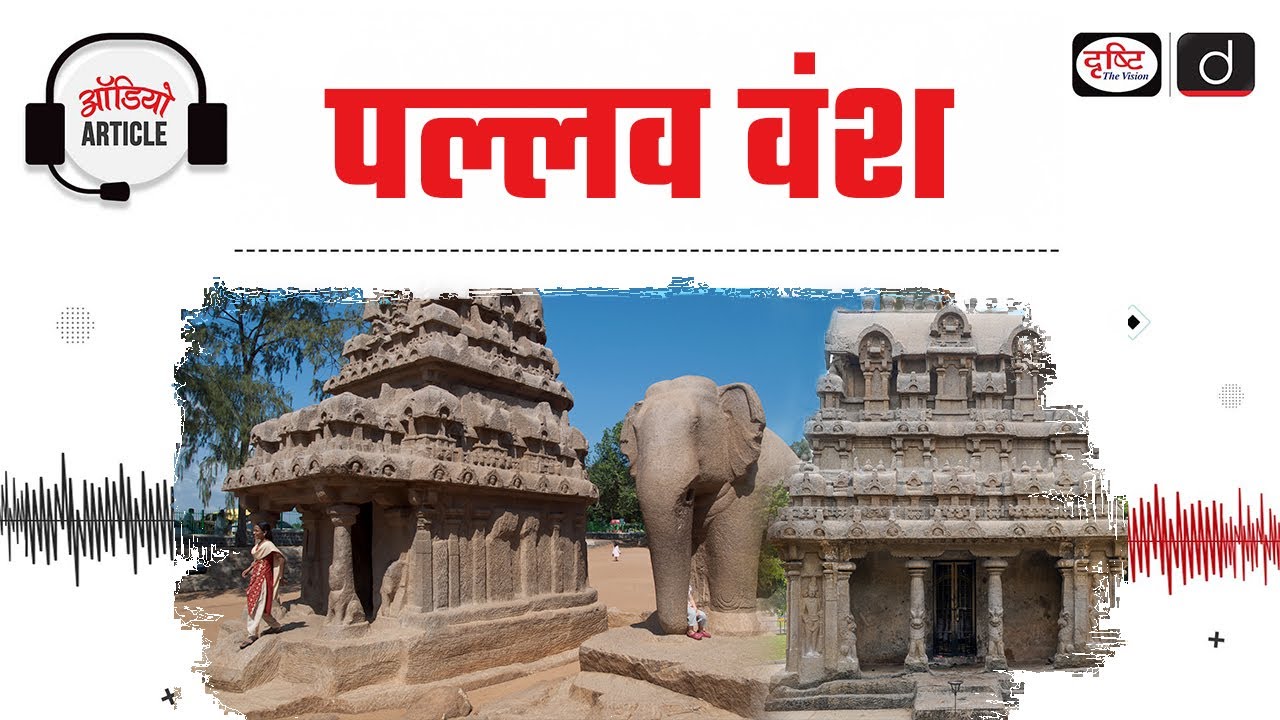
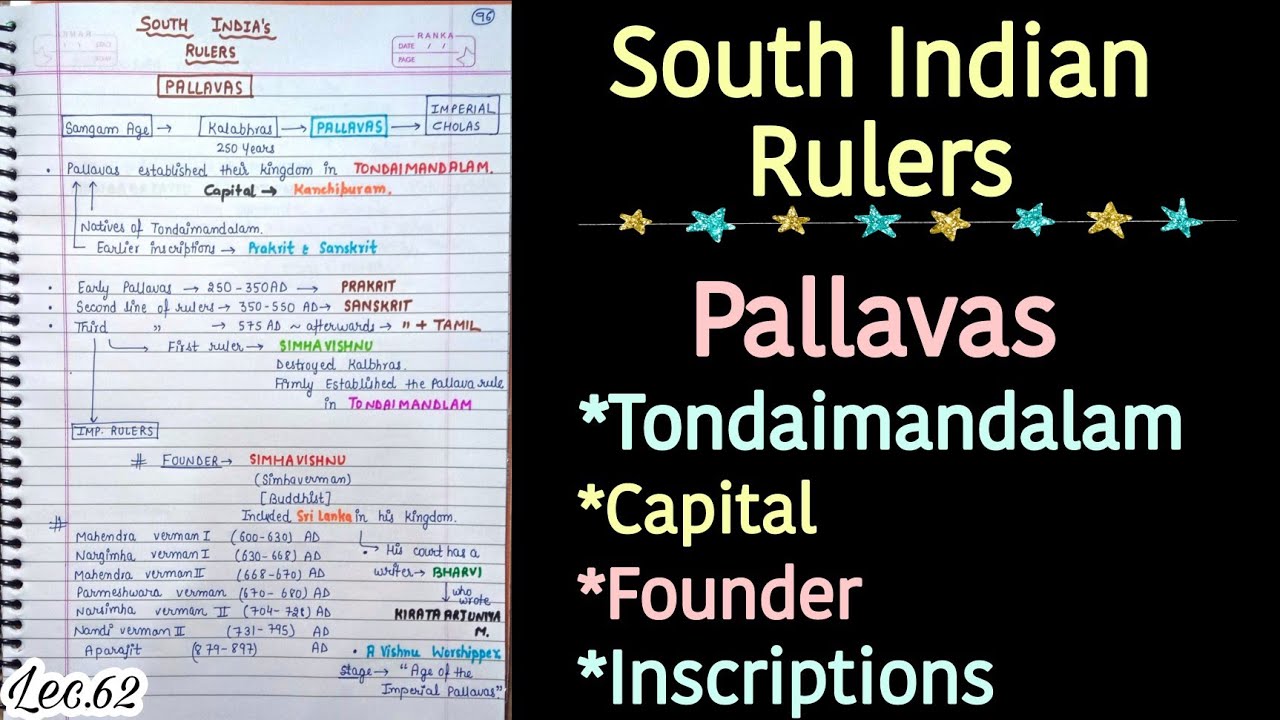
The history of South India took a dramatic turn with the rise of the Pallava dynasty. Following the end of the Sangam Age and nearly two and a half centuries of obscure Kalabhra rule, the Pallavas established a powerful state centered at Kanchipuram in the region of Tondaimandalam. Ruling from the late sixth century to the tenth century A.D., they transformed South Indian politics, society, and art. Alongside competing regional powers like the Chalukyas of Badami and the Pandyas of Madurai, the Pallavas sparked a major cultural rebirth. Their reign saw a resurgence of Hinduism, vibrant literary works in Sanskrit and Tamil, and pioneering developments in stone temple architecture that forever shaped the peninsular landscape.
In this chapter, you will understand:
- The political emergence and territorial reach of the Pallavas in Tondaimandalam.
- Primary literary and foreign accounts detailing Pallava administration and society.
- Key archaeological evidence, including rock-cut monuments, copper plates, and inscriptions.
- Major historical debates and theories regarding the true origin of the Pallava dynasty.
Why this topic matters: Understanding Pallava history is essential for mastering ancient Indian history, competitive exam syllabus requirements, and the evolution of South Indian rock-cut temple architecture.
Core Idea: The Pallavas brought political stability to northern Tamil Nadu after the Kalabhra interregnum. By patronizing both Sanskrit and Tamil learning, along with groundbreaking stone architecture, they laid the foundation for classical South Indian culture before being succeeded by the Imperial Cholas.
The Rise of the Pallavas: Political Power and Cultural Influence in South India (6th to 10th Century A.D.)
The rise of the Pallava state marked a major turning point in South Indian political history. After the decline of the early Sangam kingdoms, the region experienced a period of uncertainty under the Kalabhras. The emergence of the Pallavas restored order and initiated a four-hundred-year era of remarkable political consolidation and artistic achievement.
Political Transition and Tripartite Rivalry
The establishment of Kanchipuram as the Pallava capital created a strong center of power in Tondaimandalam that influenced the entire southern region.
- The Pallava dynasty maintained steady rule over Tondaimandalam until the early tenth century A.D., when their territories were annexed by the expanding Imperial Cholas.
- The period between the sixth and tenth centuries A.D. saw three major powers dominate southern India: the Chalukyas of Badami, the Pallavas of Kanchi, and the Pandyas of Madurai.
- While these dynasties frequently fought over territory, they all actively patronized religion and culture, fueling a revival of Hinduism and driving major developments in stone architecture.
Invaluable Sources for Reconstructing Pallava Dynasty History
Reconstructing Pallava history requires examining a wide variety of sources. Scholars rely on written texts, observations from foreign travelers, and physical artifacts uncovered at historical sites across southern India.

Literary Accounts: Tamil and Sanskrit Texts of the Pallava Period
Written records from the era include both religious hymns and secular literature, reflecting the bilingual culture of the Kanchipuram court.
Tamil Religious and Historical Works
The devotional poetry of the Nayanmars and Alvars offers valuable details about society, religion, and daily life under Pallava rule.
- Hymns collected in the Nalayira Divya Prabandham by the Alvars and the Panniru Thirumurai by the Nayanmars reveal the spiritual climate of the time.
- Sekizhar's later biographical work, the Periyapuranam, provides clear insights into the social conditions and religious practices of the era.
Sanskrit Secular and Dramatic Works
Sanskrit literature from the court highlights the intellectual achievements and administrative life of the kingdom.
- Texts such as Avani Sundari Katha by Dandin and Lokavibhaga by Sarvanandi shed light on early rulers like Simhavishnu.
- King Mahendravarman I authored the satirical Sanskrit play Mattavilasa Prahasana, offering a vivid look at contemporary social groups and religious sects.
Foreign Accounts: Travelers and Chroniclers of the Pallava Kingdom
External records written by visiting scholars and neighboring chroniclers help verify local historical timelines and diplomatic ties.
Chronicles and Travelogues
Foreign accounts confirm key events in Pallava political history and describe the kingdom's trade and urban life.
- Sri Lankan Pali chronicles like the Mahavamsa and Deepavamsa detail the military aid given by Narasimhavarman I to the exile prince Manavarman.
- The Chinese Buddhist monk Xuanzang visited Kanchipuram in and recorded the city's size, prosperity, and numerous Buddhist monasteries in his work Si-Yu-Ki.
Archaeological Sources: Monuments, Inscriptions, and Coins of the Pallava Era
Physical evidence provides solid verification for the political boundaries, legal systems, and artistic evolution of the Pallava state.
Inscriptions, Copper Plates, and Coinage
Official records stamped on stone and copper allow historians to chart royal genealogies and land grants accurately.
- The Allahabad Pillar inscription of Samudragupta mentions king Vishnugopa, while the Aihole inscription of Pulakesin II documents the Pallava-Chalukya conflict.
- Copper plate sets like the Kuram plates of Paramesvaravarman I and the Velurpalayam plates of Nandivarman III detail military campaigns and royal lineage.
- Monuments at Mamallapuram and coins minted during the period give clear evidence of maritime trade and economic activity.
Theories on the Origin of the Pallavas: Indigenous and External Descent Debates
The exact origin of the Pallava dynasty has long been debated among historians. Because early records appear in different languages and scripts, scholars have proposed several distinct theories regarding where the family originated.
Indigenous Theory: Pallavas as Natives of Tondaimandalam
The most widely accepted view holds that the Pallavas were a local family native to Tondaimandalam who stepped into power after the decline of earlier northern rulers.
Consolidation of Local Tribes
Scholars suggest that early Pallava chieftains united local groups like the Kurumbas to establish administrative control over the region.
- Historian S. Krishnaswami Aiyangar connected their lineage to ancient tribes native to the coastal regions around modern Chennai.
- Literary references using terms like Palavar or Kallar in Tamil classical literature may reflect early conflicts between these rising leaders and established Sangam monarchs.
Chola-Naga Descent Theory: The Manipallavam Link
Another theory suggests a traditional lineage stemming from a union between a Chola prince and a princess from the island of Manipallavam.
Narrative and Historical Challenges
This perspective links the origin of the royal name directly to the island of Manipallavam near Sri Lanka.
- Proponents argue the name Pallava was adapted from the mother's island home.
- However, critics point out that the Pallavas frequently fought the Cholas and maintained distinct northern administrative styles, making a direct Chola origin unlikely.
Vakataka and Parthian Branch: External Origin Claims
Some early historians proposed that the Pallavas migrated into southern India from northern or western regions.
Hypotheses of External Lineage
These arguments stem primarily from the early use of Prakrit and Sanskrit in Pallava court records.
- Some connected the name Pallava to the Pahlavas (Parthians) of northwestern India, though physical evidence supporting this is lacking.
- K.P. Jayaswal suggested they were an offshoot of the Brahmin Vakataka dynasty of central India, pointing to similarities in administrative titles and language.
Conclusion: From Satavahana Feudatories to Independent Rulers
Today, most scholars agree that the Pallavas were local officers who worked their way up through established political networks.
Transition to Full Independence
The family likely began as local administrators under the Satavahana Empire.
- When Satavahana power collapsed in the third century A.D., Pallava leaders declared independence in Tondaimandalam.
- Their early use of Prakrit and Sanskrit reflects standard administrative practices inherited from their Satavahana overlords before they fully adopted local Tamil traditions.
Quick Revision Capsule: Pallava Dynasty Fundamentals
A quick comparison of key aspects regarding Pallava administration, sources, and origins:
| Historical Category | Primary Elements & Features | Core Historical Value |
|---|---|---|
| Political Capital | Kanchipuram (Tondaimandalam region) | Central hub for administration, trade, and learning. |
| Tamil Literature | Nalayira Divya Prabandham and Panniru Thirumurai | Records spiritual fervor and social life during the Bhakti movement. |
| Sanskrit Literature | Mattavilasa Prahasana by Mahendravarman I | Provides rare contemporary insight into social and religious conditions. |
| Foreign Testimony | Si-Yu-Ki by Xuanzang () | Corroborates economic wealth and city organization of Kanchipuram. |
| Consensus on Origin | Former Satavahana feudatories native to Tondaimandalam | Explains early Prakrit usage followed by complete integration into Tamil culture. |
Summary
The emergence of the Pallavas in the sixth century A.D. ended a long period of uncertainty in South India and set off a creative revival. By establishing their seat at Kanchipuram, they built a stable kingdom that lasted four centuries. Through their support of both Tamil Bhakti poets and Sanskrit scholars, as well as their development of rock-cut and structural stone temples, the Pallavas shaped the artistic and cultural identity of southern India. Understanding their history, sources, and origins provides an essential foundation for studying the classical era of South India.
Quick Revision Notes
Key facts to review before examinations:
- (i) The Pallavas ruled Tondaimandalam from Kanchipuram from the 6th to the 10th century A.D.
- (ii) Mahendravarman I wrote the famous Sanskrit satire Mattavilasa Prahasana.
- (iii) The Chinese traveler Xuanzang visited Kanchipuram during the reign of Narasimhavarman I in
- (iv) The dynasty transitioned from Satavahana feudatories to independent rulers after the 3rd century A.D.
- Exam Tip: Pay special attention to the distinction between early Pallava inscriptions in Prakrit and later charters in Sanskrit and Tamil. Questions frequently test the timeline of foreign visitors like Xuanzang and key literary works like the Mattavilasa Prahasana.
Frequently Asked Questions (FAQ)
Q1: Who was the original founder that established Pallava royal power in the 6th century A.D.?
A1: Simhavishnu is credited with re-establishing Pallava authority in the late sixth century A.D., defeating the Kalabhras and extending the kingdom up to the Kaveri River.Q2: What is the historical importance of Xuanzang's visit to Kanchipuram?
A2: Xuanzang visited in during the reign of Narasimhavarman I. His writings confirm that Kanchipuram was a prosperous multi-religious center with around 100 Buddhist monasteries and thousands of monks.Q3: What is the most widely accepted theory about the origin of the Pallavas?
A3: Most modern historians agree that the Pallavas were native to Tondaimandalam. They initially served as administrative officials under the Satavahanas before establishing their own independent rule after the empire fell.