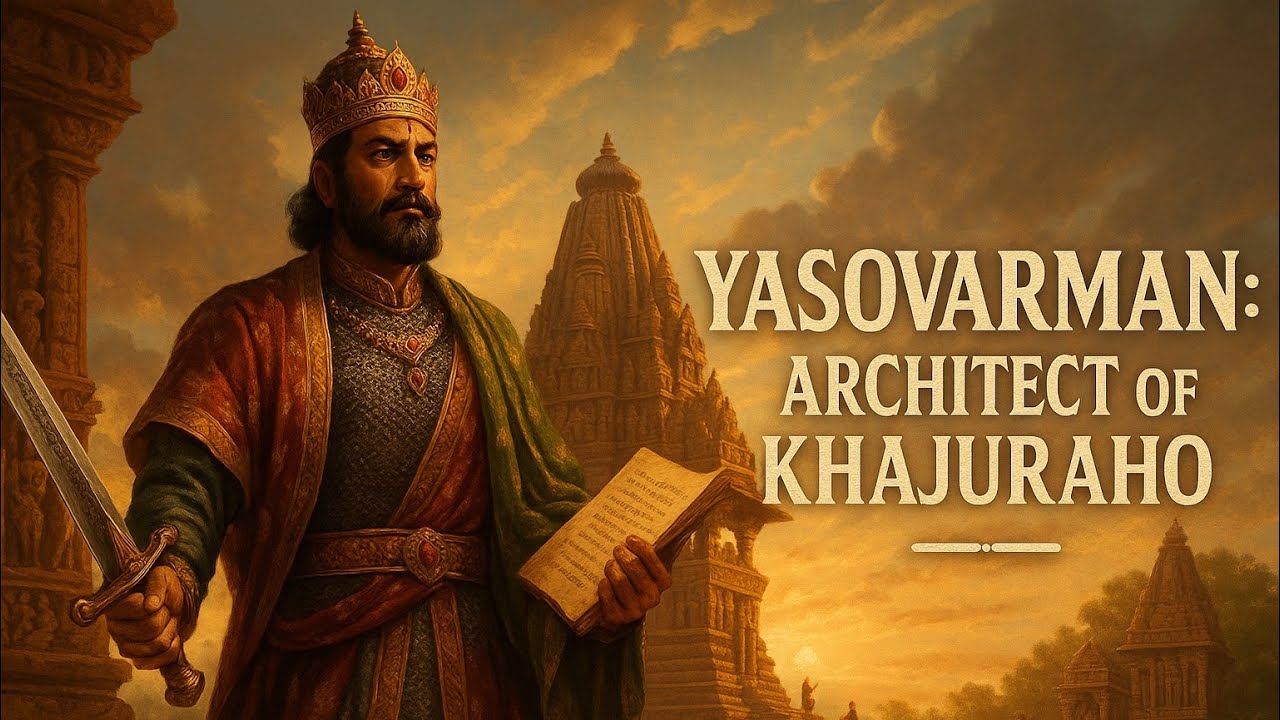
Step back into medieval Indian history to explore the military record of the Paramara dynasty, led by its celebrated king, Raja Bhoja Paramara, who ruled during the . This narrative traces his bold territorial expansions, decisive victories over neighboring states like the Kalachuris and Odishas, and his battles with northern Muslim rulers. It also examines the strategic mistakes and military coalition that led to his defeat and death around Designed for students and history enthusiasts alike, this overview explains the dynamic political shifts that shaped central India during this transformative period.
In this chapter, you will understand:
- The military achievements and territorial expansion of Raja Bhoja Paramara.
- The formation of regional military alliances against the Paramara kingdom.
- The economic and political consequences of continuous military action.
- The post-Bhoja succession struggles that led to the final collapse of the dynasty.
Why this topic matters: Understanding Bhoja Paramara's reign helps illustrate the delicate balance of power among medieval Indian kingdoms, showing how aggressive overexpansion could unite rivals and fundamentally alter regional geopolitics.
Core Idea: Raja Bhoja elevated the Paramara dynasty to its absolute peak through military conquests, but his unrelenting campaigns created powerful enemies and drained state resources. Ultimately, a combined coalition of neighboring rulers defeated Bhoja, initiating a period of gradual decline that ended the dynasty's rule.
Raja Bhoja Paramara: Military Campaigns, Defeat, and Fall of the Paramara Dynasty
The reign of Bhoja Paramara was defined by ambitious military expansion that achieved significant early victories before being hindered by persistent regional rivalries.
Early Military Revival and Regional Conquests
After an early set-back against Jaya Singh of the Chalukya dynasty, Raja Bhoja focused on rebuilding his state's military standing through strategic and aggressive campaigns across central India.
- (i) Bhoja directed his army toward the Kalachuris of Tripuri, securing a major victory over King Gangayadeva that elevated his kingdom's standing.
Conquests in Odisha and Western Advance
Expanding his reach further east and west, Bhoja achieved key successes against multiple regional rulers.
- He defeated Indrarath, the ruler of Odisha, extending his influence into eastern territories.
- He conquered the region governed by Kirtiraj of Lata to secure western borders.
- He overcame the king of Kanyakubja to project power into the central plains.
- His northward advance into Bundelkhand was halted when the Chandella ruler Vidyadhar repelled his forces.
Bhoja Paramara's Battles Against Chauhans and Foreign Rulers
Bhoja engaged in long-running conflicts with rival Rajput clans while simultaneously defending northern regions against external forces.

- Bhoja initiated campaigns against the Chauhans of Shakumbhari and Naddul to secure dominance over neighboring territories.
Aggressive Campaigns and Triumphs in the Northwest
Bhoja carried out operations against regional powers in Gujarat and Gwalior to expand his territorial footprint.
- He led expeditions against northern garrisons, winning battles at Thaneswar, Hansi, and Nagarkot.
- These victories reclaimed territories that were integrated back into the realm, establishing Bhoja as a formidable ruler.
- However, these continuous victories made surrounding kingdoms increasingly apprehensive about his growing influence.
- This growing regional anxiety laid the foundation for an organized coalition against his rule.
The Coalition Formation and the End of Bhoja's Era
The anxiety generated by Bhoja's expansion led directly to a military alliance formed by his rival neighbors.
- A united coalition of competing rulers launched a coordinated military attack to break the Paramara hegemony.
The Final Conflict and Capital's Sack
Despite his tactical experience, Bhoja was overwhelmed by the combined forces arrayed against him.
Depiction of medieval warfare tactics and troop formations during the late Paramara period. - Bhoja died during this conflict around , ending his reign.
- The allied forces captured and looted the Paramara capital, damaging the state's wealth and prestige.
- This defeat permanently altered the balance of power in central India.
- The loss of leadership left the kingdom vulnerable to further internal and external pressures.
Quick Revision Capsule
Key phases and outcomes of Raja Bhoja's reign and the subsequent evolution of the Paramara Dynasty:
| Campaign / Era | Opponents / Focus Areas | Key Historical Outcome |
|---|---|---|
| Early Expansion | Kalachuris of Tripuri, Odisha, Lata | Secured victories over Gangayadeva and Indrarath; elevated Paramara status. |
| Northern Push | Chandellas of Bundelkhand | Conquest halted by Vidyadhar; shifted focus away from northern expansion. |
| Northwest Defensive Operations | Regional rulers at Thaneswar, Hansi, Nagarkot | Reclaimed northern territories and strengthened kingdom defenses. |
| The Allied Coalition | Confederation of rival regional powers | Bhoja was defeated and died c. 1050 A.D.; capital was looted. |
| Post-Bhoja Succession | Jaya Singh, Subhatvarman, Yadav Kingdom | Internal instability and eventual defeat by Yadav forces (1193–1210 A.D.). |
Summary
The reign of Raja Bhoja Paramara marks both the peak and the beginning of the end for the Paramara dynasty. Through daring campaigns, he expanded his territory and earned respect across northern and central India. However, continuous warfare drained his treasury and alienated neighboring rulers, leading to a coalition that brought about his fall around The rulers who followed lacked his capability, leaving the kingdom vulnerable to steady decline until its final collapse under Subhatvarman during his battle against the Yadav king between and
Quick Revision Notes
Essential facts to review for examinations:
- (i) Raja Bhoja ruled during the and achieved early victories over Gangayadeva (Kalachuri) and Indrarath (Odisha).
- (ii) His northern push was halted by Vidyadhar Chandella in Bundelkhand.
- (iii) Continuous campaigns prompted rival rulers to form a coalition that defeated Bhoja around
- (iv) The dynasty steadily declined under later successors, finally ending during the reign of Subhatvarman () following a defeat by the Yadavs.
- Exam Tip: Focus on the strategic reasons for the fall of the Paramara dynasty. Questions frequently ask about the turning point of Bhoja's reign—specifically how continuous expansion led to the coalition of rival kings—and the specific rulers involved in the dynasty's final decline.
Frequently Asked Questions (FAQ)
Q1: What were the major military achievements of Raja Bhoja Paramara?
A1: Raja Bhoja won major victories against the Kalachuris of Tripuri, defeated Indrarath of Odisha, conquered Lata, and successfully reclaimed northern territories near Thaneswar and Hansi.Q2: Why did neighboring kingdoms form a coalition against Raja Bhoja?
A2: Bhoja's relentless military expansion and growing influence alarmed nearby rulers, prompting them to form a unified military alliance to counter his power.Q3: How and when did the Paramara dynasty meet its final end?
A3: After Bhoja's death around 1050 A.D., a succession of weaker rulers could not maintain the empire. The dynasty finally collapsed under Subhatvarman (r. 1193–1210 A.D.) after a decisive defeat by the Yadav kingdom.