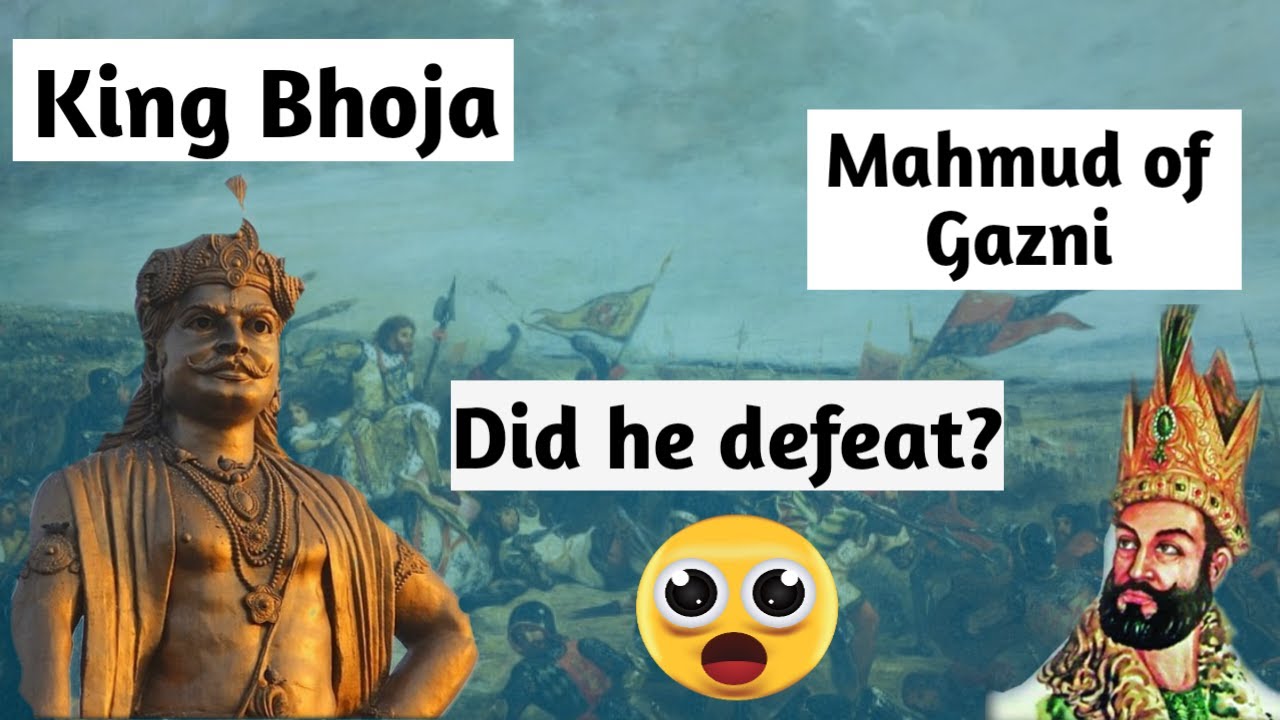
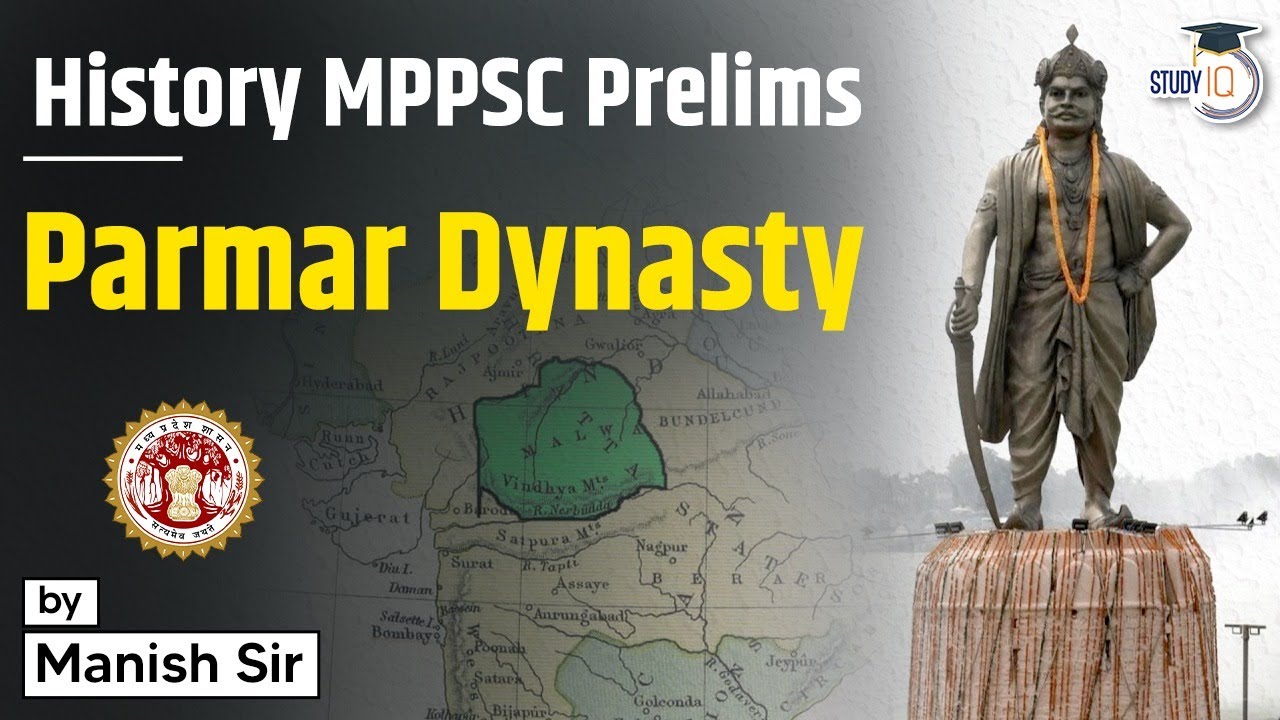
The Rajput society during the was built upon a strict social setup and a distinct approach toward the social position of women. Understanding this period gives students preparing for competitive examinations a clear view of how political, economic, and cultural systems worked together in historical India. The social structure depended heavily on traditional divisions, where Brahmins managed religious and educational life while Kshatriyas held political and military power. At the same time, dynasties like the Paramaras developed organized taxation systems, maintained strong armies, and built lasting public works. Under famous kings like Vakapati Munja and Bhoja Paramara, regional kingdoms became active centers for literature, architectural projects, and educational institutions, creating a strong record of administrative and artistic growth.
In this chapter, you will understand:
- The four-tiered caste hierarchy and its impact on daily social mobility
- The educational, literary, and military involvement of Rajput women
- Land revenue collection methods and state spending in the Paramara Kingdom
- Cultural achievements and literary works under King Vakapati Munja and King Bhoja
Why this topic matters: This section provides key facts for history syllabus coverage, civil service exams, and general study of medieval Indian governance and cultural developments.
Core Idea: Medieval Rajput life combined a rigid caste system with surprisingly high educational access and personal rights for women of upper lineages. Efficient land taxation funded large military forces and public works, while royal leaders drove major advances in literature, temple building, and school construction.
Social Hierarchy and Caste Structure in Medieval Rajput Society
Social life in Rajput territories rested entirely on a four-tiered caste foundation that kept individual roles fixed from birth and prevented movement between social levels.
The Social Hierarchy and Roles of the Four Primary Castes
The population was grouped into four main traditional orders, which were further divided into smaller regional and occupational groups.
- (i) The main order followed four classic varnas: Brahmins, Kshatriyas, Vaishyas, and Shudras.
- (ii) Rules were enforced with strict rigidity, so birth decided a person's standing for life without chance for upward movement.
- (iii) Daily contact, marriage, and work were strictly managed through this system of castes and sub-castes.
Preeminent Status of Brahmins: Spiritual and Educational Leaders
The Brahmins held the top place in society because of their role as keepers of religious texts and rituals.
- (i) They served as primary teachers, providing both moral guidance and practical instruction to the community.
- (ii) The key post of Purohit, or royal priest, was given only to Brahmins, giving them direct access to state decisions.
- (iii) State laws granted them special status, including complete exemption from capital punishment under regional codes.
Central Role of Kshatriyas: Governance and Defense
The Kshatriyas, including various Rajput clans, formed the main military and administrative ruling group.
- (a) Their main duty was the direct defense of the territory against outside attack and internal revolt.
- (b) They managed administrative affairs, maintained law and order, and led regional defense efforts.
Economic Role of Vaishyas and Social Restrictions on Shudras
The lower groups provided trade goods and manual labor under specific legal and social limits.
- (a) Vaishyas started in farming and shifted over time into trade and commerce, building economic strength while staying below the ruling classes in status. They were not permitted to study the sacred Vedas.
- (b) Shudras were placed at the bottom, tasked with manual service. They faced major social limits, were kept out of formal religious rituals, and were often forced to live outside main village limits.
Status, Education, and Autonomy of Women in Rajput Society
In contrast to the strict caste setup, records show that Rajput women held a respected place and took part in education, cultural affairs, and defensive training.

Education, Cultural Excellence, and Scholarly Involvement
Women were not limited to household work; many received academic instruction in Sanskrit and participated in public knowledge traditions.
- (i) Educated women joined in scholarly conversations and formal debates on philosophical questions.
- (ii) Historical accounts note that the wife of Mandan Mishra engaged in a famous debate with the scholar Shankaracharya.
- (iii) The court poet Raj Shekhar worked alongside his wife, Avanti Sundari, who was recognized as an accomplished scholar in her own right.
- (iv) Women also trained in practical arts, including music, painting, and dance, performing at community events.
Martial Spirit and Military Training of Rajput Women
Because defense was central to Rajput identity, women were often trained to use weapons and defend their homes during conflicts.
- (a) Training included the handle of swords, daggers, and spears for self-defense and emergency warfare.
- (b) Women of royal families held the right to select their marital partner through the traditional custom of Swayamvara Pratha.
- (c) This combination of schooling and weapon skills reflected a culture that valued personal courage and resilience regardless of gender.
Economic Structure and Revenue System of the Paramara Kingdom
The state treasury relied primarily on systematic agricultural land taxes, supplemented by trade duties and contributions from vassal leaders.
Land Revenue as the Chief State Income
Agricultural returns formed the main source of state revenue, collected through established tax officers across farming villages.
- (i) The regular state share from agricultural yield was set between 1/6 and 1/4 of total harvested crops.
- (ii) Taxpayers had the option to pay their dues in cash or with physical grain after harvest time.
- (iii) If a landowner died without legal heirs, the property was claimed directly by the state treasury.
Military Maintenance and Administrative Structure
A major portion of collected tax money went directly into maintaining a standing defense force to secure state borders.
Roughly half of state tax revenue was directed toward paying foot soldiers, horse troops, and elephant corps. - (a) Roughly half of all collected state income went toward army salaries, gear, and supplies.
- (b) The military force included three main branches: infantry foot soldiers, cavalry horse units, and war elephants.
- (c) An officer called the Bhandagarik managed food supplies and quarters for troops, while the Senapati held overall field command.
Infrastructural Spending and Social Support
Remaining treasury funds paid for public utility projects, community celebrations, and local schools.
- (a) Public money supported the building of water reservoirs, road systems, and large temple complexes.
- (b) State grants funded public festivals, charitable distributions, and local educational centers.
Quick Revision Capsule on Paramara Society
The key details of the social, economic, and cultural administration during the Paramara era are organized below:
| Administrative Area | Main Feature or System | Key Result or Officer |
|---|---|---|
| Social System | Four rigid varnas with strict birth rules | Top placement for Brahmins and Kshatriyas |
| Women's Status | Literary education and weapons training | Marriage choice via Swayamvara Pratha |
| Land Taxation | Tax rates between 1/6 and 1/4 of harvest | Payments accepted in cash or grain |
| Military Operations | Cavalry, infantry, and war elephant forces | Supply handled by Bhandagarik; command by Senapati |
| Cultural Leadership | Royal funding for schools, water tanks, and books | Establishment of Bhojshala college at Dhara |
Summary
The Paramara period shows a clear picture of medieval Indian administration. While social divisions remained locked in a firm caste hierarchy, elite women held notable access to literature, martial arts, and personal choices. The state maintained a firm financial footing through structured land taxes that funded a three-part army and extensive public works. Under scholarly rulers such as King Vakapati Munja and King Bhoja, regional cities turned into active educational and cultural centers that left a strong legacy in Indian history.
Quick Revision Notes
Focus on these main facts for quick study:
- (i) The four main caste divisions were strict, exempting Brahmins from capital punishment while placing heavy limits on Shudras.
- (ii) Notable female scholars included Avanti Sundari and the wife of Mandan Mishra.
- (iii) Land tax rates ran from 1/6 to 1/4 of total yield, with half of total state revenue dedicated to defense forces.
- (iv) King Bhoja earned the title Kavirai for his writing and built the Bhojshala university at Dhara.
- Exam Tip: Pay special attention to the administrative terms such as Bhandagarik (supply officer), Senapati (commander), and Bhojshala (educational center), as these frequently appear in multiple-choice questions.
Frequently Asked Questions (FAQ)
Q1: What was the primary source of state income in the Paramara Kingdom?
A1: Land revenue was the main income source, set at a rate between 1/6 and 1/4 of agricultural produce, payable in cash or grain.Q2: What rights and educational opportunities did women have in Rajput society?
A2: Women had access to Sanskrit education, studied literature and fine arts, received military training with weapons, and could choose husbands through Swayamvara Pratha.Q3: What were the major cultural contributions of King Bhoja Paramara?
A3: King Bhoja established the Bhojshala educational institute at Dhara, wrote texts on medicine, astronomy, and grammar, earned the title Kavirai, and built temples and water reservoirs.