Night Maintenance Block
The platform is regenerating assets and updating core item pools to align with your daily schedule.
Maintenance Window: 23:45 - 03:45
Rest up. We go live again at exactly 04:00 AM.
The Aryan Migration and the subsequent Rigvedic Society represent a foundational epoch in the history of the Indian subcontinent. This period, roughly spanning from 2000 BC to 1500 BC, details the crucial movement of the Aryans, their inevitable tribal conflicts, the establishment of early social structures, unique religious beliefs centered on nature, and the emergence of initial political institutions. Understanding this historical transformation is essential for students preparing for competitive history exams, offering insights into the deep roots of Indian civilization and its early socio-political framework.
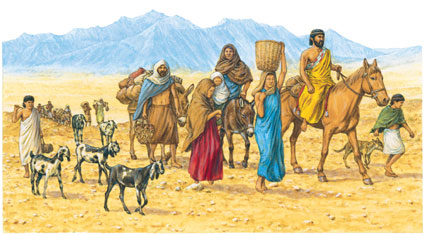
The Aryans, originating from Eurasia, embarked on a significant migratory journey that profoundly impacted the social, political, and economic tapestry of the Indian subcontinent, giving rise to the cultural milieu captured in the Rigveda.
The Rigvedic social and political landscape was inherently shaped by incessant rivalries and clashes among the various tribes, primarily driven by the need to secure cattle wealth and gain control over vital, fertile pasture lands.

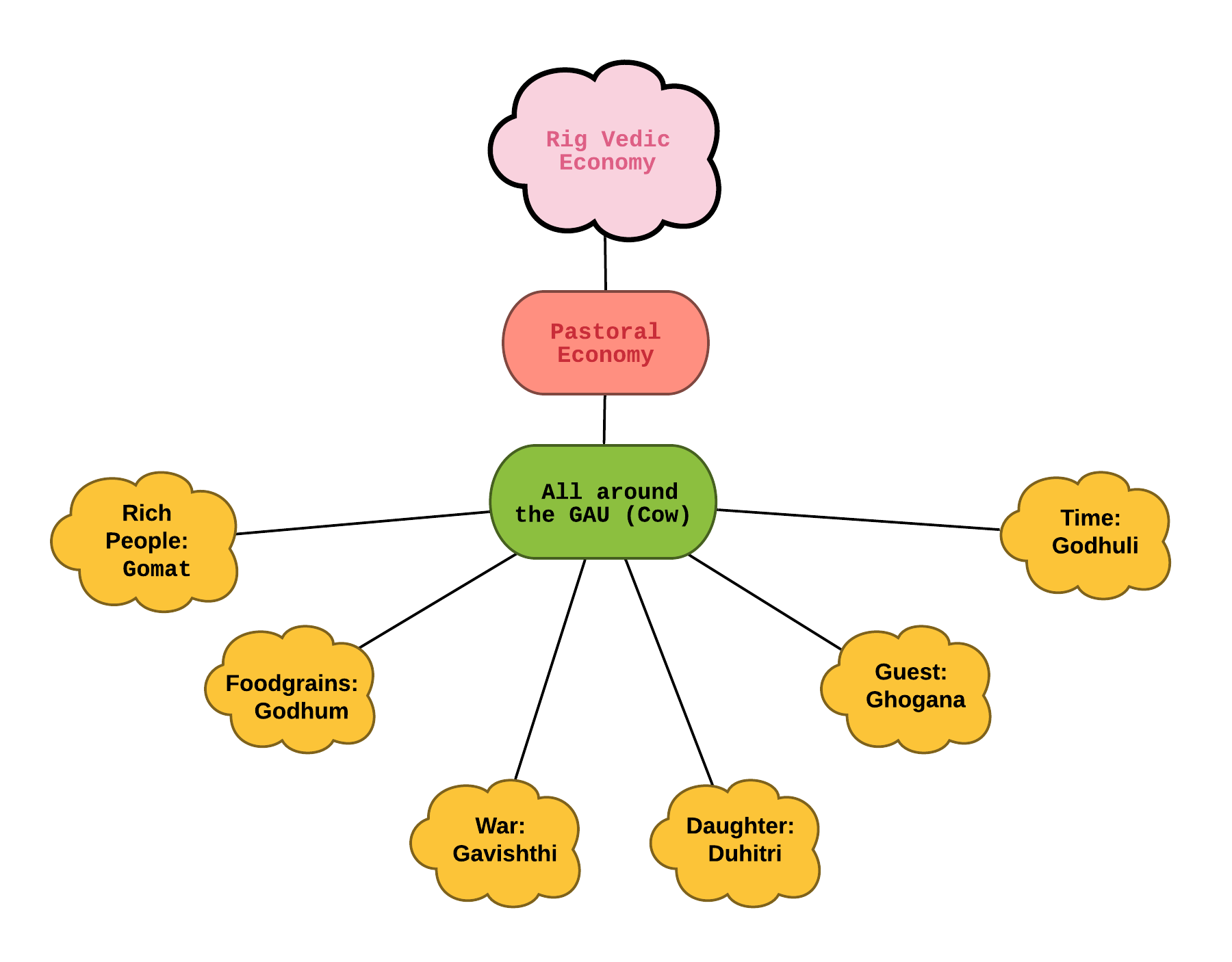
The economy of the Rigvedic people was fundamentally cattle-centric, with livestock serving as the primary measure of prosperity, though this was gradually supplemented by nascent agricultural activities, basic crafts, and simple barter trade.

Governance in the Rigvedic tribes was a nascent system based on a hereditary, yet popularly supported, leadership model, bolstered by several powerful advisory and deliberative assemblies.
The Rajan was the chief figure, primarily functioning as the war leader and titular head of the entire tribe (jana). While the position often became hereditary, the Rajan’s authority was not absolute and required continual validation through community and tribal support.
Several tribal assemblies played significant advisory and deliberative roles, acting as checks on the Rajan's power and involving the populace in decision-making.
The Rajan was assisted by key functionaries, but the nomadic lifestyle of the time prevented the establishment of a sophisticated, permanent administrative or military apparatus.
Kinship and the family unit were the fundamental organizational blocks of the Rigvedic society, establishing a strong sense of collective identity and adherence to patriarchal norms.
Rigvedic society began as relatively egalitarian but witnessed the gradual emergence of initial social hierarchies, which were still fluid and largely based on occupation and access to wealth.

The religious life of the Rigvedic people was dominated by the worship of nature personified, focusing on maintaining cosmic order and seeking tangible, worldly blessings.
The meticulous study of the Aryan Migration and the development of Rigvedic Society provides essential knowledge regarding the cultural and historical origins of the entire Indian civilization. This period is critical for tracking the formation of early political institutions, understanding the nature of tribal conflicts focused on cattle wealth, and analyzing the evolution of religious thought. This chapter is absolutely vital for students preparing for history examinations, as it requires a firm grasp of key deities, the functions of assemblies like the Sabha and Samiti, and the specific migration routes, all of which form the bedrock of subsequent ancient Indian history.
Please login to comment and rate.
No comments yet. Be the first!
We are Committed to deliver a hassle free digital experience for all our learners and we will be grateful if you could take a moment to provide a “Google Review“ about your experience with us. it will help us to futher enhance our services for you in the future. Your support helps us grow!
Write ReviewThe platform is regenerating assets and updating core item pools to align with your daily schedule.
Maintenance Window: 23:45 - 03:45
Rest up. We go live again at exactly 04:00 AM.