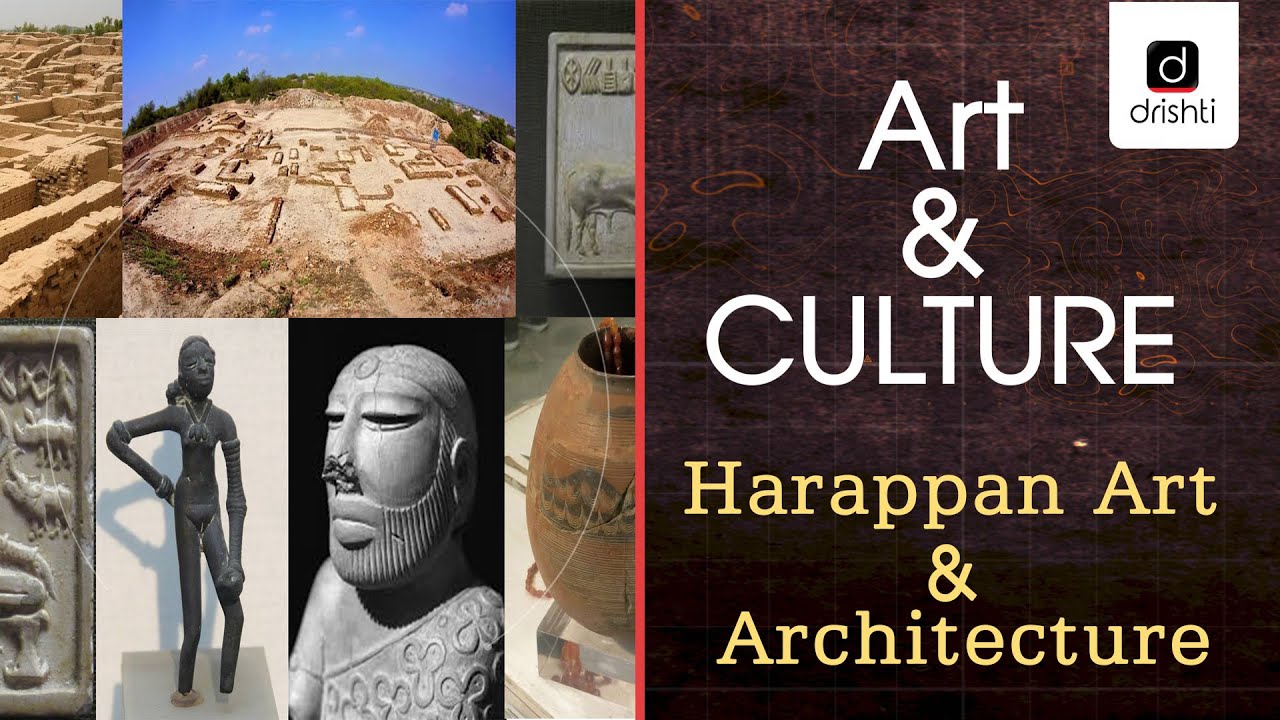
The artistic mastery of the Indus Valley Civilization (IVC) is brilliantly preserved in its scarce but sophisticated stone sculptures and pioneering bronze casting techniques, which are crucial for students preparing for history and culture exams. These artifacts, particularly the famous Priest-King bust and the Dancing Girl statue, epitomize the civilization's deep understanding of anatomical accuracy and the advanced use of the cire perdue or lost wax technique dating back to the Harappan Period.
🎯 In this chapter, you will understand:
- The technical precision and anatomical detail in Harappan stone sculptures.
- The features of iconic finds like the Red Sandstone Male Torso and the Bearded Priest-King bust.
- The multi-step process of the cire perdue (lost wax) bronze casting technique.
- Key bronze artifacts including the Dancing Girl and animal figures from Mohenjodaro, Lothal, and Kalibangan.
💡 Why this topic matters: Harappan sculptures show an extraordinary leap in ancient artistic techniques, bridging naturalistic human modeling with industrial metalwork.
🧠 Core Idea: Despite a small number of surviving works, IVC artists mastered complex stone carving and lost wax metal casting with astonishing anatomical accuracy.
Indus Valley Civilization Stone and Bronze Sculptures: High Art, Anatomical Accuracy, and Advanced Casting Techniques ()
The artistic remnants of the Indus Valley Civilization, though limited in number, reveal a surprisingly sophisticated command over sculpture, showcasing exceptional technical precision and a deep comprehension of three-dimensional form.
The few surviving artifacts demonstrate that Harappan artists were not mere artisans but masters capable of capturing the subtleties of human anatomy and lively movement, setting a high standard for contemporary ancient art.
- (i) The recovered stone sculptures are characterized by their striking anatomical detail and ability to convey a sense of three-dimensional volume, a feat rarely matched by art from other contemporary ancient cultures.
- (ii) This limited collection of high-art pieces primarily consists of figures crafted from hard stone, highlighting the sculptors' impressive skill in working with resistant materials to achieve such refined finishes.
- (iii) The two distinct sculptural traditions—Stone Statues and Bronze Castings—together paint a picture of a civilization with a well-developed aesthetic sense and advanced metallurgical knowledge.
Harappan Stone Sculptures: Epitome of Anatomical Accuracy and The Enigmatic Priest-King
The small corpus of stone statues provides powerful evidence of the Harappan sculptors’ deep proficiency, where anatomical correctness and technical execution blend to create profound pieces like the famous Bust of a Bearded Man.
The Refined Red Sandstone Torso and the Enigmatic Priest-King Bust from the IVC
The surviving stone carvings, though sparse, are enduring testaments to the sculptors' mastery. They exhibit an astonishing level of technical refinement and an intuitive grasp of human form, establishing these pieces as genuine high art from the Harappan Period.
- (i) The sculptures are valued not for their quantity but for their exceptional quality and flawless technical execution, demonstrating the artists' superior command over both the material and the intricacies of the subject’s form.
- (ii) This tradition of high artistry is best represented by two world-renowned artifacts: the Red Sandstone Male Torso unearthed at Harappa and the majestic Bust of a Bearded Man, popularly known as the Priest-King, discovered at Mohenjodaro.
- (iii) The Bearded Priest sculpture captivates with its notably serene and composed demeanor. Scholars often interpret this calm figure as a reflection of a high symbolic or religious authority, perhaps in a state of deep meditation, thereby offering a rare peek into the Harappan spiritual life and belief system.

Stone Statue of Bearded Priest - A world-renowned sculpture depicting a contemplative, bearded figure, one of the most distinctive human figures from the Indus Valley Civilization. - (iv) The detailing on the Priest-King's visage is nothing short of meticulous, distinguished by his elongated, characteristically half-closed eyes, a carefully and neatly trimmed short beard, and stylized, almost shell-like ears that emphasize his ornamental quality.
- (v) Further enhancing the ceremonial look of this prominent Priest-King artifact are the stylistic details: his hair is neatly tied back with a fillet (headband), he wears an armlet on his right arm, and is draped in a shawl featuring impressions of a distinctively embroidered or patterned design over his left shoulder.
Bronze Casting: The Advanced ‘Lost Wax’ Technique and the Iconic Dancing Girl Masterpiece
The people of the Indus Valley Civilization were truly revolutionary in their use of metalwork, expertly adopting the sophisticated ‘lost wax’ technique (also known as cire perdue) for producing complex, hollow metal sculptures, thus affirming their metallurgical superiority in the ancient world.
The Sophistication of the Cire Perdue (Lost Wax) Method in Harappan Metal Sculpture
The lost wax technique represents a major technological achievement, as it is an intricate, multi-step process that allows for the creation of unique, highly detailed, hollow metal objects, demonstrating an unparalleled level of engineering and artistry for the period.
- (i) The ‘lost wax’ technique begins with the creation of a detailed model in soft material, specifically wax. This model is then entirely enclosed, or encased in clay to form a mold.
- (ii) The mold is then subjected to heat, which melts the internal wax, allowing it to drain out completely, leaving behind a perfectly hollow cavity that precisely mirrors the original wax model.
- (iii) Finally, molten metal, primarily bronze (a copper alloy), is poured into this hollow cavity, and once cooled, the clay is broken away to reveal the finished, detailed, and durable metal sculpture.
The Iconic Dancing Girl Statue and Other Key Bronze Figures from IVC Sites
The enduring symbol of Harappan bronze artistry is the Dancing Girl, but the sculptors also excelled at capturing the power and majesty of the animal world, making them masters of diverse figurative forms.
- (a) The undisputed most famous artifact produced using this advanced casting technique is the globally celebrated Dancing Girl Statue, recovered from the city of Mohenjodaro.
- (b) Standing approximately four inches high, this statue is universally acclaimed for its depiction of lively movement, its self-assured, confident posture, and the undeniable grace expressed through its form.

Bronze Dancing Girl - The iconic bronze sculpture from Mohenjodaro, famous for its confident posture and lost wax casting technique. - (c) Beyond exquisite human figures, the art of bronze casting was applied to animal sculptures which were widely popular and expertly rendered, notably the powerful Buffalo (distinctive for its high, arched back and magnificent sweeping horns) and the detailed Goat, both showcasing exceptionally fine anatomical precision.
- (d) Other significant bronze artifacts include a Copper Dog and Bird discovered at the major port city of Lothal, and the characteristically strong-looking Bronze Bull excavated at the Kalibangan archaeological site.
- (e) This remarkably sophisticated tradition of metal sculpture was not fleeting; it demonstrated impressive technological endurance by continuing well into the Late Harappan Sites, with key, later examples notably recovered from places such as Daimabad.
⚡ Quick Revision Capsule: Indus Valley Sculptures and Metallurgy
A quick summary of key Indus Valley Civilization sculptures, materials used, discovery sites, and notable stylistic features.
| Artifact Name | Material & Technique | Key Site | Distinctive Features |
|---|---|---|---|
| Priest-King Bust | Steatite / Stone Carving | Mohenjodaro | Elongated eyes, trimmed beard, headband, and trefoil-patterned shawl. |
| Male Torso | Red Sandstone | Harappa | Remarkable naturalistic human anatomy with realistic muscle contours. |
| Dancing Girl | Bronze (cire perdue) | Mohenjodaro | Tribal posture, arm filled with bangles, confident standing pose. |
| Bronze Bull & Buffalo | Bronze / Metal Casting | Kalibangan / Mohenjodaro | Exaggerated muscularity, sweeping horns, fine anatomical detail. |
| Copper Dog & Bird | Copper / Bronze Cast | Lothal | Demonstrates metalworking skills in maritime port centers. |
📝 Summary
The few pieces of Harappan stone and bronze sculpture, though limited, are critically important historical markers that showcase the unrivaled technical and artistic maturity of the Indus Valley Civilization during . Artifacts like the Priest-King and the Dancing Girl not only reveal a mastery of anatomical accuracy but also confirm the pioneering use of the lost wax technique (cire perdue) during the Harappan Period. For students, these sculptures are fundamental for understanding the advanced culture, religious beliefs, and metallurgical achievements of the IVC, making them essential topics for all competitive exam preparations.
🚀 Quick Revision Points
Essential facts to review before examinations:
- (i) Harappan sculptors carved hard stone with exceptional realism, as seen in the Red Sandstone Male Torso from Harappa.
- (ii) The Priest-King bust from Mohenjodaro shows high ceremonial or religious art with iconic trefoil embroidery.
- (iii) The lost wax method (cire perdue) involved wrapping a wax model in clay, melting out the wax, and pouring molten bronze.
- (iv) The Dancing Girl statue highlights dynamic human posture and metallurgical mastery in bronze.
- 💡 Exam Tip: Always remember that the Dancing Girl was cast using the cire perdue (lost wax) method, while the Priest-King is made of steatite (stone). Questions frequently mix up these materials!
❓ Frequently Asked Questions (FAQ)
Q1: What is the cire perdue technique used in the Indus Valley Civilization?
A1: Cire perdue, or the lost wax technique, is a process where a wax model is covered in clay, heated to drain the wax, and then filled with molten bronze to create hollow metal statues.Q2: Where was the Priest-King sculpture found, and what is it made of?
A2: The Priest-King was discovered at Mohenjodaro and is carved from steatite stone.Q3: Why are Harappan stone and bronze sculptures important for history exams?
A3: They provide evidence of advanced metallurgical technology, anatomical understanding, and artistic sophistication in ancient India.