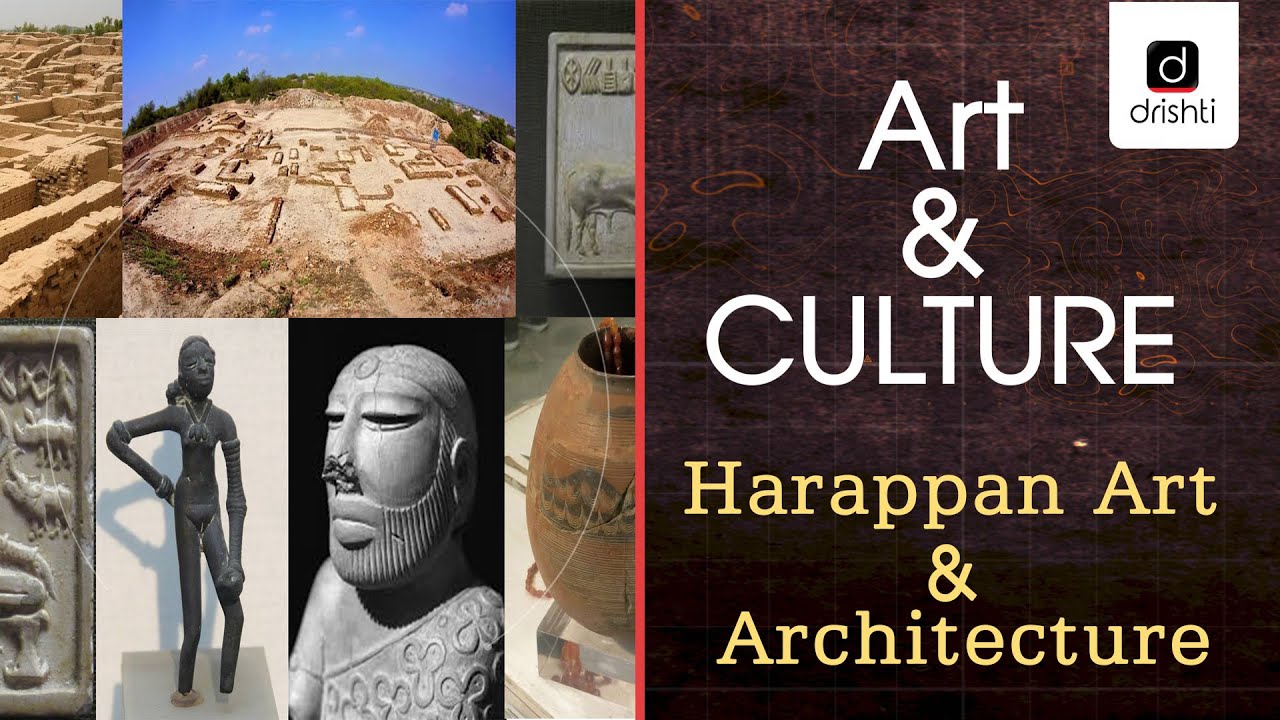
The Terracotta Figurines and artifacts from the Indus Valley Civilization represent a crucial window into the socio-religious and daily life of the Harappan people, often reflecting a distinctive folk art style that is fundamental for students preparing for historical and cultural examinations. This vast collection, primarily featuring the influential Mother Goddess figures, details their beliefs, craftsmanship, and daily utilities across the period of .
🎯 In this chapter, you will understand:
- The cultural and spiritual importance of baked clay (terracotta) artifacts in Harappan society.
- The religious significance of Mother Goddess figurines, male representations, and deity masks.
- How everyday items like toy carts, whistles, and animal figures reflect Harappan domestic life and leisure.
- Why terracotta folk art offers an indispensable "people's perspective" on ancient Indian civilization.
💡 Why this topic matters: Terracotta art provides an unfiltered view of common people's lives, spiritual beliefs, and domestic activities that official monuments do not capture.
🧠 Core Idea: Baked clay served as both a spiritual medium and an accessible material for daily utilities across Indus Valley settlements.
Terracotta Art and Artifacts of the Indus Valley Civilization: Reflecting Socio-Religious Life and Daily Utilities
The use of baked clay, or terracotta, served as a ubiquitous and vital medium for both spiritual expression and utilitarian craftsmanship within the Harappan culture.
The ubiquity of terracotta artifacts across numerous Harappan sites signifies its importance as an accessible material for common people, allowing for the creation of items that transcended mere functional purpose and entered the realm of symbolic and religious art.
- (i) The Indus Valley people demonstrated remarkable skill and volume in producing a wide array of figures, encompassing both human and animal representations, meticulously fashioned from baked clay.
- (ii) The resulting artifacts offer a comprehensive perspective on the Harappan imagination, ranging from simple, essential forms to remarkably complex, detailed designs, underscoring the creative capacity of the ancient society.
- (iii) Although generally less polished than the contemporary high-art stone or bronze sculptures, the sheer number and thematic diversity of terracotta figures make them an unparalleled source for reconstructing the cultural fabric of the civilization.
Terracotta Figurines: Decoding Religious Symbolism and Human Representations
This category of terracotta art provides the most profound insights into the spiritual landscape and anthropomorphic art of the Harappan civilization, particularly through the dominant imagery of the Mother Goddess.
Terracotta Production and Artistic Variation in Harappan Settlements
The manufacturing technique utilizing baked clay, the common material symbolized by the images of Terracotta Clays, was extensively employed by the Indus Valley people for both mundane and sacred items, exhibiting significant regional differences in artistic refinement.
- (i) While the Indus Valley people were prolific in creating both human and animal figures using baked clay (terracotta), the artistic sophistication varied across different geographical locations and time periods.

Terracotta Clays - The primary material used extensively for pottery, toys, and figurines in the Indus Valley Civilization, highlighting its accessibility and widespread adoption across Harappan settlements. - (ii) Crude Human Forms: A notable stylistic variation exists, as some human figures found at sites like Gujarat and Kalibangan appear less refined or somewhat crudely formed, yet other examples achieve a truly remarkable degree of realism, illustrating the diverse artistic skills and regional variations present within the vast civilization.

Terracotta Figurine - A close-up example showcasing typical Harappan craftsmanship and the nuanced modelling skill employed by terracotta artisans.
- (i) While the Indus Valley people were prolific in creating both human and animal figures using baked clay (terracotta), the artistic sophistication varied across different geographical locations and time periods.
The Mother Goddess: Central Fertility Symbol and Other Key Depictions
The spiritual life of the Harappans appears to have revolved significantly around the feminine principle, evidenced by the large number of Mother Goddess figurines, though male figures also held important symbolic roles, perhaps linked to priestly or divine authority.
- (a) Mother Goddess Figurines: These iconic figures are arguably the most essential religious terracotta artifacts discovered, consistently depicting a standing female persona heavily adorned with elaborate jewellery, emphatically symbolizing the forces of fertility, life, and abundance, which were central to the Harappan worldview.

Terracotta Figures - Small figurines showcasing the artistic diversity and technique used by Harappan craftsmen in creating human and religious icons. 
Mother Goddess - A ubiquitous terracotta sculpture and potent fertility symbol central to the religious beliefs of the Harappans, often found in domestic settings. - (b) Bearded Male Figurines: In contrast to the feminine figures, several male figures have been unearthed, often characterized by an upright, solemn posture and carefully coiled hair, suggesting they may represent important civic, priestly figures, or symbolic deity depictions crucial to Harappan religious practices.
- (c) Horned Deity Mask: The intriguing discovery of a terracotta mask clearly featuring horns strongly suggests the existence and prevalence of deity worship that involved powerful, often chthonic or animalistic, horned figures, potentially mirroring the 'Pashupati' seal motif.
- (a) Mother Goddess Figurines: These iconic figures are arguably the most essential religious terracotta artifacts discovered, consistently depicting a standing female persona heavily adorned with elaborate jewellery, emphatically symbolizing the forces of fertility, life, and abundance, which were central to the Harappan worldview.
Other Terracotta Artifacts: Glimpses into Daily Life, Play, and Utility
Beyond the realm of the sacred, terracotta provided the means for crafting countless everyday objects and playthings, offering valuable, tangible evidence of the domestic and social life of the Indus people and their children.
Harappan Toys and Leisure Items: Reflecting Creativity and Childhood Culture
The simple yet ingenious terracotta toys found in abundance speak volumes about the existence of a leisure culture and the creativity applied even to objects intended for common household use or children's play.
- (i) Toy Carts with Wheels: These popular and technologically insightful finds not only reflect the Harappans' ingenuity in creating miniature working models but also strongly suggest the pervasive use of carts for transportation, and the existence of a distinct, vibrant culture of play among children in the ancient settlements.
- (ii) Whistles, Rattles, and Discs: These artifacts represent common household and recreational items; the whistles and rattles were likely used for entertainment or to soothe infants, while the simple discs were probably components of basic games in daily life.
- (iii) Detailed Animal Figurines: The consistent creation of detailed bird and animal figures, such as cattle, dogs, and birds, indicates the Harappans' keen observation of the rich natural world surrounding them and their artistic ability to realistically capture these forms in clay.
⚡ Quick Revision Capsule: Harappan Terracotta Artifacts
Key categories of terracotta finds from the Indus Valley Civilization and their cultural significance:
| Artifact Category | Key Features & Imagery | Cultural & Historical Significance |
|---|---|---|
| Mother Goddess Figurines | Standing female form, elaborate headgear, heavy jewelry | Central fertility symbol in Harappan religion, widely used in domestic worship |
| Bearded Male Figures | Upright posture, coiled hair, formal dress | May represent priests, civic leaders, or ancestor deities |
| Horned Deity Masks | Masks featuring prominent animal horns | Points to deity worship, linked with the 'Pashupati' motif |
| Toy Carts with Wheels | Miniature wheeled vehicles made of baked clay | Proves land transport mechanisms and a thriving play culture for children |
| Animal & Bird Models | Detailed clay models of bulls, dogs, and birds | Shows keen observation of local wildlife and domestication of animals |
📝 Summary
The vast collection of Terracotta Figurines, spanning religious icons like the Mother Goddess and utilitarian objects such as toy carts, serves as an indispensable source for comprehending the complete social structure and belief system of the Indus Valley Civilization during . The material's ubiquity and folk-art nature mean these objects provide a 'people's perspective,' often missing in royal or monumental art. For students, studying these artifacts is vital for understanding the daily life, religious practices, and artistic diversity that flourished in this ancient civilization before its eventual decline.
🚀 Quick Revision Points
Essential facts to review before examinations:
- (i) Terracotta refers to baked clay objects, widely produced across Harappan urban centers.
- (ii) The Mother Goddess is the most frequent human figure found in terracotta, signaling widespread fertility worship.
- (iii) Regional variations existed; sites like Kalibangan and Gujarat yielded simpler, less polished figures alongside detailed ones.
- (iv) Functional and leisure objects include toy carts with wheels, animal-shaped whistles, and clay rattles.
- 💡 Exam Tip: When answering questions on Harappan art, contrast the "folk art" nature of terracotta figures with the "high art" represented by bronze casts (like the Dancing Girl) or stone sculptures (like the Priest-King).
❓ Frequently Asked Questions (FAQ)
Q1: What is the main difference between terracotta artifacts and bronze or stone art in the Indus Valley Civilization?
A1: Terracotta artifacts were made from baked clay by ordinary craftsmen in large quantities, representing a "folk art" style for everyday use and domestic worship. Stone and bronze sculptures were far fewer, more refined, and represented high-art techniques.Q2: What was the primary purpose of the Mother Goddess terracotta figurines?
A2: They served as central symbols of fertility, abundance, and life, and were widely worshipped in domestic household settings across Harappan cities.Q3: What do terracotta toy carts reveal about Harappan society?
A3: They show that Harappans understood wheel mechanics and land transport, while also demonstrating the presence of a dedicated childhood play culture using clay toys.