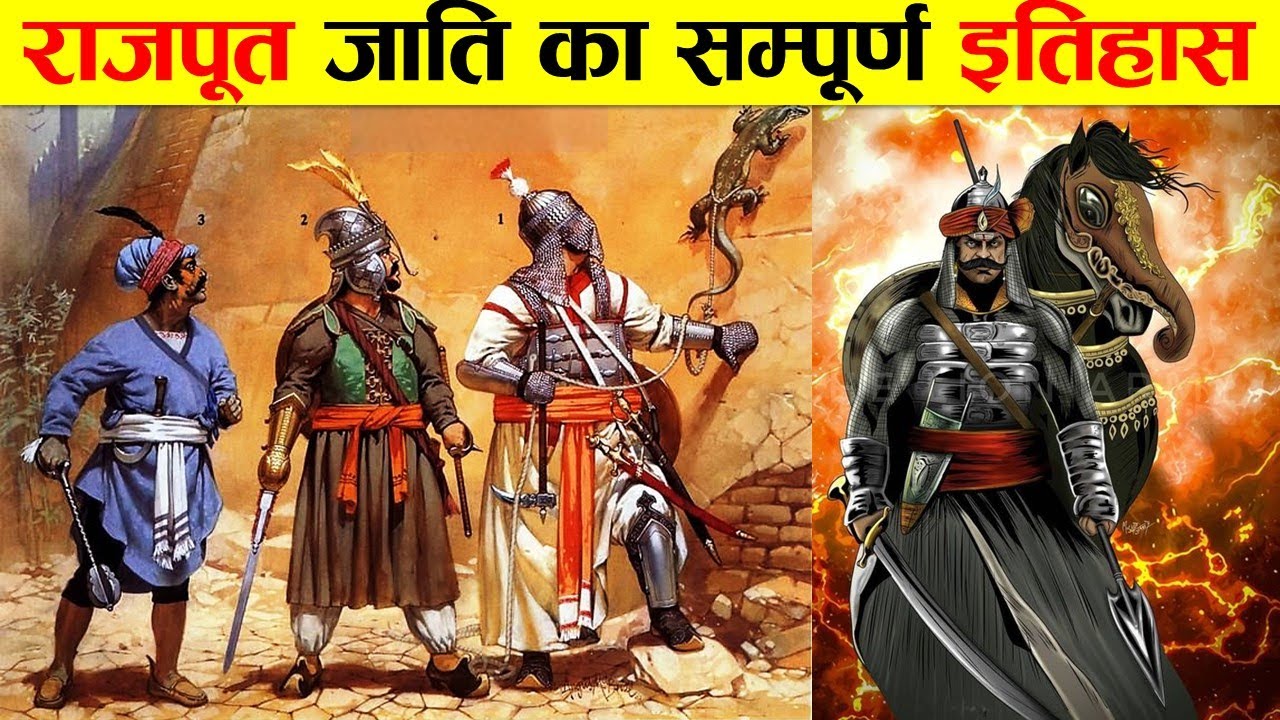
The Rajputs, a respected warrior class, built a strong presence across North and Central India starting from the . This detailed study covers early Rajput kingdoms, dynasties, and their cultural impact. It is an ideal guide for students preparing for history exams who want to understand medieval Indian politics, military traditions, and cultural growth.
🎯 In this chapter, you will understand:
- The origin of Rajput clans and their rise to power in North and Central India.
- Major dynasties including the Paramaras, Chandelas, Solankis, Chauhans, and Gahadavalas.
- Key achievements in art, fort building, temple architecture, and governance.
- Internal and external causes behind the decline of independent Rajput rule.
💡 Why this topic matters: Understanding early Rajput kingdoms helps explain how medieval Indian politics evolved, how regional art flourished, and how frontline kingdoms defended Indian territories against foreign invasions.
🧠 Core Idea: Rising after the decline of central powers like the Guptas, Rajput clans established autonomous regional kingdoms known for military honor, feudal administration, and lasting temple architecture.
⚔️ Early Rajputs: History, Kingdoms, and Dynasties in India (6th–12th Century)
The history of the Rajputs shows their journey from local warrior groups to powerful rulers who shaped medieval India.
Origin and Growth of the Rajputs
Rooted in the ancient Kshatriya warrior tradition, the Rajputs grew into a major political force starting around the . They built independent kingdoms across North and Central India, leaving a strong impact on local governance and culture.
- (i) The Rajputs developed from traditional Kshatriya lineages, forming self-governing states that became centers of regional strength.
- (ii) With great bravery, they protected Indian regions from outside invasions for several centuries.
- (iii) Early written records of their influence appear in ancient epic poetry and historical inscriptions from the onwards.
🛡️ The Fascinating Emergence and Rise of Rajput Clans
During a period of political change, different Rajput clans steadily built up their power, founding localized states that influenced medieval politics.

Foundational Early Rajput Clans and Their Strategic Roles
Rajput clans gained military and political strength as the central power of the faded, helping establish a new political order across North India.
- (i) Many Rajput clans came into prominence towards the end of the Gupta period by taking advantage of the dividing central power.
- (ii) They served as primary defenders for independent kingdoms, keeping local areas stable and secure against external threats.
- (iii) Through skilled military campaigns and smart alliances, these clans expanded their territory and established lasting rule.
Significant Rajput Contributions to Indian Culture and Society
Beside fighting wars, Rajput rulers developed society, supported the fine arts, and preserved ancient local traditions.
- (a) They developed organized military systems and effective battlefield strategies to defend their regions.
- (b) Rajput rulers gave generous support to art, literature, and architecture, building legendary hill forts and temples.
- (c) They played an important role in preserving traditional Hindu culture during a changing period in Indian history.
🏰 Rajput Kingdoms: Consolidation, Architectural Zenith, and Golden Era
The political rule and artistic achievements of Rajput kingdoms reached their height in Rajasthan, Gujarat, and Central India, forming a remarkable golden era.
Major Influential Rajput Dynasties of the Medieval Period
Several distinct Rajput ruling families gained power, each adding to the military, political, and artistic growth of medieval India.
- (i) Paramaras of Malwa: Ruling from their capital Dharanagar, this dynasty is famous for King Bhoja (reigned ), who was widely known for his military success and support for learning.
- (ii) Chandelas of Bundelkhand: With key seats at Khajuraho, Kalanjara, and Mahoba, the Chandelas built the grand temples of Khajuraho, showcasing incredible stone carving skills.
- (iii) Chaulukyas (Solankis) of Gujarat: Ruling from Anhilawada, they developed the distinct Māru-Gurjara architectural style, seen at the Sun Temple at Modhera.
- (iv) Chauhans of Ajmer: Led by the brave ruler Prithviraj Chauhan, this dynasty resisted early Ghurid attacks before facing decline after .
- (v) Gahadavalas of Kanauj: Their empire spread from Mongyr to Delhi, holding great power until their defeat by Ghurid forces in .
Rajput Architectural, Artistic, and Military Achievements
The Rajput era was known for its structured local governance, growth of creative arts, and strict code of chivalry.
- (a) Administration relied heavily on a feudal system strengthened by strategic political marriages and alliances.
- (b) This period brought notable progress in building design, literature, and martial skills.
- (c) Rajput rulers were famous for their personal courage, often defending their land bravely against external forces.
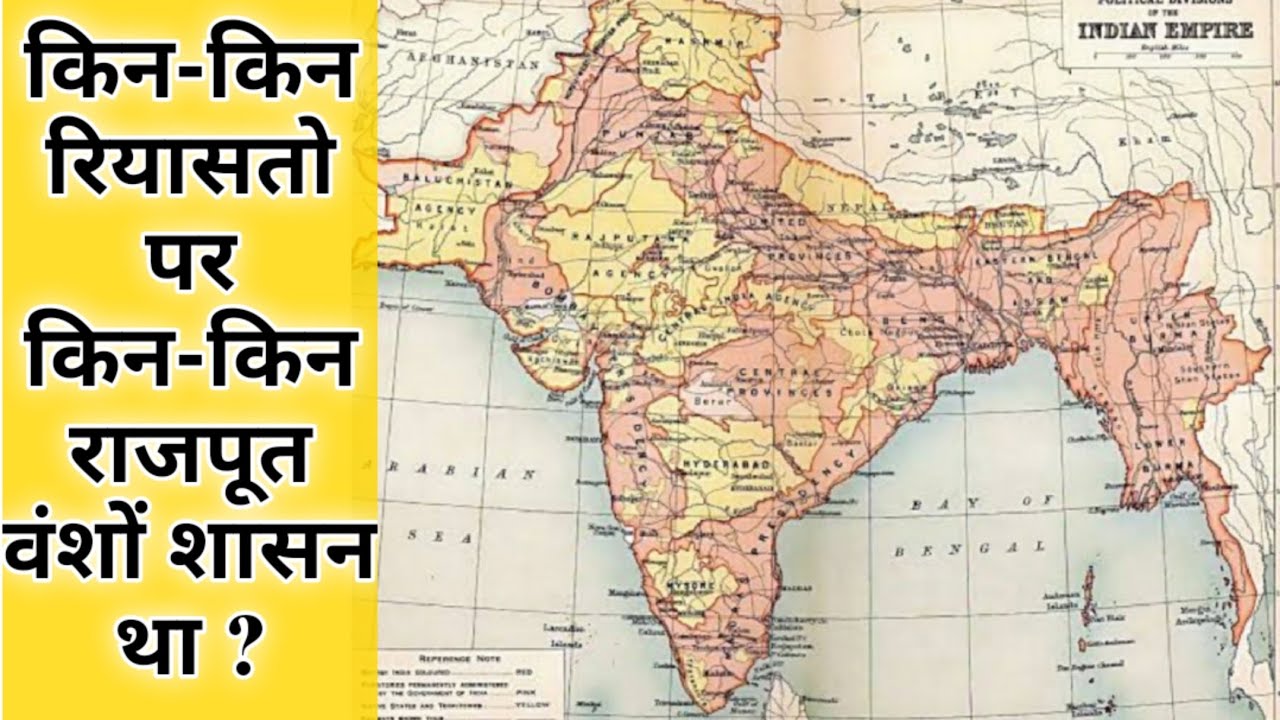
- (d) Understanding where these powerful families ruled gives a clear picture of medieval Indian political geography.

Map showing the territorial extent and political distribution of Rajput kingdoms across North and Central India at their peak.
⚡ Quick Revision Capsule: Major Rajput Dynasties
A quick summary table comparing key Rajput dynasties, their capital cities, major achievements, and famous rulers.
| Dynasty | Capital / Region | Key Rulers & Achievements |
|---|---|---|
| Paramaras | Dharanagar (Malwa) | Famous for King Bhoja (); strong cultural and literary patronage. |
| Chandelas | Khajuraho, Kalanjara, Mahoba (Bundelkhand) | Built the world-famous temples at Khajuraho; outstanding stone architecture. |
| Chaulukyas (Solankis) | Anhilawada (Gujarat) | Promoted the Māru-Gurjara style; built the Sun Temple at Modhera. |
| Chauhans | Ajmer / Delhi | Led by Prithviraj Chauhan; fought brave battles against Ghurid forces until . |
| Gahadavalas | Kanauj (Mongyr to Delhi) | Ruled a vast territory across northern plains until the battle in . |
📉 Factors Leading to the Decline of Rajput Sovereignty
Despite their bravery and forts, Rajput kingdoms gradually lost their independent status due to continuous external attacks and lack of unity among clans.
Major Military and Internal Challenges Faced by Rajputs
Ongoing clashes with expanding foreign powers and internal rivalries continuously drained the resources of Rajput states.
- (i) They faced repeated invasions from armies of the Delhi Sultanate and later the Mughal Empire.
- (ii) Mutual conflicts and rivalries between individual Rajput clans prevented them from forming a united front.
- (iii) Traditional cavalry-based tactics faced difficulties against newer military strategies and advanced arms brought by invading forces.
Lasting Impact and Consequences of the Rajput Decline
While the Rajputs lost full political control, their cultural customs and military presence remained strong.
- (a) Many states accepted Mughal authority while keeping control over their local internal matters.
- (b) Rajput values, traditions, art, and architectural styles continued to influence broader Indian culture.
- (c) Many skilled Rajput leaders and soldiers joined the service of the Mughal administration as top commanders and governors.
🏛️ Enduring Legacy of Rajput Dynasties in Indian History
Each Rajput family left a lasting mark through grand forts, temples, literature, and political systems, shaping medieval Indian history.
- (i) Their encounters with external forces like the Ghaznavids and Ghurids formed key chapters in India's military history.
- (ii) Their tradition of honor and sacrifice remains an important topic for understanding medieval Indian society.
📝 Summary
The study of Rajput dynasties from the highlights their rise as prominent warrior clans, the growth of distinct regional styles, and their eventual submission to larger empires. Their contributions to regional governance, temple building, and defensive warfare remain vital for history exams.
🚀 Quick Revision Points
Essential facts to review before examinations:
- (i) The Rajputs rose to political dominance around the following the decline of the Gupta Empire.
- (ii) Key dynasties included Paramaras, Chandelas, Solankis, Chauhans, and Gahadavalas.
- (iii) Architectural highlights include Khajuraho temples, Sun Temple at Modhera, and massive hill forts across Rajasthan.
- (iv) Lack of central unity and traditional warfare methods contributed to their decline against invading forces in and .
- 💡 Exam Tip: Focus on linking specific dynasties with their capital cities and architectural masterpieces (e.g., Chandelas with Khajuraho temples, Solankis with the Modhera Sun Temple) as these are frequently asked in matching-type exam questions.
❓ Frequently Asked Questions (FAQ)
Q1: When did the Rajputs first rise to prominence in Indian history?
A1: The Rajputs began emerging as a distinct warrior class and political power around the , following the decline of the central Gupta authority.Q2: What are some major architectural achievements of the Rajput dynasties?
A2: Famous monuments include the intricate stone temples at Khajuraho built by the Chandelas and the Sun Temple at Modhera built by the Solankis (Chaulukyas).Q3: Who was Prithviraj Chauhan and why is he significant?
A3: Prithviraj Chauhan was a famous Chauhan ruler of Ajmer and Delhi who bravely resisted early Ghurid invasions until the pivotal battle in .