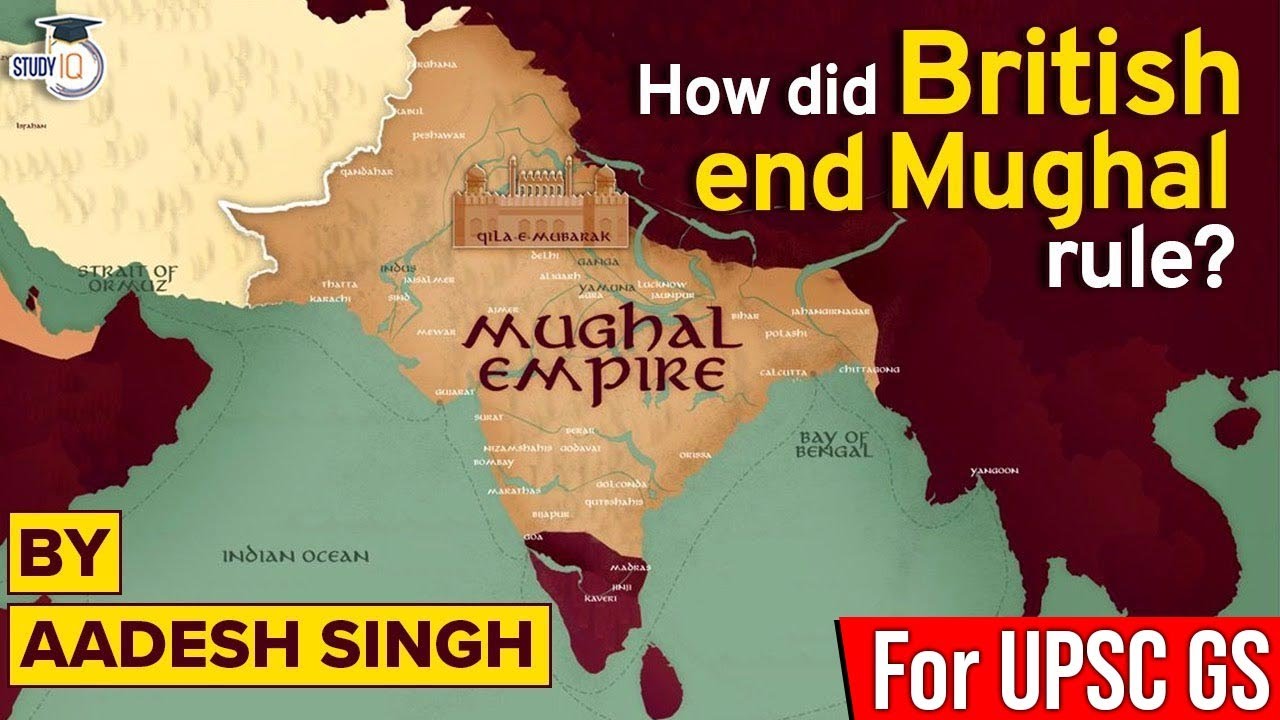
The economic strength and political changes in Bengal before the British invasion show how crucial this region was during the in India. Bengal’s business, government, and leadership shaped the relationships between the Mughal Nawabs and the English East India Company, making it an essential topic for understanding modern history.
🎯 In this chapter, you will understand:
- Why Bengal was the richest province in Mughal India.
- How the British built trade networks and gained tax freedoms.
- The line of autonomous Nawabs who ruled Bengal independently.
- The internal court clashes that led to conflict with the British.
💡 Why this topic matters: Bengal provided almost 60% of all British imports from Asia, making control over it the ultimate prize for British expansion in India.
🧠 Core Idea: High economic wealth combined with internal political rivalries created the perfect opportunity for a foreign trading company to step in and take political power.
Bengal on the Eve of British Conquest: Economic Power and Political Influence in the 18th Century
The province of Bengal was the wealthiest and most commercially active region as the central power of the Mughal Empire began to weaken. The great riches from its fertile farmland and active trade routes made it a major center of wealth. This attracted heavy commercial interest from European powers, especially the English East India Company, whose growing presence eventually upset the political balance of the region.
- (i) Bengal covered a wide geographic region, which at its peak included present-day Bangladesh, Bihar, and Odisha. All these areas added significantly to its high agricultural and manufacturing output.
- (ii) Its financial strength grew through a deep network of river and sea trade routes, bringing a steady inflow of precious metals into the province to buy its famous goods.
- (iii) The unusual economic appeal of Bengal made it the main focus for the British, driving them to aim for political power over this lucrative land.
Bengal's Commercial Dominance and the Extent of English Trade Dependency
High international demand for goods from Bengal made it a core node in global trade. This created a heavy business dependence for the English East India Company, pushing them toward acquiring political authority.

Key Exports to Europe and the Economic Lifeline
The wide range of items shipped from Bengal to Europe earned great profits and formed the foundation of British commerce in Asia.
- (i) Primary Goods: Important raw exports included essential items like saltpetre (used for making gunpowder), rice, indigo, pepper, and sugar.
- (ii) Manufactured Goods: Bengal was world-famous for fine finished products, such as silk, top-quality cotton cloth, and detailed handicrafts that sold at high prices across European markets.
- (iii) British Dependence: Trade records show that nearly 60% of all British imports coming from Asia originated from Bengal alone.
English Establishment of Factories and Revenue Privileges
The British steadily built key trading posts, known as factories, and arranged favorable tax waivers that harmed the local treasury of the Nawab.
- (i) Early Trading Posts (): British bases expanded along major river routes, establishing centers at Balasore, Hooghly, Kasimbazar, Patna, and Dacca.
- (ii) Rise of Calcutta (): By the , the trading base at Calcutta (which became Fort William) grew larger than other bases, becoming the main hub for British business and regional governance.
- (iii) Mughal Farman and Financial Loss: The Company obtained an important royal order, a Mughal Farman, allowing them to trade duty-free in Bengal for a tiny fixed payment of just 3,000 rupees (£350) per year. Meanwhile, their yearly exports from Bengal passed £50,000, causing a massive loss of income for the government of the Nawab.
Administrative Autonomy and the Line of Bengal Nawabs (1700-1756)
As central Mughal authority weakened, the local Nawabs exercised greater political independence. This led to a line of strong regional leaders who governed Bengal with self-reliance, even while facing internal and external pressures.
Murshid Quli Khan: From Dewan to De Facto Ruler
Murshid Quli Khan, the first independent Nawab, managed state finances and administration efficiently, setting up the framework for an autonomous state.
- (i) Appointment and Term: He was appointed as the financial administrator (Dewan of Bengal) in and ruled until his death in .
- (ii) Orderly Transfer: His position passed smoothly to his son-in-law, Shujauddin, who kept the province stable and prosperous until .
- (iii) Brief Interruption: Family continuity was briefly broken by the short rule of Sarfaraz Khan (), who was quickly challenged by a rising rival.
Alivardi Khan: Securing Power and Defying Delhi
The takeover of power by Alivardi Khan marked a complete break from the central authority of the Mughal Emperor, strengthening Bengal's local control.
- (i) Taking Control: In , Alivardi Khan, then Deputy Governor of Bihar, defeated and killed Sarfaraz Khan in battle.
- (ii) Gaining Legitimacy: He paid a large sum of money to the distant Mughal Emperor Muhammad Shah to receive the official title of Subahdar of Bengal.
- (iii) Stopping Yearly Payments: Ruling until , Alivardi Khan stopped sending regular financial tribute to Delhi, making Bengal fully independent in practice.
Political Stability, External Threats, and the Growing English Conflict
Under these autonomous Nawabs, Bengal enjoyed general peace and commercial growth, contrasting with the disorder seen across other areas of India. However, this stability was challenged by the rising military and business ambitions of the British.
Prosperity Amidst All-India Instability
Capable administration protected Bengal from major destruction, keeping the regional economy safe and encouraging population growth.
- (i) Peaceful Conditions: Bengal mostly avoided the internal uprisings and foreign invasions led by figures like Nadir Shah and Ahmed Shah Abdali that damaged other regions of India.
- (ii) Population Growth: Stability caused urban growth. The population of Calcutta rose from 15,000 in to 100,000 by , while major cities like Dacca and Murshidabad remained crowded trade hubs.
- (iii) Maratha Attacks and Walls: The major external threat came from Maratha raids. The British used this threat as a reason to build defense walls around Fort William, a move that later helped them against the Nawab.
Nawab Resentment and the Path to Conflict
The Nawabs viewed the tax abuses and defiant attitude of the British as a direct threat to state income and authority.
- Revenue Losses: The local government strongly objected to tax-free trade privileges used by the British, which caused major financial losses to the state treasury.
- Rising Tensions: Disputes between tax-evading British traders and the state's revenue goals created growing friction that moved the two sides toward open conflict.
- Alivardi's Warning: Observing European expansion in South India, Alivardi Khan famously compared European traders to a beehive: if left alone, they yield honey, but if disturbed, they sting you to death.
Siraj-ud-daula: Internal Rivalries and the Climax of Conflict (1756)
The crowning of young Siraj-ud-daula in happened when Bengal was under pressure from court disputes and British expansion, setting up a final confrontation.
Inherited Challenges and the Hostile Court
Taking power at age twenty, Siraj-ud-daula immediately faced strong opposition from internal rivals within his own administration.
- (i) Family and Military Opponents: Main rivals included his ambitious cousin Shaukat Jang (Governor of Purnia), his aunt Ghasiti Begum, and his army commander Mir Jafar.
- (ii) Court and Financial Opponents: He faced resistance from wealthy court leaders, including the prominent banker Jagat Seth, the merchant Omichand, and administrators Rai Ballabh and Rai Durlabh.
- (iii) External Pressure: Unchecked British expansion in Calcutta added a dangerous threat to his internal political struggles.
Siraj-ud-daula's Impulsive Early Actions and Cabinet Changes
With limited political experience, the young Nawab took quick, firm actions to protect his position, though these steps alienated key officials.
- Quick Actions: He moved fast to reduce immediate threats by defeating Shaukat Jang, seizing the wealth of Ghasiti Begum, and removing Mir Jafar from his command, replacing him with Mir Madan.
- New Appointments: He appointed Mohan Lal, a trusted officer, as his top administrator, which angered the older nobility.
- Unintended Result: While removing immediate rivals, these decisions created deep anger among powerful court figures, leading them to plot alongside the British.
⚡ Quick Revision Capsule: Key Nawabs of Bengal
Overview of the succession of autonomous rulers of Bengal and their major historical contributions:
| Nawab | Period of Rule | Major Contribution / Historical Event |
|---|---|---|
| Murshid Quli Khan | Shifted capital to Murshidabad; established the autonomous state of Bengal. | |
| Shujauddin | Maintained peace, economic growth, and administrative stability. | |
| Sarfaraz Khan | Short reign ended after defeat by Alivardi Khan at Giria. | |
| Alivardi Khan | Stopped tribute payments to Delhi; managed Maratha raids and watched European power closely. | |
| Siraj-ud-daula | Faced major court conspiracies; clashed directly with the British East India Company. |
📝 Summary
Bengal's vast economic resources, built on goods like saltpetre, silk, and fine cotton textiles, made it the ultimate goal for the English East India Company. The political shift from experienced Nawabs like Murshid Quli Khan and Alivardi Khan to the young Siraj-ud-daula, combined with revenue losses from tax abuse, caused direct conflict between Bengal and the British. Internal court conspiracies created the exact weakness needed for the British to gain political dominance over Bengal, laying the groundwork for colonial rule in India.
🚀 Quick Revision Points
Essential facts to review before examinations:
- (i) Bengal generated almost 60% of total British imports from Asia during the .
- (ii) The royal permit (Mughal Farman) allowed tax-free trade for a small fee of 3,000 rupees a year.
- (iii) Alivardi Khan cut off annual payments to the central Mughal Emperor, asserting local independence.
- (iv) Court leaders like Mir Jafar and Jagat Seth formed alliances with the British against Siraj-ud-daula.
- 💡 Exam Tip: Focus on how financial tax exemptions (Farman) and court betrayals combined to turn a trading company into a political power.
❓ Frequently Asked Questions (FAQ)
Q1: Why was Bengal considered so crucial to the British East India Company?
A1: Bengal was the richest province in India, supplying 60% of all British imports from Asia, including profitable items like silk, cotton, and saltpetre.Q2: What was the Mughal Farman, and how did it affect Bengal's finances?
A2: It was a royal permit allowing the British to trade duty-free for just 3,000 rupees per year, depriving the Nawab's treasury of huge tax revenues.Q3: What internal challenges did Siraj-ud-daula face upon taking power in 1756?
A3: He faced threats from family rivals like Ghasiti Begum, military leaders like Mir Jafar, and wealthy financiers like Jagat Seth, who all opposed his rule.