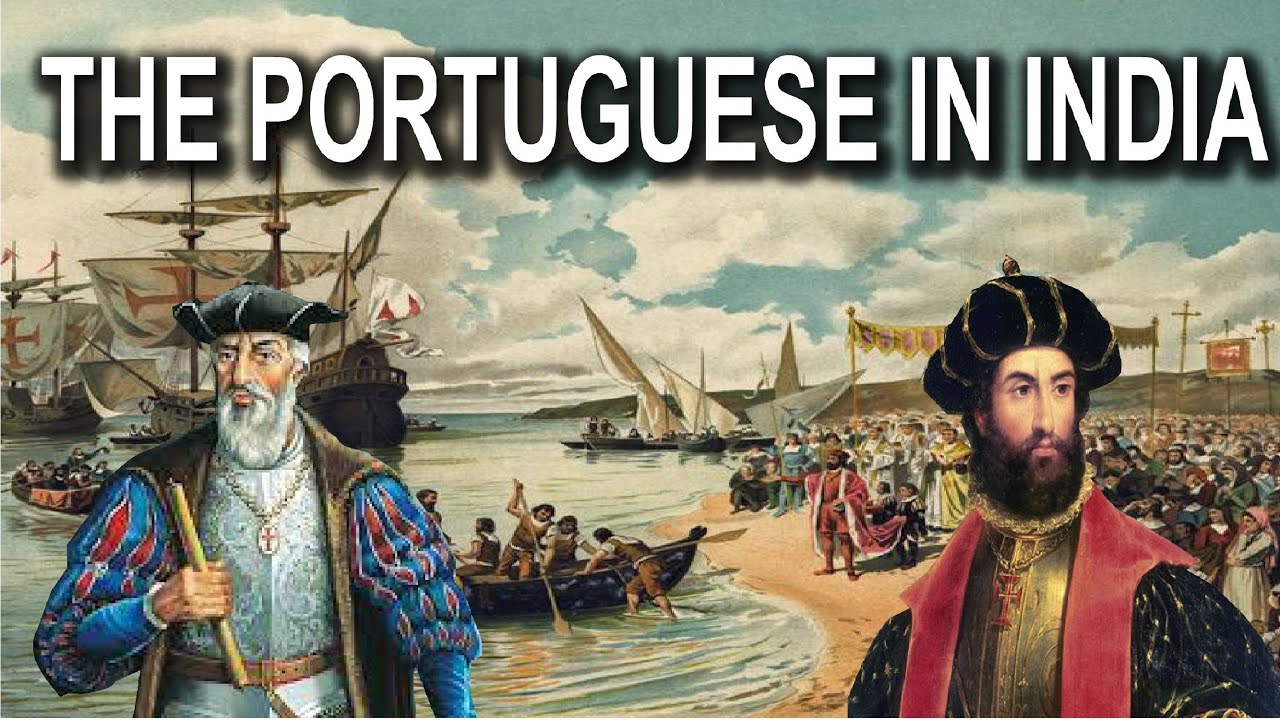
The arrival and expansion of Portuguese explorers in India between and played a pivotal role in shaping Indian Ocean trade and political dynamics. From Vasco da Gama's first voyage to Alfonso de Albuquerque's consolidation of Portuguese hegemony, these events are crucial for understanding European maritime dominance and are highly relevant for students preparing for history exams. Key figures like Francisco de Almeida and Nino da Cunha influenced both commerce and politics in India.
🎯 In this chapter, you will understand:
- How Portuguese explorers opened direct sea routes between Europe and Asia.
- The transition from merchant trading to armed maritime dominance under key governors.
- The establishment of the Cartaze system and the strategic capture of Goa.
- The economic, political, and cultural legacy of Portuguese rule in coastal India.
💡 Why this topic matters: This period marks the start of direct European sea trade with Asia, breaking long-standing overland monopolies and creating early colonial networks in India.
🧠 Core Idea: Portugal used superior naval technology, fortified trading posts, and sea-lane permits to establish commercial and military control over the Indian Ocean.
Portuguese Arrival and Expansion in India: Establishing Maritime Trade and Political Dominance (1498–1530)
The initial three decades, from to , saw the Portuguese systematically change from simple traders into a strong naval and political power across India and the vital Indian Ocean shipping routes.
This period forms the groundwork of European colonial history in India. Driven by a desire for direct spice access, the Portuguese challenged long-standing Arab and Venetian merchant networks.
- (i) The foundational milestone was the initial landing of Vasco da Gama at Calicut in , opening a direct sea passage between Europe and the East.
- (ii) Key developments included navigating deep rivalries with local coastal leaders and established Arab traders, using strong naval technology and targeted military action.
- (iii) The work of Governors like Francisco de Almeida and Alfonso de Albuquerque consolidated this presence, securing vital ports and setting the stage for future European power in Asia.
The Pioneering Voyage of Vasco da Gama (1498) and Early Trade Contacts
The successful journey around the Cape of Good Hope opened the colonial era, making Portugal the main European entry point to the profitable Indian spice trade.

The Landing at Calicut: Establishing the Gateway to India
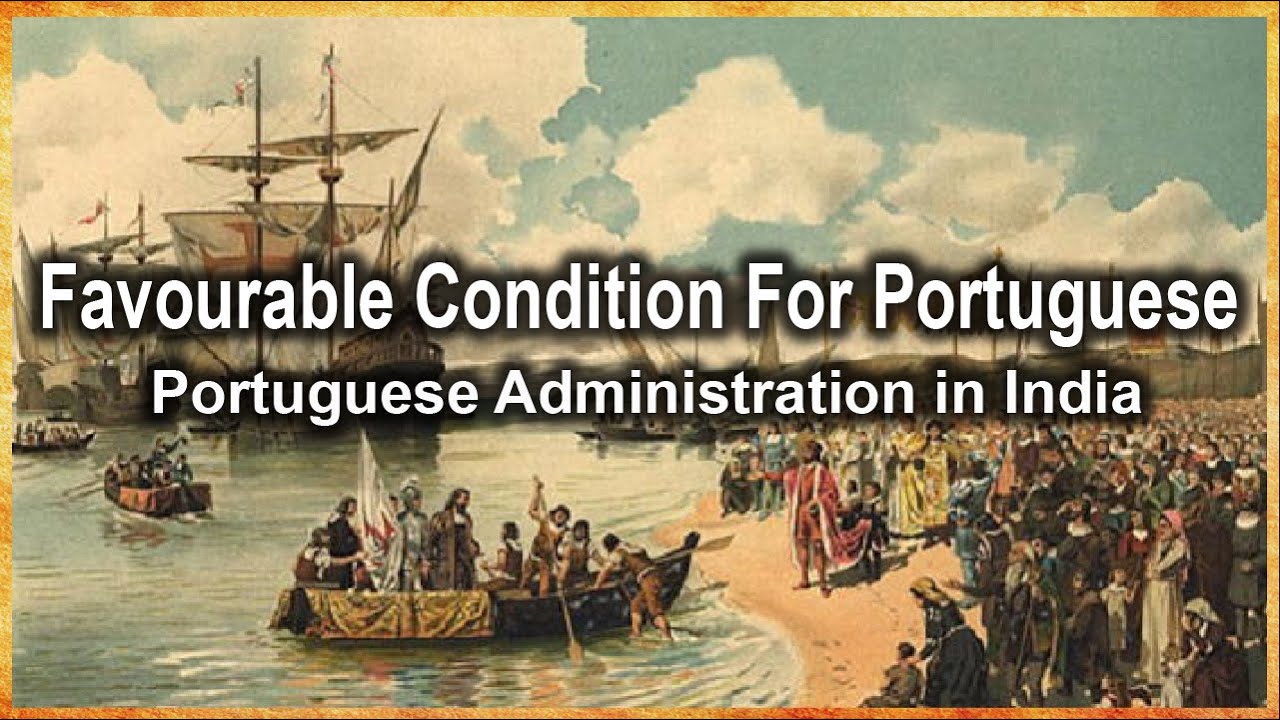
After navigating difficult waters, Vasco da Gama reached the Malabar Coast, starting a new chapter for Indian Ocean commerce.
- (i) Navigation and Arrival:Vasco da Gama led three ships to Calicut on the Malabar Coast in , guided across the ocean by the Gujarati pilot Abdul Majid.
- (ii) Reception by the Local Ruler: The local ruler of Calicut, known as the Zamorin, welcomed the expedition with cautious interest in new trade possibilities.
- (iii) Opposition from Arab Merchants:Arab merchants, who held a profitable monopoly over spice routes, saw the well-armed Portuguese as rivals, causing immediate tension.
The Return to Portugal and the Promise of Profit
Despite trade challenges and tension with local merchants, Gama's return home proved the value of the expedition.
- (a) Trade Initiation:Vasco da Gama returned to Portugal with valuable spices and goods, proving that large-scale direct ocean trade was possible.
- (b) Setting the Stage: This success encouraged the Portuguese Crown to send larger naval fleets aimed at building lasting control in the region.
Early Conflicts and Establishment of Factories under Pedro Alvarez Cabral (1500)
The next expedition, led by Pedro Alvarez Cabral, focused on securing trade privileges through military force, leading directly to conflict.
Cabral at Calicut: The First Clashes
Cabral's arrival in quickly turned violent as the Portuguese pushed their trade demands, replacing peaceful talks with armed force.
- (i) Confrontation:Cabral's fleet fought with local residents and Arab trade groups who viewed the Portuguese as a serious threat.
- (ii) Retaliation: In response, Cabral destroyed several Arab merchant ships and seized their cargo, showing a willingness to use military power for commercial goals.
Strategic Treaties with Cochin and Cannanore
Hostilities at Calicut pushed the Portuguese to partner with neighboring local rulers, opening trading centers further south.
Early Portuguese fortified trading posts (factories) along the southwestern coast of India. - (a) Establishing Favorable Agreements:Cabral signed friendly agreements with the rulers of Cochin and Cannanore, setting up their first trading posts (factories) and forming alliances against the Zamorin of Calicut.
- (b) Strengthening Influence: When Vasco da Gama returned in with a stronger fleet, he fortified posts at Cannanore, securing a permanent European foothold on the Malabar Coast.
Governorship of Francisco de Almeida (1505–1509): Implementing the Blue Water Policy
Francisco de Almeida was appointed as the first Governor of Portuguese affairs in India. He focused on controlling the open seas rather than capturing large land territories.
Fortifications and Almeida's Naval Strategy
Almeida fortified key coastal positions and used naval force to safeguard Portuguese trade fleets.
- (i) Strategic Fortification: Almeida built and strengthened forts at crucial spots such as Anjadiva, Cochin, and Cannanore.
- (ii) The Blue Water Policy: His core approach, known as the Blue Water Policy (which led to the Cartaze system), focused on establishing total Portuguese naval dominance across the Indian Ocean.
- (iii) Major Naval Confrontation: This policy triggered a conflict with combined forces from the Mameluke Sultan of Egypt and the Sultan of Gujarat. After an initial defeat in , Almeida won a decisive naval battle near Diu in , establishing Portuguese sea control.
Expansion under Alfonso de Albuquerque (1510–1515): Conquest of Goa and Consolidating Hegemony
Taking over after Almeida, Alfonso de Albuquerque moved beyond sea patrols to strategic land captures. By taking Goa, he turned Portugal's presence into a lasting land and sea power.
Conquests and Global Strongholds
Albuquerque captured strategic sea passages across global trade routes, connecting Portuguese power from East Africa to Southeast Asia.
- (i) The Capture of Goa: His major success in India was capturing Goa from the Sultan of Bijapur in . This port became the central headquarters for Portuguese operations in Asia.
- (ii) Wider Strategic Control: Albuquerque built fortified bases at key narrow shipping lanes, including Malacca in Southeast Asia and key harbors along the East African coast.
Trade Regulation, Settlement, and Cultural Integration
Albuquerque introduced systems for long-term control, encouraging local settlements and regulating regional merchant traffic.
- Permit System and Trade Control: He created the formal Cartaze pass system. Non-Portuguese ships in the Indian Ocean were required to buy a permit from Portuguese officials or risk capture.
- Settlement Policy: Albuquerque encouraged Portuguese men to marry local Indian women, building a loyal local settler population to support administration and defense.
Later Developments and Consolidation under Nino da Cunha (Post-1530)
Governor Nino da Cunha (serving from to ) completed the consolidation of Portuguese control, making Goa the official administrative capital.
Shift of Headquarters and Territorial Expansion
Moving the capital highlighted Portugal's change from temporary sea traders to a permanent colonial power.
- (i) Capital Relocation: In , the official headquarters moved from Cochin to Goa, strengthening central control across their Asian holdings.
- (ii) Expansion via Treaty: Influence expanded into Bengal and Diu through local treaties and targeted military actions, extending control over coastal trade.
Economic and Cultural Impact of Portuguese Settlement
Permanent communities left a lasting stamp on local coastal economies, architecture, and governance.
- Economic Contribution: Settler communities helped generate steady tax revenue and provided local stability for the colonial government.
- Goa's Prominence:Goa grew into a major political, commercial, and religious center, retaining its unique character for centuries.
⚡ Quick Revision Capsule: Key Portuguese Governors and Policies
A structured breakdown of main Portuguese leaders, their dates of governance, and major achievements in India.
| Governor / Figure | Period | Key Policy / Achievement |
|---|---|---|
| Vasco da Gama | , | Discovered direct sea route to India around Cape of Good Hope; arrived at Calicut. |
| Pedro Alvarez Cabral | Established early factories at Cochin and Cannanore after clashes in Calicut. | |
| Francisco de Almeida | Implemented Blue Water Policy; won decisive naval Battle of Diu (). | |
| Alfonso de Albuquerque | Captured Goa (); introduced Cartaze system and marriage settlement policies. | |
| Nino da Cunha | Moved capital from Cochin to Goa in ; expanded rule into Diu and Bengal. |
📝 Summary
The arrival of Vasco da Gama in , followed by Almeida's naval strategy and Albuquerque's land captures, reshaped Indian Ocean trade. Their enforceability of the Blue Water Policy and Cartaze system, along with fortified coastal factories, created early European maritime dominance centered in Goa. This history forms a core foundation for understanding early European colonial expansion in Asia.
🚀 Quick Revision Points
Essential facts to review before examinations:
- (i) Vasco da Gama reached Calicut in with help from Gujarati pilot Abdul Majid.
- (ii) First Portuguese factories were set up at Cochin and Cannanore by Cabral.
- (iii) The Blue Water Policy focused on ocean naval power rather than interior land conquest.
- (iv) Goa was captured in from the Sultan of Bijapur and became the permanent capital in .
- 💡 Exam Tip: Remember the distinction between Almeida's Blue Water Policy (pure sea power) and Albuquerque's territorial strategy (capturing strategic choke-points like Goa and Malacca).
❓ Frequently Asked Questions (FAQ)
Q1: What was the main purpose of the Blue Water Policy?
A1: Introduced by Francisco de Almeida, it aimed to establish total Portuguese naval dominance across the Indian Ocean rather than focusing on capturing large land territories.Q2: What was the Cartaze system?
A2: The Cartaze was a mandatory naval trade permit issued by the Portuguese. Any non-Portuguese ship trading in the Indian Ocean had to buy this pass or face attack and capture.Q3: When and why was the Portuguese capital in India shifted to Goa?
A3: Capital operations were shifted from Cochin to Goa in under Governor Nino da Cunha because Goa provided a central, easily defensible naval headquarters for Asian trade.