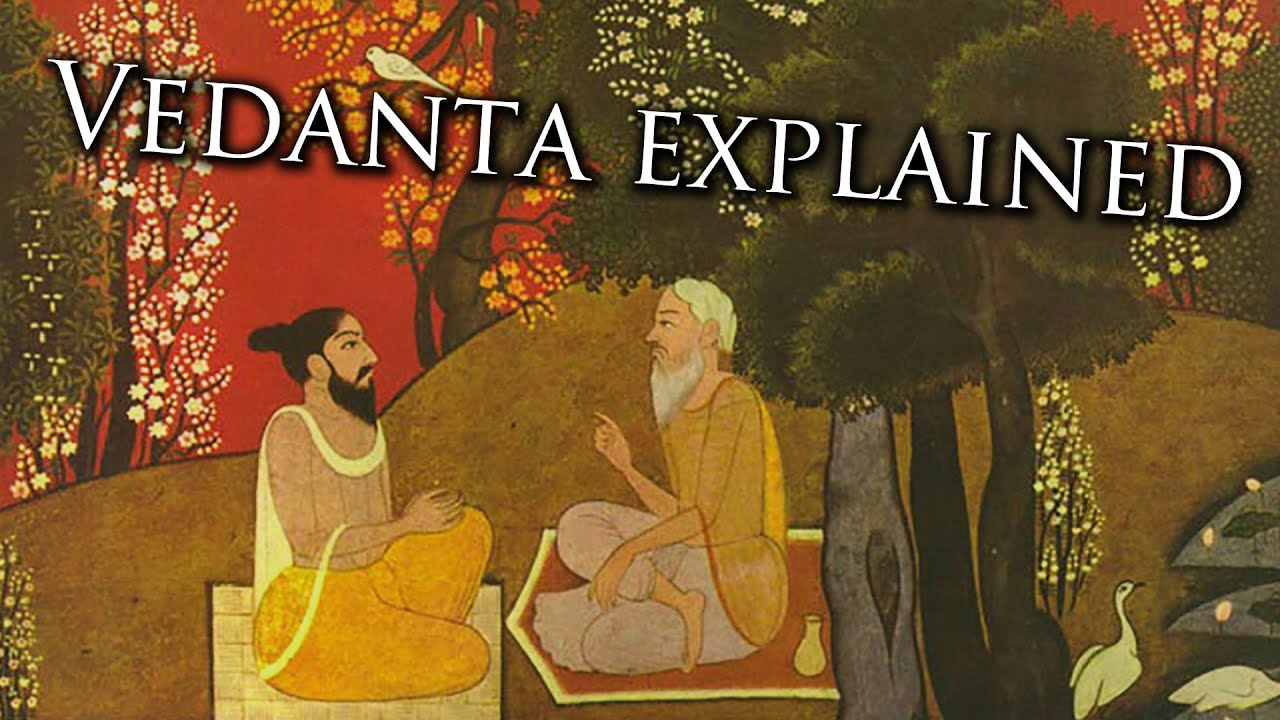
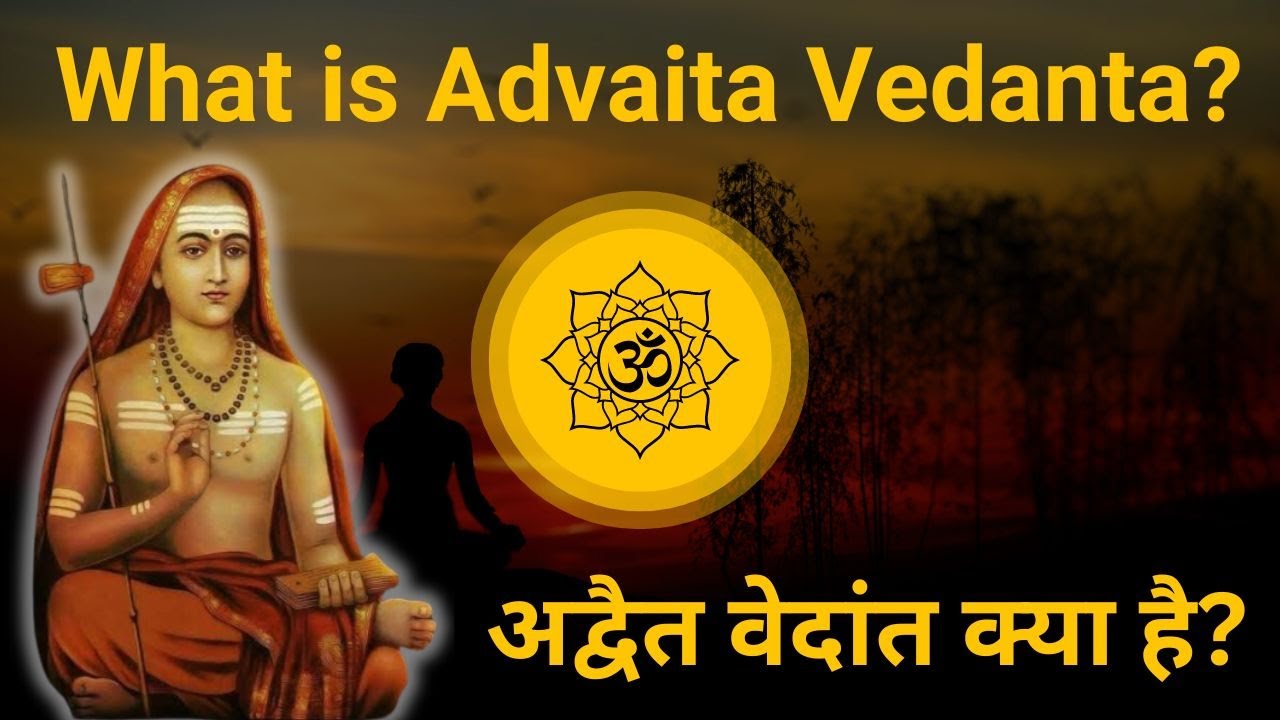
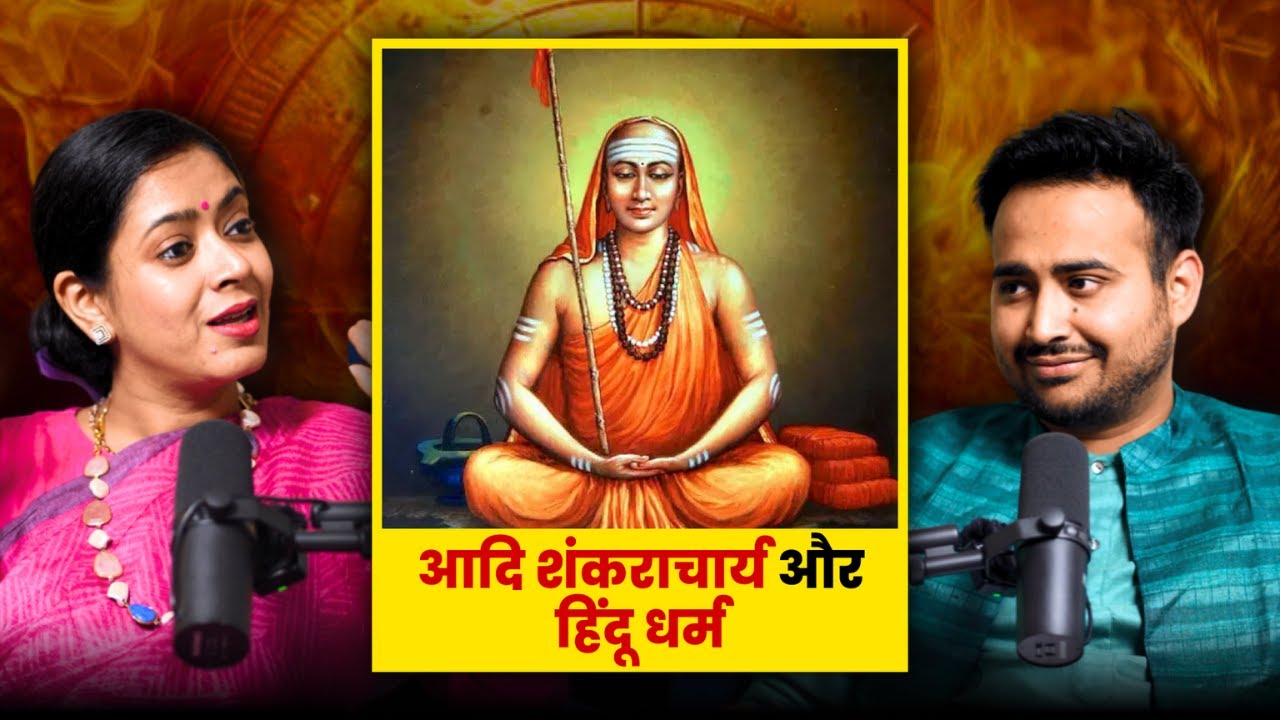
The Vedanta, also known as Uttara Mimamsa, is a central philosophical school in Indian thought, emphasizing knowledge of the ultimate reality Brahman as described in the Upanishads. Dating back to ancient Vedic periods, this school offers deep insights for students preparing for philosophy, history, and exam-oriented studies. Understanding Vedanta philosophies like Advaita, Vishishtadvaita, and Dvaita is crucial for grasping Indian spiritual and metaphysical traditions.
🎯 In this chapter, you will understand:
- The main concepts of Vedanta and the relationship between Atman and Brahman.
- Key philosophical views of non-dualism, qualified non-dualism, and dualism.
- The core teachings of major thinkers such as Adi Shankara, Ramanuja, and Madhvacharya.
- How devotional paths (Bhakti) and knowledge (Jnana) lead to spiritual liberation (Moksha).
💡 Why this topic matters: It forms the backbone of classical Indian metaphysics and helps explain how different thinkers understood God, the soul, and the world.
🧠 Core Idea:Vedanta explores whether the individual soul (Atman) and God (Brahman) are identical, separate, or both at the same time.
📌 Vedanta: The Uttara Mimamsa – Indian Philosophical Teachings
The Vedanta school, derived from the Upanishads, focuses on understanding the relationship between the individual soul (Atman) and the ultimate reality (Brahman). It provides profound insights for students on spiritual liberation and philosophical interpretations of ancient Indian texts.
- Overview of Vedanta Philosophical Traditions
Different scholars created unique paths to explain how humanity connects with the divine:
- (i) Advaita:Adi Shankara asserts Atman and Brahman are identical; liberation comes through realization of this unity.
- (ii) Visishtadvaita:Ramanuja teaches all diversity exists within a unified whole.
- (iii) Dvaita:Madhvacharya views Brahman and Atman as distinct, advocating Bhakti for salvation.
- (iv) Dvaitadvaita:Nimbarka posits Brahman as highest reality and controller of all.
- (v) Shuddhadvaita:Vallabhacharya emphasizes unity of God and individual soul.
- (vi) Achintya Bheda Abheda:Chaitanya Mahaprabhu asserts Jīvatman is simultaneously different and non-different from Brahman.
📌 1. Advaita Vedanta (Non-Dualism)
Key Idea:Advaita means non-duality, asserting Brahman as the only reality; the world is Maya (illusion).

Philosophical Foundations of Advaita
According to Advaita Vedanta, Atman and Brahman are identical; separation arises due to Avidya (ignorance). Liberation (Moksha) occurs when ignorance is removed. The material world is illusory (Maya), and self-realization leads to Jivanmukti – liberation in life.
- (i) Founder: Adi Shankaracharya (), who systematized the philosophy.
- (ii) Emphasis on knowledge (Jnana) as the true path to liberation.
- (iii) Core teaching: Realization of complete unity between Atman and Brahman.
📌 2. Vishishtadvaita Vedanta (Qualified Non-Dualism)
Key Idea:Vishishtadvaita recognizes oneness with distinctions; the universe and souls are distinct yet connected to God.
Philosophical Foundations of Vishishtadvaita
Proposed by Ramanuja (), this school teaches that the universe, Jivas (souls), and God (Ishvara) are interconnected. The soul is part of God, but distinctions remain. Liberation comes via Bhakti (devotion) and surrender to Vishnu.
- (i) Emphasis on devotion as the central spiritual path.
- (ii) Diversity within unity – the soul retains its own identity.
- (iii) Liberation is relational, achieved through divine grace.
📌 3. Dvaita Vedanta (Dualism)
Key Idea:Dvaita emphasizes eternal difference between Atman and Brahman; devotion is the route to liberation.
Philosophical Foundations of Dvaita
Madhvacharya () highlighted dualism: Brahman and Atman are distinct. The soul’s dependence on God ensures liberation via Bhakti and divine grace. Differences between matter and spirit are eternal.
- (i) Founder: Madhvacharya
- (ii) Core teaching: Eternal distinction between God and the soul.
- (iii) Path: True devotion to Vishnu ensures Moksha.
📌 4. Shuddadvaita Vedanta (Pure Non-Dualism)
Key Idea:Shuddadvaita asserts Brahman is supreme; the world is a real manifestation of divine energy.
Philosophical Foundations of Shuddadvaita
Vallabhacharya () taught that the world and souls emanate from Brahman. Ignorance (Avidya) creates perceived differences. Liberation occurs through Bhakti and devotion to Krishna.
- (i) Founder: Vallabhacharya
- (ii) Focus on devotional practice rather than mere intellectualism.
- (iii) World and soul are real, divine manifestations.
📌 5. Achintya Bheda Abheda (Inconceivable Oneness & Difference)
Key Idea:Achintya Bheda Abheda states God is simultaneously one with and different from creation.
Philosophical Foundations of Achintya Bheda Abheda
Founded by Chaitanya Mahaprabhu (), it synthesizes dualism and non-dualism. The relationship between Krishna and souls resembles the sun and its rays: inseparable yet distinct. Liberation is achieved through Bhakti and divine love.
- (i) Devotion (Bhakti) is the primary means to liberation.
- (ii) Integration of non-dual and dual perspectives.
- (iii) Emphasis on relational unity with Brahman.
📌 6. Dvaitadvaita Vedanta (Dualistic Non-Dualism)
Key Idea:Dvaitadvaita posits Brahman as both same and different from the individual soul.
Philosophical Foundations of Dvaitadvaita
Nimbarka () proposed this school combining dualism and non-dualism. Souls and the universe reflect Brahman, maintaining distinction yet inherent connection. Liberation is attained via Bhakti and Jnana together.
- (i) Founder: Nimbarka
- (ii) Path combines knowledge and devotion.
- (iii) Recognition of unity with Brahman while maintaining soul individuality.
⚡ Quick Revision Capsule: Vedanta Schools Comparison
The following table gives a clear side-by-side comparison of all six main Vedanta traditions:
| School Name | Founder & Era | Core Philosophy & Path to Moksha |
|---|---|---|
| Advaita Vedanta | Adi Shankaracharya () | Absolute Non-Dualism; world is Maya; liberation through knowledge (Jnana). |
| Vishishtadvaita Vedanta | Ramanuja () | Qualified Non-Dualism; souls are distinct parts of God; path of Bhakti. |
| Dvaita Vedanta | Madhvacharya () | Dualism; eternal separation between God and soul; devotion to Vishnu. |
| Shuddhadvaita Vedanta | Vallabhacharya () | Pure Non-Dualism; world is real divine manifestation; devotion to Krishna. |
| Achintya Bheda Abheda | Chaitanya Mahaprabhu () | Inconceivable oneness and difference; divine love and Bhakti. |
| Dvaitadvaita Vedanta | Nimbarka () | Dualistic Non-Dualism; combines Jnana and Bhakti for liberation. |
📝 Summary
The Vedanta schools—Advaita, Vishishtadvaita, Dvaita, Shuddhadvaita, Achintya Bheda Abheda, and Dvaitadvaita—offer diverse perspectives on Brahman and Atman originating from the Upanishads through history from to . These philosophies are vital for students of Indian philosophy and competitive exams, providing foundational understanding of spiritual liberation, Bhakti, and metaphysical unity and diversity.
🚀 Quick Revision Points
Essential facts to review before examinations:
- (i) Vedanta is also called Uttara Mimamsa and focuses on knowledge from the Upanishads.
- (ii) Advaita advocates complete oneness, while Dvaita claims eternal separation between God and soul.
- (iii) Vishishtadvaita, Shuddhadvaita, Dvaitadvaita, and Achintya Bheda Abheda offer nuanced views bridging unity and individuality.
- (iv) Devotion (Bhakti) and Knowledge (Jnana) serve as the primary paths toward spiritual freedom (Moksha).
- 💡 Exam Tip: Match each thinker to their school: Shankara (Advaita), Ramanuja (Vishishtadvaita), Madhva (Dvaita), Nimbarka (Dvaitadvaita), Vallabha (Shuddhadvaita), and Chaitanya (Achintya Bheda Abheda).
❓ Frequently Asked Questions (FAQ)
Q1: What does the term Vedanta mean?
A1: It translates to the end or culmination of the Vedas, centering on the philosophical wisdom found in the Upanishads.Q2: How do Advaita and Dvaita differ?
A2: Advaita teaches that the individual soul and God are completely one, whereas Dvaita states they remain forever separate.Q3: Which path to liberation is emphasized in Vishishtadvaita?
A3: It highlights intense devotion (Bhakti) and self-surrender to Vishnu as the key to reaching God.