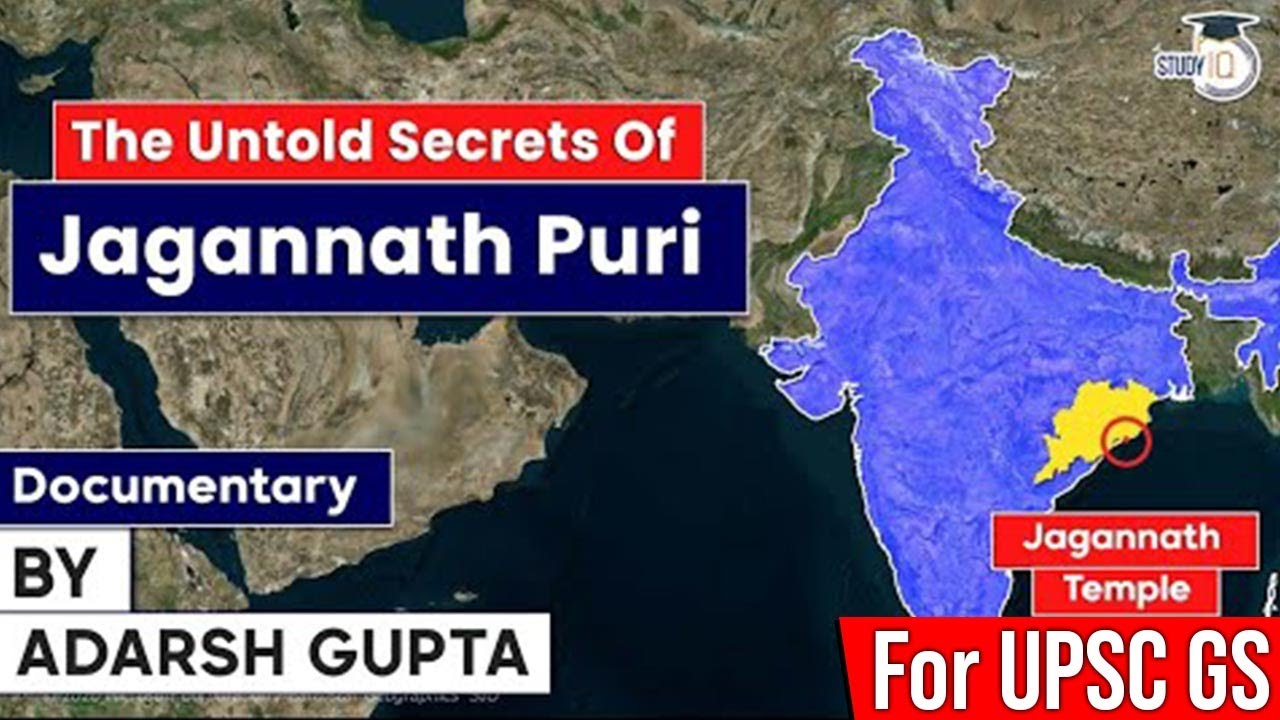
The Cult of Jagannath in Odisha, India represents a unique blend of local traditions and regional spiritual heritage, tracing its earliest roots back to the Sabara tribe. Revered as the Lord of the Universe, Jagannath holds deep cultural and social value. Learning about this tradition is essential for students preparing for Indian history and culture examinations.
🎯 In this chapter, you will understand:
- How tribal traditions merged into mainstream religious customs in Odisha.
- The architectural layout and history of the famous Puri temple.
- Daily and special rituals including the sacred Rath Yatra festival.
- The lasting social impact of Mahaprasad and global cultural reach.
💡 Why this topic matters: It shows how diverse tribal practices and classical traditions came together to form a unified cultural identity in Eastern India.
🧠 Core Idea: The worship of Lord Jagannath combines nature worship, classical temple architecture, and inclusive community rituals.
The Cult of Jagannath: History, Architecture, and Cultural Significance in Odisha
The worship of Lord Jagannath is deeply woven into daily life across Odisha. It brings together early tribal customs, Vaishnavism, and regional art forms into a single spiritual system.
Jagannath's Origins and Tribal Connection
Historical research shows that early worship started as a simple tribal tradition before expanding into temple rituals.
- (i) Originating with the Sabara tribe, early idols were carved from wood, reflecting respect for natural trees and forests.
- (ii) As time passed, connections grew with Vishnu and Krishna, broadening the deity's reach across India.
- (iii) The main divine group consists of three sacred figures: Jagannath, Balabhadra, and Subhadra.
Tribal Roots of Jagannath
Early worshippers crafted simple wooden figures from sacred trees. Ceremonies focused on simple offerings like fresh fruits, local flowers, and farm grains.
- (a) Wooden idols were carved directly from sacred trees to mark a connection with nature.
- (b) Morning and evening offerings came from simple farming harvests.
- (c) Stories passed down by word of mouth eventually became part of classical written texts.
Integration into Mainstream Traditions
Over time, local practices linked Jagannath with Vishnu, making the temple a major center of devotional life.
- (a) Temple guides and texts aligned rituals with Vaishnavite traditions.
- (b) Grand public events like the chariot procession became standard practice.
- (c) The three figures together teach lesson values on family unity and mutual care.
The Jagannath Temple in Puri: Architecture and Religious Significance
The grand temple at Puri is a key landmark of Indian temple design and a major destination for pilgrims.

- The main structure reflects classic craftsmanship with detailed stone carvings and tall decorative towers.
Temple History and Construction
Built during the by King Anantavarman Chodaganga Deva, the temple stands as an enduring monument of spiritual devotion.
- (i) Constructed under the Ganga dynasty, showing strong royal support for local culture.
- (ii) Serves as a central symbol of heritage and pride across generations in Odisha.
- (iii) The layout includes main halls such as the Jagamohan (assembly hall), Nata Mandir (dance hall), Gopuram (entrance gateway), Garuda Stambha (pillar), and the inner sanctum.
Architectural Style
The layout follows the traditional Kalinga architectural style, which brings together regional design choices and classical building methods.
- (i) High carved spires rise above the town, showcasing detailed stonework.
- (ii) Gathering spaces like the Nata Mandir provide room for traditional music and dance.
- (iii) Structural details connect directly to traditional stories and symbolic themes.
Daily Rituals and Festival Traditions
The temple follows a strict schedule of daily events that keep community participation active throughout the year.
- Regular prayers run from early morning to late evening, bringing structure to temple life.
Key Daily Rituals
Daily worship follows structured steps to care for the deities.
Sacred preparations carried out daily inside the temple compound. - Mangala Aarti: The early morning prayer to wake the deities.
- Mailam: Changing of sacred clothing and preparing for first offerings.
- Abakash: The morning bath ceremony symbolizing daily freshness and purity.
- Surya Puja: Dedicated prayers offered toward the morning sun.
- Madhyanha Dhupa: The main afternoon meal offering served to the deities.
- Sandhya Aarti: Evening lamps lit across the courtyard during dusk prayers.
Grand Ceremonies: Nabakalebara and Rath Yatra
Special events bring millions of visitors together for unique spiritual milestones.
Nabakalebara
Held once every , this event involves replacing the old wooden idols with new ones carved from sacred neem trees known as Daru Brahma.
Rath Yatra (Chariot Festival)
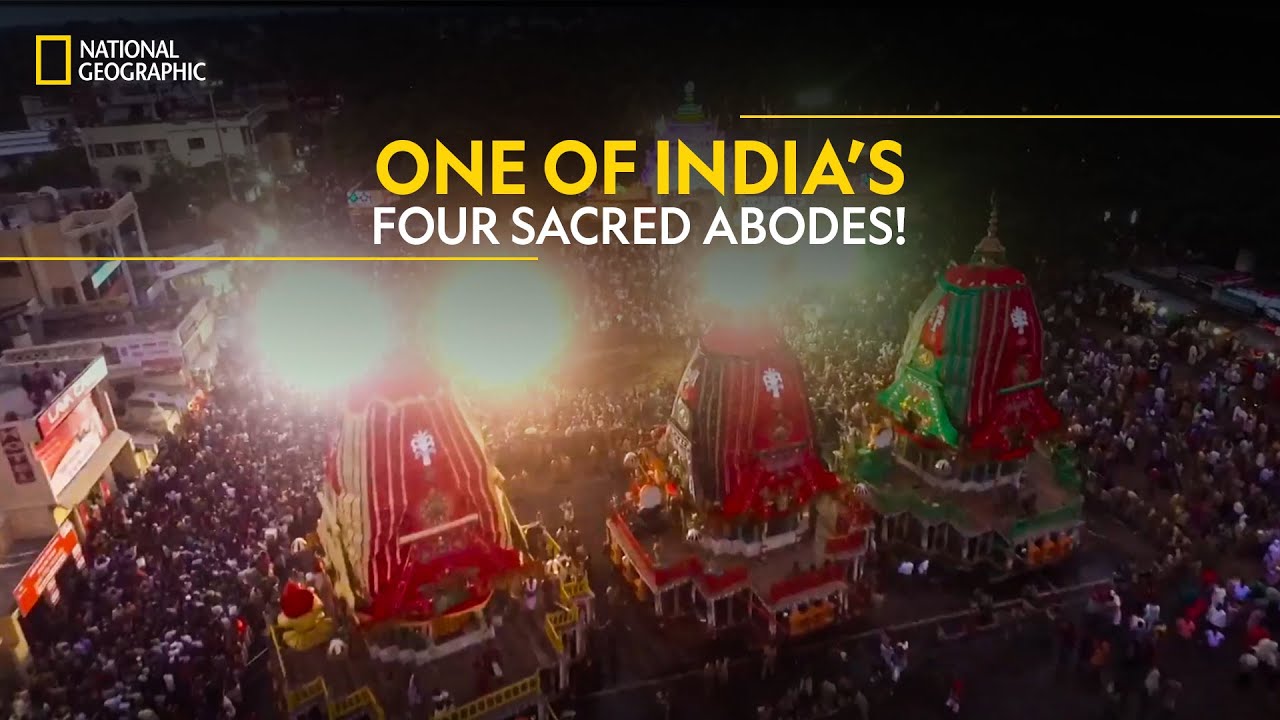
During this famous annual festival, the three deities travel in giant wooden chariots through the streets:
- (a) Nandighosa: The main chariot for Jagannath, standing 45 feet tall.
- (b) Taladhwaja: The chariot for Balabhadra, standing 44 feet tall.
- (c) Darpadalan: The chariot for Subhadra, standing 43 feet tall.
Global Spread of Chariot Celebrations
Today, chariot celebrations modeled after Puri take place in many countries around the world, including Nepal, Bangladesh, and the United States.
Impact on Art, Literature, and Community
The culture of Jagannath influences local music, scroll paintings like Pattachitra, and classical dance like Odissi. Devotional writings by classical poets like Jayadeva and Jagannath Das remain popular across Odisha.
Social Inclusion and Mahaprasad
The temple kitchen prepares a sacred meal called Mahaprasad. People of all backgrounds sit and share this meal together without caste distinctions, promoting social equality and community unity.
Influence on Language and Words
The English word juggernaut comes from the large, powerful motion of the massive wooden chariots during the annual street festival.
⚡ Quick Revision Capsule: Key Elements of the Jagannath Cult
Use this summary table to quickly review the key historical facts, architectural features, and ceremonies before your test.
| Feature Category | Key Details & Elements | Cultural Relevance |
|---|---|---|
| Tribal Origins | Roots in the Sabara tribe; wooden idols made from sacred trees. | Shows the merging of nature worship into Hindu tradition. |
| Main Temple | Built in Puri in the by King Anantavarman Chodaganga Deva. | Prime example of Kalinga architectural style. |
| Sacred Triad | Figures of Jagannath, Balabhadra, and Subhadra. | Represents family harmony and spiritual balance. |
| Nabakalebara | Renewal of wooden figures every using Daru Brahma. | Symbolizes rebirth and continuation of life cycles. |
| Community Meal | Sharing of Mahaprasad among all worshippers. | Breaks social barriers and builds fellowship. |
📝 Summary
The tradition of Lord Jagannath in Odisha offers a clear example of how diverse local beliefs transformed into a major cultural tradition. From its early origins with the Sabara tribe to the grand 12th-century temple built by King Anantavarman Chodaganga Deva, this heritage shapes daily life, literature like works by Jayadeva, and art across Eastern India.
🚀 Quick Revision Points
Essential facts to review before examinations:
- (i) Early idols were made of wood by the Sabara tribe as part of natural worship practices.
- (ii) The Puri temple features main areas like the Jagamohan and Nata Mandir.
- (iii) The replacement of idols occurs during the rare Nabakalebara ceremony.
- (iv) Sharing Mahaprasad helps promote equality across different social groups.
- 💡 Exam Tip: When answering exam questions on temple architecture, highlight the Kalinga style of the Puri Jagannath Temple and mention its main halls like the Jagamohan and Nata Mandir.
❓ Frequently Asked Questions (FAQ)
Q1: What are the tribal roots of Lord Jagannath?
A1: Worship began with the Sabara tribe, who carved simple wooden deity figures from sacred forest trees.Q2: Who constructed the famous Jagannath Temple in Puri?
A2: The temple was constructed in the during the rule of King Anantavarman Chodaganga Deva of the Eastern Ganga dynasty.Q3: What makes the Mahaprasad tradition socially important?
A3: The distribution of Mahaprasad allows people from all social backgrounds to sit together and share food, breaking down old caste barriers.