Night Maintenance Block
The platform is regenerating assets and updating core item pools to align with your daily schedule.
Maintenance Window: 23:45 - 03:45
Rest up. We go live again at exactly 04:00 AM.
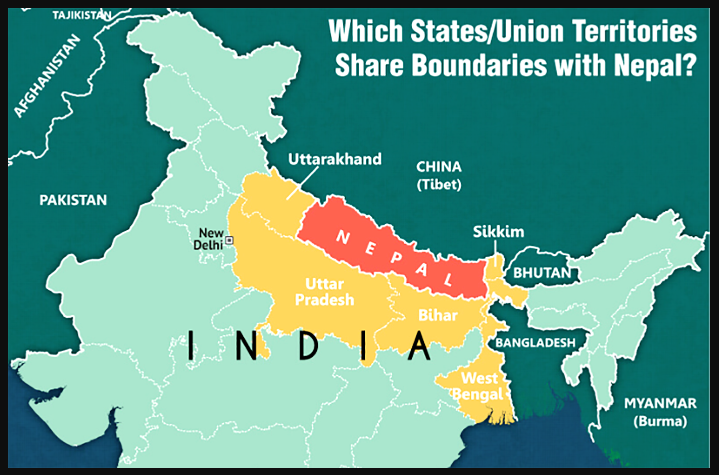
The India-Nepal border, a crucial line of demarcation, spans a significant stretch, engaging five key Indian states and featuring a highly porous nature. Understanding the geographical boundary and the historical context of disputed territories like Kalapani and Susta is paramount for students preparing for geography and international relations sections of competitive exams, offering vital insights into South Asian geopolitics and the foundational Treaty of Sugauli (1816).
The shared border, stretching over a substantial distance, facilitates unique socio-economic and security arrangements between the two nations, primarily running along the Himalayan foothills.

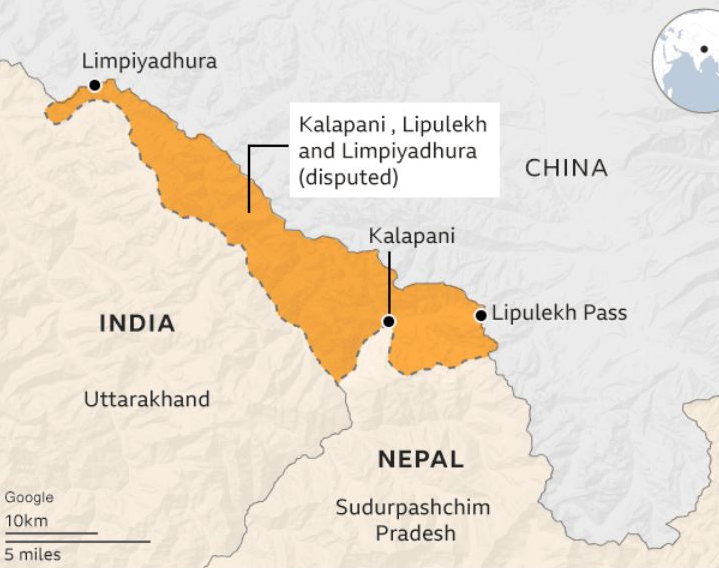
Despite the generally amicable and porous nature of the boundary, two primary regions—Kalapani and Susta—remain points of contention, rooted in colonial-era treaties and river course changes.
The Kalapani valley represents a critical territorial dispute, located along a crucial route and historically tied to the demarcation of Nepal's western boundary. India currently administers this region, but Nepal has continuously asserted its claim, particularly following recent political map reiterations.

The dispute over the Susta area, located along a major river, is a prime example of how natural geographical changes—specifically river course deviation—can complicate and challenge international boundary agreements, leading to persistent tensions.

The India-Nepal border, defined by the proximity of five Indian states—Uttarakhand, Uttar Pradesh, Bihar, West Bengal, and Sikkim—is far more than a simple line on a map; it is a critical geopolitical corridor. Understanding the foundation provided by the Treaty of Sugauli (1816) and the intricacies of the Kalapani and Susta disputes, driven by riverine geography (Kali River and Gandak River), is essential knowledge for students, especially for those preparing for competitive exams like UPSC, which frequently test knowledge of India's international boundaries and associated foreign policy challenges.
Please login to comment and rate.
No comments yet. Be the first!
We are Committed to deliver a hassle free digital experience for all our learners and we will be grateful if you could take a moment to provide a “Google Review“ about your experience with us. it will help us to futher enhance our services for you in the future. Your support helps us grow!
Write ReviewThe platform is regenerating assets and updating core item pools to align with your daily schedule.
Maintenance Window: 23:45 - 03:45
Rest up. We go live again at exactly 04:00 AM.