Bali | Story of *Vanara* — A Different Lens on Bali

?Anand has been one of those people who has adopted neutral storytelling, leaving the perception to the readers… it is interesting to witness how he has put Hanuman and Bali in this book.? — S. S. Rajamouli, filmmaker. This observation beautifully captures the spirit of *Vanara*, a 2018 novel by Anand Neelakantan, a debut Indian writer known for presenting epic characters from unconventional perspectives. His literary works include *Asura: Tale of the Vanquished*, *Ajaya: Roll of the Dice*, *Ajaya: Rise of Kali*, the *Bahubali Trilogy*, *Bhoomija: Sita*, *Shanta*, and *Vanara*. Among these, *Vanara* stands out as a deeply human narrative that re-examines the life of Bali — not merely as a character from the Ramayana, but as a layered, emotional, and heroic figure shaped by destiny, love, and misunderstanding.
At its heart, *Vanara* revolves around a compelling triangle of emotions — the intertwined lives of Bali, Sugreeva, and Tara. The novel traces the journey of Bali and Sugreeva from childhood to adulthood, portraying their growth, rivalry, affection, and eventual estrangement. Both brothers belong to the Vana Nara tribe, and unlike the conventional depiction that reduces them to primitive beings, the novel presents them as thinking, feeling individuals navigating complex circumstances. Bali emerges as the hero of the story — strong, protective, and often misunderstood — while Sugreeva is shown with a different shade of innocence and vulnerability. The narrative does not rush to judge; instead, it quietly unfolds events, allowing readers to decide where sympathy lies.
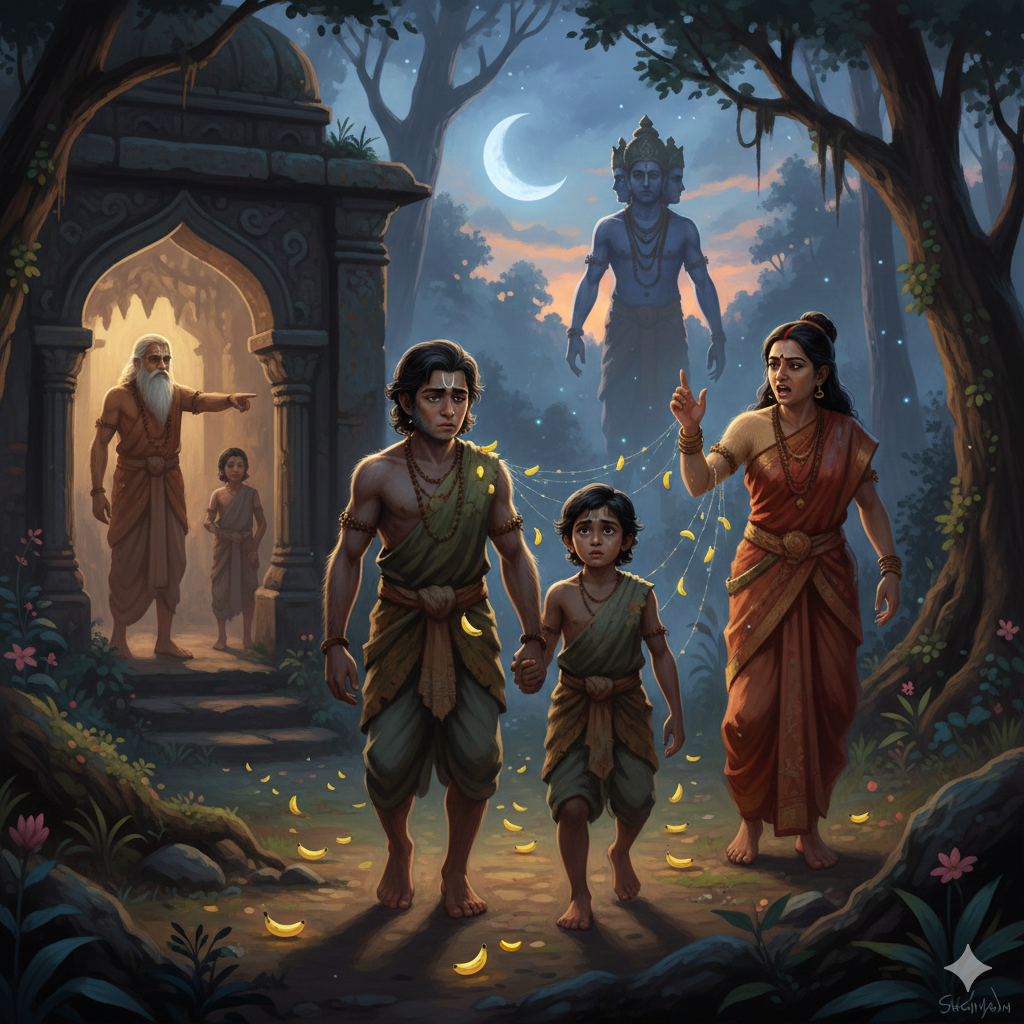
The story begins in their childhood, under the care of the sage Gautama and his wife Ahalya in the peaceful environment of an ashram. During these early years, Sugreeva is the favored one, receiving affection and attention. Bali, though equally present, does not enjoy the same warmth. This subtle difference in treatment quietly plants the seeds of emotional contrast between the two brothers. Then comes a turning point — an incident that changes their lives forever. Sugreeva happens to witness an illicit relationship between Ahalya and Indra. Troubled and confused, he confides in Bali. Here, Bali?s protective instinct surfaces; he warns his younger brother not to reveal what he has seen. But Sugreeva, driven by innocence and perhaps a rigid sense of right and wrong, informs Gautama about the incident.
What follows is dramatic and tragic. Gautama, enraged by the betrayal, punishes Ahalya and castrates Indra. Shame and fury consume Ahalya, and in her anger, she directs a curse at Bali — believing that he was the one responsible for exposing her secret. She curses him that he will one day be killed by his own brother. Imagine the weight of such a curse, especially when placed upon someone who was not even at fault. This moment marks the first major injustice in Bali?s life. He becomes the scapegoat, blamed for an action he did not commit. As a consequence of the turmoil, both Bali and Sugreeva are expelled from the ashram. Their childhood ends abruptly, replaced by uncertainty and exile.
This initial episode is crucial because it shapes the emotional foundation of the novel. It presents Bali as a character burdened by misunderstanding from a young age, while Sugreeva?s innocence, though genuine, becomes the catalyst for unintended destruction. The contrast is subtle yet powerful: Bali exercises caution and loyalty, while Sugreeva?s straightforward honesty triggers consequences neither of them foresaw. Through this beginning, *Vanara* invites readers to reflect on themes of blame, perception, and destiny. Is Bali truly the villain history remembers, or was he a victim of circumstances beyond his control? The novel does not dictate an answer — it simply narrates, leaving the judgment to us.
In retelling Bali?s early life in this manner, Anand Neelakantan challenges the singular narrative of the epic tradition and encourages readers to explore empathy beyond established labels. The story of *Vanara* thus begins not with grandeur, but with childhood, mistake, curse, and exile — the fragile threads that eventually weave the destiny of a hero who history may have misunderstood.





0 Thoughts on this article