🚗🇮🇳 India’s Next Fuel Revolution: From E20 to E100?

After introducing E20 blended petrol (20% ethanol + 80% petrol), the government is now moving toward recognizing high-ethanol fuels like E85 and E100 under the Central Motor Vehicles Rules (CMVR) — a policy signal that India’s clean fuel ambitions may be much bigger than previously imagined.
This is not just a fuel policy update — it is a strategic shift touching energy security, farmers’ income, climate commitments, and the automobile industry.
---
🔍 What Is Changing?
The government is working to formally bring high ethanol-blended fuels into the regulatory framework:
✅ E20
Contains 20% ethanol and 80% petrol
Already being rolled out in phases across India
Many new vehicles are now being designed to be E20-compatible
⚡ E85
Contains 85% ethanol
Requires flex-fuel vehicles (FFVs) capable of running on varying petrol-ethanol blends
Widely used in countries like Brazil
🌱 E100
Nearly 100% ethanol-based fuel
Represents a much deeper move away from fossil fuel dependence
Could become a niche or targeted transport fuel in specific vehicle categories
📌 Key takeaway:
> India is preparing not just for blended petrol, but potentially for a high-ethanol mobility ecosystem.
---
🎯 Why Is India Pushing Ethanol?
1️⃣ Reducing Crude Oil Imports 🛢️⬇️
India imports a major share of its crude oil needs, making the economy vulnerable to:
Global oil price shocks
Geopolitical disruptions
Trade imbalance pressures
More ethanol = less imported petrol dependency
---
2️⃣ Boost to Farmers 🌾
Ethanol is largely produced from: ✔ Sugarcane
✔ Maize
✔ Agricultural biomass
✔ Other feedstocks
This can:
Create new rural income streams
Strengthen agro-industrial supply chains
Support India’s bio-economy
---
3️⃣ Cleaner Emissions 🌍♻️
Higher ethanol blending may help reduce: ✅ Carbon monoxide emissions
✅ Certain particulate pollutants
✅ Net fossil fuel use
This supports India’s:
Climate targets
Energy transition goals
Cleaner urban mobility agenda
---
🚘 How Will It Affect Car Buyers?
If India expands toward E85 / E100, consumers may see:
🔧 Flex-Fuel Vehicles (FFVs)
Cars designed to operate on:
Petrol
E20
E85
Variable blends
This gives fuel flexibility but may require:
Engine redesign
New fuel system materials
Different calibration technology
---
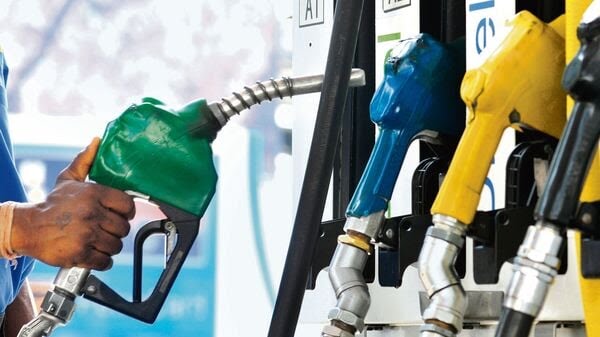
⛽ Fuel Availability Shift
Petrol pumps may gradually offer: ◉ Petrol
◉ E20
◉ E85
◉ Possibly E100 in select markets
India’s fueling landscape could look very different within a decade.
---
💰 Price Dynamics
Potential upside: ✅ Lower fuel cost (depending on production economics)
✅ Reduced import bill nationally
Potential challenge: ⚠ Vehicle adaptation costs
⚠ Feedstock availability concerns
⚠ Food vs fuel debate
---
⚖️ Challenges Ahead
No transition is simple. India still needs to address:
🔸 Large-scale ethanol production capacity
🔸 Water-intensive crop concerns (especially sugarcane)
🔸 Nationwide fuel distribution infrastructure
🔸 Vehicle compatibility standards
🔸 Long-term sustainability of feedstock supply
---
🧠 Current Affairs / UPSC Angle
This topic connects with:
📚 Energy Security
📚 Biofuels Policy
📚 Climate Change Mitigation
📚 Agricultural Economics
📚 Green Mobility Transition
📚 Sustainable Development Goals (SDGs)
✨ Fact to Remember
> India’s ethanol roadmap is evolving from E20 blending toward possible recognition of E85 and E100 fuels — signaling a long-term flex-fuel future.
---
📌 Bottom Line
India’s fuel transition is no longer just about adding ethanol to petrol — it is about reimagining the future of mobility.
🚜 Farmers may benefit
🚗 Automobiles may transform
🛢️ Oil dependence may reduce
🌍 Climate goals may gain momentum
The fuel in your next car may look very different from today. 🔋⚡🇮🇳
🎥 Watch explainer: https://www.youtube.com/watch?v=N8lSG1sNBco





0 Thoughts on this article