The Monetary Policy of India serves as the foundational mechanism for regulating the nation’s economic system, acting as a strong instrument to refine the overall economic health of the country. Since the , it has remained an essential part of broader economic policy, specifically tasked with balancing steady economic growth, social fairness, and price stability while protecting the strength of the Indian Rupee.
🎯 In this chapter, you will understand:
- The core goals of Indian monetary policy, including price stability and economic growth.
- How structural factors like public debt and non-cash sectors affect policy decisions.
- The shift toward reserve money as a primary target for controlling market liquidity.
- Quantitative and qualitative tools used by the Reserve Bank of India to manage credit.
💡 Why this topic matters: Understanding monetary policy reveals how central banks manage inflation, interest rates, and overall money supply to keep the national economy stable.
🧠 Core Idea: The Reserve Bank of India uses targeted financial controls and interest rate adjustments to balance economic growth with price stability.
Theoretical Framework and Objectives of Monetary Policy
In general economic study, experts agree on the power of monetary policy to bring structural improvements. In India, policy objectives align directly with national priorities. While maintaining stable prices is the main focus, policy actions also promote social fairness by guiding affordable credit to weaker sections of society. The Reserve Bank of India operates on the principle that keeping prices stable is a necessary step for achieving lasting economic growth.
Importance of Monetary Policy in Economic Literature
The main value of this policy lies in managing overall cash flow and controlling inflation without slowing down productive business sectors. It acts as the primary defense against economic swings.
Analyze Determinants of Policy Design and Implementation
The success of monetary policy depends on specific conditions within the Indian economy. Important factors include how much cash people hold relative to total money supply and the need to manage government borrowing. Additionally, a large non-cash economy in rural areas presents a unique challenge that requires active efforts to expand banking access beyond standard interest rate changes.
- (i) The size of national public debt affects government borrowing costs and demands close coordination between fiscal and monetary planners.
- (ii) The rural non-cash sector requires specialized credit programs to bring informal trade into the organized banking network.
Monetary Policy Targets and Market Anchoring
Because policy tools directly influence business and consumer behavior, choosing the correct target is essential for setting clear expectations and keeping inflation under control across the economy.

Develop Strategic Targets for Monetary Stability
In earlier years, the central bank focused mainly on total money supply and commercial bank lending levels. However, the modern system relies on reserve money and specific bank reserves as its primary operational targets. To fine-tune this process, short-term interest rates are adjusted regularly to provide real-time guidance on available cash across the banking system.
Major Instruments of Monetary Policy
To fulfill its responsibilities, the central bank uses a combination of direct quantitative tools and selective qualitative measures to manage both the cost and availability of credit throughout the country.
Deploying Core Monetary Instruments for Credit Control
As highlighted by Balachandran (1998), monetary strategy centers on managing total money supply using specific technical tools:
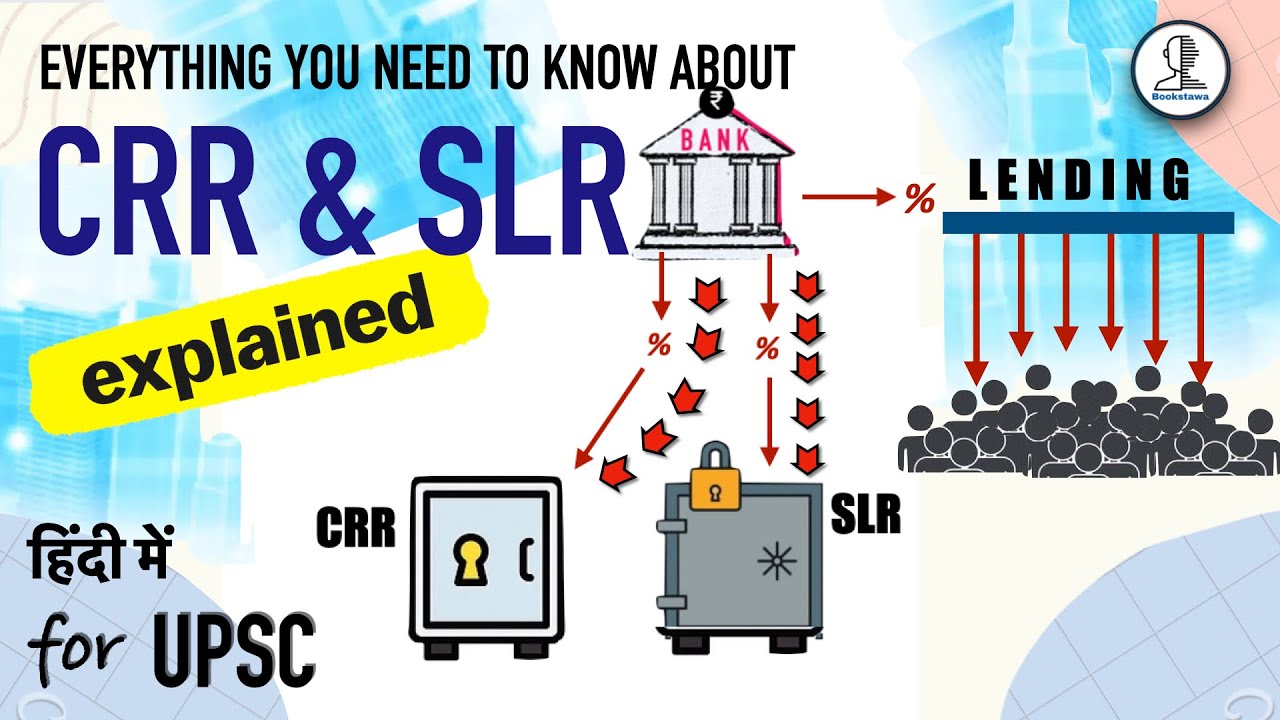
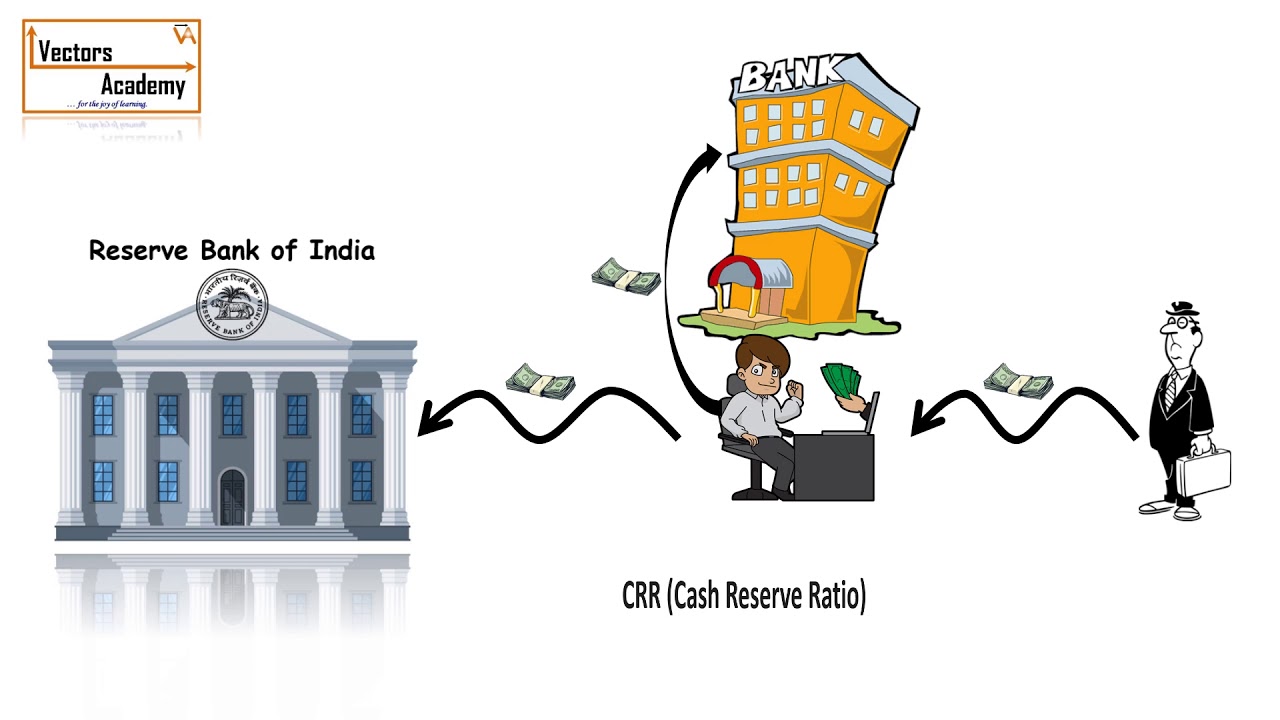
Key Instruments Used by RBI to Regulate Liquidity and Credit Flow - Cash Reserve Ratio (CRR) and Statutory Liquidity Ratio (SLR): Percentage requirements that dictate how much liquid cash and reserves banks must hold.
- Open Market Operations (OMO): Buying and selling government securities in the open market to adjust available cash directly.
- Bank Rate and Interest Rate Policy: Central interest benchmarks that determine overall borrowing costs across financial markets.
- Refinancing Facilities: Dedicated credit support options designed to help financial institutions handle short-term liquidity needs.
Monetary Policy Framework and Role of the Reserve Bank of India
The central bank considers monetary control its main responsibility, approaching this duty with a clear focus on supporting broader national development.
Strengthening India's Financial Sector Architecture
Beyond standard regulation, the central bank maintains an institutional commitment to strengthening the entire financial network. This work includes expanding organized credit access and keeping borrowing costs fair for long-term investments without creating inflation risks. Since independence, the central bank has acted as both an official regulator and a supportive partner in economic development.
⚡ Quick Revision Capsule: Key Instruments of Indian Monetary Policy
This table summarizes the core tools used by the central bank to manage market liquidity and credit growth.
| Policy Tool | Primary Function | Impact on Banking System |
|---|---|---|
| Cash Reserve Ratio (CRR) | Sets the share of deposits banks must keep as cash with the central bank. | Directly limits or expands commercial bank lending capacity. |
| Statutory Liquidity Ratio (SLR) | Requires banks to hold a percentage of deposits in approved safe assets. | Ensures bank solvency and directs funds into government bonds. |
| Open Market Operations (OMO) | Involves buying or selling government securities directly in the open market. | Adds cash to or absorbs excess money from the financial system. |
| Bank Rate & Repo Rate | Determines benchmark rates for central bank lending to commercial banks. | Influences consumer borrowing costs and general deposit rates. |
| Refinancing Facilities | Offers short-term loans to specific sectors and banking institutions. | Provides targeted relief during period of temporary cash shortages. |
📝 Summary
The monetary policy framework in India is a multi-layered strategy that uses price stability as a foundation for economic growth and social fairness. By applying target tools like reserve money alongside ratio rules such as CRR and SLR, the Reserve Bank of India helps maintain macroeconomic stability. Overall success relies on managing public debt carefully and gradually bringing rural non-cash trade into the organized banking system.
🚀 Quick Revision Points
Essential facts to review before examinations:
- (i) Indian monetary policy balances stable prices, steady economic growth, and fair access to credit.
- (ii) Operational focus has shifted over time toward reserve money as a key policy anchor.
- (iii) Rural non-cash trading and public debt levels remain major factors in policy design.
- (iv) Policy tools are divided into quantitative measures like CRR/SLR and targeted sector controls.
- 💡 Exam Tip: When writing exam answers, clearly distinguish between quantitative tools (CRR, SLR, OMO) that affect total money supply and qualitative tools that direct credit to specific sectors.
❓ Frequently Asked Questions (FAQ)
Q1: What forms the core tri-fold focus of India's monetary architecture?
A1: The framework prioritizes keeping domestic prices stable, encouraging steady economic growth, and ensuring fair access to credit across all social sectors.Q2: Why does a non-monetised sector complicate central bank operations in India?
A2: Rural areas operating on non-cash trade do not react directly to interest rate changes, making direct expansion of banking branches and formal credit necessary.Q3: What serves as the primary intermediate target for the modern RBI framework?
A3: The policy framework focuses mainly on reserve money and specific commercial bank reserves to pass liquidity signals smoothly across money markets.