Climate change 🌍 and global warming are among the most critical environmental challenges of the 21st century, impacting ecosystems, human life, and economies worldwide. This detailed guide explores key international policies like the Kyoto Protocol and Paris Agreement, highlighting their significance for students and exam preparation on climate studies, environmental science, and global policy 🌱.
🎯 In this chapter, you will understand:
- The drivers of climate change and greenhouse gas emissions.
- The framework and targets of the Kyoto Protocol and Paris Agreement.
- The foundational role of the UNFCCC established at the 1992 Earth Summit.
- The ecological impacts including sea level rise, extreme weather, and biodiversity loss.
💡 Why this topic matters: Understanding international environmental policy and climate science is essential for academic exams and global citizenship.
🧠 Core Idea: Global cooperation through structured treaties is required to curb greenhouse gas emissions and protect natural ecosystems.
Climate Change 🌡️, Global Warming Impacts, and International Policies (2025)
Understanding climate change, its consequences, and global strategies to mitigate it is essential for environmental awareness and academic preparation 📚.
Understanding Climate Change
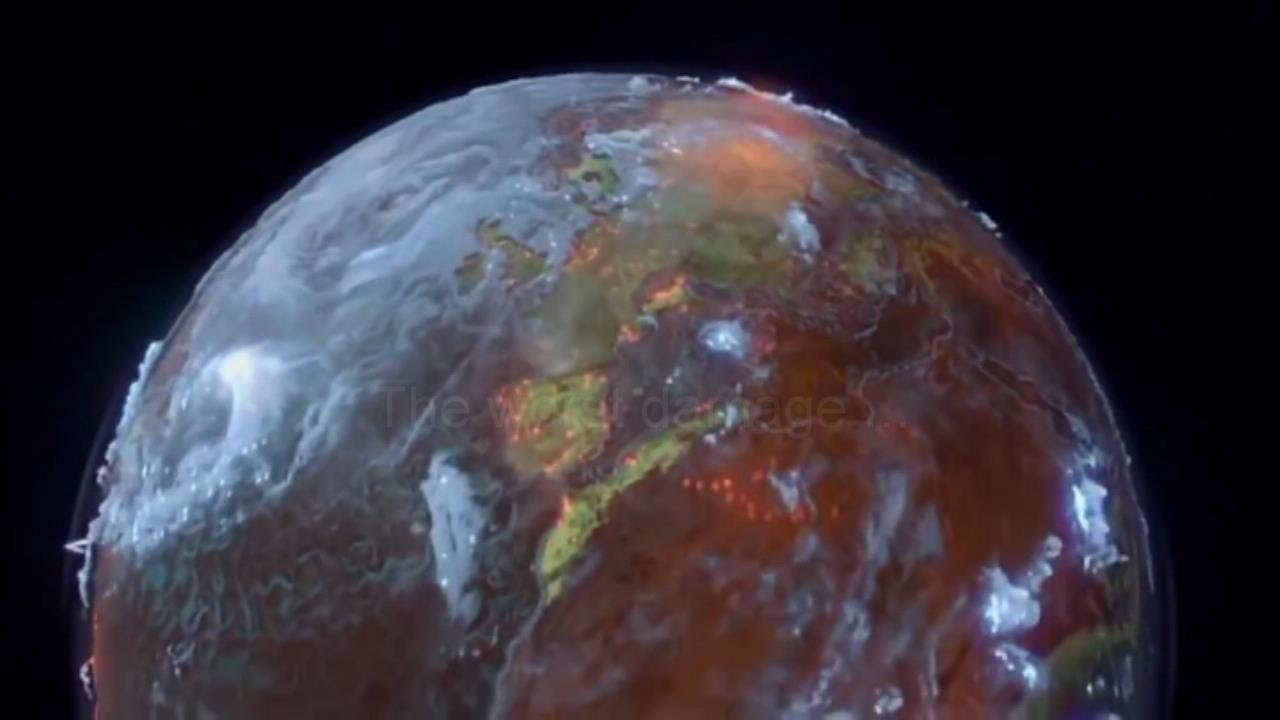
Climate change is primarily driven by greenhouse gas emissions from human activities, leading to global warming, sea level rise 🌊, extreme weather 🌪️, and biodiversity loss 🐾.
- (i) Greenhouse gas emissions include CO₂, CH₄, and N₂O from industry, transport, and agriculture.
- (ii) Rising global temperatures result in melting glaciers ❄️, desertification 🌵, and shifting climatic patterns.
- (iii) International cooperation is crucial to manage these environmental challenges and implement effective mitigation strategies 🤝.
Kyoto Protocol 🌿: Greenhouse Gas Emission Reductions and Carbon Trading
The Kyoto Protocol was a pioneering international treaty aimed at reducing greenhouse gas emissions and promoting sustainable environmental practices 🌱.

Adoption, Enforcement, and Targets
Key legal timelines and target structures set under the protocol:
- (i) Adopted in and enforced in , it marked the first binding commitment for developed nations.
- (ii) Set specific emission reduction targets for developed countries to curb global warming 🌡️.
- (iii) Introduced carbon trading mechanisms to provide flexibility in meeting targets while promoting clean energy solutions 💨.
Impact and Challenges
Evaluation of the protocol's global reach and outcomes:
- (a) Helped establish accountability for emissions among industrialized nations 🌏.
- (b) Faced challenges due to non-participation of some countries and limited enforcement mechanisms ⚠️.
- (c) Laid the groundwork for future agreements like the Paris Agreement in 🔗.
Paris Agreement 🌎: Limiting Global Warming and International Commitments
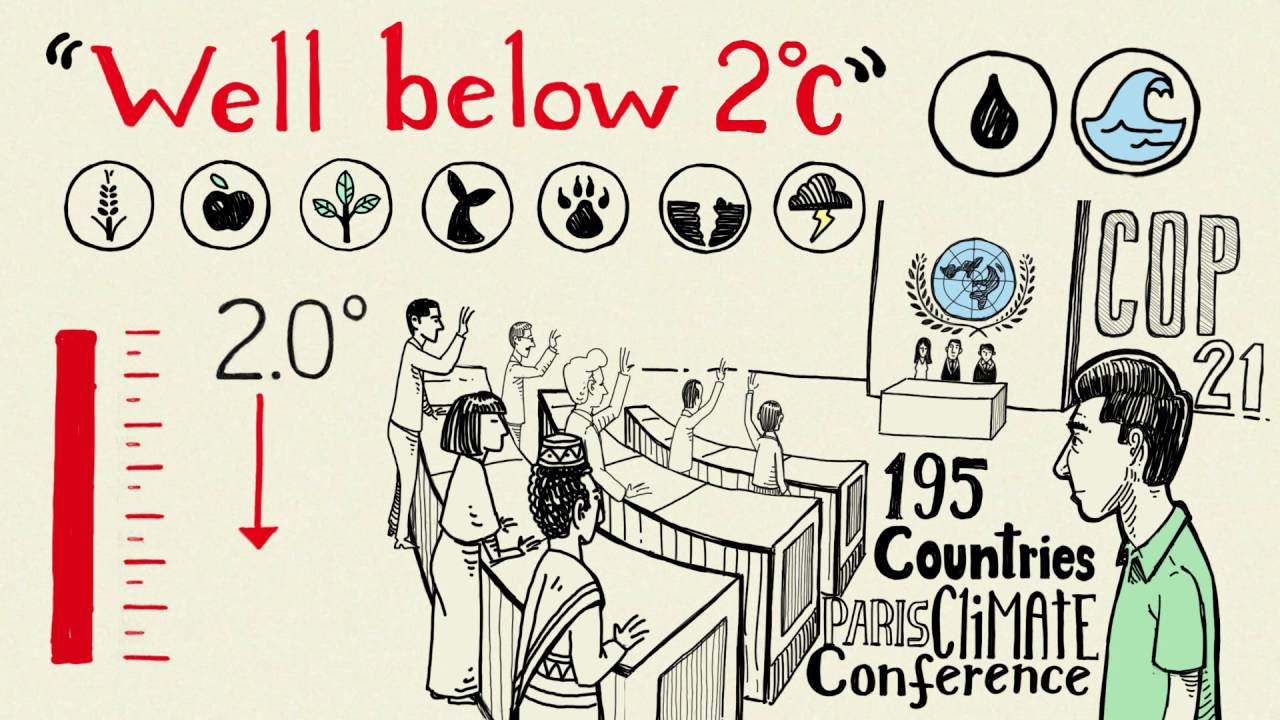
The Paris Agreement is a milestone in climate diplomacy, bringing together all countries to collectively limit global warming 🔥.
Objectives and Temperature Goals
The central goals established by the treaty:
- (i) Adopted in under the UNFCCC, aims to limit global temperature rise below 2°C, ideally to 1.5°C 🌡️.
- (ii) Inclusive of both developed and developing nations, unlike the Kyoto Protocol 🌍.
- (iii) Encourages submission of Nationally Determined Contributions (NDCs) for emission reduction 🌱.
Implementation and Global Cooperation
How nations work together under the accord:
- (a) Promotes renewable energy adoption, carbon neutrality, and sustainable development goals ♻️.
- (b) Requires regular review of progress and international reporting 📊.
- (c) Strengthens global collaboration to combat climate change effectively 🤝.
UNFCCC 🌐: Foundation for Climate Change Negotiations and Global Agreements
The United Nations Framework Convention on Climate Change (UNFCCC) is the foundation treaty guiding international climate action and policy 📜.
Establishment at the Earth Summit
Historical origins and legal authority:
The 1992 Rio Earth Summit establishing the UNFCCC framework. - (i) Adopted at the Earth Summit in Rio de Janeiro in 🌴.
- (ii) Serves as the legal and institutional framework for subsequent agreements like Kyoto and Paris 🏛️.
- (iii) Promotes dialogue, research, and reporting on climate change impacts and mitigation strategies 📚.
⚡ Quick Revision Capsule: Climate Treaties & Impacts
A structured comparison of major global climate frameworks and their key features:
| Framework / Policy | Adoption Year | Key Focus & Targets |
|---|---|---|
| UNFCCC | Foundational framework adopted at the Earth Summit in Rio de Janeiro. | |
| Kyoto Protocol | Binding emission reduction targets and carbon trading for developed nations. | |
| Paris Agreement | Limiting global warming to 1.5°C–2°C via Nationally Determined Contributions (NDCs). | |
| Greenhouse Gases | Ongoing | Reduction of CO₂, CH₄, and N₂O to curb global warming. |
| Key Climate Impacts | Ongoing | Sea level rise 🌊, extreme weather 🌪️, and biodiversity loss 🐾 as detailed in UNFCCC Reports. |
📝 Summary
Understanding climate change 🌡️, global warming, and international agreements like the Kyoto Protocol () and Paris Agreement () is crucial for students and environmental enthusiasts 📚. These policies guide global efforts to mitigate impacts such as sea level rise 🌊, extreme weather 🌪️, and biodiversity loss 🐾, promoting sustainable development and international cooperation 🤝.
🚀 Quick Revision Points
Essential facts to review before examinations:
- (i) Human activities increase greenhouse gas emissions (CO₂, CH₄, N₂O), accelerating global warming.
- (ii) The Kyoto Protocol (1997) introduced binding targets for developed nations and carbon trading mechanisms.
- (iii) The Paris Agreement (2015) unites all nations to limit warming ideally to 1.5°C using NDCs.
- (iv) Climate impacts include rising sea levels, extreme weather events, and severe losses to ecosystems as documented in Climate Study Guides.
- 💡 Exam Tip: Pay special attention to the structural differences between the Kyoto Protocol (target-based for developed nations) and the Paris Agreement (inclusive NDCs for all nations).
❓ Frequently Asked Questions (FAQ)
Q1: What are the primary greenhouse gases responsible for climate change?
A1: The main greenhouse gases are carbon dioxide (CO₂), methane (CH₄), and nitrous oxide (N₂O) produced by industrial, transport, and agricultural activities.Q2: What is the main goal of the Paris Agreement?
A2: The Paris Agreement aims to keep global temperature rise well below 2°C above pre-industrial levels, pursuing efforts to limit it to 1.5°C through Nationally Determined Contributions (NDCs).Q3: Where was the UNFCCC established?
A3: The UNFCCC was established at the landmark Earth Summit in Rio de Janeiro in , as noted in major environmental policy records.