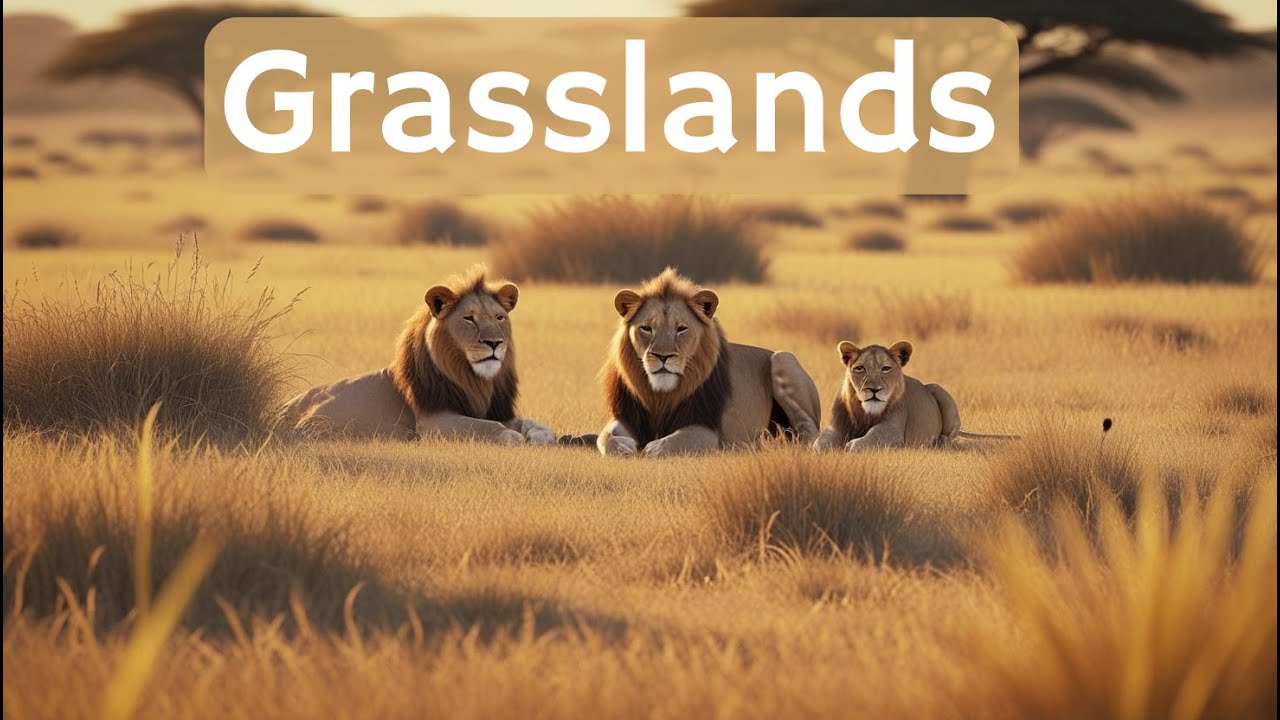
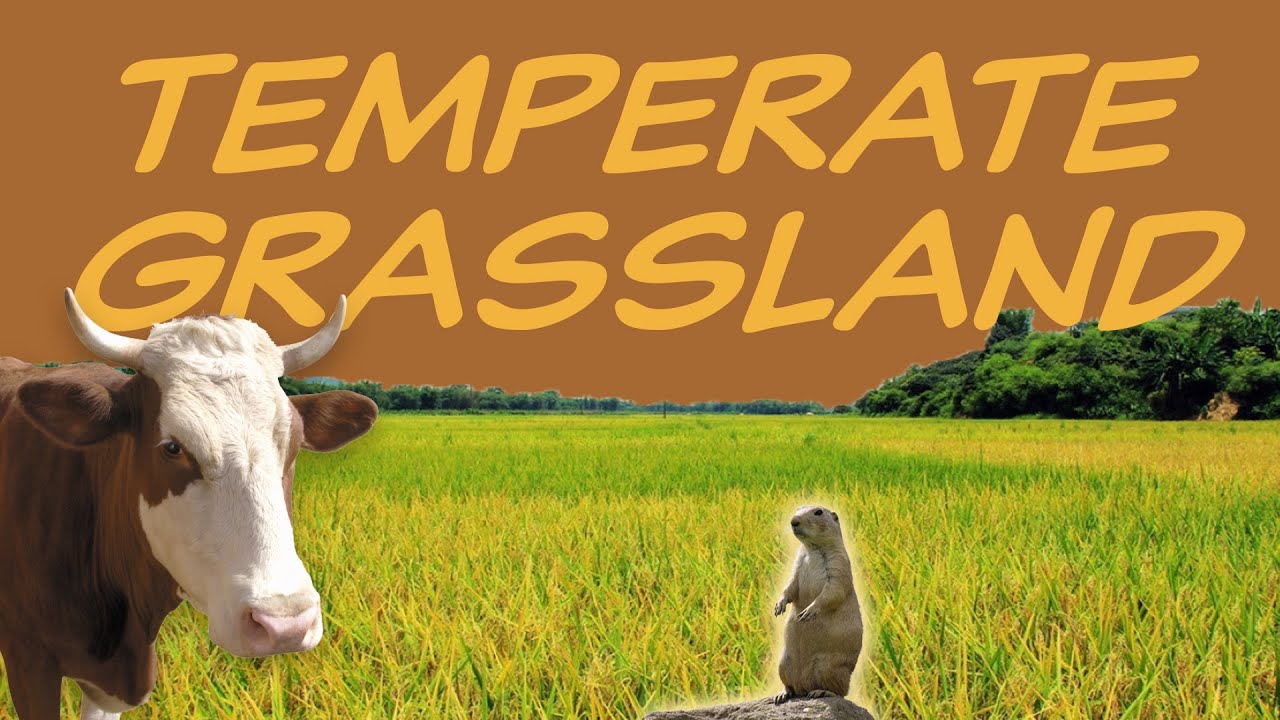
The Temperate Grasslands Biome is an important land environment known for its mostly grassy landscape with very few trees. Found in regions north and south of the tropics, these areas show distinct weather patterns, plant life, and animal communities. They are especially relevant for students studying nature, geography, and environmental science. Learning about their location, plant and animal survival traits, and human effects is essential for test preparation and environmental study.
🎯 In this chapter, you will understand:
- The main physical features and worldwide locations of temperate grasslands.
- How dominant grass species and medicinal plants survive dry conditions.
- How native animals adapt to open spaces and harsh seasonal weather.
- The severe ecological effects of farming, grazing, and human activity.
💡 Why this topic matters: Temperate grasslands feed vast agricultural networks, but over-farming and human expansion make them some of the most endangered biomes on Earth.
🧠 Core Idea: Low rainfall, seasonal temperature shifts, natural fires, and grazing animals work together to keep trees out and allow hardy grasses to thrive.
Temperate Grasslands Biome: Characteristics, Distribution, Flora, Fauna, and Human Impact
Temperate grasslands are huge open areas filled mainly with grass, holding great environmental, climate, and economic value.
These natural regions sit mostly in the middle latitudes of Earth. They are marked by low rain levels, strong hot and cold seasons, and very few trees. Their natural balance relies on surviving dry spells, fires, and animal grazing, which prevent trees from growing and help grasses stay dominant.
- (i) Worldwide Locations: Found in North America (Plains and Prairies), South America (Pampas), Europe (Puszta), Russia and China (Steppes), South Africa (Veldts), and Australia and New Zealand (Downs).
- (ii) Weather Patterns: Temperatures range from –40°C in freezing winters to 38°C in hot summers, with an average yearly rainfall of 500–800 mm. How well grass grows is heavily tied to rain amounts.
- (iii) Natural Forces: Frequent dry periods and natural fires play essential roles in stopping tree growth and preserving the grassy landscape.
Flora of Temperate Grasslands
Plant life in temperate grasslands is built to handle dry weather and big temperature swings. Heavy grass growth dominates the land and feeds local plant-eating animals.

Dominant Grass Species
Dry steppe regions feature main grass types that typically reach up to 30 cm in height. These plants easily handle low rain amounts and low-nutrient soils.
- (i) Purple needle grass: Extremely tough during dry spells and regularly planted to protect topsoil.
- (ii) Blue grama: Grows in thick turf pads and provides vital food for grazing herds.
- (iii) Buffalo grass: Handles high summer heat well and supports farm pastures.
- (iv) Sagebrush: Strong-smelling woody shrub that helps hold topsoil in place.
- (v) Spear grass: Handles continuous eating by grazing animals.
- (vi) Cacti: Water-storing desert plants designed for very dry environments.
- (vii) Galleta: Has deep-growing roots that play a key role in stopping soil washing away.
Notable Medicinal Plants
Temperate grasslands also nourish special wild plants with high value for human health treatment.
- (i) 'Sweet' (Adonis vernalis): Wild plant used as a calming agent and a remedy for heart and kidney conditions.
- (ii) Other native herbs: Regularly used in traditional healing practices and land repair work.
Fauna of Temperate Grasslands and Human Impacts
Animal life in temperate grasslands features a rich mix of plant eaters, hunters, and wild birds built for open plains. However, these natural habitats face heavy pressure from human activities.
Key Animal Species
Local wildlife developed special physical traits to survive harsh weather extremes and limited open water sources.
Grassland herbivores play a pivotal role in maintaining ecosystem health through natural grazing. - (i) Bison: Heavy plant-eating mammals that keep grassland soil and plants healthy through natural grazing.
- (ii) Saiga antelope: Built for cold, dusty plains with a special flexible nose that filters out airborne dirt.
- (iii) Coyotes and Bobcats: Medium-sized hunters that keep small mammal numbers under control.
- (iv) Wolves: Main top predators that keep the entire animal community in a healthy balance.
- (v) Prairie chickens: Ground-nesting wild birds that rely entirely on tall grass cover for protection and nesting.
- (vi) Badgers: Underground digging mammals whose burrows help air reach deep into the soil.
- (vii) Eagles, Hawks, and Owls: Sharp-eyed hunting birds that keep rodent numbers from growing too high.
- (viii) Snakes: Ground reptiles that feed on small backboned animals and destructive crop insects.
Human Impacts on Temperate Grasslands
Human actions including ranching cattle, farming wheat, over-grazing, land ploughing, and artificial watering cause severe natural damage.
- (i) Loss of homes for wildlife: Clearing natural grass fields for crop farms severely reduces native animal numbers.
- (ii) Soil damage: Keeping too many farm animals and ploughing dirt speeds up wind erosion and ruins soil fertility.
- (iii) Arrival of non-native species: Outside plants and animals enter the area and disrupt natural food chains.
- (iv) Changing climate conditions: Shifts in rain cycles and rising heat make survival difficult for native plants and animals.
⚡ Quick Revision Capsule: Temperate Grasslands Biome Summary
This reference overview outlines the primary global regions, physical features, plant and animal traits, and conservation challenges of temperate grasslands.
| Feature Category | Key Elements & Examples | Ecological Role / Significance |
|---|---|---|
| Regional Names | Prairies (North America), Pampas (South America), Steppes (Eurasia), Veldts (South Africa), Downs (Australia) | Shows the global spread of mid-latitude temperate grasslands. |
| Climate Profile | Temps range from -40°C to 38°C; rainfall averages 500–800 mm yearly | Limits tree growth and creates prime conditions for tall and short grass species. |
| Key Flora | Purple needle grass, Blue grama, Buffalo grass, Sagebrush, Cacti, Adonis vernalis | Stops soil erosion, stores scarce water, and offers medicinal benefits. |
| Key Fauna | Bison, Saiga antelope, Coyotes, Wolves, Prairie chickens, Badgers, Hawks, Snakes | Maintains soil health through burrowing and balances prey populations through natural food webs. |
| Human Threats | Wheat farming, land ploughing, overgrazing, habitat loss, alien species invasion | Causes soil erosion, habitat loss, and long-term decline in native biodiversity. |
📝 Summary
The temperate grasslands biome is a worldwide ecosystem defined by dominant grass cover, modest rainfall, and extreme seasonal temp shifts. Its wide range of plant and animal life shows incredible natural survival traits, though human farm expansion and land clearing increasingly endanger its future. Understanding its global locations, plant and animal traits, and soil dynamics is crucial for geography and environmental science students as well as overall conservation work.
🚀 Quick Revision Points
Essential facts to review before examinations:
- (i) Temperate grasslands occur in mid-latitudes and are known by regional names like Prairies, Pampas, Steppes, and Veldts.
- (ii) Low rain, dry spells, and frequent fires stop trees from taking over, letting deep-rooted grasses dominate.
- (iii) Plants like Adonis vernalis offer medicinal value, while deep-rooted grasses protect topsoil from wind erosion.
- (iv) Native wildlife adapt to wide open plains, though heavy wheat farming and cattle grazing damage their natural habitat.
- 💡 Exam Tip: When answering exam questions on grassland biomes, always link regional names (e.g., Pampas, Steppes, Prairies) to their specific continent and explain how fire and low rainfall prevent tree growth.
❓ Frequently Asked Questions (FAQ)
Q1: Why are there so few trees in temperate grasslands?
A1: Trees struggle to survive due to low annual rainfall (500–800 mm), dry summer weather, frequent natural fires, and heavy grazing by local herds.Q2: What are some local names for temperate grasslands around the world?
A2: They are called Prairies in North America, Pampas in South America, Steppes in Europe and Asia, Veldts in South Africa, and Downs in Australia.Q3: How do human activities threaten the temperate grassland biome?
A3: Humans turn natural grasslands into large wheat fields and pastures. Overgrazing cattle and deep ploughing destroy wild animal habitats, erode healthy topsoil, and lower overall species numbers.