Understanding the different parts of our surrounding environment helps us manage nature and human growth in a balanced way. Whether preparing for competitive studies or building practical awareness, learning how natural ecological systems interact with human creations is essential.
🎯 In this chapter, you will understand:
- The fundamental components that make up our natural environment.
- How human activity shapes and builds infrastructural spaces.
- The ways humans interact with nature and why sustainability matters.
- Key environmental policies and international agreements safeguarding our planet.
💡 Why this topic matters: It explains the delicate balance between natural living spaces and human growth, showing how we can protect the planet while supporting society.
🧠 Core Idea: The environment consists of two main pillars—natural systems formed without human involvement, and built systems designed by humans—which constantly interact and affect global sustainability.
Comprehensive Understanding of Environment Categories: Natural vs. Built
Our environment can be broadly divided into distinct categories based on whether elements occur naturally or are constructed by human activity.
Natural Environment: Components and Characteristics
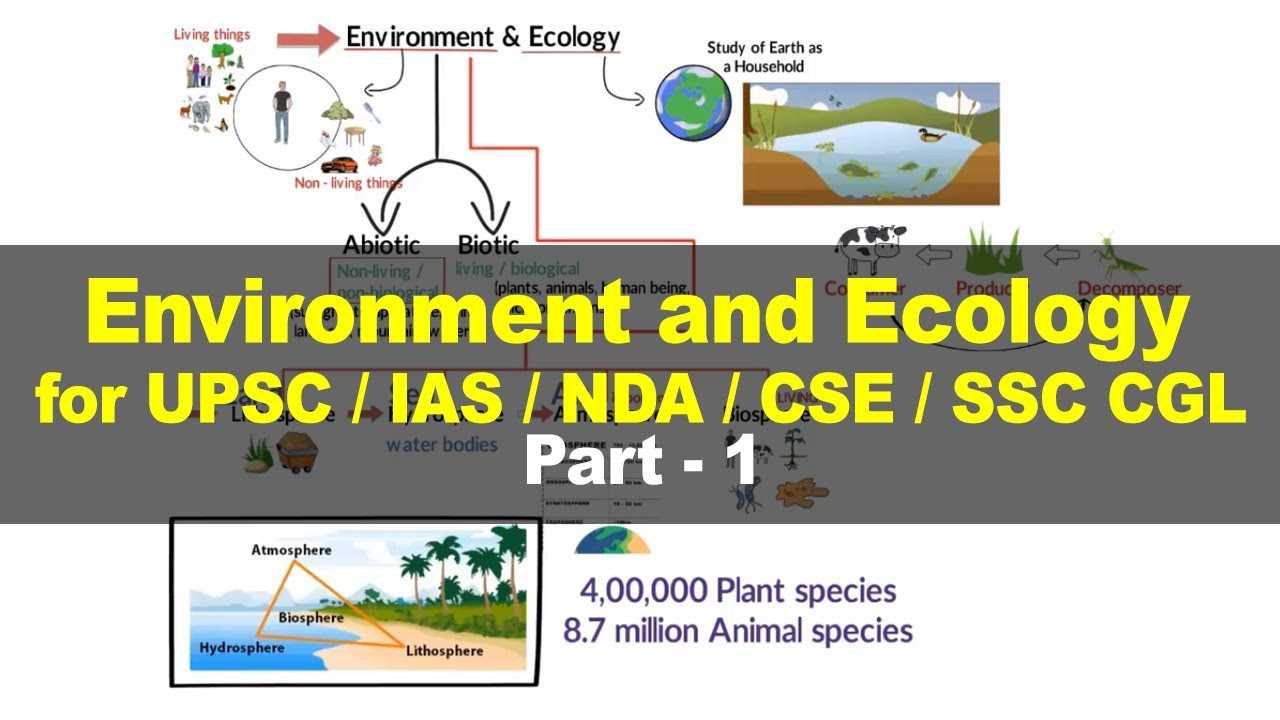
The natural environment consists of living and non-living entities that occur naturally without human intervention.
It can be classified into the following key components:
- (i) Atmosphere: The gaseous covering surrounding Earth, vital for climate control and weather systems.
- (ii) Hydrosphere: All water forms including oceans, lakes, rivers, and groundwater reserves.
- (iii) Lithosphere: The solid outer section of Earth containing soil layers and mineral resources.
- (iv) Biosphere: The combined global network of all ecosystems and living organisms.
Built Environment: Human-Made Surroundings and Infrastructure
The built environment covers all human-created spaces where activities take place.

Comparison of natural habitats and human-built infrastructural areas. Main elements include:
- (i) Urban Areas: High-density settlements with infrastructure and population concentration.
- (ii) Infrastructure:Roadways, bridges, airports, and other structural systems essential for daily life.
- (iii) Buildings: Spaces for residential, commercial, and industrial use.
- (iv) Industrial Areas: Specialized zones for manufacturing and large-scale production.
Human-Environment Interaction: Impact, Sustainability, and Management
This segment studies how humans engage with both natural and built systems.
Critical concerns include:
- (i) Environmental Impact: Consequences of human activities such as pollution, forest clearance, and climate alterations.
- (ii) Sustainable Development: Achieving present needs without harming future generations’ ability to thrive.
- (iii) Resource Management: Responsible usage of water, minerals, forests, and other resources.
- (iv) Conservation Efforts: Measures to safeguard wildlife and natural habitats.
Environmental Policies and Laws: Regulation and Sustainability Initiatives
Governments and global agencies implement policies and legal frameworks to limit ecological harm.
Major areas include:
- (i) Environmental Protection Acts: Laws designed to conserve resources and reduce contaminants.
- (ii) International Agreements: Treaties such as the Paris Agreement tackling worldwide environmental challenges.
- (iii) Regulatory Bodies: Authorities enforcing environmental compliance and policies.
- (iv) Sustainability Initiatives: Projects encouraging renewable energy adoption and eco-conscious lifestyles.
Conclusion: Significance of Understanding Environmental Categories
Recognizing the environment’s classification is essential for informed UPSC preparation.
It fosters understanding of how natural systems and human-made environments interact, shaping sustainable policy-making and conservation strategies.
⚡ Quick Revision Capsule: Environment Categories Comparison
A quick comparison overview between natural systems and built human infrastructure:
| Category | Key Components | Primary Function / Focus |
|---|---|---|
| Natural Environment | Atmosphere, Hydrosphere, Lithosphere, Biosphere | Sustains ecological processes and natural life without human intervention. |
| Built Environment | Cities, Roads, Buildings, Industrial Zones | Provides structured space for human living, work, and transportation. |
| Human Interaction | Resource Use, Pollution, Land Clearing | Determines the ecological impact of human development on nature. |
| Policy & Regulation | Protection Acts, International Treaties like Paris Agreement | Enforces compliance to ensure sustainability for future generations. |
📝 Summary
The environment is split into natural ecosystems and human-built surroundings. Balancing human growth with natural preservation requires smart resource management, strong regulations like the Paris Agreement, and sustainable practices over time.
🚀 Quick Revision Points
Essential facts to review before examinations:
- (i) The natural environment includes four core spheres: atmosphere, hydrosphere, lithosphere, and biosphere.
- (ii) The built environment comprises all infrastructure and constructed spaces created by human society.
- (iii) Sustainable development ensures current needs are met without compromising future generations.
- (iv) Key global frameworks like the Paris Agreement guide regulatory protection against ecological damage.
- 💡 Exam Tip: Focus on understanding how natural spheres interact with human activities, as questions often focus on sustainable development and environmental governance policy!
❓ Frequently Asked Questions (FAQ)
Q1: What is the main difference between a natural environment and a built environment?
A1: A natural environment consists of living and non-living elements formed without human involvement, whereas a built environment includes human-made structures and infrastructure.Q2: What are the four key components of the natural environment?
A2: The four components are the atmosphere (air), hydrosphere (water), lithosphere (land/soil), and biosphere (living systems).Q3: Why are environmental policies like the Paris Agreement important?
A3: Frameworks like the Paris Agreement establish global rules and goals to reduce pollution, promote renewable energy, and ensure sustainable development.