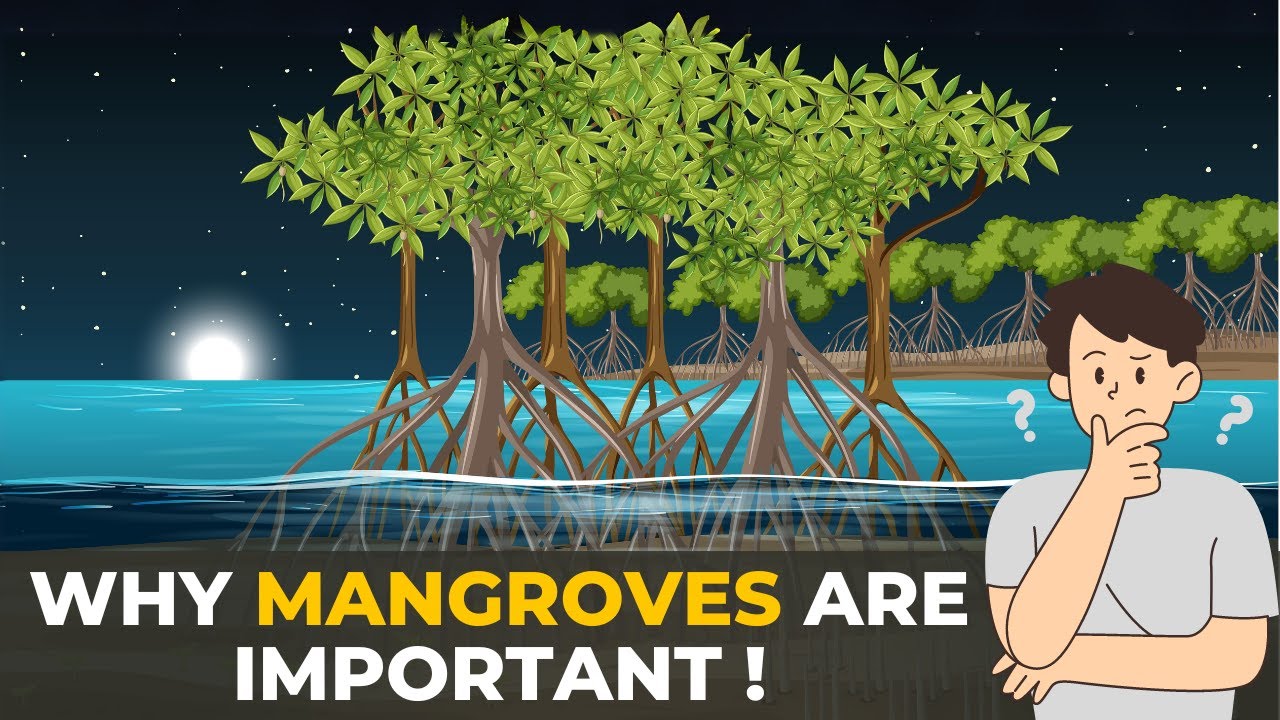
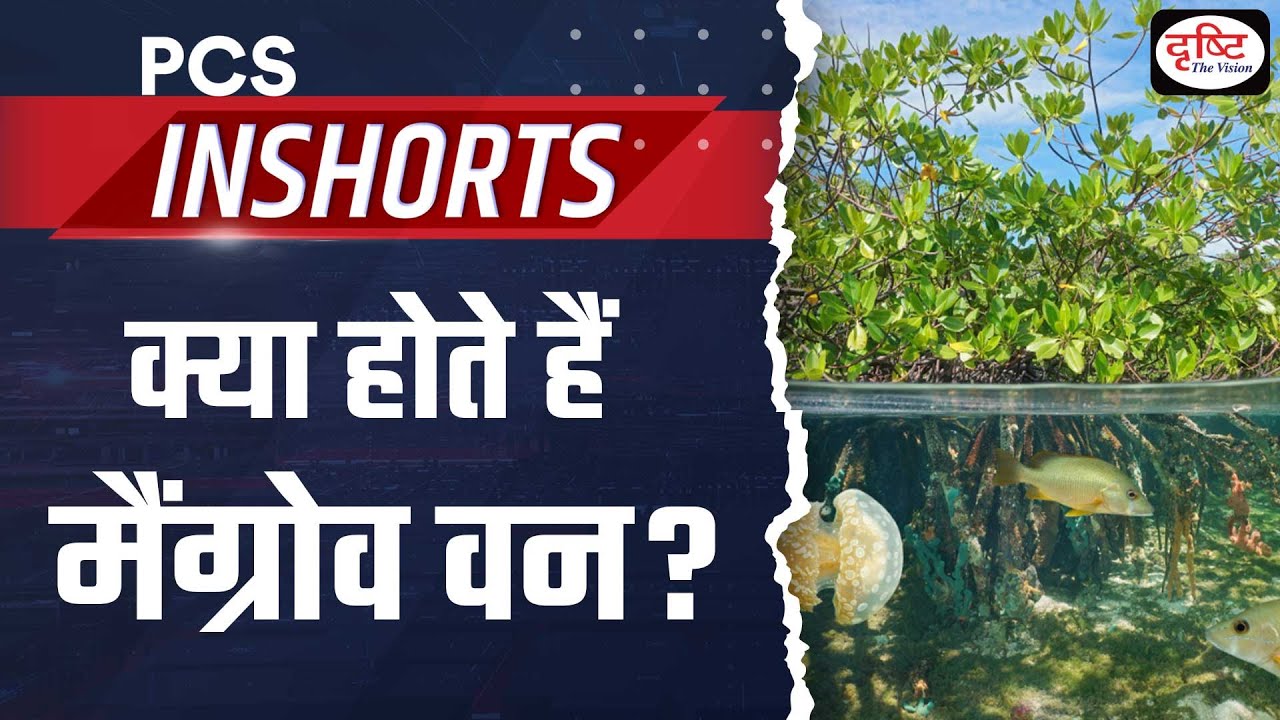
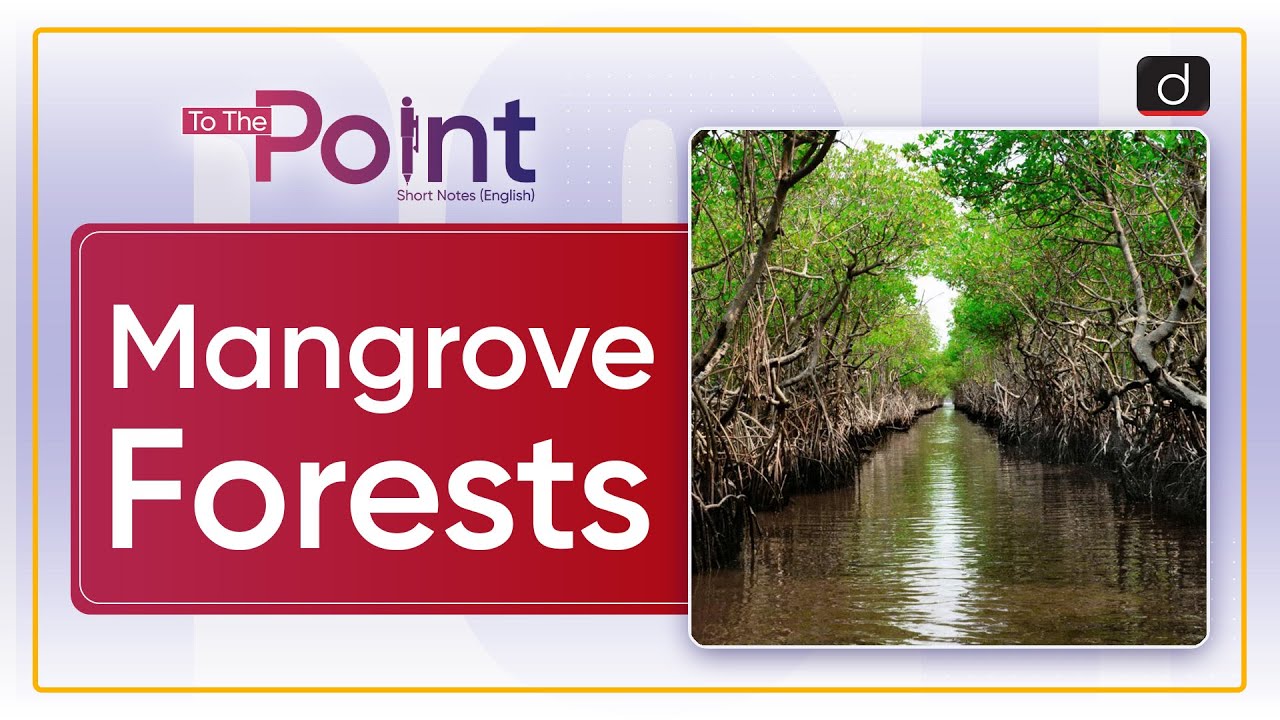
Mangrove forests are incredible coastal ecosystems that act as nature's bridge between the land and the ocean. Found across tropical and subtropical regions, these forests grow in unique spots where rivers flow into the sea, mixing fresh river water with salty ocean water. These resilient plants thrive in muddy, wet areas along sheltered ocean bays, tidal creeks, river estuaries, and calm lagoons. Because they live in salty water, scientists classify them as specialized plants called halophytes. They mainly grow in low-lying coastal regions roughly between latitudes of and . Typically reaching heights between 8 to 20 meters, these trees feature thick, leathery leaves that help them save fresh water. They rely heavily on bright sun rays to power their complex internal systems, allowing them to filter out heavy salt from sea water through their roots.
🎯 In this chapter, you will understand:
- How specialized adaptations like pneumatophores and viviparity help mangroves survive in salty, oxygen-poor mud.
- The geographic distribution of major mangrove forests across the coastlines of India.
- Why mangroves are essential as powerful carbon sinks and natural buffers against coastal storms.
- The key environmental challenges facing mangroves and the innovative conservation methods used by different Indian states.
💡 Why this topic matters: Mangrove forests serve as natural green shields protecting shoreline villages from destruction while trapping massive amounts of carbon to keep our global climate balanced.
🧠 Core Idea: Mangroves are highly adapted, salt-tolerant coastal trees that thrive in muddy intertidal zones, forming a crucial protective boundary between marine and terrestrial environments.
1. What Are Mangroves and Their Special Features
Growing in wet mud means mangrove trees face two big problems: very little oxygen in the soggy soil and a constant flood of salty ocean water. To survive in these harsh, oxygen-poor conditions (scientifically described as anaerobic soils), mangrove trees have developed extraordinary biological tricks over millions of years. Instead of growing all roots underground like ordinary garden plants, they grow special vertical roots that stick straight up into the open air to catch oxygen directly from the atmosphere. Additionally, their seeds begin growing into young shoots while still attached to the branches of the parent tree, giving the young plants a head start before dropping down into the wet mud below.
1.1 Unique Biological Adaptations and Root Types
Depending on the specific tree species—which commonly include red mangroves, black mangroves, and white mangroves—these plants develop different specialized root structures to anchor themselves firmly in soft, shifting coastal mud and absorb precious air.
- (i) Specialized vertical air roots known as pneumatophores (often called "blind roots") grow upward out of the wet mud into the open air so the plant can breathe.
- (ii) A fascinating reproductive process called viviparity allows seeds to sprout and germinate directly on the parent tree before falling into the water or soil below.
Different Types of Mangrove Root Systems
To stand strong against ocean waves and changing tides, different mangrove trees use clever physical root layouts to keep from falling over in wet, unstable ground.
- (a) Prop roots: Strong curving roots that plunge down from lower branches directly into the water for sturdy support.
- (b) Vertical air roots: Upward-growing roots designed primarily to gather air above waterlogged soil.
- (c) Stilt roots: Tall, arching roots emerging directly from the main trunk to lift the tree base high above shifting mud.
- (d) Thick leathery foliage: Specialized leaves designed to minimize water loss under intense tropical sunshine.
2. Major Mangrove Habitats in India
India is home to many rich and diverse mangrove ecosystems spread along its long eastern and western sea coasts. These coastal forests protect shorelines and host thousands of wildlife species across various coastal states and island territories.

- The iconic Sundarbans mangrove forest spread across the river delta region of West Bengal forms the largest continuous block of mangrove forest anywhere on planet Earth.
2.1 Key Regional Coastal Habitats in India
Beyond the famous delta in West Bengal, mangrove forests thrive along river mouths, bays, and island chains throughout India's coastal regions.
- (i) Eastern coastal forests along the river deltas of the Mahanadi River as well as the combined Krishna-Godavari River systems.
- (ii) Southern deltaic mangrove habitats along the river banks of the Cauvery River.
- (iii) Western coastal mangrove stretches located in the states of Gujarat and the Ratnagiri region of Maharashtra.
- (iv) Lush tropical coastal mangroves spread across the Andaman and Nicobar Islands, alongside smaller urban habitats like the coastal mangroves in Goa and Kochi.
3. Ecological and Socio-Economic Importance
The natural value of mangrove ecosystems to our environment and local human communities is immense. As super-efficient carbon storage zones, mangroves absorb and trap high amounts of carbon dioxide gas from our atmosphere, storing carbon at rates that match or even exceed many dense inland tropical rainforests.
- They slow down fast-moving river currents, allowing fine sand and mud sediments to settle safely onto the sea floor instead of washing away.
3.1 Coastal Defense and Local Livelihoods
The intricate underwater root networks created by mangroves serve both human safety and ocean life in remarkable ways.
Dense root network acting as a protective coastal shield and nursery ground for aquatic life. - Natural storm shield: Thick mangrove belts act as living sea walls that protect shorelines and coastal villages from destruction caused by huge tsunami waves, violent ocean storm surges, strong tropical cyclones, and severe shoreline land erosion.
- Water filter and marine nursery: Their thick web of roots filters harmful impurities out of coastal seawater and creates a safe, quiet shelter for young fish, crabs, shrimps, and other sea animals to hatch and grow safely.
- Support for local traditional livelihoods: Coastal families rely on healthy mangroves for collecting wild forest honey, gathering natural plant wax, harvesting tanning materials, practicing traditional fishing, and guiding ecotourism visitors.
- Long-term carbon storage: Even small, isolated urban mangrove patches—such as those found near the city of Kochi—store vast amounts of carbon over long periods of time, helping combat climate change despite being surrounded by human development.
⚡ Quick Revision Capsule: Mangrove Overview & State Initiatives
This quick revision table summarizes the essential features, ecological benefits, and active restoration techniques used across major Indian states to preserve mangrove forests.
| Topic Category | Key Features & Scientific Terms | Ecological & Practical Value |
|---|---|---|
| Biological Adaptations | Pneumatophores (air roots), viviparity (seed sprouting on parent tree), salt-filtering roots | Allows survival in oxygen-poor mud and salty intertidal ocean water |
| Primary Habitats in India | Sundarbans (West Bengal), Mahanadi, Krishna-Godavari, Cauvery, Gujarat, Ratnagiri, Goa, Andaman & Nicobar | Forms coastal biodiversity hotspots and guards low-lying delta regions |
| Environmental Role | Powerhouse carbon sinks, natural wave breakers, sediment traps, seawater filtration | Protects coastal land from cyclones, tsunamis, and soil erosion while trapping carbon |
| Socio-Economic Value | Artisanal fishing grounds, honey collection, wax extraction, plant tanning, ecotourism | Provides steady, sustainable income sources for coastal villager communities |
| State Conservation Methods | Direct seed sowing, fishbone channel plantations, community committees (Van Samrakshan Samithi) | Restores damaged mudflats and preserves vital green cover for future generations |
📝 Summary
Mangroves are remarkable salt-tolerant trees (halophytes) that grow in coastal intertidal zones between latitudes and . Facing tough conditions like muddy, oxygen-poor (anaerobic) soil and high salt levels, they use unique adaptations like breathing roots (pneumatophores) and tree-germinating seeds (viviparity). India contains vital mangrove areas including the massive Sundarbans in West Bengal—the world's largest continuous mangrove forest—alongside rich forests in Gujarat, Odisha, Andhra Pradesh, Maharashtra, Goa, and the Andaman and Nicobar Islands. Beyond acting as powerhouse carbon sinks that absorb massive greenhouse gases, mangroves protect coastlines from cyclones and tsunamis, filter ocean pollution, shelter marine life, and sustain traditional local livelihoods.
🚀 Quick Revision Points
Essential facts to review before examinations:
- (i) Mangroves are salt-tolerant plants called halophytes that grow mainly in intertidal tropical and subtropical zones.
- (ii) Special vertical breathing roots called pneumatophores help the trees gather air in oxygen-starved mud.
- (iii) The biological trait of viviparity lets seeds sprout directly on the parent tree before dropping into mud or water.
- (iv) The Sundarbans delta in West Bengal is the single largest continuous mangrove forest block on Earth.
- 💡 Exam Tip: Remember that mangroves act as natural carbon sinks storing more carbon than many land-based rainforests, while serving as physical shields against natural coastal disasters like tsunamis and cyclones.
❓ Frequently Asked Questions (FAQ)
Q1: What are pneumatophores and why do mangroves need them?
A1: Pneumatophores are specialized roots that grow vertically upward out of the wet mud into the open air. Mangroves need them because the waterlogged mud they grow in lacks oxygen (anaerobic soil), so these roots act like breathing tubes to collect oxygen from the atmosphere.Q2: What makes the Sundarbans mangrove forest so special?
A2: Located in West Bengal along the delta of major rivers, the Sundarbans represents the largest continuous block of mangrove forest anywhere in the world, playing a critical role in biodiversity preservation and coastal defense.Q3: How do Indian states work to restore and protect degraded mangrove forests?
A3: States use targeted restoration techniques. For example, Gujarat uses direct seed sowing and fishbone channel plantations to water degraded mudflats. Andhra Pradesh uses local community groups like Eco-Development Committees and Van Samrakshan Samithi, while Maharashtra enforces strict coastal protection and restoration strategies.