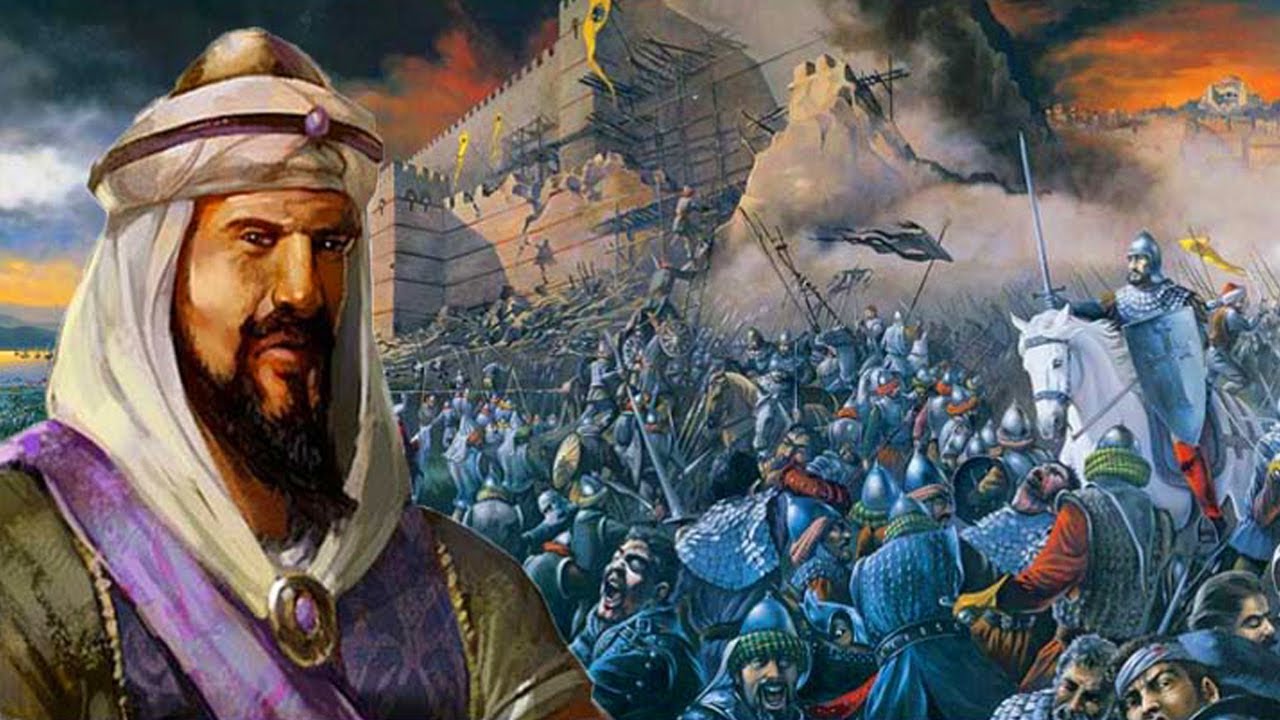
The rise of the Ghaznavid Dynasty in under Alptigin, along with the subsequent seventeen raids led by his successor Mahmud Ghazni, marks a major turning point in Indian history. These intense campaigns weakened the divided regional kingdoms, brought Turkish military influence into the subcontinent, and introduced rich Persian cultural traditions. Understanding this period helps students analyze how political division opened the doors for new rulers in medieval India.
🎯 In this chapter, you will understand:
- How the Ghaznavid Dynasty was founded and expanded across Central Asia into the Indian borderlands.
- The political weakness and immense wealth of North Indian kingdoms prior to the Turkish attacks.
- The main goals, major campaigns, and devastating impact of Mahmud Ghazni’s seventeen invasions.
- The cultural contributions, Persian literary patronage, and long-term legacy of Ghaznavid rule.
💡 Why this topic matters: It explains how political disunity among Indian kingdoms allowed external forces to establish a lasting presence, setting the groundwork for later medieval empires.
🧠 Core Idea: Mahmud Ghazni’s raids were primarily aimed at seizing wealth and securing borderlands, which unexpectedly paved the way for future Turkish conquests and cultural integration.
Ghaznavid Dynasty Rise and Mahmud Ghazni’s Invasions ()
The Ghaznavid Dynasty emerged during the decline of the Abbasid Caliphate and reached its power peak under Mahmud Ghazni, whose military campaigns reshaped North Indian politics.
Early Beginnings and Frontier Expansion
The dynasty began with a former slave-turned-commander and grew into a powerful state through strategic military campaigns along the Indian border.
- (i) The dynastic foundation was laid by Alptigin, a Turkic Mamluk slave and governor under the Samanid Empire, who took control of the region of Ghazni in .
- (ii) The expansion phase began under Subuktigin, who consolidated power and fought against the frontier Hindushahi kingdom.
- (iii) The heavy invasions by Mahmud Ghazni broke local resistance and established early Turkish influence deep in North India.
Condition of India Before the Turkish Invasions
In the , India was divided into many competing regional kingdoms, making it vulnerable to foreign invasions.

Political Divisions in North India
North India lacked a single central authority, leaving individual kingdoms to defend themselves independently.
A Tapestry of Regional Kingdoms
Numerous regional states were constantly in conflict with one another, wasting vital military resources.
- (a) The strategically located Hindushahi kingdom across Punjab and Kabul was the first line of defense, led by rulers like Jayapala and Anandapala.
- (b) Other independent kingdoms ruled regions like Bengal (Palas and Senas), Gujarat (Solankis/Chaulukyas), Malwa (Paramaras), and Bundelkhand (Chandellas).
- (c) Rulers in South India, such as the Chalukyas and Cholas, remained focused on their own expansion and were largely unaffected by northern events.
Vulnerability to Invasions: Internal Conflicts and Immense Wealth
Internal rivalries combined with famous temple wealth made Indian states ideal targets for fast-moving armies.
- (i) Political disunity prevented regional rulers from forming lasting defense alliances.
- (ii) Traditional military setups could not easily counter the rapid, cavalry-based tactics of the Ghaznavid forces.
- (iii) This disunity enabled Mahmud Ghazni to defeat frontier states one by one.
Mahmud Ghazni’s Seventeen Invasions ()
Between , Mahmud Ghazni conducted 17 military raids into India driven by economic goals and a desire to extend his political reach.
Objectives and Major Campaigns
Rather than building a permanent empire inside India, Mahmud focused on acquiring wealth to support his central empire in Ghazni.
Primary Objectives: Economic Wealth and Regional Dominance
The campaigns were organized around clear financial and strategic motives.
- (i) The primary goal was acquiring temple wealth, as temples acted as major financial treasuries.
- (ii) A secondary goal was demonstrating religious dominance by targeting established monuments and religious centers.
- (iii) Economically and politically, these raids turned parts of North India into tribute-paying territories.
Major Conquests: Mathura, Kanauj, and Somanath
Mahmud’s armies targeted wealthy cities and strategic military hubs across northern and western India.
Routes of Mahmud Ghazni's major invasion campaigns from 1000 to 1027 CE. - (a) Early victories over the Hindushahis at the Battle of Waihind broke frontier defenses.
- (b) Deep raids targeted major cultural and political hubs like Mathura, Kanauj, and the Somanath Temple in .
- (c) Immense treasure, gold, and valuables were taken back to enrich the capital at Ghazni.
Immediate and Long-Term Impact
These raids caused lasting changes to the political map of the Indian subcontinent.
- (i) The destruction of military forces severely weakened regional Indian kingdoms.
- (ii) Defeats broke the confidence of local sovereign powers in North India.
- (iii) Controlling key border routes opened the way for later conquerors like the Ghurids.
Cultural Influence and Legacy of the Ghaznavids
Alongside military raids, the Ghaznavid court served as a major center for scholars, writers, and artists.
Persian Patronage and Historical Impact
The Ghaznavids helped spread Persian court traditions, literature, and administrative concepts into South Asia.
Patronage of Literature: Alberuni and Firdausi
Mahmud brought leading thinkers and writers of the era to his royal court.
- (i) The poet Firdausi composed the famous epic poem Shah Namah under Ghaznavid patronage.
- (ii) The scholar Alberuni studied Indian society and authored the detailed historical work Kitab-i-Hind (also known as Tahqiq-i-Hind).
- (iii) This era marked the beginning of an early Persian-Islamic cultural synthesis in regional administration and literature.
Long-term Legacy in Medieval India
The Ghaznavid presence altered the political, economic, and cultural direction of northern India.
- (a) Establishing control over Punjab created a permanent military base for future Turkish rulers.
- (b) Plundering led to economic strain and significant loss of historic cultural monuments.
- (c) New styles of Persian architecture, art, and record-keeping were introduced into Indian governance.
⚡ Quick Revision Capsule: Ghaznavid Dynasty & Invasions
Key highlights of the Ghaznavid era for quick review before exams:
| Aspect | Key Details & Figures | Historical Significance |
|---|---|---|
| Dynasty Foundation | Founded in by Alptigin in Ghazni. | Created a strong new state following Samanid decline. |
| Frontier Expansion | Led by Subuktigin against the Hindushahi kingdom. | Opened northwestern routes into the Indian mainland. |
| 17 Invasions | Led by Mahmud Ghazni between . | Weakened regional armies and extracted vast temple wealth. |
| Major Targets | Mathura, Kanauj, and Somanath (). | Demonstrated the political disunity of northern kingdoms. |
| Scholarly Contributions | Alberuni wrote Kitab-i-Hind; Firdausi composed Shah Namah. | Started the integration of Persian scholarship in Indian history. |
📝 Summary
The establishment of the Ghaznavid Dynasty in and Mahmud Ghazni’s raids between significantly altered North India's political landscape. By weakening local rulers and taking control of border passes, these campaigns set the stage for later Turkish empires. At the same time, Ghaznavid patronage brought scholars like Alberuni, whose work Kitab-i-Hind remains a valuable historical source on medieval Indian society.
🚀 Quick Revision Points
Essential facts to review before examinations:
- (i) Alptigin established the Ghaznavid capital at Ghazni in .
- (ii) The Hindushahi rulers (Jayapala and Anandapala) were the main frontier opponents.
- (iii) The Battle of Waihind cleared the way for deeper raids into North India.
- (iv) Alberuni authored Kitab-i-Hind, providing detailed records of 11th-century Indian culture.
- 💡 Exam Tip: Focus on the difference between Mahmud Ghazni's goals (wealth and raids) and Muhammad Ghori's goals (building a permanent empire). Also remember key literary works like Kitab-i-Hind and Shah Namah.
❓ Frequently Asked Questions (FAQ)
Q1: Who founded the Ghaznavid Dynasty and when?
A1: It was founded in by Alptigin, a former Turkic military commander.Q2: What was the main purpose of Mahmud Ghazni’s 17 raids into India?
A2: His main purpose was acquiring wealth from rich temple treasuries to fund his military empire in Central Asia, rather than building a permanent Indian empire.Q3: Why is Alberuni’s book Kitab-i-Hind important for Indian history?
A3: Written by Alberuni, Kitab-i-Hind gives a detailed, objective account of Indian science, philosophy, religion, and social customs during the .