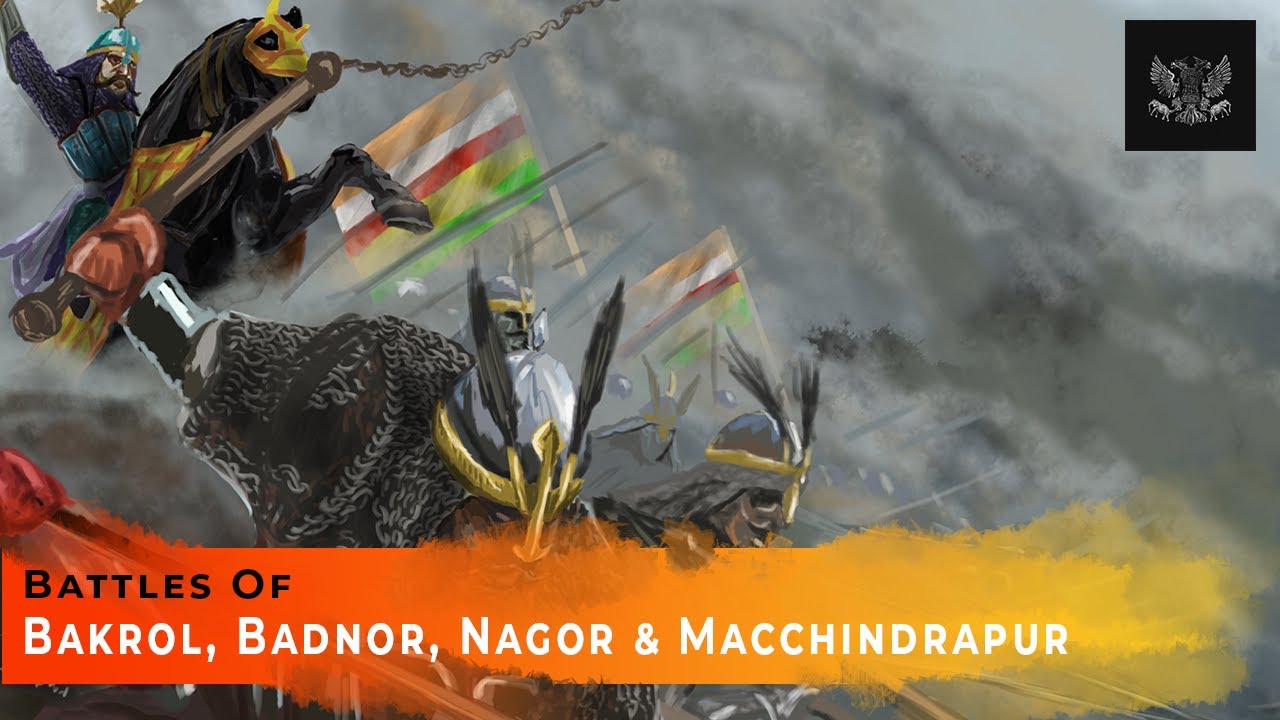
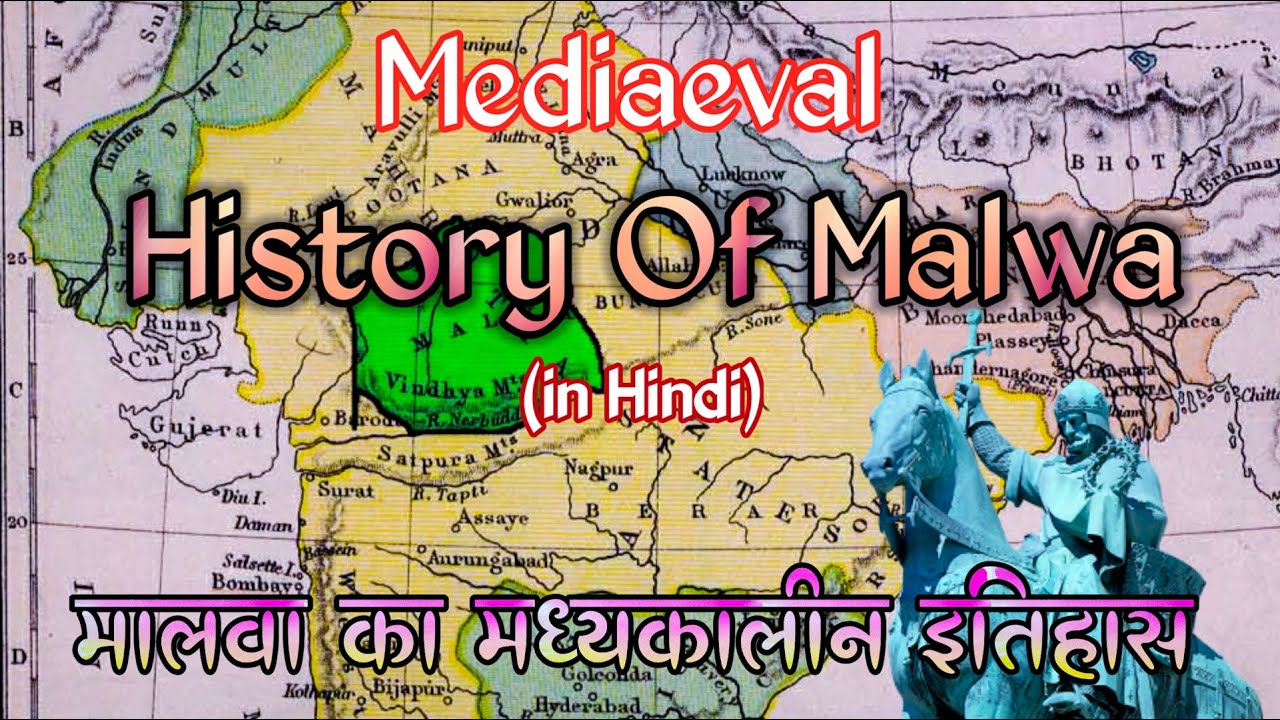
The Malwa and Mewar kingdoms were key powers that deeply shaped North Indian politics in the . Malwa, with its grand capital at Mandu, became a strong center for trade, building design, and art. At the same time, Mewar grew into the most powerful Rajput state under brave leaders like Rana Kumbha and Rana Sanga. Learning about their locations, changing religious rules, and major battles helps us understand medieval history much better.
🎯 In this chapter, you will understand:
- How geography shaped the power of medieval regional states.
- The cultural and architectural highlights of the Malwa Sultanate.
- The military expansion and defense strategy of Mewar under Rajput rulers.
- The continuous conflicts between regional kingdoms that reshaped North India.
💡 Why this topic matters: Understanding these two kingdoms shows how local powers held off central rules and created unique art and military defenses that influenced all of medieval India.
🧠 Core Idea: Strategic location and strong leadership decided which kingdoms survived, thrived, or controlled major trade passages during medieval times.
History of Malwa and Mewar in the 15th–16th Century: Politics, Culture, and Conflicts Shaping North India
The kingdoms of Malwa and Mewar held great control over political stability in medieval India through their strategic locations, changing alliances, and frequent battles.
Both regions were vital because of their central locations, powerful armies, and rich cultural legacies.
- (i) Malwa's middle location made it a crucial bridge and gateway connecting North and South India.
- (ii) Mewar grew quickly into the strongest Rajput kingdom, famous for standing strong against outside attacks and nearby Sultanates.
- (iii) As a result, both kingdoms often fought each other and Gujarat, while also spending heavily on building fine monuments and supporting art.
The Strategic Plateau: Geographical Importance of Malwa in Medieval India
The Malwa region sat on a high, safe plateau between the Narmada and Tapti rivers. This location made it both a key gateway and a natural military shield in regional politics.

Controlling Critical Trade and Trunk Routes
Malwa controlled main land routes that connected rich coastal ports in Gujarat with inland cities of North India.
- (i) Managing these paths brought rich trade taxes and clear strategic advantages over neighbours.
- (ii) The fertile land and wealth constantly attracted conquerors from Delhi, Gujarat, and the Deccan.
- (iii) Leaders knew that holding Malwa was often necessary to control the rest of Northern India.
Role as a Buffer and Barrier State
Because of its middle position, Malwa acted as a useful cushion between large competing states.
- (a) Its independence helped maintain a steady balance among surrounding regional powers.
- (b) Whenever Malwa grew weak, nearby kingdoms quickly invaded to take its lands and resources.
- (c) Its story is full of strategic peace talks and quick battles meant to protect or breach its borders.
Mandu's Golden Era: The Rise and Height of Glory of the Malwa Sultanate
Under the Khalji and Ghuri dynasties, Malwa reached its top strength in the . Mandu became its splendid capital, known for wealth and impressive buildings.
Architectural Legacy: Mandu as the Capital and Masterpieces
The hilltop city of Mandu became famous for a distinct building style that combined beauty with tough defense features.
- (i) Famous structures from this era include the grand Jama Masjid, the slanting Hindola Mahal (Swinging Palace), and the sprawling Jahaz Mahal (Ship Palace).
- (ii) Builders placed these heavy structures on tall stone platforms called plinths and decorated walls with colorful glazed tiles.
- (iii) These places served both daily administration and religion, standing as symbols of strength and artistic taste.
The Cracks Within: Internal Dissensions in the Malwa Sultanate
Despite impressive palaces, the kingdom suffered inside from ongoing political fights among court officials.
- (a) Royal family members repeatedly fought over who would take the throne next, causing repeated local fights.
- (b) Powerful noble groups competed for power and riches, ignoring the long-term needs of the state.
- (c) Neighboring rulers in Gujarat and Mewar watched these internal troubles and stepped in to advance their own goals.
Policy of Religious Toleration under Early Malwa Rulers
Early rulers in Malwa followed practical policies of religious respect, which helped keep peace and encouraged trade.
- (i) Ruler Hushang Shah invited Rajput families to settle by giving them land grants called jagirs in return for military help.
- (ii) Historical notes, such as the Lalitpur inscription, show that people were allowed to build Hindu temples freely.
- (iii) Sultans also trusted local Jain leaders; for instance, Nardeva Soni served as the royal treasurer and primary adviser.
The Reign of Mahmud Khalji I (1436–69) and Expansion
The time of Mahmud Khalji I brought Malwa to its highest military power, though filled with constant wars.
- (i) He fought many campaigns to expand his borders, though some battles led to temple destruction in captured areas.
- (ii) He regularly fought against Rana Kumbha of Mewar, as well as rulers from Gujarat, Odisha, and the Bahmani kingdom.
- (iii) He focused much of his army on Southern Rajasthan, trying repeatedly to break Mewar's regional power.
The Unstoppable Force: The Rise of Mewar as the Premier Rajput Power
From its small start in the , Mewar grew into the most dominant Rajput state by the .
Foundation and Early Trajectory of Mewar's Growth
Mewar's early history established a strong foundation that helped it withstand heavy outside attacks later on.
- (i) The state was founded by Bapa Rawal from the Guhilot clan, whose family had moved from Gujarat.
- (ii) The grand fort at Chittor became the capital, though it was briefly captured when Alauddin Khalji defeated Ratan Singh in the early 14th century.
- (iii) Later leaders like Rao Lakha and Mokal rebuilt its power, making Mewar the top state in Rajasthan.
The Golden Reign of Rana Kumbha (1433–68): Military and Cultural Achievements
The rule of Rana Kumbha is remembered as a golden period of military wins, new forts, and fine literature.
- (a) He united local groups and expanded Mewar's reach over areas like Bundi, Kota, and Dungarpur.
- (b) He protected his lands by fighting well-planned campaigns against the rulers of both Malwa and Gujarat.
- (c) Kumbha wrote respected books and built the famous victory tower named Kirti Stambha inside Chittor Fort.
Rana Kumbha’s Defensive and Offensive Conflicts with Neighbors
Kumbha built strong forts and led armies to keep Mewar safe from large surrounding kingdoms.
Kumbhalgarh Fort served as an impenetrable defensive stronghold for Mewar. - (i) He beat back armies sent from Gujarat, persistent forces from Malwa, and rival Rajput groups from Marwar.
- (ii) The massive hill fort of Kumbhalgarh became an unbreachable defense center against long sieges.
- (iii) He repeatedly turned back raids led by his main rival, Mahmud Khalji I of Malwa.
The Ascendancy of Rana Sanga (1508) and North Indian Dominance
Under Rana Sanga, Mewar reached the top of its power, leading a broad union of Rajput states.
- (a) Sanga took control after short family disputes and quickly took advantage of internal weaknesses in Malwa.
- (b) In , he defeated Mahmud II of Malwa and took over large parts of eastern Malwa.
- (c) His victory over Delhi Sultan Ibrahim Lodi at the Battle of Khatoli in proved Mewar's total dominance in North India.
- (d) By weakening Delhi's power, these battles opened the door for Babur to arrive and build the Mughal Empire later on.
⚡ Quick Revision Capsule: Comparison of Malwa and Mewar Kingdoms
A quick comparison highlighting key features, famous rulers, and major achievements of both regional powers.
| Feature | Malwa Sultanate | Mewar Kingdom |
|---|---|---|
| Primary Capital | Mandu | Chittor / Kumbhalgarh |
| Key Rulers | Hushang Shah, Mahmud Khalji I | Bapa Rawal, Rana Kumbha, Rana Sanga |
| Architectural Highlights | Hindola Mahal, Jahaz Mahal | Kirti Stambha, Kumbhalgarh Fort |
| Key Strategic Advantage | Control over trade routes between North & South | Strong hill forts and united Rajput military alliance |
| Internal Struggle | Court political fights among noble groups | Fratricidal succession struggles between princes |
📝 Summary
During the , the regional powers of Malwa and Mewar heavily shaped North Indian politics. Malwa used its trade routes and built stunning palaces in Mandu, but noble fights inside the court slowly brought it down. Meanwhile, Mewar built strong fort networks and fielded tough armies under Rana Kumbha and Rana Sanga. Their fierce rivalries changed the region deeply, setting the stage for the rise of the Mughal Empire.
🚀 Quick Revision Points
Essential facts to review before examinations:
- (i) Malwa acted as a key buffer state connecting trade between Northern India and coastal Gujarat.
- (ii) Mandu features notable monuments like Jahaz Mahal built on elevated stone platforms.
- (iii) Hushang Shah gave land grants called jagirs to Rajput noble families.
- (iv) Rana Kumbha celebrated his victories by constructing the Kirti Stambha inside Chittor Fort.
- 💡 Exam Tip: Focus on how Malwa's location controlled major trade routes and how Rana Sanga's victory at Khatoli shifted North Indian political power right before Babur's invasion.
❓ Frequently Asked Questions (FAQ)
Q1: Why was Malwa considered geographically crucial in medieval India?
A1: Malwa sat on a central plateau that controlled trade paths connecting North India with Gujarat's rich ports and the Deccan region.Q2: What architectural features made Mandu unique?
A2: Buildings in Mandu used tall stone platforms called plinths along with colorful glazed tiles for decoration and extra defense.Q3: How did Rana Sanga's battles impact North Indian history?
A3: Defeating Delhi Sultan Ibrahim Lodi at Khatoli made Mewar the dominant power, but it also weakened Delhi just before Babur established the Mughal Empire.