The Vijayanagara Empire was a major turning point in southern India's history. It was founded in by two ambitious brothers, Harihara I and Bukka Raya I. This historical overview of Vijayanagara dynasties tracks the four ruling houses—the Sangama, Saluva, Tuluva, and Aravidu dynasties. It covers key kings, major battles like the Battle of Talikota in , and remarkable temple artwork. This guide provides essential reading for students preparing for history exams and competitive tests.
🎯 In this chapter, you will understand:
- How the Sangama Dynasty established and expanded the empire from
- How the Saluva Dynasty restored political stability during internal unrest.
- The military victories and cultural golden age under Krishna Deva Raya during the Tuluva Dynasty.
- The causes and impact of the Battle of Talikota () and the final Aravidu Dynasty period.
💡 Why this topic matters: The Vijayanagara Empire served as a powerful guardian of South Indian culture, art, and administration for over three centuries, shaping the region's historical identity.
🧠 Core Idea: Known as the City of Victory, Vijayanagara grew from a riverside stronghold on the Tungabhadra River into a grand empire that united Southern India through strong government, trade, and architectural marvels.
Sangama Dynasty (1336–1485 A.D.): The Epoch of Founding and Initial Expansion
The Sangama Dynasty was named after the father of its founders. It formed the strong foundation of the Vijayanagara Empire and expanded its power across the southern Deccan plateau.
Founders: Harihara I and Bukka Raya I – The Initial Consolidators
The empire began when two brothers, Harihara I and Bukka Raya I, built the capital city of Vijayanagara in They chose a strategic spot around Hampi on the southern bank of the sacred Tungabhadra River.
- (i) Before ruling on their own, Harihara and Bukka gained military experience by serving under Vira Ballala III, the last major ruler of the Hoysala Kingdom.
- (ii) Harihara I became the first monarch of the Sangama Dynasty. He expanded the empire by taking control of Mysore and territories extending south toward Madurai.
- (iii) Bukka Raya I took the throne after his brother in and continued to strengthen the empire's borders and political standing.
Saluva Dynasty (1485–1505 A.D.): An Era of Restoration and Stabilizing the Throne
When later Sangama rulers lost central control due to internal conflicts, the Saluva Dynasty stepped in through a swift political takeover to bring back order and strong rule.

Saluva Narasimha and the Usurpation of the Throne
The dynasty's founder, Saluva Narasimha, was a capable military commander. Seeing the Sangama Dynasty weaken, he took control of the government in an event known as the First Usurpation to keep the state from collapsing.
- (i) After taking charge, Saluva Narasimha focused on restoring law and order across all Vijayanagara territories.
- (ii) His reign re-established stability, put down rebellions by local chiefs, and protected the borders against attacks from the neighboring Bahmani Sultanate.
Tuluva Dynasty (1505–1570 A.D.): The Golden Age under Emperor Krishna Deva Raya
The Tuluva Dynasty represents the high point of power, wealth, and artistic achievement for the Vijayanagara Empire, led by its celebrated emperor, Krishna Deva Raya.
Krishna Deva Raya’s Unprecedented Military and Administrative Achievements
Krishna Deva Raya was an exceptional military general and leader. His successful campaigns widened the empire's boundaries and created internal wealth.
- (i) He captured Sivasamudram in and won the strategic fortress of Raichur in Later, he expanded east into Orissa and took control of Warangal by
- (ii) Under his leadership, the empire reached its largest size, stretching from the Krishna River in the north down to the Cauvery River in the south.
- (iii) He built advanced irrigation canals, grew the navy, and promoted profitable overseas trade with Portuguese merchant ships and Arab traders.
Profound Cultural Patronage and the Nurturing of Scholars
The era of Krishna Deva Raya is remembered as a golden age for South Indian art, architecture, and literature.
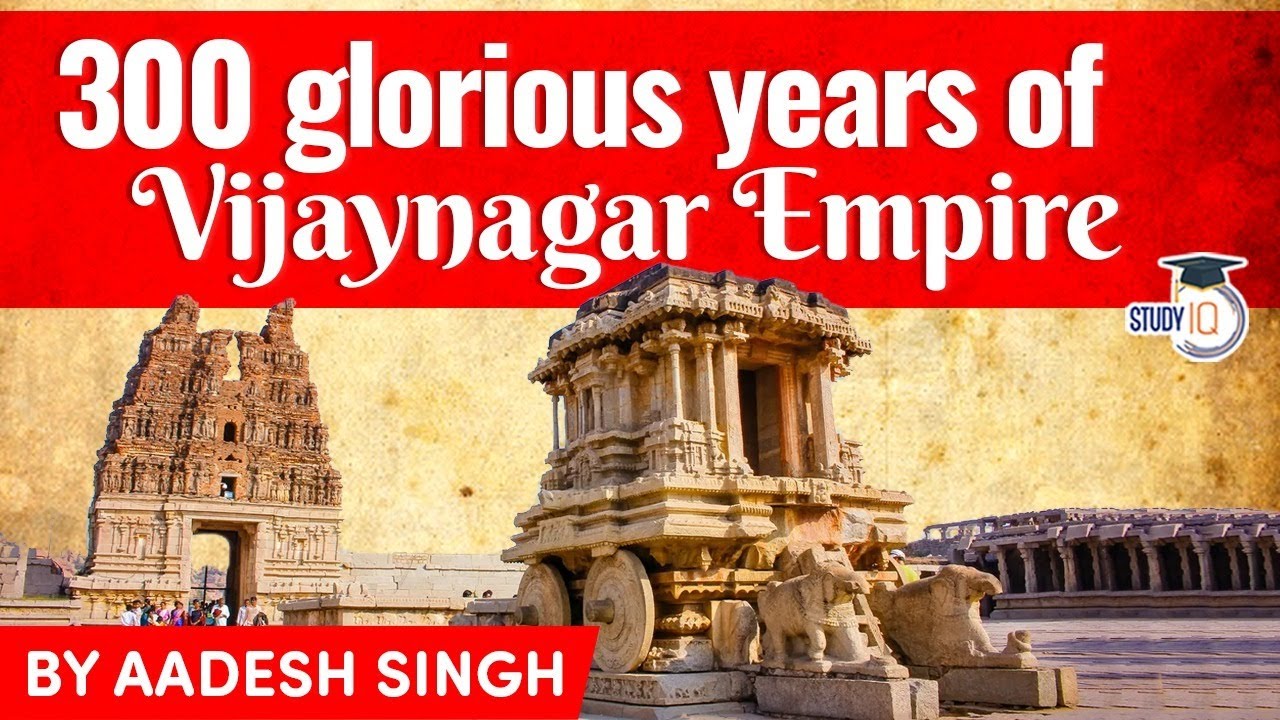
Detailed stone pillared hall displaying distinct Vijayanagara temple architecture. - Monuments and Temples: He built famous structures like the Hazara Rama Temple and carved the massive stone Ugra Narasimha idol at Hampi.
- Literary Circle: He supported brilliant writers and scholars known as the Ashtadiggajas (eight literary pillars), which included Allasani Peddanna, Nandi Thimmana, and Tenali Ramakrishna.
- Cultural Legacy: He wrote works himself and promoted Telugu literature and arts, making his rule the definitive golden age of the empire.
Aravidu Dynasty and the Catastrophic Battle of Talikota (1565 A.D.)
The Aravidu Dynasty was the fourth and final ruling line. Its reign began during a difficult recovery period right after the crushing defeat at the Battle of Talikota.
Aliya Rama Raya and the Tragedy of the Downfall
After Krishna Deva Raya passed away, weaker leaders took over. Power shifted to the regent Aliya Rama Raya, whose risky political decisions led directly to war with neighboring states.
- (i) The rulers following Krishna Deva Raya struggled to manage the vast empire and keep peace along the northern frontier.
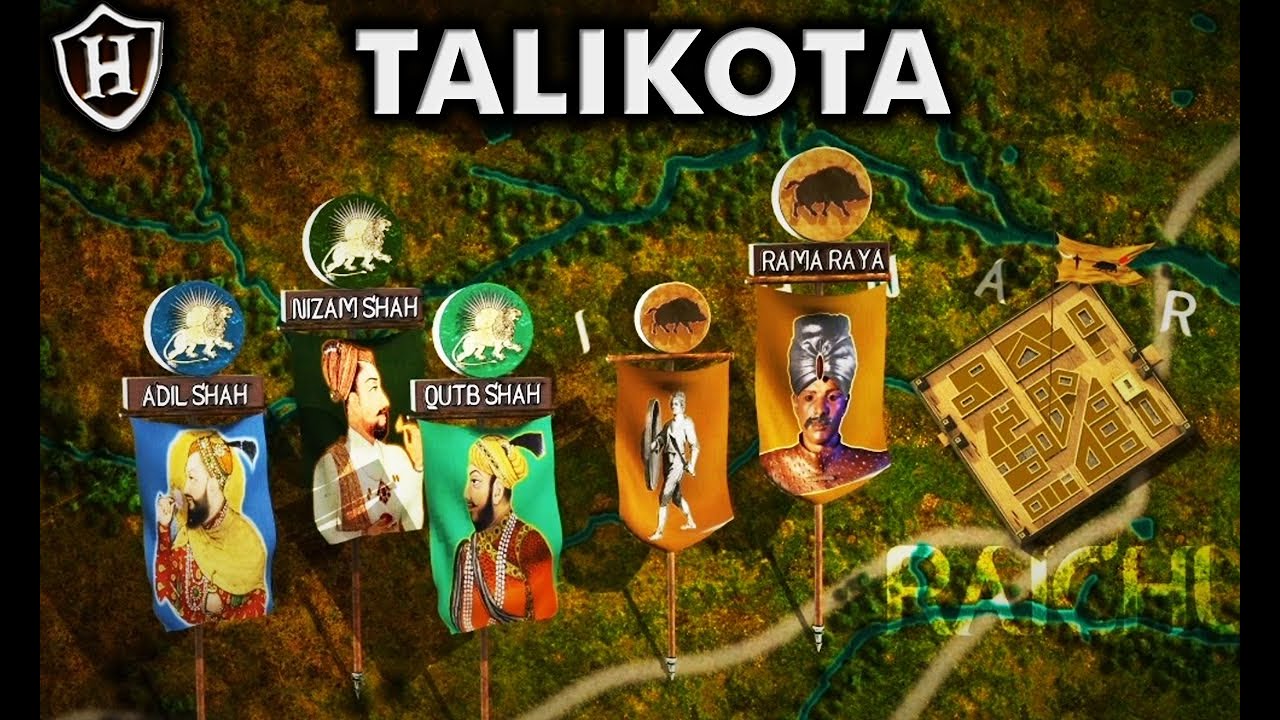
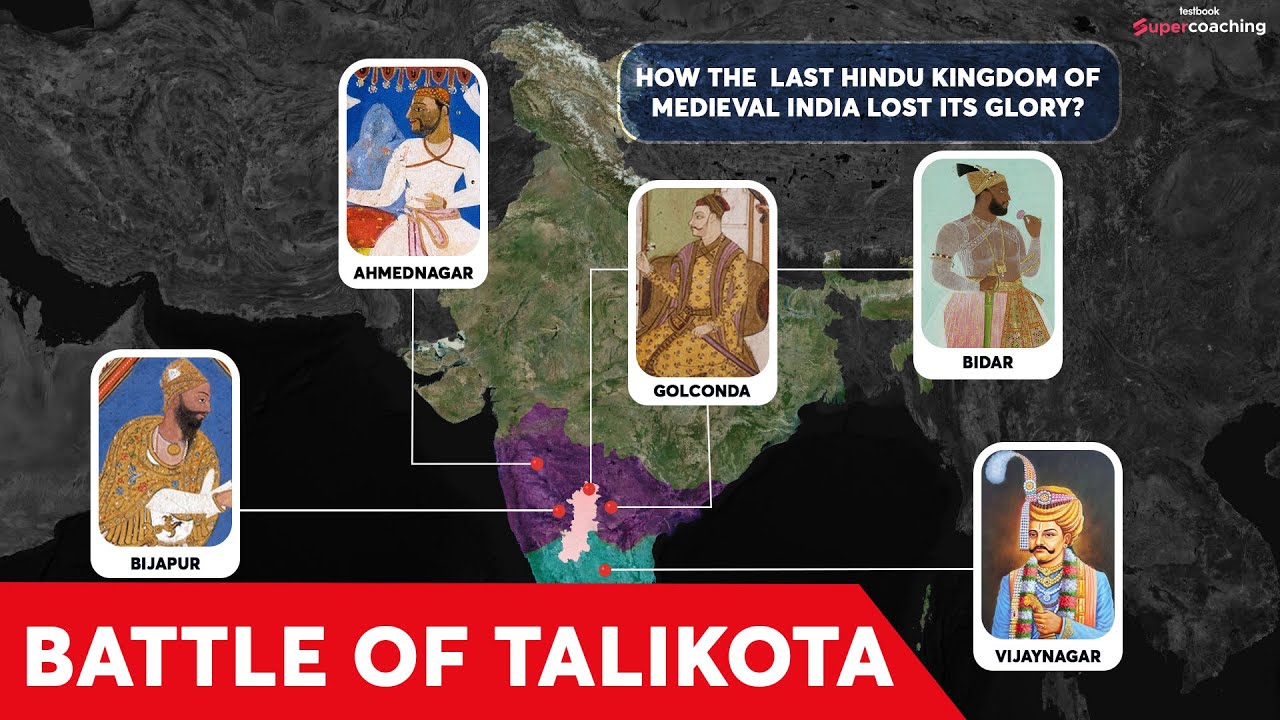
- (ii) Four northern sultanates—Ahmednagar, Bijapur, Golconda, and Bidar—joined forces and defeated the Vijayanagara army at the Battle of Talikota (also called Rakkasa-Tangadi) in
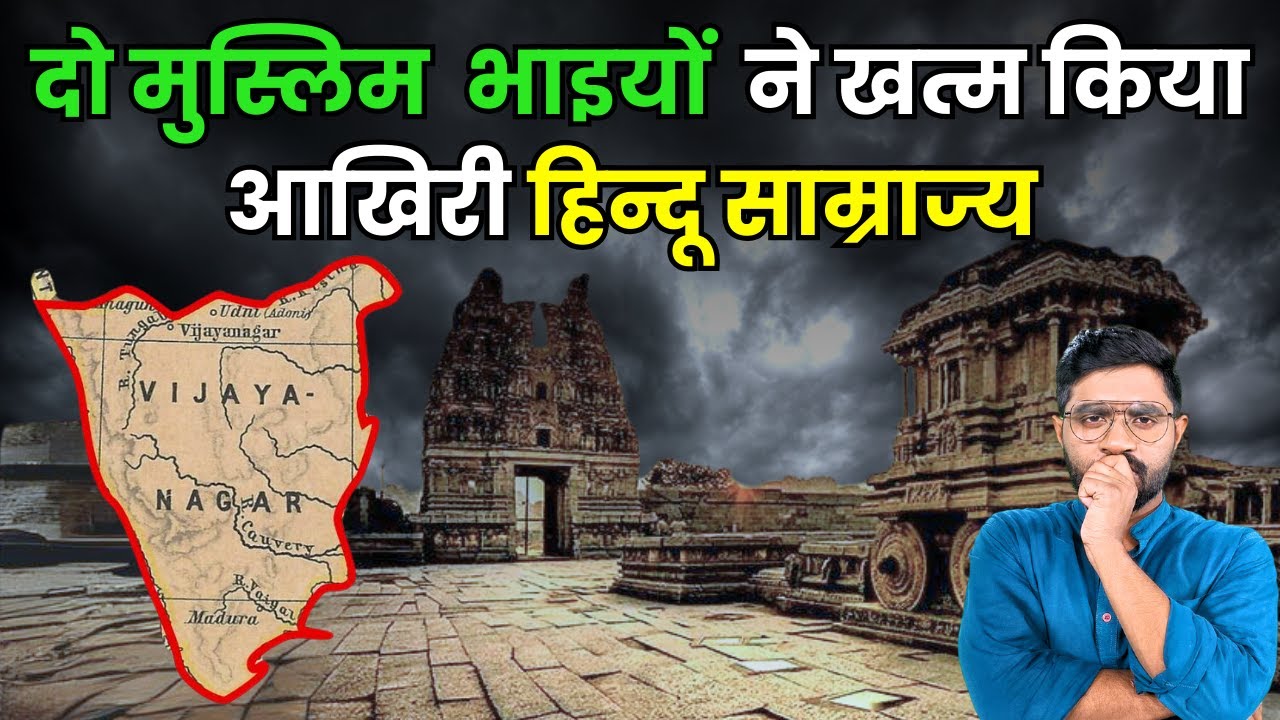
- (iii) The winning armies looted and ruined the majestic capital city of Vijayanagara (Hampi), breaking the empire's central power.
Lasting Legacy and Cultural Contributions of the Vijayanagara Empire
Even after central authority faded, the Vijayanagara Empire left a deep mark on South Indian governance, religion, and art that lasted for generations.
Regional Fragmentation and Enduring Political Influence Post-1565
Though the central kingdom broke apart, Vijayanagara's administrative traditions lived on through regional governors and successor states.
- (i) The large territories divided into smaller independent principalities known as the Nayaka kingdoms.
- (ii) These Nayaka rulers kept Vijayanagara's court customs, tax methods, and military practices alive across Southern India.
Architectural and Cultural Achievements: The Monuments of Hampi
The empire's artistic style and temple designs remain celebrated cultural achievements.
- (a) The grand temple complexes and carvings preserved at Hampi stand as UNESCO World Heritage landmarks showcasing Vijayanagara building styles.
- (b) Support for regional languages like Telugu, Kannada, and Tamil helped literature thrive long after the empire ended.
⚡ Quick Revision Capsule: Dynasties of the Vijayanagara Empire
Below is a summary table comparing the four major dynasties that ruled Vijayanagara between and :
| Dynasty | Period | Key Rulers | Major Events & Contributions |
|---|---|---|---|
| Sangama Dynasty | Harihara I, Bukka Raya I | Founded capital at Hampi on Tungabhadra River; expanded control toward Mysore and Madurai. | |
| Saluva Dynasty | Saluva Narasimha | Executed First Usurpation to restore stability; defended against the Bahmani Sultanate. | |
| Tuluva Dynasty | Krishna Deva Raya | Golden age of power and literature; built Hazara Rama Temple; hosted the Ashtadiggajas. | |
| Aravidu Dynasty | Aliya Rama Raya (Regent), Tirumala | Faced defeat at Battle of Talikota (); power split into regional Nayaka kingdoms. |
📝 Summary
The Vijayanagara Empire () played a crucial role in safeguarding South Indian culture and governance. Founded by brothers Harihara I and Bukka Raya I, it evolved through four distinct ruling lines. Under Krishna Deva Raya of the Tuluva Dynasty, Vijayanagara reached its maximum territorial expansion and cultural height. Although the tragic Battle of Talikota in ruined the capital city of Hampi, the administrative and artistic traditions of Vijayanagara continued to influence the region through the Nayaka kingdoms.
🚀 Quick Revision Points
Essential facts to review before examinations:
- (i) Founded in by Harihara I and Bukka Raya I along the Tungabhadra River.
- (ii) Four dynasties in order: Sangama, Saluva, Tuluva, and Aravidu.
- (iii) Saluva Narasimha took power in in the First Usurpation.
- (iv) Krishna Deva Raya () ruled during the golden age and supported the Ashtadiggajas literary scholars.
- (v) The Battle of Talikota in saw four Deccan Sultanates unite to defeat Vijayanagara forces.
- 💡 Exam Tip: Remember the chronological sequence of the four dynasties using the acronym S-S-T-A (Sangama, Saluva, Tuluva, Aravidu). Pay special attention to Krishna Deva Raya's key military wins (Raichur ) and architectural landmarks in Hampi.
❓ Frequently Asked Questions (FAQ)
Q1: Who founded the Vijayanagara Empire and when?
A1: The empire was established in by the brothers Harihara I and Bukka Raya I of the Sangama Dynasty along the banks of the Tungabhadra River.Q2: Who were the Ashtadiggajas during the Tuluva Dynasty?
A2: The Ashtadiggajas were eight celebrated Telugu poets and scholars in the court of Emperor Krishna Deva Raya, including Allasani Peddanna and Tenali Ramakrishna.Q3: What caused the downfall of the Vijayanagara Empire in 1565 A.D.?
A3: A alliance of four Deccan Sultanates (Ahmednagar, Bijapur, Golconda, and Bidar) defeated regent Aliya Rama Raya at the Battle of Talikota in , leading to the destruction of Hampi.