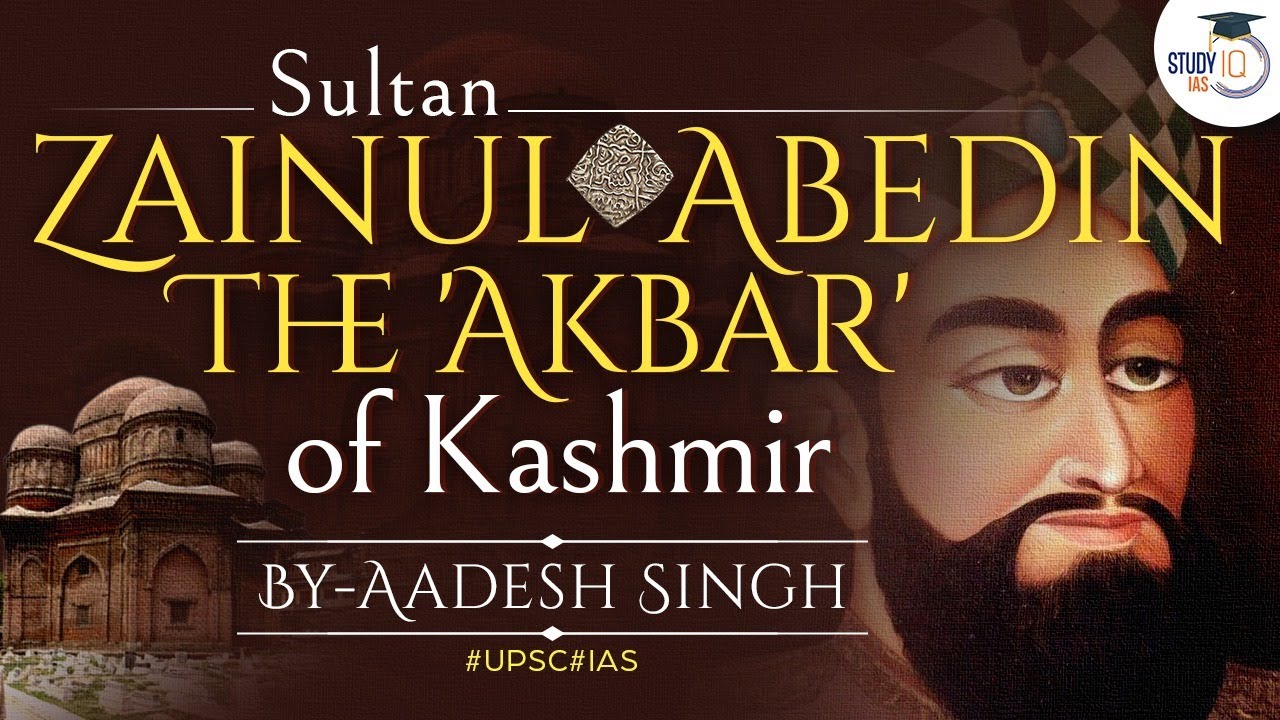
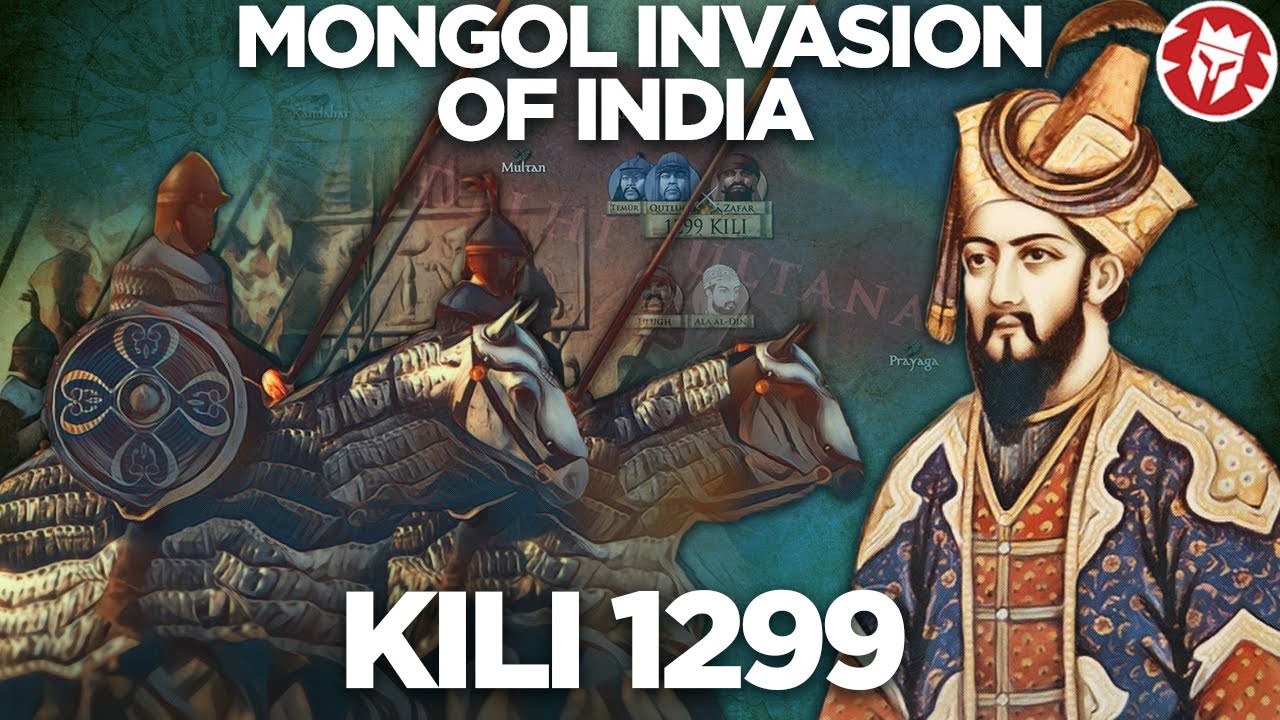
The 15th century in Kashmir stands out as a pivotal period of immense religious, cultural, and political transformations. From the initial destructive shock of the Mongol invasion in to the establishment of the widely revered and famously tolerant rule of Sultan Zainul Abidin, fondly known as Bud Shah, the region experienced a dramatic societal shift, moving away from its historical Saivism dominance toward robust cultural integration and pluralism. This era is considered highly important for students and exam preparation as it fundamentally explains the historical evolution of Kashmir’s society, economy, and distinctive cultural blend.
🎯 In this chapter, you will understand:
- The catastrophic effects of the 1320 Mongol invasion under Dalucha.
- The transformative, secular, and golden reign of Sultan Zainul Abidin (Bud Shah).
- The socio-economic advances including paper-making, shawl production, and trade growth.
- The gradual cultural transition from Kashmiri Saivism to a vibrant multi-religious society.
💡 Why this topic matters: It highlights how a region recovered from complete wartime collapse to build one of the most inclusive, prosperous, and culturally rich societies in medieval South Asia.
🧠 Core Idea: Wise governance, religious tolerance, and economic innovation can unite a divided society and rebuild a flourishing civilization from the ashes of destruction.
📌 Kashmir in the Fifteenth Century: The Pivotal Shift from Mongol Devastation to Zainul Abidin’s Era of Cultural Integration and Progress
The 15th century in the Kashmir Valley represented a critical turning point in its long history, defined by external invasions, profound religious shifts, and the emergence of exceptionally progressive and wise rulers. The historical narrative began traumatically with the Mongol invasion in , but Kashmir subsequently navigated phases of destruction and devastation, necessary societal reformation, and ultimately reached what is often called a golden age of peace and prosperity under the visionary leadership of Sultan Zainul Abidin.
- (i) Kashmir’s strategic geographical location and its famous natural beauty had historically established it as a critical cultural, intellectual, and trade crossroads for centuries.
- (ii) The period marked a significant and gradual transition from the traditional supremacy of Kashmiri Saivism and ancient Hindu dominance toward the steadily increasing influence and integration of the Islamic faith and culture.
- (iii) The enduring legacy of Sultan Zainul Abidin remains highly significant, as he is universally regarded as a profound symbol of religious tolerance, socio-economic progress, and the fruitful promotion of sophisticated cultural exchange.
⚔️ The Devastating Mongol Invasion of Kashmir (1320) and Its Traumatic Aftermath
The catastrophic Mongol invasion led by the chieftain Dalucha in caused widespread and unparalleled destruction in Kashmir, fundamentally altering its established cultural foundations and political trajectory for decades to come.

Immediate and Lasting Impact of the Mongol Invasion on Kashmiri Society and Economy
The invaders, intent on plunder and domination, left a trail of immense human suffering and economic ruin, effectively bringing the existing societal and governmental structures to a complete halt.
- (i) There were horrific, large-scale massacres of men of fighting age or social standing, alongside the widespread enslavement of women and children, dramatically reducing the population and social stability.
- (ii) The invading forces systematically engaged in the destructive plundering of numerous prosperous villages and the wholesale burning of important towns and administrative centers, causing severe economic damage.
- (iii) The invasion resulted in the near-total collapse of the established Kashmiri governance system and resulted in severe, long-term societal disruption and widespread chaos.
👑 Sultan Zainul Abidin’s Rule: Ushering in a Golden Age of Tolerance and Progressive Development
Sultan Zainul Abidin, who earned the revered title of Bud Shah (The Great King), successfully brought much-needed peace, stability, and prosperity back to the valley, actively fostering a climate of religious tolerance, proactive development, and intellectual growth.
Landmark Policies of Tolerance, Reform, and the Reversal of Religious Persecution
The Sultan’s reign is defined by his commitment to justice and religious harmony, actively reversing the harsh, discriminatory policies of his predecessors and encouraging the return of all displaced communities.
- (i) He courageously and decisively reversed previous policies of severe religious persecution, establishing a state ethos founded on secular acceptance and universal respect.
- (ii) Demonstrating remarkable respect for the valley's diverse heritage, he ordered and financially supported the restoration and rebuilding of damaged Hindu temples and sacred libraries.
- (iii) He actively encouraged and legislated for the safe and dignified return of all non-Muslims who had fled the valley due to earlier persecution, including the influential Kashmiri Pandits.
Economic Development and Technological Innovations Fostered in Kashmir
Zainul Abidin was a keen patron of economic progress, introducing new technologies and supporting local industries, which significantly bolstered the region’s prosperity and self-sufficiency.
Artisan crafts flourished under Sultan Zainul Abidin's economic patronage. - Paper-Making & Binding: He was responsible for the crucial introduction of advanced technologies for paper-making and book-binding, imported directly from the great cultural hub of Samarqand.
- Handicrafts & Textiles: He actively supported and promoted key local industries, including globally renowned shawl-making, specialized gold-beating, and the delicate art of stone-cutting.
- Technological Support: The Sultan consistently patronized skilled craftsmanship and encouraged all forms of practical technological growth across the realm.
Cultural Exchange, Intellectual Flourishing, and Patronage of Scholarship
The Sultan transformed his court into a vibrant center of intellectual life, attracting scholars and sponsoring ambitious projects of translation and artistic creation, ensuring Kashmir was a cultural beacon.
- Translations: He personally sponsored the massive scholarly effort to translate major works from Sanskrit into Persian and vice versa, bridging two major literary traditions.
- Scholarship: The fame of his tolerant court attracted distinguished scholars, poets, and jurists from distant lands like Arabia, Iran, and neighboring regions.
- Arts & Literature: He was a dedicated patron of poetry, promoted the creation of complex literature, and fully supported the visual arts.
🕊️ From Saivism Roots to Multi-Religious Cultural Transformation
Kashmir’s profound and ancient cultural roots in the philosophy of Saivism gradually and naturally made way for the emergence of new, integrated cultural and religious influences, particularly following the societal shake-up caused by the Mongol invasion.
- (i) Kashmiri Saivism, a deeply rooted indigenous philosophy, had remained the dominant cultural and religious force in the region until the .
- (ii) The abrupt trauma and political shift caused by Dalucha’s invasion served as a critical catalyst, marking an irreversible shift in the established religious-cultural dynamics of the valley.
- (iii) This gradual evolution eventually led to Kashmir maturing into a stable, dynamic multi-religious cultural hub, where various faiths and traditions coexisted and influenced one another.
🏛️ The Enduring Legacy and Profound Impact of Sultan Zainul Abidin
Sultan Zainul Abidin, who is lovingly and respectfully remembered as Bud Shah by the people, bequeathed a profound legacy defined by his exceptional policies of tolerance, vast economic development, and shrewd diplomatic engagement.
- (i) He successfully consolidated and unified the fragmented Kashmiri kingdom, restoring political stability and effective central governance after decades of chaos.
- (ii) The Sultan skilfully maintained robust and beneficial diplomatic ties and peaceful relations with powerful neighboring rulers, preventing further conflict.
- (iii) His long and stable reign ensured long-term stability, laid the bedrock for a flourishing economy, and successfully cemented cultural integration across religious lines.
⚡ Quick Revision Capsule: 15th Century Kashmir Transformation
A quick comparative overview of the key phases that shaped medieval Kashmiri history during this crucial century:
| Historical Era / Event | Key Features & Events | Long-term Impact |
|---|---|---|
| Mongol Invasion () | Led by chieftain Dalucha; caused widespread massacres, plunder, and destruction. | Collapsed native administrative structures and ended pure Saivism dominance. |
| Sultan Zainul Abidin's Reign | Affectionately called Bud Shah; introduced policy of secularism and religious rehabilitation. | Returned refugees, rebuilt temples, and established a stable, unified state. |
| Economic & Craft Boom | Imported paper-making and book-binding from Samarqand; promoted shawl weaving. | Laid the foundations for Kashmir's globally famous handicraft industry. |
| Intellectual Renaissance | Cross-translation of Sanskrit texts into Persian; hosted scholars from Iran and Arabia. | Fused diverse traditions into a unique pluralistic Kashmiri cultural identity. |
📝 Summary
The 15th century stands as the defining period in the history of Kashmir, initially scarred by the devastating Mongol invasion () but ultimately salvaged and shaped by the enlightened, progressive rule of Sultan Zainul Abidin. His far-sighted policies of universal religious tolerance, active cultural exchange, and dedicated economic development fundamentally transformed the valley into a revered hub of learning, craftsmanship, and widespread prosperity. For students and those preparing for exams, this chapter is crucial to fully understand the lasting legacy of Bud Shah and the essential transition of Kashmir from a Saivism-dominated state to a stable, pluralistic society.
🚀 Quick Revision Points
Essential facts to review before examinations:
- (i) The Mongol invasion of under Dalucha shattered Kashmir's economy and political order.
- (ii) Sultan Zainul Abidin earned the title Bud Shah (The Great King) for his progressive governance.
- (iii) Key economic innovations imported from Samarqand included paper-making and book-binding.
- (iv) Sanskrit works were translated into Persian to promote inter-faith harmony and academic growth.
- 💡 Exam Tip: When answering questions on medieval Kashmir, emphasize the contrast between Dalucha's destructive invasion in 1320 and Bud Shah's constructive reforms, as this contrast highlights the transition toward cultural synthesis.
❓ Frequently Asked Questions (FAQ)
Q1: Who was Dalucha and what was his impact on Kashmir?
A1: Dalucha was a Mongol chieftain who invaded Kashmir in , causing widespread destruction, massacres, and political collapse that reshaped Kashmir's socio-religious landscape.Q2: Why was Sultan Zainul Abidin called "Bud Shah"?
A2: He was called Bud Shah (The Great King) by his subjects because of his visionary policies of universal religious tolerance, reversal of persecution, and economic welfare.Q3: What key industries were introduced or promoted during Bud Shah's reign?
A3: He introduced paper-making and book-binding from Samarqand while actively promoting local trades like shawl-weaving, gold-beating, and stone-carving.