The Age of Exploration and European expansion during the 15th century completely reshaped world history. The fall of Constantinople in , along with growing control by Arab traders over land routes, pushed Europeans to search for a direct ocean route to India. This era is vital for students studying history, as it explains early trade networks, major political shifts, and how Portugal led early ocean travel.
🎯 In this chapter, you will understand:
- How political changes in the East blocked land trade routes to Asia.
- Why European demand for spices and luxury goods drove ocean travel.
- How Prince Henry the Navigator guided Portuguese exploration efforts.
- The impact of the Treaty of Tordesillas and the discovery of the Cape route.
💡 Why this topic matters: It reveals how blocked land trade routes forced European nations to explore the oceans, starting a new era of global trade and colonialism.
🧠 Core Idea: High prices, blocked land routes, and technical progress created a powerful push for European sailors to find an ocean path to Asia.
Background: Geopolitical Shifts, Restricted Trade Routes, and the Desperate European Search for a Sea Route to India in the 15th Century
Major political changes in the East, especially the growth of the Ottoman Empire, closed old land trade paths. This forced European nations to search for new ocean routes to reach Asian markets.
The long trade connection between Europe and Asia broke down as old empires weakened, giving way to new powers that controlled high-value trade goods.
- (i) Foundational Background and Early Control: After the Roman Empire fell, Arab rulers gained control over Egypt and Persia, allowing them to manage and tax trade moving between East and West.
- (ii) The Restriction of Luxury Goods: Because of these shifts, trade between Europe and India slowed down. Access to important goods like spices, silk, fine calico cloth, and gemstone items became difficult, making prices rise sharply in European markets.
- (iii) The Ottoman Game Changer (): The capture of Constantinople by Ottoman forces in changed everything. It made Ottoman and Arab merchants the main gatekeepers for Asian goods moving into Europe.
- (iv) Monopoly on Trade: Important routes, including the Red Sea trade, came under strong Islamic commercial control. This brought high profits to Arab merchants while raising costs for European buyers.
- (v) The Need for a Sea Route: Since land routes were tightly controlled, bypassing middle merchants became an urgent goal for European leaders, starting the active effort to find an ocean route to India.
- (vi) Technological Readiness: At the same time, the scientific learning of the Renaissance provided better tools. Improvements in shipbuilding and map-reading made long, daring sea journeys possible.
Economic Drivers and the Rising Demand for Eastern Commodities in Europe
Economic growth across Europe created a steady need for imported luxury goods, especially spices used for preserving and flavoring food.

European Agricultural and Economic Revival
Better farming practices brought economic stability, giving European merchants the money needed to back long-distance trade.
- (i) Land Expansion: Farmers cleared more fields using better tools, like heavy wheeled plows.
- (ii) Efficiency: Farmers used systematic crop rotation to keep soil healthy and grow more food.
- (iii) Trade Implication: Higher farm output gave people extra income, raising demand for imported spices, silk, and other luxury goods.
The Collapse of Traditional Oriental Trade Monopolies in Europe
Italian city-states that once managed Mediterranean trade could not withstand the new political pressures from the Ottoman Empire.
- (a) Former Dominance: For years, Venice and Genoa controlled the trade of Asian goods coming through the Mediterranean.
- (b) New Reality: Their influence weakened when Ottoman forces took direct control over main supply lines.
- (c) Resource Constraint: These small city-states lacked the money and naval power needed to fund long ocean trips around continents.
Portuguese Pioneering Leadership in Maritime Exploration: Driven by Trade and Anti-Islamic Motivation
Portugal, positioned on the Atlantic coast with skilled sailors, took the lead in ocean travel, driven by economic goals and religious rivalry.
The Visionary Role of Prince Henry the Navigator
The effort to find an ocean route was directed by a Portuguese prince who invested resources into sea science.
- (i) Royal Patronage: Prince Henry, called Prince Henry the Navigator, funded navigation studies and exploratory trips, starting the Age of Exploration for Europe.
- (ii) Dual Objective: His goal was twofold: bypass Muslim trade control to secure economic profits, and spread Christian influence into new regions.
- (iii) Papal Authority: In , Pope Nicholas V issued a decree giving Portuguese sailors rights to explore and claim territories along the path to Asia.
The Treaty of Tordesillas: Defining Spheres of Influence and the African Breakthrough
As competition grew, European powers created agreements to divide new lands, while Portuguese sailors mapped the African coastline step by step.
Division of the World: The Landmark Treaty of Tordesillas ()
Spain and Portugal signed an agreement to prevent fighting over newly mapped territories.
- (i) The Line of Demarcation: The Treaty of Tordesillas drew an imaginary north-south line in the Atlantic Ocean. Spain gained exploration rights west of this line.
- (ii) Portuguese Eastward Expansion: Portugal received rights to all lands east of the line, securing their path around Africa into the Indian Ocean.
Key Portuguese Explorations and the Discovery of the Cape Route
Decades of sailing along the West African coast led to a major breakthrough for European sea travel.
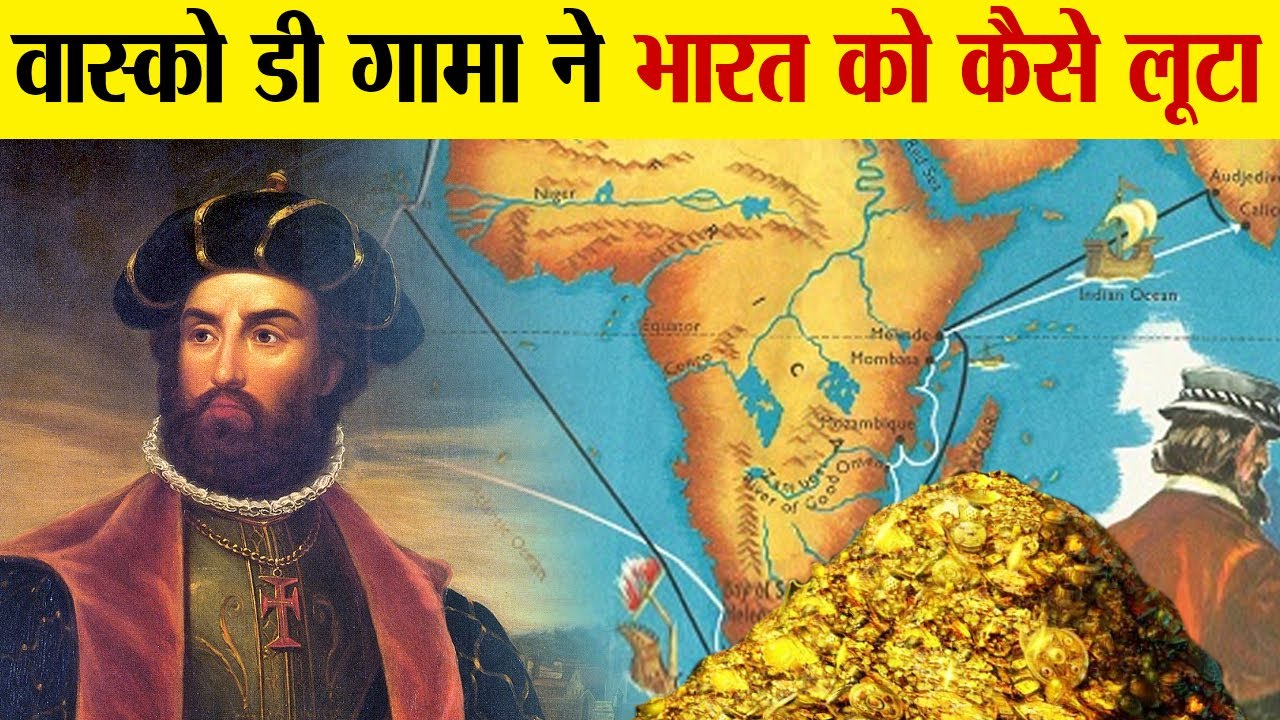
- (a) Cape Breakthrough (): Sailor Bartholomew Dias sailed around the southern tip of Africa, named the Cape of Good Hope, proving an ocean route to Asia existed.
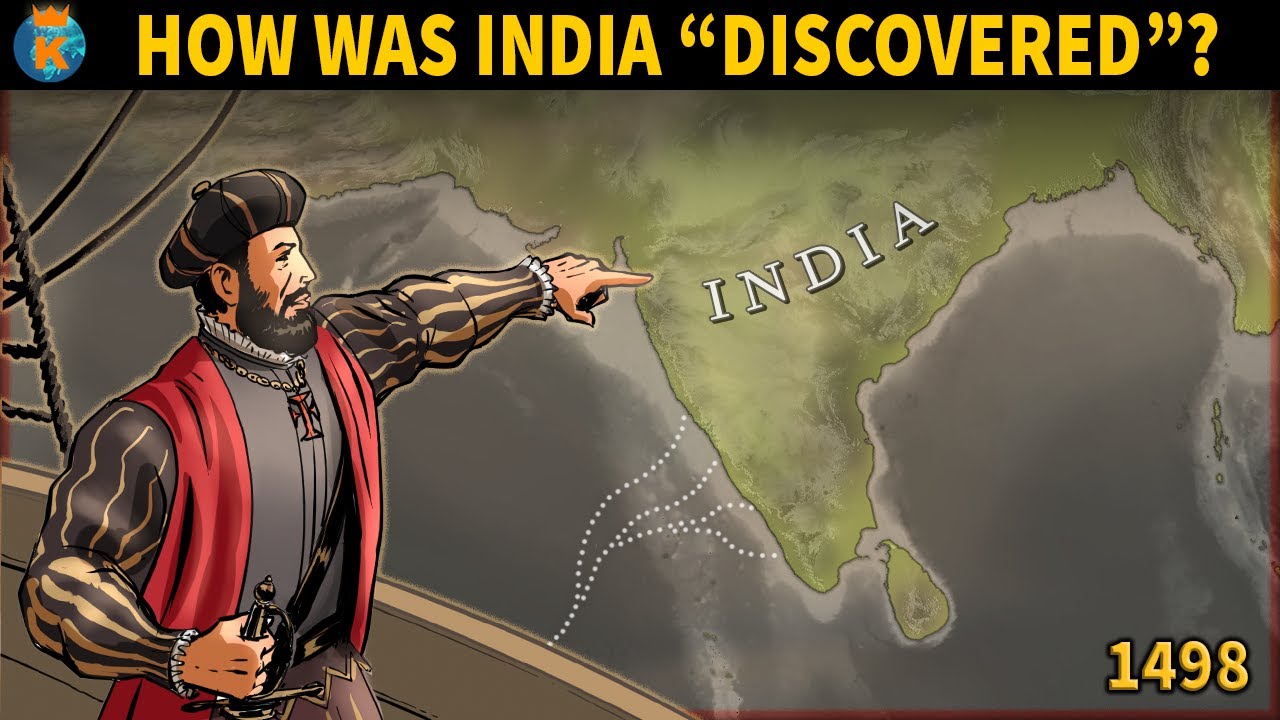
- (b) India Reached (): Building on this success, Portuguese fleets crossed the ocean and reached India in under eleven months, opening direct sea trade between Europe and Asia.
⚡ Quick Revision Capsule: 15th-Century European Maritime Expansion
A quick summary of key events, people, and treaties during the Age of Exploration.
| Event / Figure | Year / Period | Key Significance |
|---|---|---|
| Fall of Constantinople | Ottoman forces blocked land trade routes, forcing Europeans to search for sea routes. | |
| Prince Henry the Navigator | 15th Century | Funded Portuguese maritime research and coastal voyages along West Africa. |
| Bartholomew Dias | Rounded the southern tip of Africa (Cape of Good Hope), opening the ocean route to Asia. | |
| Treaty of Tordesillas | Divided newly discovered lands between Spain and Portugal using an Atlantic demarcation line. | |
| Direct Sea Route to India | Portuguese ships completed the ocean journey to India, starting direct Europe-Asia trade. |
📝 Summary
The fall of Constantinople in , rising prices from land route middle merchants, and growing European demand for spices forced nations to search for ocean routes to India. Portugal led these efforts under Prince Henry, using progress made by sailors like Bartholomew Dias and legal backing from the Treaty of Tordesillas in . For students preparing for exams, this period highlights how political shifts triggered ocean exploration and changed global trade patterns.
🚀 Quick Revision Points
Essential facts to review before examinations:
- (i) Land route closures following created an urgent need for an all-water sea route to Asia.
- (ii) European farming improvements boosted local economies, raising demand for imported spices and silk.
- (iii) Prince Henry established early leadership in ocean navigation for Portugal.
- (iv) The Treaty of Tordesillas guaranteed Portugal exclusive exploration access east of the Atlantic line.
- 💡 Exam Tip: Focus on how the fall of Constantinople () directly links to Portuguese naval efforts and the signing of the Treaty of Tordesillas ().
❓ Frequently Asked Questions (FAQ)
Q1: Why did Europeans need a sea route to India in the 15th century?
A1: Ottoman control over land routes after raised prices on spices and goods, making direct sea routes necessary.Q2: What role did Prince Henry the Navigator play?
A2: He funded navigation schools, map-making, and voyages down the African coast, giving Portugal an early lead in maritime exploration.Q3: How did the Treaty of Tordesillas help Portugal?
A3: Signed in , the Treaty of Tordesillas gave Portugal rights to lands east of the Atlantic line, protecting their ocean path around Africa to India.