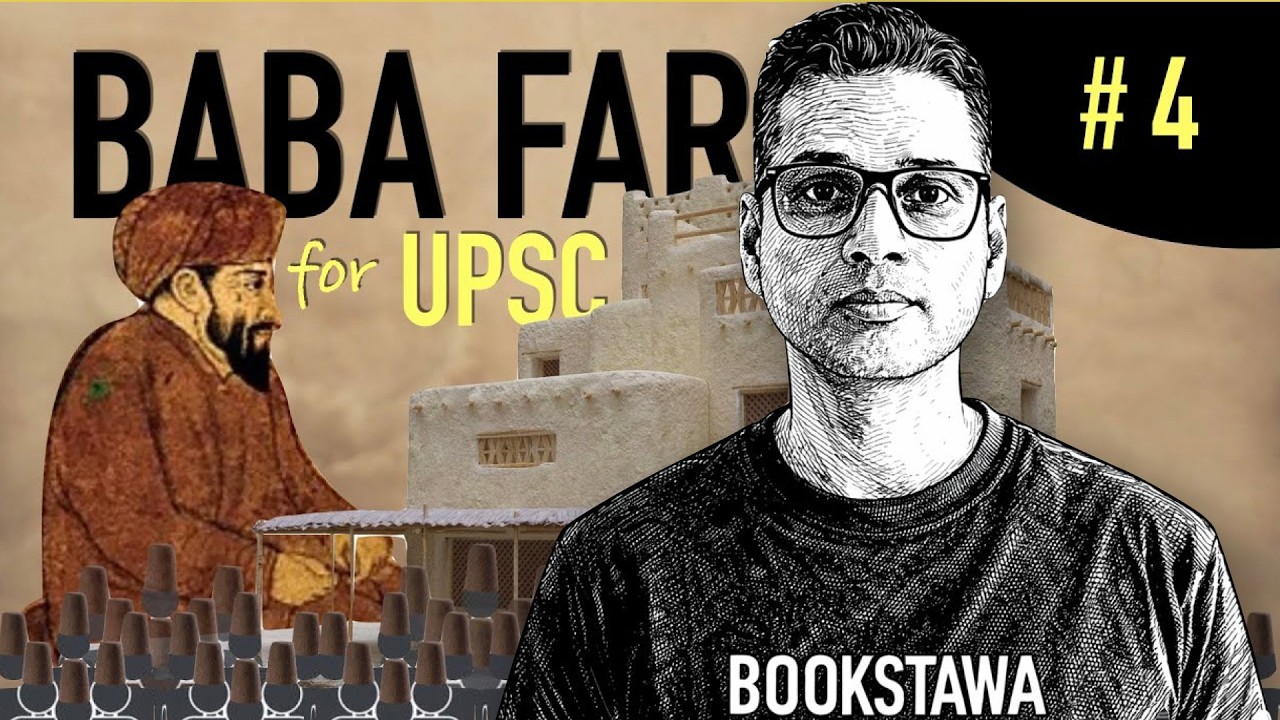
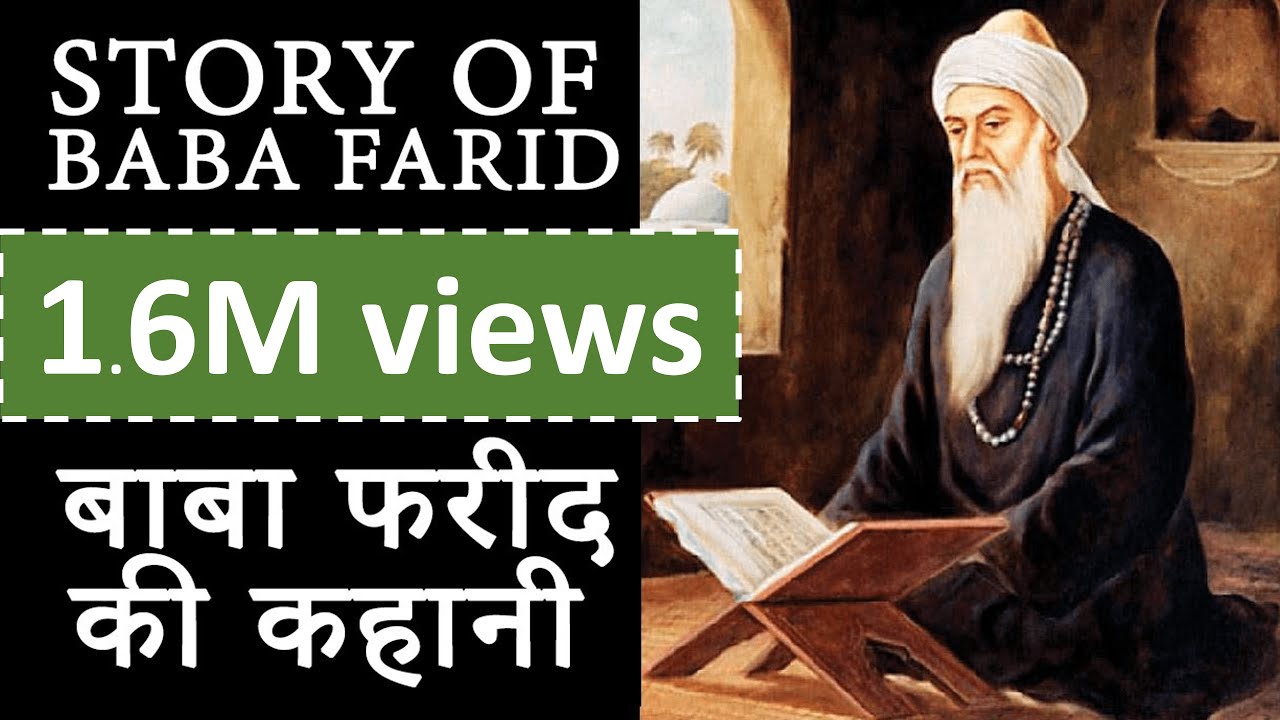
Baba Farid, also known as Farīduddīn Masūd Ganjshakar (–), was a revered Sufi saint, Punjabi poet, and Islamic preacher. Celebrated during the Islamic Golden Age, his teachings of humility, divine love, and equality influenced Muslims, Hindus, and Sikhs. His contributions to Punjabi literature and Sufism make him an essential figure for students preparing for history and cultural studies exams.
🎯 In this chapter, you will understand:
- The early life, lineage, and spiritual upbringing of Baba Farid.
- His spiritual journey under Khwaja Qutbuddin Bakhtiar Kaki and his role in the Chishti order.
- His pathbreaking literary contributions to early Punjabi Sufi poetry.
- His enduring cultural impact, including the Langar system and inclusion in the Guru Granth Sahib.
💡 Why this topic matters: Baba Farid bridges major religious and literary traditions in South Asia, marking the beginning of Punjabi spiritual literature and community service practices.
🧠 Core Idea: Spiritual devotion, social equality, and divine love expressed through simple vernacular poetry can unify diverse communities across centuries.
Pioneer of Sufism and Punjabi Literature
Baba Farid is remembered as a spiritual guide and pioneer of Punjabi Sufi poetry whose influence shaped South Asian spirituality. From his birth in in Punjab to his death in at Pakpattan, Baba Farid’s life embodied devotion, simple living, and service. He bridged faiths through his teachings and writings, inspiring Sufism, Sikhism, and Punjabi culture.
- (i) He emphasized spiritual equality through poetry and practice.
- (ii) His life journey included deep meditation, travels, and discipleship.
- (iii) His legacy survives through shrines, literature, and Sikh scripture.
Birth and Family Heritage of Baba Farid
Baba Farid was born in at Kothewal near Multan, a major hub of Islamic scholarship. His family background shaped his spiritual foundations and connected him to Islamic learning centers.

- His early home environment prioritized high moral values and devotion.
Parentage and Ancestry
Baba Farid’s father was Jamāl-ud-dīn Suleimān and his mother was Maryam Bībī (Qarsum Bībī). Their migration from Kabul to the Indus Valley placed Farid in the cultural crossroads of Punjab and Multan.
- (i) The family lineage traced back to spiritual traditions from Kabul.
- (ii) Settling in Multan connected him to Islamic educational networks.
- (iii) His early childhood was steeped in religious and scholarly teachings.
Spiritual Journey and Sufi Mentorship
Baba Farid’s transformation into a Sufi saint began under the guidance of Khwaja Qutbuddin Bakhtiar Kaki. This journey established him as the leader of the Chishti order after Kaki’s passing.
- He spent decades undergoing rigorous personal discipline and meditation.
Training in Delhi under Qutbuddin Kaki
Farid met Khwaja Qutbuddin Kaki in Multan and later followed him to Delhi. Under his mentorship, Farid developed the selfless discipline and Sufi philosophy that defined his teachings.
- (i) Gained spiritual insight through years of rigorous meditation.
- (ii) Adopted humility and renunciation as guiding principles.
- (iii) After , he became the successor of the Chishti order.
Settlement in Ajodhan (Pakpattan)
Baba Farid eventually settled in Ajodhan (modern Pakpattan, Pakistan), which became a center for Sufi learning and devotion, attracting disciples from across South Asia.
- (a) Pakpattan became a pilgrimage hub for seekers of spiritual wisdom.
- (b) His Khanqah (Sufi lodge) served as a place of prayer and community meals.
- (c) Disciples carried his teachings to different regions, expanding the Chishti network.
Contributions to Punjabi Literature
Baba Farid pioneered the use of the Punjabi language in spiritual poetry. His verses remain foundational for Punjabi literature and influenced later poets like Guru Nanak and Bulleh Shah.
- He chose the local spoken tongue over traditional scholarly languages to reach everyday people directly.
Themes of Baba Farid’s Poetry
His poems addressed love, morality, humility, and divine remembrance. They resonated with both common people and scholars, spreading messages of equality and devotion.
Classical script showing early Punjabi literary compositions - (i) Verses emphasized the impermanence of worldly life.
- (ii) He advocated compassion, patience, and spiritual focus.
- (iii) His poetry served as early moral guidance in Punjabi society.
Shrines, Urs, and Commemorations
Baba Farid’s shrine at Pakpattan is among the most sacred Sufi shrines in South Asia. Annual commemorations celebrate his spiritual heritage.
- The location remains a major gathering point for pilgrims from varied religious backgrounds.
Architecture and Spiritual Features
The shrine features the Nūrī Darwāza (Gate of Light) and Bahishtī Darwāza (Gate of Paradise), symbolizing spiritual illumination and salvation.
- (i) Built in white marble with intricate designs.
- (ii) Hosts Langar offering free meals to pilgrims.
- (iii) Attracts devotees across religious boundaries.
Urs Festival of Baba Farid
The six-day Urs festival is held every Muharram at Pakpattan. The opening of the Bahishtī Darwāza symbolizes forgiveness and divine mercy.
- (a) Thousands of pilgrims gather annually.
- (b) Rituals include qawwalis, prayers, and processions.
- (c) Recognized as one of the biggest Sufi gatherings in South Asia.
⚡ Quick Revision Capsule: Key Aspects of Baba Farid
Here is a quick overview summarizing the core details of Baba Farid's life and work for fast review:
| Aspect | Historical Details | Key Significance |
|---|---|---|
| Lifespan | – | Spanned the Islamic Golden Age in medieval Punjab |
| Lineage | Father: Jamāl-ud-dīn Suleimān, Mother: Maryam Bībī | Migrated from Kabul to Multan region |
| Sufi Order | Chishti Order (Successor to Khwaja Qutbuddin Bakhtiar Kaki) | Established primary hub at Ajodhan (Pakpattan) |
| Literary Impact | Pioneered spiritual poetry in the Punjabi language | Influenced Guru Nanak and Bulleh Shah |
| Scriptural Presence | 123 hymns included in the Guru Granth Sahib | Demonstrates universal acceptance across faith traditions |
📝 Summary
Baba Farid (–) was a Sufi poet, Punjabi mystic, and spiritual leader whose influence spread across Islam, Sikhism, and South Asian culture. His teachings of humility, love, and equality remain highly relevant for students and exam preparation. From his poetry in Punjabi to the establishment of Langar and his inclusion in the Guru Granth Sahib, his enduring contributions highlight his place among the most celebrated saints of South Asia.
🚀 Quick Revision Points
Essential facts to review before examinations:
- (i) Pioneer of Punjabi Sufi literature who chose common speech over formal court languages.
- (ii) Headed the Chishti order after from his center in Pakpattan.
- (iii) Initiated the public Langar community kitchen model in Punjab.
- (iv) Honored with 123 hymns compiled inside the sacred Guru Granth Sahib.
- 💡 Exam Tip: Remember that Baba Farid’s verses are recorded in the Guru Granth Sahib, and he is widely recognized as the first major poet of the Punjabi language.
❓ Frequently Asked Questions (FAQ)
Q1: What are the main years associated with Baba Farid's life?
A1: He lived from to .Q2: What community institution did Baba Farid popularize in Punjab?
A2: He established the Langar system (free community kitchen), serving everyone regardless of rank or background.Q3: How is Baba Farid connected to Sikh scriptures?
A3: Guru Arjan Dev Ji incorporated 123 hymns of Baba Farid into the holy Guru Granth Sahib.