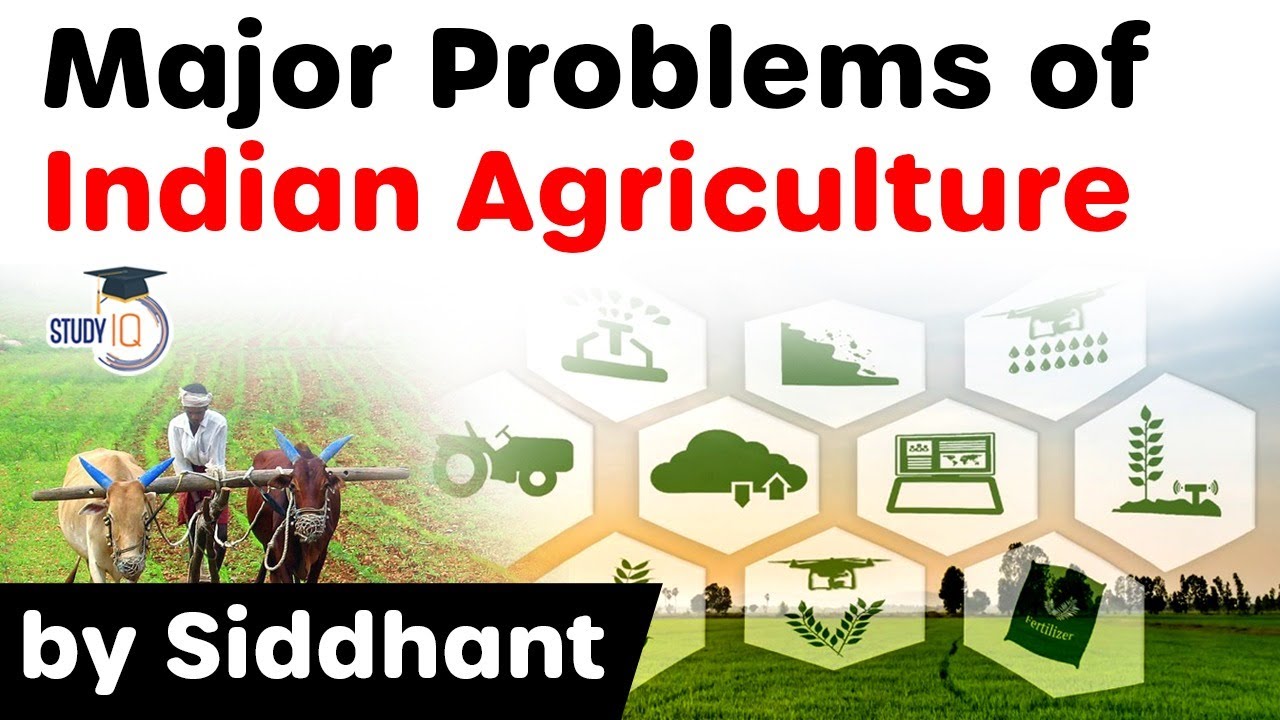
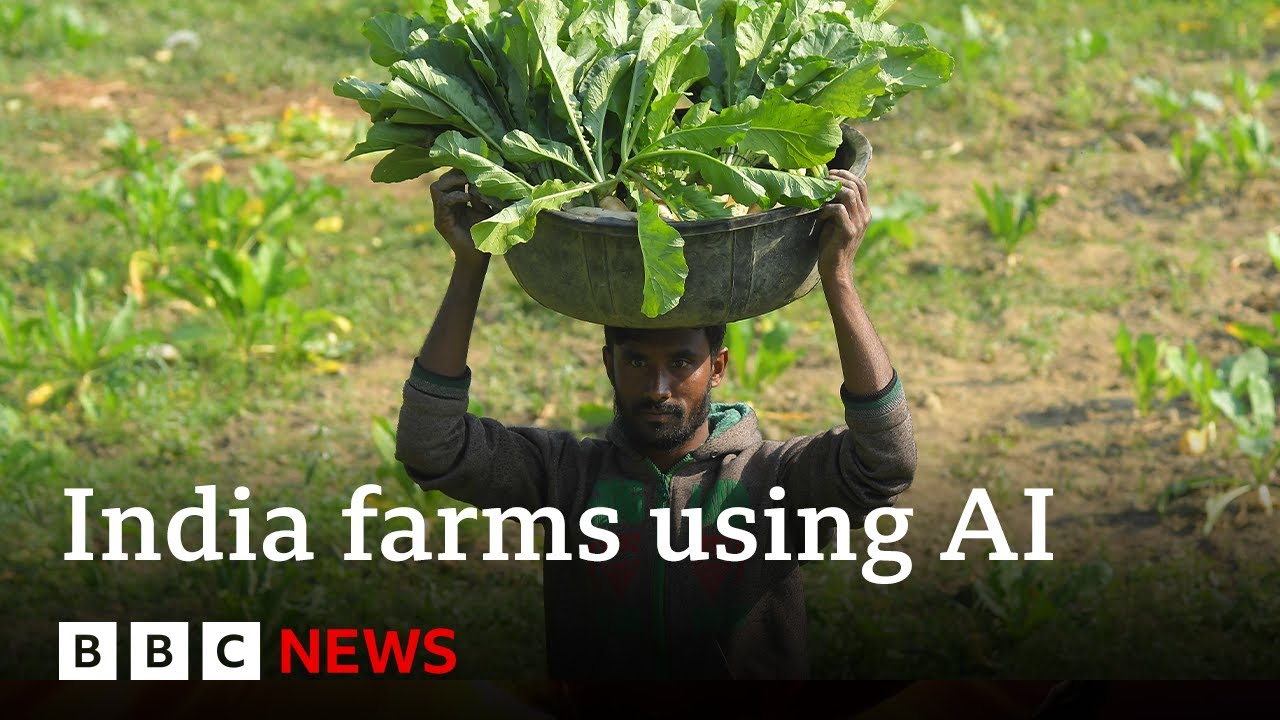
This comprehensive analysis explores the strategic issues and concerns of Indian agriculture, specifically examining the sector's performance since the economic reforms of the . Understanding these institutional weaknesses and productivity challenges is essential for students and candidates preparing for competitive examinations focused on the Indian economy.
🎯 In this chapter, you will understand:
- The major structural challenges and performance trends in Indian farming since the .
- How agricultural slowdown creates socio-economic gaps and impacts national food security.
- The crucial balance between public and private investment in rural infrastructure.
- Institutional reforms required in credit access, land tenure, and market networks.
💡 Why this topic matters: Agriculture supports nearly half of India's workforce, making its productivity vital for national economic stability, rural livelihoods, and long-term food security.
🧠 Core Idea: Reversing the slowdown in farming requires targeted public investments, technology adoption, structural land reforms, and transparent market access for small farmers.
Issues and Concerns of Indian Agriculture: A Strategic Analysis of Performance and Policy
The landscape of Indian farming has been marked by a period of significant transition and underlying distress, particularly as the sector's growth began to lag behind the broader national economy.
As the primary livelihood for the majority of the population, the agricultural sector's health is directly connected to India's social stability and food security. However, recent decades have revealed deep-seated structural problems. A visible slowdown has occurred in agricultural production, overall productivity, and the total value of output. Historically, the witnessed a worrying slowdown in the growth of the agriculture sector compared to the , laying the groundwork for what is often termed the agrarian crisis. The role of government support shifted unfavorably as state backing and risk-mitigation measures were reduced, leaving farmers to face market ups and downs alone.
Implications of Poor Agricultural Performance
The stagnation of the primary sector while other industries boom creates a dangerous economic imbalance with wide-reaching social consequences.
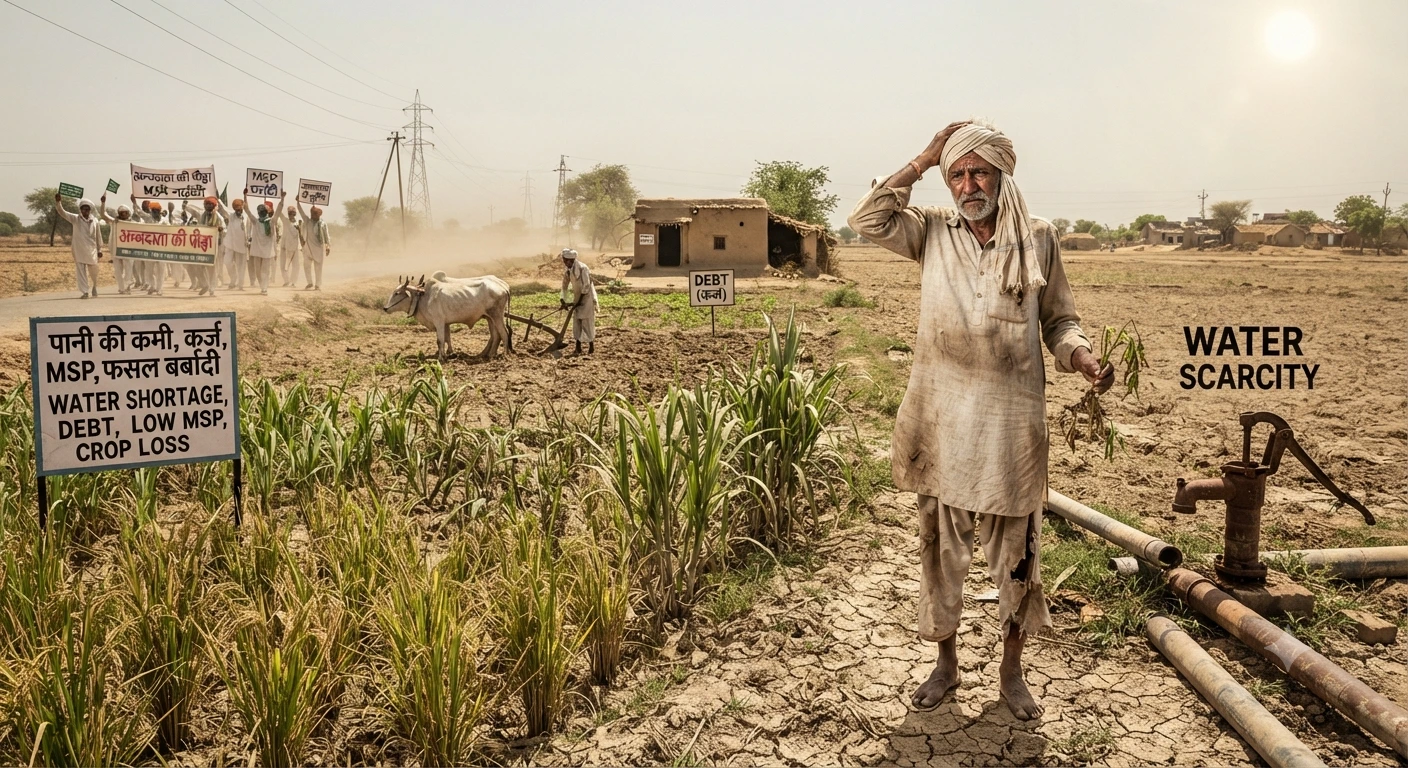
Widening Income Disparities and Labor Displacement
The sluggish performance of the fields has directly contributed to a growing gap between rural agricultural incomes and urban non-agricultural earnings, threatening the social fabric of the nation.
- (i) Since roughly 43-46% (historically around 50%) of the national workforce remains dependent on farming, slow growth puts this massive population under extreme financial distress.
- (ii) There is a notable decline in the area under food grains, a trend from the that must be reversed to ensure long-term national food security.
- (iii) While expansion in irrigation coverage can help maintain the gross cropped area, the physical limits of ultimate irrigation potential mean we cannot rely on land expansion alone.
Productivity Growth and Research Dynamics
Future agricultural success depends less on expanding land area and more on the efficiency and scientific advancement of every acre cultivated.
The Role of Research and Technology Diffusion
In an era where land expansion has hit its upper limit, crop productivity growth emerges as the only viable path for sustaining the Indian peasantry.

Technology Diffusion and Crop Yield Enhancement - Structural Limitations: Structural issues continue to create imbalances across different crops and geographical regions.
- Aggregate Supply Response: The supply response remains inadequate, which risks creating persistent demand-supply gaps for essential crops.
- Technology Diffusion: Scientific research and practical technology diffusion are the primary engines for yield improvement.
- Yield Optimization: Even without radical breakthroughs, better dissemination of existing farming knowledge can significantly raise current crop yields.
Investment in Agriculture and Infrastructure
Revitalizing the sector requires a massive influx of capital, necessitating a balance between state intervention and private initiative.
Balancing Public and Private Capital Flows
While private investment trends show promise, the public sector must lead in areas where private profit motives are insufficient, such as large-scale irrigation and agricultural research.
- (i) Public investment in irrigation, rural communication, and land degradation control is non-negotiable for sustainable growth.
- (ii) There is an urgent need to redirect funds by reducing subsidies on water, electricity, and fertilizers, which often benefit only the wealthier farmers.
- (iii) Operation and Maintenance (O&M): Existing public assets are currently deteriorating due to a lack of maintenance funds; this trend requires immediate reversal.
Focus Areas for Rural Infrastructure
Key interventions include developing dryland farming techniques to support rain-fed regions, accelerating reforestation and soil health management to combat land degradation, and upgrading extension services to connect labs directly with farmers.
⚡ Quick Revision Capsule: Indian Agricultural Reform Pillars
A structured overview of core challenges, key impacts, and strategic policy interventions in Indian agriculture.
| Pillar / Theme | Core Challenge | Strategic Intervention |
|---|---|---|
| Sector Growth | Growth slowdown post- and reduced state support. | Increase public investment in capital assets and infrastructure. |
| Income & Workforce | Wide gap between rural and urban earnings affecting nearly half the workforce. | Promote yield optimization and diversify into high-value commodities. |
| Technology & Research | Physical limits on land expansion and uneven crop yield growth. | Enhance scientific technology diffusion and field extension services. |
| Infrastructure & Capital | Neglected asset maintenance and misdirected input subsidies. | Reallocate subsidies into Operation & Maintenance (O&M) and dryland farming research. |
| Credit & Institutions | Informal high-interest debt traps and concealed tenancy issues. | Implement land tenure reforms and expand Contract farming and co-ops like Mother Dairy. |
📝 Summary
The transition of Indian agriculture from a state of distress to sustainable productivity hinges on targeted public investment and deep institutional reform. Since the , addressing growth deceleration, credit accessibility, land tenure security, and research diffusion has remained central to economic policy. Securing these long-term measures is essential to support the rural workforce and safeguard the nation's future food security as outlined in economic studies like Indian Economy Policy Review.
🚀 Quick Revision Points
Essential facts to review before examinations:
- (i) The post- period marked a slowdown in agricultural production and public support.
- (ii) Nearly half of India's workforce relies on agriculture, making crop yield growth critical for rural income equality.
- (iii) Land expansion has hit its limit, making scientific technology diffusion the main source of future output gains.
- (iv) Institutional credit systems need repair to replace high-interest informal lenders for small and marginal farmers.
- 💡 Exam Tip: When answering questions on agricultural reforms, emphasize the distinction between input subsidies and capital-forming public investments in irrigation and R&D.
❓ Frequently Asked Questions (FAQ)
Q1: Why did agricultural growth slow down in India during the 1990s?
A1: The slowdown was caused by reduced public investment in rural infrastructure, declining yield growth, and the state stepping back from risk-mitigation measures during economic reforms.Q2: What is the main structural bottleneck for small and marginal farmers?
A2: The primary bottlenecks include poor access to formal agricultural credit, insecurity of land tenure due to concealed tenancy, and inadequate post-harvest infrastructure.Q3: How can technology and extension services improve agricultural output?
A3: By bridging the gap between research laboratories and fields, extension services help farmers adopt yield-enhancing methods and climate-resilient crop varieties even without expanding land area.