The scope and classification of biogeography is a critical area of study bridging biology and geography, focusing on the distribution of plants and animals across the Earth’s biosphere. From historical evolutionary patterns to modern ecological dynamics, understanding biogeography enhances environmental awareness and is highly relevant for students preparing for competitive exams and academic research.
🎯 In this chapter, you will understand:
- How biogeography connects ecology, evolution, and Earth sciences.
- The interdisciplinary scope and modern tools like remote sensing and GPS tracking.
- The main branches: Historical (Paleo) and Ecological Biogeography.
- Global floral and faunal classification systems developed by Sclater and Wallace.
💡 Why this topic matters: It helps us understand where living organisms live, why they live there, and how past continental shifts and current environmental changes shape life on Earth.
🧠 Core Idea: Biogeography combines historical evolutionary history with present-day ecological conditions to map and explain the distribution of life across ecosystems.
Scope and Classification of Biogeography: Comprehensive Study and Applications
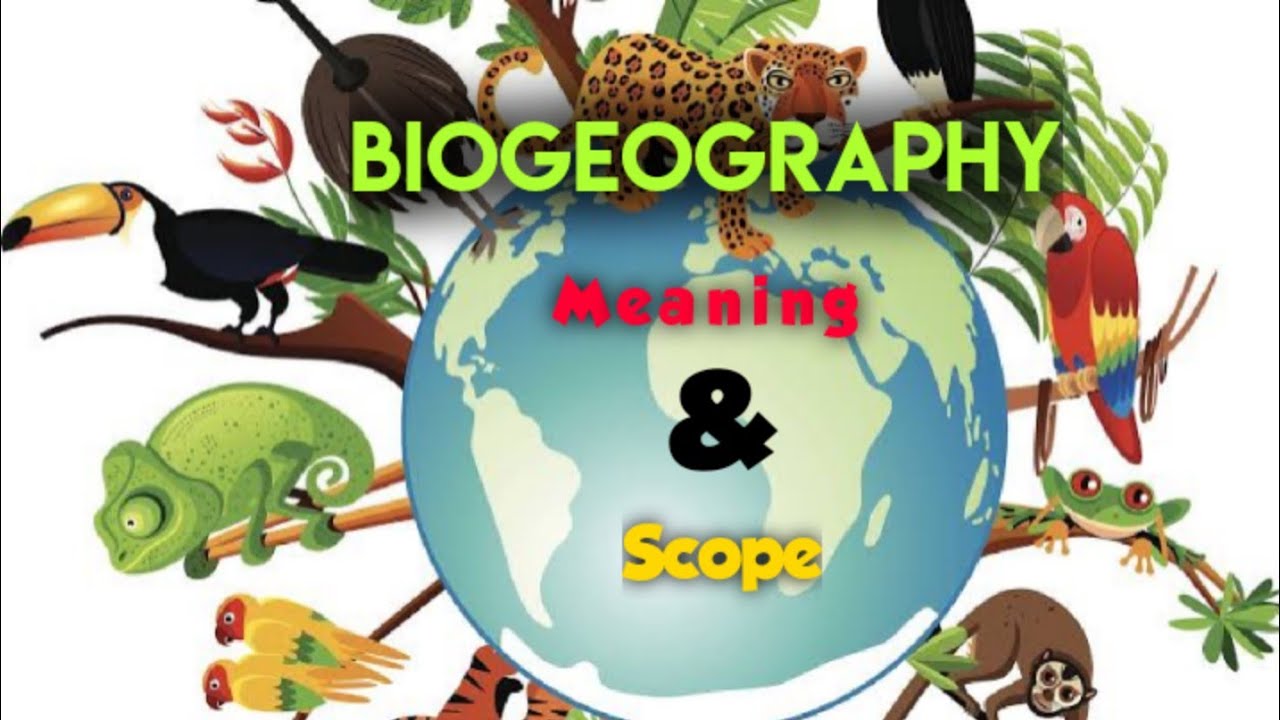
Biogeography integrates multiple disciplines to study the distribution, diversity, and evolution of life forms across space and time.
This field draws on biology, geography, climatology, geology, anthropology, and taxonomy, combining historical insights with modern technological tools to analyze spatial and temporal patterns of life on Earth.
- (i) Biogeography connects ecology and evolution to understand how environmental changes influence species distribution.
- (ii) It addresses impacts of climate change, human activities, and natural resource exploitation on ecosystems.
- (iii) From the onward, tools like remote sensing, GPS mapping, and statistical software have revolutionized analysis of organism distribution.
- (iv) Modern biogeography studies variations at scales from genes to ecosystems, considering factors such as latitude, elevation, isolation, and area.
Scope of Biogeography: Interdisciplinary Significance
The scope of biogeography encompasses ecological, evolutionary, and applied studies, helping understand species distribution and environmental changes.

Disciplinary Contributions
Biogeography integrates knowledge from multiple sciences to create a comprehensive understanding of the Earth’s biosphere and human-environment interactions.
- (i) Botany & Zoology: Understanding plant and animal distribution patterns.
- (ii) Hydro-geomorphology & Climatology: Studying physical environment impacts on habitats.
- (iii) Geology & Pedology: Explaining historical and soil-based influences on species.
- (iv) Anthropology: Examining human impact on ecosystems and biodiversity.
Modern Technological Tools
Advancements in technology have significantly improved biogeographic research precision and accessibility.
- (i) Remote Sensing: Mapping inaccessible regions and habitat monitoring.
- (ii) GPS Tracking: Studying species migration and distribution patterns.
- (iii) Statistical Software: Analyzing spatial data for predictive ecological models.
Classification of Biogeography: Historical and Ecological Perspectives
Biogeography is classified into historical (paleo) and ecological branches, reflecting past and present species distribution patterns.
a) Historical (Paleo) Biogeography
This field examines the past distribution of species using biotic and abiotic factors to understand evolution and migration patterns.
- (i) Studies adaptation, predation, competition along with geology, climate, soil, and light factors.
- (ii) Tropical regions show higher species richness due to stable climates and lower extinction rates during glacial periods.
- (iii) Employs paleogeography, fossil records, and plate tectonics to trace species migration via continental drift.
b) Ecological Biogeography
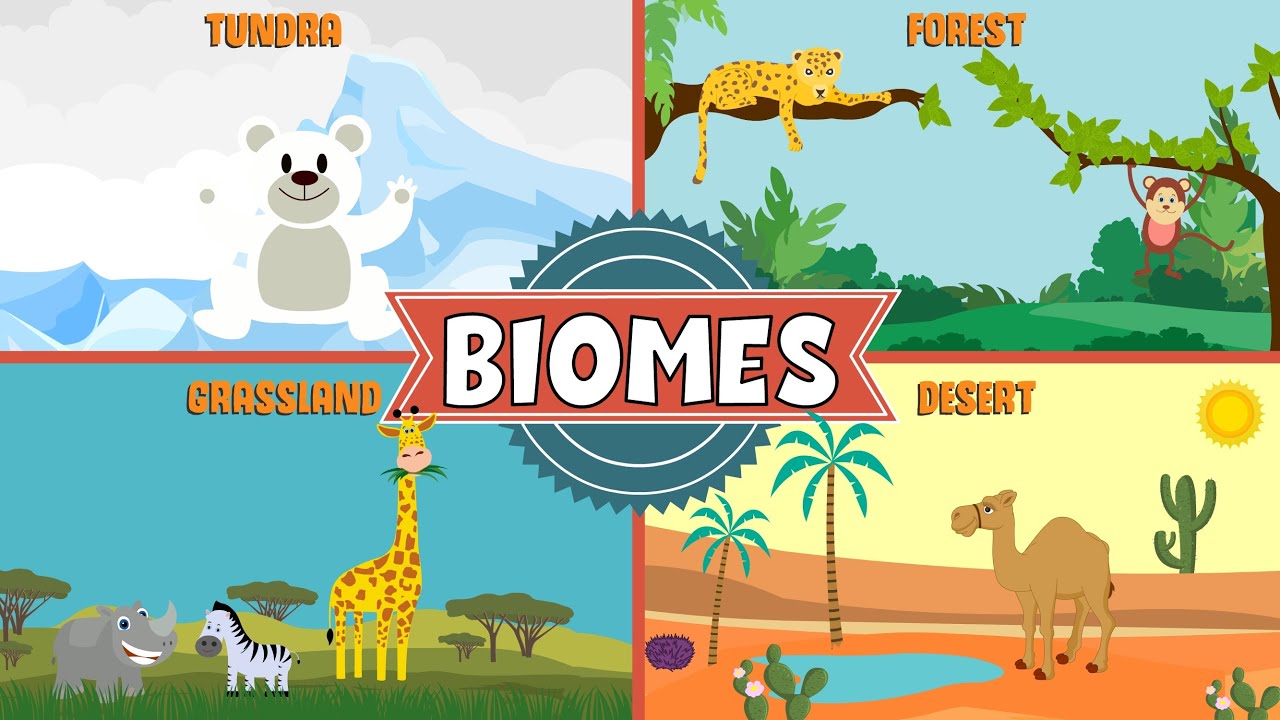
Focuses on current distribution of flora and fauna relative to environmental and ecosystem factors.
Ecological factors influencing modern species diversity i) Climatic Equability
Examines how temperature fluctuations affect species diversity.
- (a) High latitudes experience strong diurnal and seasonal variations, limiting diversity.
- (b) Tropics have stable climates, supporting rich biodiversity.
- (c) Topography also modifies local climatic conditions influencing species distribution.
ii) Primary Productivity
Studies evapotranspiration as a driver of vegetation growth and ecosystem productivity.
- (a) Warm, moist regions (tropics) support lush vegetation through high evapotranspiration.
- (b) Cold regions show reduced plant growth due to low evapotranspiration.
iii) Habitat Heterogeneity
Explains how diverse habitats lead to higher species diversity.
- (a) Multiple ecological niches increase biodiversity.
- (b) Complex landscapes provide stability for species coexistence.
Global Classification
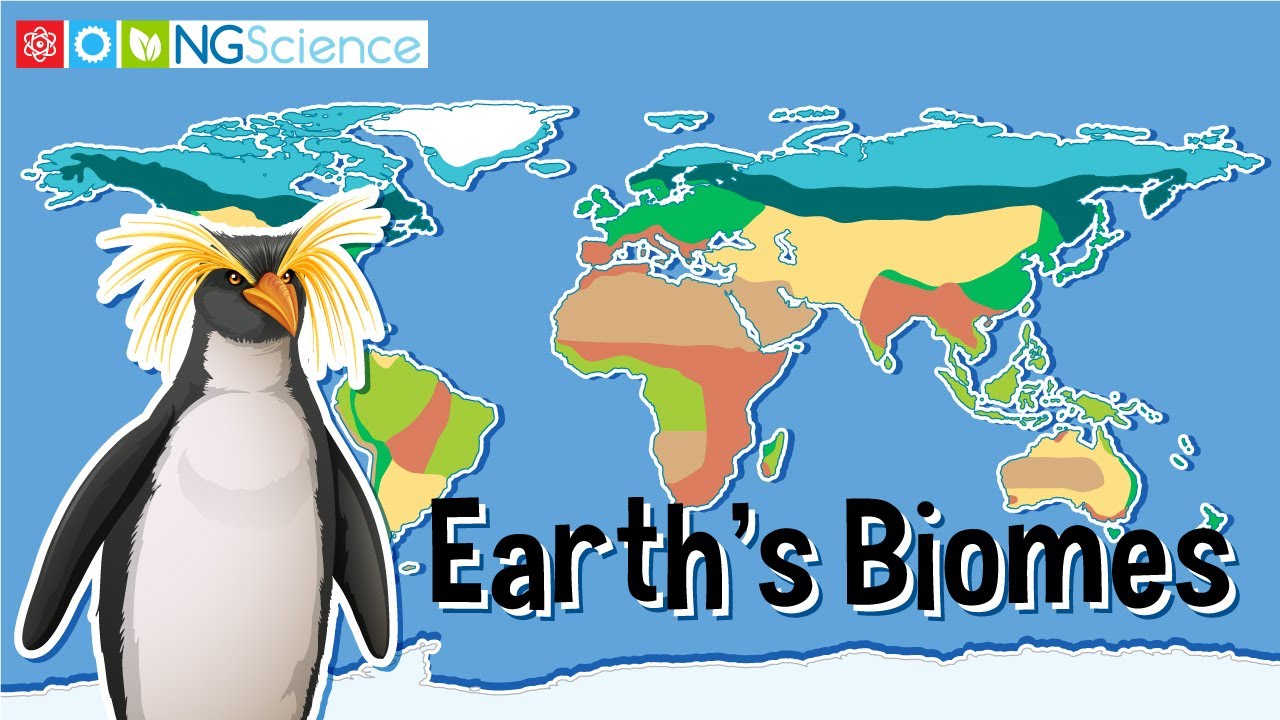
P.L. Sclater and A.R. Wallace divided fauna into Old World and New World realms with six major biogeographic regions.
- (i) Old World (Creatio Paleogeana): Europe, northern Asia, Africa south of Sahara, India, southern Asia, Australia, New Guinea.
- (ii) New World (Creatio Neogeana): North America, South America.
- (iii) Six regions: Nearctic, Neotropical, Palaearctic, Ethiopian, Oriental, Australian, still widely used for classification.
⚡ Quick Revision Capsule: Biogeography Classification & Scope
A quick comparison of key branches, factors, and global biogeographic divisions.
| Branch / Concept | Primary Focus | Key Determinants / Examples |
|---|---|---|
| Historical Biogeography | Past distribution, evolutionary history, and species origin | Fossils, plate tectonics, paleogeography |
| Ecological Biogeography | Current species patterns in response to modern environments | Climate equability, evapotranspiration, habitat diversity |
| Climatic Equability | Impact of temperature stability on diversity | Stable tropics vs. extreme high latitudes |
| Primary Productivity | Vegetation growth and ecosystem output | High evapotranspiration drives tropical lushness |
| Global Fauna Realms | Classification by Sclater and Wallace | Old World (Paleogeana) vs New World (Neogeana) |
📝 Summary
In conclusion, the scope and classification of biogeography is fundamental for understanding species distribution, ecological patterns, and evolutionary processes. From historical migrations traced across to modern ecological studies, its applications are crucial for students, researchers, and environmental planners alike. Comprehensive knowledge of biogeographic principles enhances academic preparation, environmental conservation strategies, and practical ecosystem management.
🚀 Quick Revision Points
Essential facts to review before examinations:
- (i) Biogeography bridges biology and geography to map species across space and time.
- (ii) Technological advancements like remote sensing and GPS mapping revolutionized modern field research.
- (iii) Historical biogeography studies evolution using plate tectonics and fossil evidence.
- (iv) Sclater and Wallace created the foundational six global biogeographical regions.
- 💡 Exam Tip: Remember the distinction between Sclater & Wallace's Old World (Creatio Paleogeana) and New World (Creatio Neogeana) realms and their six primary regions for competitive exams.
❓ Frequently Asked Questions (FAQ)
Q1: What are the main branches of biogeography?
A1: Biogeography is broadly divided into Historical (Paleo) Biogeography, which studies past species distributions and evolutionary shifts, and Ecological Biogeography, which focuses on modern interactions between species and their environment.Q2: How do modern tools assist biogeographic research?
A2: Technologies like remote sensing, GPS tracking, and statistical modeling allow scientists to map remote ecosystems, monitor species migration, and forecast habitat changes accurately.Q3: Who formulated the major global biogeographical regions?
A3: P.L. Sclater and A.R. Wallace classified global fauna into Old World and New World realms containing six distinct biogeographic regions: Nearctic, Neotropical, Palaearctic, Ethiopian, Oriental, and Australian.