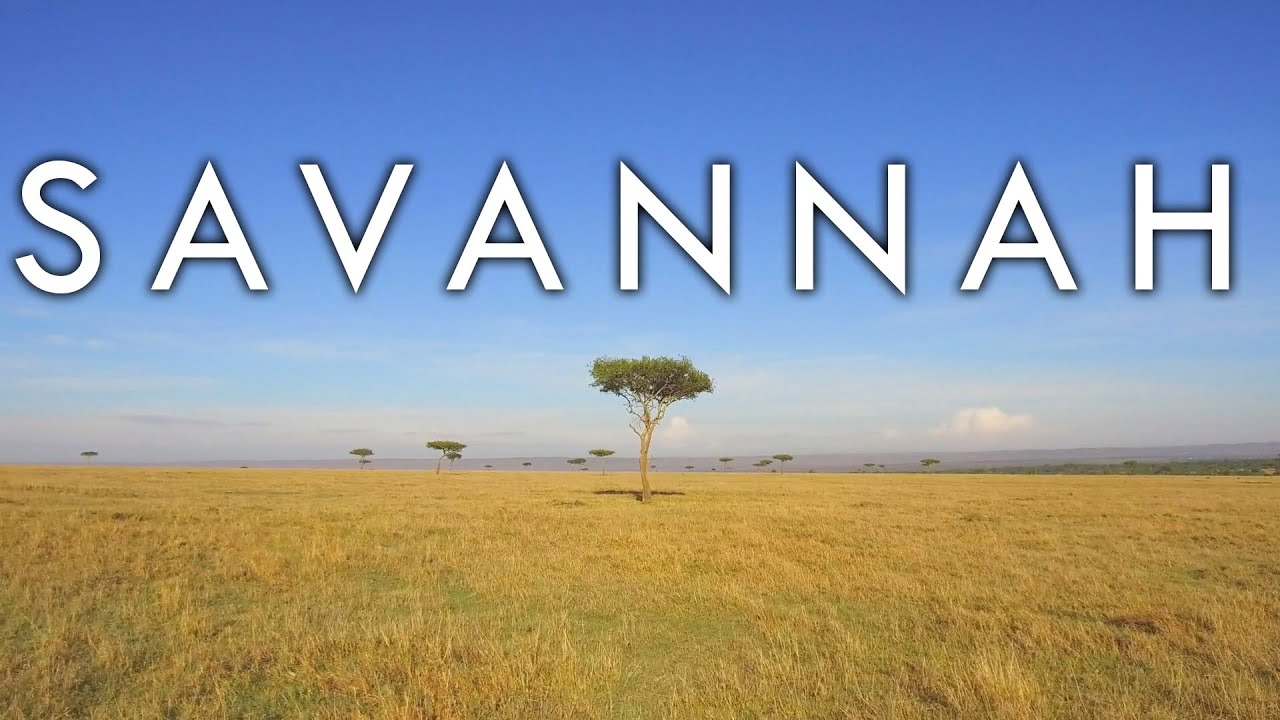
The Tropical Grassland Biome, commonly called the Savannah ecosystem, is a key ecological region around the world. It is known for its tall grasses, scattered trees, and seasonal rainfall patterns. Spanning parts of Africa, South America, India, and Australia, this region supports a rich variety of plants and animals. Studying its geographical distribution, climate, plants, fire adaptations, and wildlife gives essential knowledge for students preparing for competitive exams, highlighting crucial ecological processes, biodiversity patterns, and human impacts. This topic helps build strong environmental geography knowledge and increases awareness about ecosystem conservation.
🎯 In this chapter, you will understand:
- The geographic locations and climatic conditions that shape the Savannah grassland biome.
- How native plant species adapt to survive seasonal droughts and natural wildfires.
- The behavioral patterns and fire survival strategies of Savannah wildlife.
- The vital ecological balance maintained by fire cycles, rainfall, and grazing animals.
💡 Why this topic matters: The Savannah biome connects dense tropical forests and dry deserts, hosting unique adaptations and global wildlife migrations that are frequently tested in environmental geography examinations.
🧠 Core Idea: Seasonal rainfall and natural fire cycles maintain the open structure of tropical grasslands, preventing trees from overcrowding the landscape while supporting immense animal populations.
Tropical Grassland (Savannah) Biome: Ecosystem Characteristics, Flora, Fauna, and Adaptations
The Savannah biome represents one of the largest and most ecologically important land ecosystems on Earth. It acts as a middle zone between tropical rainforests and dry deserts, shaped by rainfall cycles and human activities. The Savannah supports famous wildlife species and showcases remarkable plant adaptations.
- (i) Spread across regions in Africa, South America, Australia, India, and North America.
- (ii) Dominated by grasslands with scattered trees, which often form open, light-filled woodlands.
- (iii) Serves a key role in supporting large mammals, rich biodiversity, and local pastoral farming communities.
- (iv) Faces ongoing threats from climate changes, tree cutting, and expanding farmland.
Geographical Distribution and Climatic Conditions of Savannah
The Savannah biome stretches across multiple continents and experiences distinct alternating rainy and dry periods. This climate directly controls plant growth and animal behavior.

Climatic Features of Savannah Grasslands
The weather in the Savannah is defined by long, warm rainy periods in summer and clear, dry periods in winter. Annual rainfall usually ranges from 250 mm to 1250 mm each year, but rain falls in a very uneven and unpredictable pattern.
- (i) Extended wet periods lasting 6 to 8 months allow grasses to grow quickly and thick.
- (ii) Severe dry seasons cause drought conditions, stopping trees from growing densely across the landscape.
- (iii) Unpredictable weather changes trigger seasonal animal movements and natural fire events.
Global Distribution of the Savannah Biome
While Savannah grasslands exist across many continents, each geographic region features distinct local plants and animal communities.
- (a) Africa: Home to the largest and most famous Savannahs, especially in country areas across Kenya, Tanzania, and Botswana.
- (b) South America: The Brazilian region called the Cerrado forms one of the richest grassland ecosystems in terms of plant species.
- (c) India: Dry grassland patches exist mainly across central and western areas like Madhya Pradesh and Rajasthan.
- (d) Australia: Tropical grasslands here support native marsupials like kangaroos along with distinct bird species.
- (e) North America: Large prairie areas share similar grassland conditions with traditional Savannah regions.
Flora and Fire Adaptations in Tropical Grasslands
Plants in the Savannah biome display amazing ways to survive dry conditions, regular fires, and plant-eating animals. Deep-rooted grasses dominate the landscape alongside scattered drought-resistant trees.
Dominant Plant Species and Survival Mechanisms
The plant life consists mostly of fast-growing grasses that can reach over 2 to 3 meters high, often called Elephant Grass. Small groups of tough trees stand scattered throughout the grassy plains.
Plant adaptations showing deep roots and water storage features in Savannah trees. - Acacia trees: Grow long taproots reaching deep underground water and feature tiny leaves to reduce water evaporation.
- Baobab trees: Store large reserves of water inside their thick trunks to stay alive during long droughts.
- Grasses: Sprouts new shoots rapidly after fires or animal grazing, keeping the grassland healthy and resilient.
Role of Fire in Savannah Ecosystem
Natural fires act as a healthy regulator that clears dead plant matter and recycles valuable nutrients back into the dirt.
- (a) Bushfires clear away old, dead grass stems to make room for fresh new growth.
- (b) Ash left behind enriches the topsoil by releasing trapped minerals back into the ground.
- (c) Fire keeps the countryside open by stopping dense forests from growing over grasslands.
⚡ Quick Revision Capsule: Tropical Grassland Adaptations & Features
This quick comparison table summarizes the main features, survival strategies, and geographic regions of the Savannah biome.
| Ecosystem Aspect | Key Characteristic | Ecological Feature / Example |
|---|---|---|
| Primary Climate | Alternating wet and dry seasons | Rainfall ranges between 250 mm and 1250 mm per year |
| Dominant Vegetation | Tall grasses up to 3 meters high | Commonly known as Elephant Grass |
| Tree Adaptations | Drought and loss prevention | Deep roots in Acacia trees and water storage in trunk of Baobab trees |
| Fire Function | Natural landscape maintainer | Clears dead vegetation and recycles nutrients into topsoil |
| Major Global Regions | Widespread tropical zone placement | African Savannah, Brazilian Cerrado, and Indian grasslands |
📝 Summary
The Tropical Grassland Biome, or Savannah ecosystem, is a unique environment shaped by seasonal rainfall, severe droughts, natural bushfires, and active wildlife interaction. Its native plants and animals show extraordinary adaptations for survival, making these regions ecologically valuable across the globe. For students studying environmental geography, understanding the Savannah gives clear insights into plant adaptations, food chains, and ecosystem resilience needed for competitive exams and conservation awareness.
🚀 Quick Revision Points
Essential facts to review before examinations:
- (i) The Savannah serves as a transition zone between dense tropical forests and dry desert land.
- (ii) Annual rainfall stays between 250 mm and 1250 mm, featuring long dry periods.
- (iii) Main plant adaptations include water-storing tree trunks, deep taproots, and fire-resistant Elephant Grass.
- (iv) Periodic bushfires keep grasslands open by clearing dead plant matter and stopping thick forest growth.
- 💡 Exam Tip: When writing exam answers about the Savannah, highlight that bushfires are a natural regulatory process essential for nutrient recycling, not just an environmental hazard.
❓ Frequently Asked Questions (FAQ)
Q1: What defines a Tropical Grassland or Savannah biome?
A1: It is a warm grassland region marked by open grassy plains, scattered trees, and strong wet and dry seasonal weather patterns.Q2: How do trees like the Baobab survive long droughts in the Savannah?
A2: Baobab trees survive dry spells by storing huge quantities of water within their large trunks and dropping leaves to prevent moisture loss.Q3: Why are natural fires important for the Savannah ecosystem?
A3: Natural fires clear away dead plant stems, return nutrients to the topsoil, and prevent dense trees from taking over the open grassland.