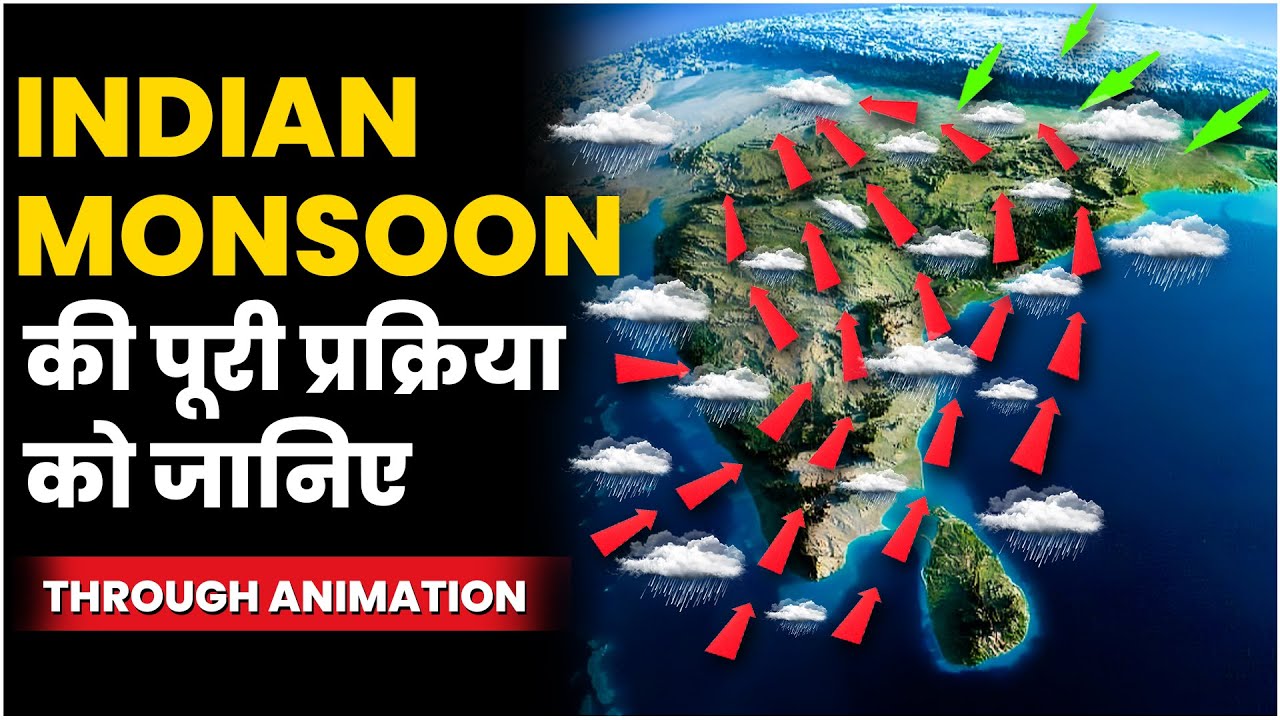
The monsoons and jet streams stand as two of the most influential and dynamic components of Earth’s climate system. Understanding their complex interplay is vital for comprehending the seasonal weather patterns that affect billions of people across the globe, particularly in regions like South Asia, Africa, and North America. This article delves into how these atmospheric systems work, exploring their basic mechanisms, how they connect with one another, and the huge impact they have on global climate study, farming schedules, and public safety.
🎯 In this chapter, you will understand:
- How land and ocean temperatures create seasonal monsoon winds.
- The path and speed of high-altitude jet streams around the globe.
- How jet streams push, pull, and shape regional monsoon rainfall.
- The way changing weather patterns affect farming, water supplies, and daily life.
💡 Why this topic matters: Monsoons provide essential water for growing food and supporting ecosystems, but unpredictable shifts can lead to serious droughts or massive floods.
🧠 Core Idea: Land heats up and cools down faster than water. This temperature gap creates large wind currents that are guided and shaped by fast-moving upper-air streams called jet streams.
The Nature of Monsoons: Large-Scale Seasonal Wind Systems
In the expansive study of world weather, monsoons are giant wind systems that completely change their direction when seasons turn. This dramatic shift brings very clear wet and dry periods to the lands they pass over. They happen mainly because land and sea heat up at different speeds, creating pressure differences that push winds across huge distances. The most famous example is the South Asian Monsoon, which travels across countries such as India, Bangladesh, and Myanmar. It brings vital rain for local crops, but it also carries serious risks of heavy flooding and dangerous landslides.

Analyze the Mechanisms Driving Monsoon Systems
The thermal relationship between large landmasses and massive oceanic bodies works like a main valve control for earth's rainfall. Monsoons take shape due to clear heating and atmospheric steps.
Differential Heating, Coriolis Deflection, and Orographic Barriers
As seasons switch, land absorbs heat much faster than ocean water during summer days. This creates a warm low-pressure area over the continent. The sea stays much cooler, holding onto a high-pressure area. This difference forces moist, heavy air to rush from the sea toward the dry land, bringing rain. At the same time, the spinning motion of Earth creates the Coriolis Effect, which bends these winds along their path. Finally, giant mountain walls like the Himalayas act as natural physical barriers that force moist air upward, controlling where rain falls most heavily.
- (i) Temperature differences between ground and ocean water build the core pressure forces that push air around.
- (ii) The Coriolis Effect curves global wind paths because of how our planet spins on its axis.
- (iii) Tall mountain ranges push damp air masses upward, causing heavy rain on mountain slopes.
Key Characteristics of Global Monsoon Regions
Different monsoon systems across the world have unique timing, wind behaviors, and regional effects, as detailed below:
| Region | Monsoon Type | Season of Occurrence | Key Features |
|---|---|---|---|
| South Asia | Southwest Monsoon | Heavy rains, vital for agriculture, risk of floods | |
| East Asia | East Asian Monsoon | Complex interaction with typhoons, varying intensity | |
| West Africa | West African Monsoon | Essential for agriculture, linked to Sahel rainfall | |
| North America | North American Monsoon | Localized rainfall, impacts the southwestern US and Mexico |
The Role of Jet Streams: High-Altitude Atmospheric Currents
Flowing high up in the top layers of the sky, jet streams are narrow ribbons of fast-moving air that guide lower weather patterns on ground level. They usually form right at the boundaries where contrasting air masses meet, such as cold polar air mixing with warm tropical air.
Explore Location, Speed, and Air Mass Boundaries
The structural characteristics of jet streams dictate their heavy influence over planetary weather patterns, including the movement and intensity of monsoons. The most prominent currents are the Polar Jet Stream and the Subtropical Jet Stream.
Velocity, Altitudinal Boundaries, and Latitudinal Variability
Jet streams travel high above us, usually between 9 and 16 kilometers up in the sky. Inside these high channels, winds can blow at speeds up to 400 km/h (250 mph). These fast currents show wide seasonal changes, shifting north or south as seasons change. They move up toward the poles in summer and slide down toward the equator in winter. This movement alters how local cyclones and anticyclones form, changing overall temperatures and rainfall patterns across whole continents.
Deep Dive into the Interaction Between Monsoons and Jet Streams
The connection between monsoons and jet streams is a dynamic atmospheric process that shapes weather across the planet. For example, how the South Asian Monsoon behaves depends heavily on where the Tropical Easterly Jet Stream (TEJ) and the Subtropical Jet Stream (STJ) are positioned and how strong they are growing.
Mechanics of Jet Stream Positioning and Feedback Loops
The start and spread of seasonal rainstorms rely deeply on air patterns set up high in the upper sky.
Onset Factors, Wind Velocity, and Upper-Atmosphere Feedback
The arrival of monsoon rains is closely tied to the northward movement of high-altitude jet streams. When these streams move north, they leave room for low-pressure systems to build up over monsoon areas. A stronger jet stream also pulls damp surface air upward, producing heavier downpours. This process forms a natural feedback loop: the monsoon storms heat up and alter upper air pressure, which then causes the jet streams to shift their own paths.
⚡ Quick Revision Capsule: Jet Stream Influences on Regional Climates
The primary high-altitude jet streams and how they shape regional monsoon behavior are detailed below:
| Jet Stream | Location | Seasonal Influence | Impact on Monsoons |
|---|---|---|---|
| Polar Jet Stream | 50° to 60° N/S | Stronger in winter | Can shift weather systems, affecting monsoon onset |
| Subtropical Jet Stream | 20° to 30° N/S | Stronger in winter | Influences the development of monsoon systems |
| Tropical Easterly Jet | 5° to 15° N | Stronger in summer | Key role in South Asian Monsoon dynamics |
Evaluate Macroeconomic and Regional Climate Variability
Unusual changes in these linked wind systems can lead to extreme weather events like severe droughts, sudden floods, and massive hurricanes. These shifts connect directly with global ocean cycles like El Niño and La Niña, which cause major weather surprises around the world.
Geographic Variations in Monsoon Intensity
The physical impacts of monsoons and jet streams show up in very different ways depending on the part of the world you look at.
South Asia, East Asia, and North American Climate Profiles
In South Asia, monsoon rains are crucial, delivering up to 80% of the full year's rainfall in some places. Any unexpected delay can trigger painful droughts or severe flooding. In East Asia, the monsoon mixes with the subtropical jet stream across China, Japan, and Korea, combining with coastal typhoon weather to create unpredictable conditions. Meanwhile, the North American Monsoon brings needed summer rain to the dry southwestern United States and northwestern Mexico, guided by continental jet stream positions.
Climate Change Vectors and Future Atmospheric Projections
As overall world temperatures rise, experts expect clear shifts in how strong monsoons become, when they start, and where their rain falls.
Monsoon Intensification, Jet Stream Shifts, and Model Predictions
Climate predictions show that monsoons may bring heavier, more sudden rainfall because warmer air holds more moisture. At the same time, melting polar sea ice causes jet streams to bend and drift, changing daily weather far away from the icy poles.
| Climate Change Factor | Expected Impact on Monsoons | Expected Impact on Jet Streams |
|---|---|---|
| Global Warming | Intensified monsoon rainfall | Poleward shift, increased variability |
| Sea Ice Reduction | Altered timing of monsoon onset | Weakened polar jet stream |
| Ocean Temperature Rise | Enhanced monsoon activity | Changes in subtropical jet stream |
Socio-Economic Implications: Agriculture, Water, and Public Health
These atmospheric systems impact far more than daily forecasts; they directly affect crop harvests, drinking water supplies, and public health conditions across many nations.
Agriculture and Food Security, Water Resource Management, and Disease Spread
In countries that rely on seasonal rain to grow food, the timing of the monsoon determines whether crops thrive or fail. Unpredictable rain can cause poor harvests and food shortages, driving up prices for millions of families. Monsoons also refill reservoirs, rivers, and underground water stores; however, extreme shifts bring either severe water shortages or dangerous floods. Finally, health risks increase during heavy rains, as standing water allows mosquitoes to spread diseases like malaria and dengue, while damaged pipelines can cause outbreaks of unsafe drinking water illnesses.
📝 Summary
The natural connection between monsoons and jet streams forms a foundation of Earth's weather system. From bringing vital farm water to South Asia to guiding high-altitude winds, these air systems help balance heat across the globe. As climate changes bring shifting rain patterns, studying how these winds work helps communities prepare for storms, safeguard public health, and protect essential food and water supplies in the years ahead.
🚀 Quick Revision Points
Essential facts to review before examinations:
- (i) Monsoons are seasonal wind systems that reverse direction due to uneven heating between land and ocean bodies.
- (ii) Jet streams are fast-moving bands of air high above Earth () reaching speeds up to 400 km/h.
- (iii) The Tropical Easterly Jet (TEJ) forms between 5° to 15° N during summer and drives South Asian rainfall.
- (iv) World weather surprises from monsoons are often linked to major climate patterns like El Niño and La Niña.
- (v) Monsoon rain provides up to 80% of the water supply in parts of South Asia, making it vital for growing food.
- 💡 Exam Tip: Remember that land heats up and cools down much faster than water. This temperature gap is the primary driver of summer monsoon low-pressure zones!
❓ Frequently Asked Questions (FAQ)
Q1: What causes the seasonal reversal of winds in a monsoon system?
A1: Monsoons are mainly caused by the different heating rates of land and sea. In summer, land heats up faster than ocean water, building a low-pressure area that pulls in wet ocean air.Q2: How do jet streams alter their position between seasons?
A2: Jet streams shift naturally with the sun, moving closer toward the earth's poles during warm summer months and sliding down toward the equator during winter months.Q3: What public health risks are associated with erratic monsoon patterns?
A3: Extra rainwater creates pools where mosquitoes breed, increasing cases of vector-borne illnesses like malaria and dengue. Flooding can also contaminate clean drinking water systems.