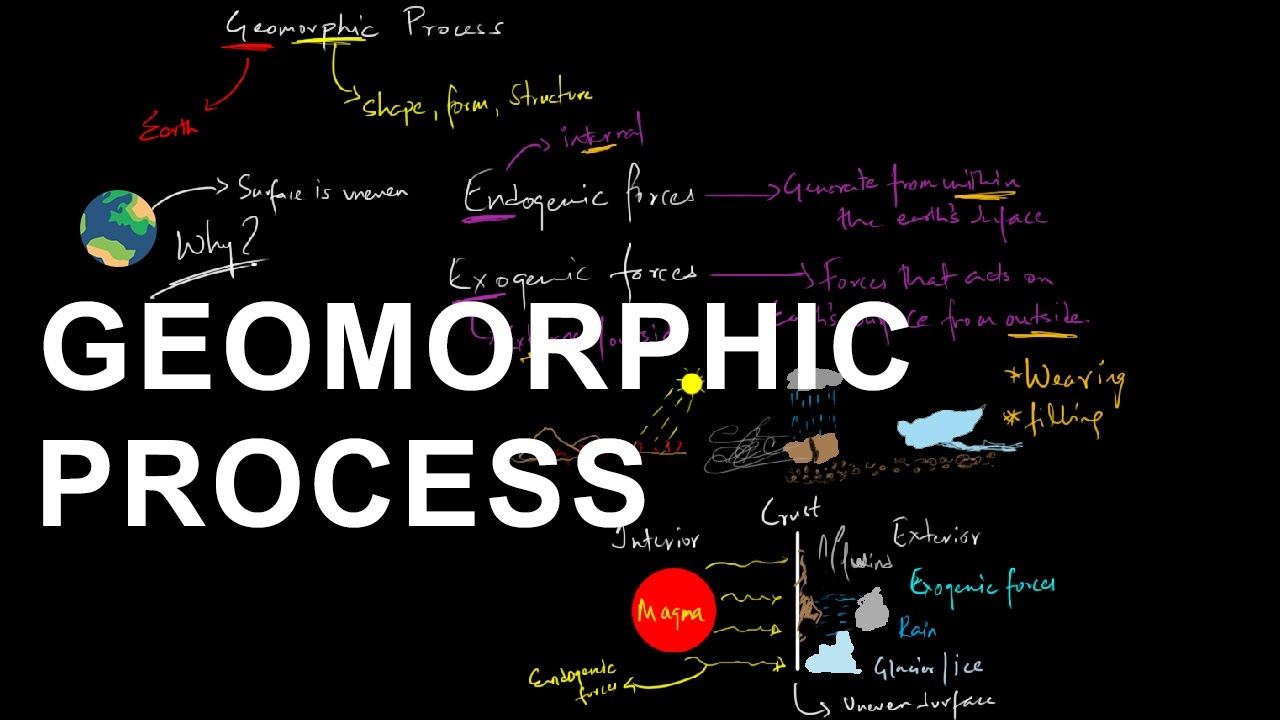
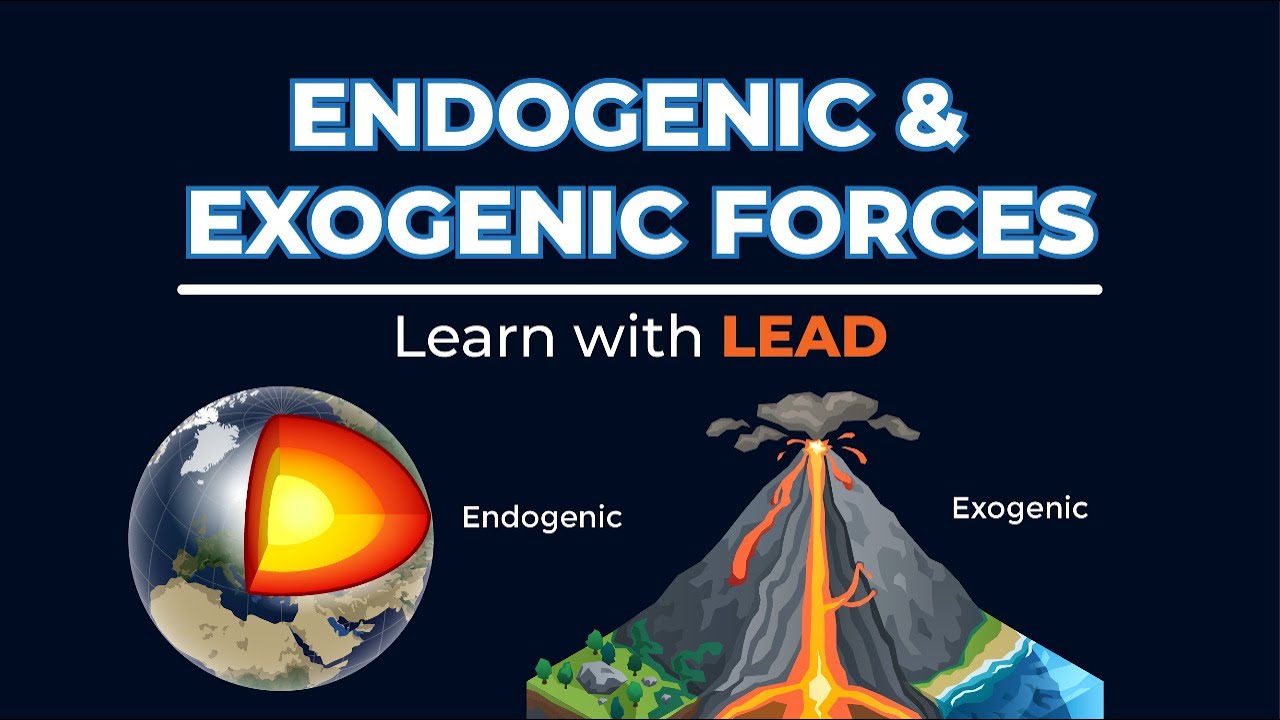
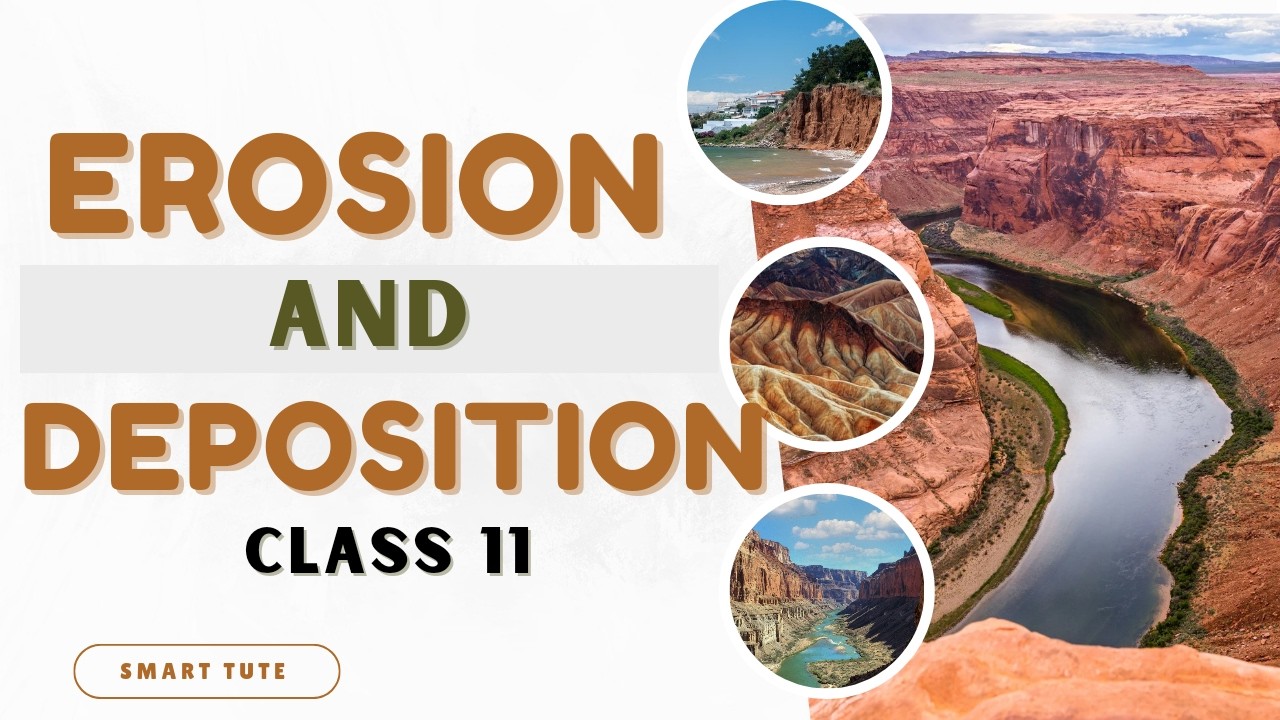
Explore the fundamental geological processes of erosion and deposition, which are crucial concepts for understanding how the Earth's surface is constantly reshaped over by powerful geomorphic agents. This guide details the mechanisms of landscape transformation, highlighting key agents like running water, glaciers, and wind. These topics are essential for students preparing for geography and environmental science examinations, offering deep insight into our dynamic Earth system.
🎯 In this chapter, you will understand:
- How erosion breaks down big rocks and moves the pieces to lower places over .
- The major geomorphic agents—running water, glaciers, wind, groundwater, and ocean waves—and how they work in different climates.
- How energy of motion, known as kinetic energy, and physical grinding, called abrasion, wear down the land.
- How slowing agents drop their heavy loads to create brand new features through deposition.
💡 Why this topic matters: The land under our feet is not static; it is constantly changing shape as rocks break down in one location and rebuild as fresh landforms in another.
🧠 Core Idea: Natural forces constantly wear down high landscapes through erosion and fill up lower spaces through deposition, maintaining the dynamic shape of the planet.
A Continuous Cycle: How Erosion Initiates Landscape Degradation and Transportation
The journey of landscape evolution begins with erosion. This is a natural process that involves breaking down solid surface rock and carrying the pieces away. Powered by energy, it breaks giant boulders into smaller bits and carries the leftover debris away.
- (i) The core action of erosion is the acquisition and transportation of broken rock debris by active geological forces called geomorphic agents.
- (ii) It starts when large, solid rock masses break apart into smaller fragments that are easy to move, which often begins through natural processes like weathering.
- (iii) As these broken pieces are carried away continuously, the land lowers down, marking the completion of the erosional phase and contributing directly to landscape wearing.
The Powerful Geomorphic Agents Driving Erosion and Shaping the Earth
Natural forces that reshape our world are called geomorphic agents. Each force works under special environmental conditions and climate rules to change how the surface looks.

Running Water: The Liquid Agent Shaping Humid and Semi-Humid Landscapes
Water flowing in rivers and streams acts as a powerful liquid agent of erosion. Climate heavily affects how much water flows, making it the dominant force in humid and semi-humid regions where rain falls regularly.
- (i) As a liquid force, its strength to wear away and carry material depends directly on how much water is flowing and how fast it moves.
- (ii) It is the main force responsible for carving out complex river landforms, such as deep valleys, flat floodplains, and steep gorges.
Glaciers: The Solid Agents of Cold Climate Erosion and Unique Landforms
Glaciers are massive, slow-moving rivers of solid ice that act as heavy erosion tools in cold climates. Highly sensitive to changes in climate and temperature, their immense weight allows them to scoop out and reshape deep rock basins.
- (a) The vast weight and scraping motion of sliding ice cause intense plucking and scraping against the solid bed below.
- (b) They leave behind striking features such as steep-sided U-shaped valleys, bowl-like cirques, and long ridges of rocky debris called moraines.
Wind: The Gaseous Agent of Arid and Semi-Arid Regions
Wind acts as a gaseous force that relies heavily on atmospheric air movement and dry surroundings. Its sculpting power is strongest in arid and semi-arid climates where plant roots are not present to hold the soil in place.
- (i) Erosion Mechanism: Wind lifts fine dust particles high into the air by suspension, while bouncing larger grains along the ground by saltation and rolling heavy pebbles through creep. This leads to wind-swept clearing called deflation and surface scraping called abrasion.
- (ii) Dominant Regions: It acts as the primary designer of dry desert areas, building up shifting sand dunes and sweeping ground flat into stony desert pavements.
Groundwater and Waves: Specialized Geomorphic Agents
Apart from forces tied directly to broad weather patterns, groundwater under the soil and waves along the shore carry out specific erosion jobs in unique settings.
- (i) Groundwater Action: Underground water relies on how easily water flows through rock cracks and dissolves minerals. In areas rich in soluble rock like limestone, it dissolves underground chambers to create dramatic karst topography.
- (ii) Wave Action: Ocean waves smash against coastal shores where solid rock meets sea water. Unlike wind or glaciers, coastal erosion by waves operates almost completely independent of local climate, driven instead by ocean tides, open water distance, and shore rock hardness.
The Mechanics of Erosion: Kinetic Energy and Landscape Degradation
Erosion uses a massive amount of physical power. Energy of motion, known as kinetic energy, continuously converts into physical work, pushing heavy rock fragments across the ground and lowering high mountain terrain over extended periods.
The Role of Abrasion in Accelerating Erosion
A key helper in wearing down rock is a mechanical grinding action called abrasion. As natural forces carry loose rocks, sand, and pebbles along, those moving bits scrape forcefully against solid bedrock like natural sandpaper.
- (i) The carried rock materials turn into active tools that grind down the riverbed, sea cliff, or valley floor over time.
- (ii) This constant physical grinding speeds up rock breakage and removal, lowering overall land elevation.
Kinetic Energy: The Driver of Transportation
The entire task of picking up rock fragments and carrying them away depends on the kinetic energy produced by moving water, ice, and wind. Faster movement creates higher energy levels, allowing the agent to lift and carry heavier materials.
- (a) Moving rock fragments requires enough energy to overcome the weight of the rocks and the friction holding them down.
- (b) Driven by motion energy over thousands of years, this continuous movement wears down mountain peaks and levels out high landscapes.
⚡ Quick Revision Capsule: Geomorphic Processes & Landform Drivers
Use this quick reference guide to review how natural forces erosionally shape landscapes and build up new terrain across various climates.
| Agent of Change | Primary Climate / Environment | Key Landforms & Mechanisms |
|---|---|---|
| Running Water | Humid and semi-humid regions with regular rain | Carves valleys, floodplains, and gorges via high fluid speed and volume. |
| Glaciers | Cold alpine and polar regions | Forms U-shaped valleys, cirques, and moraines by heavy ice scraping and plucking rock. |
| Wind | Arid and semi-arid dry deserts | Builds sand dunes and desert pavements through deflation, saltation, and abrasion. |
| Groundwater | Subsurface rock layers rich in soluble minerals | Creates caves and karst topography by dissolving rocks like limestone underground. |
| Waves | Coastal interfaces between land and ocean water | Shapes sea cliffs and beaches, operating mostly independent of local climate. |
Deposition: The Formation of Aggradational Landforms
The opposite side of erosion is deposition. It marks the end point of the transportation journey, where materials carried away by water, wind, or ice settle down on the ground to build new landforms.
Mechanism of Deposition: Loss of Velocity and Energy
Deposition happens whenever moving natural forces slow down and lose their speed and kinetic energy. This usually occurs when water or wind reaches flatter land, gentler slopes, or enters standing bodies of water like lakes and oceans.
- (i) As speed drops, the agent loses the strength needed to carry heavy loads, forcing the transported materials to settle down onto the ground.
- (ii) Settle order follows weight: heavy and coarse stones drop first as speed begins to fall, while fine silt and tiny sand grains drift farther before settling down.
- (iii) This gradual accumulation fills in low spots and valleys, forming built-up land features known as aggradational landforms.
Significance of Erosion and Deposition for Earth Dynamics
The connected processes of erosion and deposition drive the continuous changes happening across Earth's surface. While erosion wears down high lands, deposition builds up new lowlands. This balanced relationship forms the core of the global landscape cycle over .
- (i) Importance of Erosion: It keeps Earth's surface active by taking material away from high-energy mountains and transporting it down toward lower basins.
- (ii) Importance of Deposition: It builds valuable new terrain, such as fertile river plains, coastal deltas, and fan-shaped sediment deposits called alluvial fans, which support farming and human settlements.
- (iii) Working hand in hand, both processes continuously alter landforms in an ongoing balance between wearing down high grounds and building up low grounds. This fundamental cycle is essential reading for every student of Earth systems as documented in textbook guides like Fundamentals of Physical Geography.
📝 Summary
Earth's landscapes undergo relentless transformation over due to the paired actions of wearing down land and building it back up. Moving forces powered by gravity and motion carry rocks away from elevated peaks and drop them into low areas, maintaining an active planet surface as discussed in classical geographical texts like Principles of Geomorphology.
🚀 Quick Revision Points
Essential facts to review before examinations:
- (i) Erosion is the picking up and carrying away of broken rock material, which lowers high land features.
- (ii) Liquid water, moving glacial ice, blowing wind, underground water, and ocean waves act as the five main natural drivers of change.
- (iii) Mechanical grinding known as abrasion uses carried rock bits like sand paper to scrape away bedrock surfaces.
- (iv) Slower moving forces drop their carried sediments to construct flat plains and river deltas, a process formally studied in Physical Geography Studies.
- 💡 Exam Tip: Remember that erosion lowers elevated terrain through wearing processes, whereas deposition raises low areas by dropping sediment loads!
❓ Frequently Asked Questions (FAQ)
Q1: What is the main difference between erosion and deposition?
A1: Erosion is the process of breaking rock apart and carrying it away to lower the land, whereas deposition is dropping that carried rock down in a new place to build up fresh landforms.Q2: How does kinetic energy affect natural drivers like rivers and wind?
A2: Moving air or water uses kinetic energy to lift heavy rock fragments; higher speeds provide more energy to carry larger loads, while slowing down reduces energy and forces deposition.Q3: Why are river deltas and floodplains so important for humans?
A3: Deposition creates flat, fertile river plains and coastal deltas containing mineral-rich soils, as highlighted in study guides like NCERT Physical Geography, making these areas prime choices for farming and community life.