The monumental transformation of Emperor Ashoka the Great marks a pivotal moment in ancient Indian history, dramatically shifting the Mauryan Empire's focus from aggressive military conquest to the moral governance of Dhamma. This detailed analysis, crucial for students preparing for history and political science exams, explores his expansive rule beginning in 273 BCE, the devastating impact of the Kalinga War in 260 BCE, and the subsequent establishment of his ethical framework, known as Dhammaghosha, which replaced the old 'war-drum' of Bherighosha.
In this chapter, you will understand:
- The political ascent of Ashoka and the turning point of the Kalinga War (260 BCE).
- The vast geographical expanse and regional powers under Mauryan influence.
- The decipherment and categorization of Ashoka's Edicts (Dhammalipi).
- The economic, literary, and archaeological pillars that sustained the empire.
Why this topic matters: This topic is central to understanding ancient Indian statecraft, epigraphy, and the ethical transition from military imperialism to moral governance in competitive civil service exams.
Core Idea: After witnessing the catastrophic human toll of the Kalinga War in 260 BCE, Emperor Ashoka abandoned violent conquest (Bherighosha) to embrace non-violence and ethical rule (Dhammaghosha). Through stone edicts written in scripts like Brahmi and Kharosthi, he spread Dhamma across an empire stretching from modern Afghanistan to Odisha.
The Ascent of Ashoka and the Conquest that Reshaped an Empire's Destiny
Ashoka ascended the throne of the Mauryan Empire around 273 BCE. After an initial period marked by power struggles against his siblings, he established firm control and continued the aggressive expansionist policy inherited from his predecessors. The climactic event of his early reign was the conquest of Kalinga in 260 BCE.
The Turning Point of the Kalinga War
The campaign in Kalinga altered the course of Indian history by triggering a complete shift in Ashoka's approach to governance.
- (i) The Kalinga War, while strategically significant for securing vital resources and trade routes, resulted in immense bloodshed and suffering, a grim reality that profoundly affected Ashoka.
Rock Edict XIII and the Shift to Dhammaghosha
His deep regret over the war's devastation led directly to a personal and administrative conversion.
- This intense remorse, meticulously documented in Rock Edict XIII, led to his historic spiritual conversion, where the traditional 'war-drum' (Bherighosha) was permanently abandoned for the 'sound of Dhamma' (Dhammaghosha).
- Notably, while expressing regret across his domain, Ashoka chose to replace the inscription of his remorse in Kalinga itself with Separate Edicts, which strategically focused on administrative compassion and governance, though he still issued a stern warning to rebellious forest tribes, affirming the retention of his ultimate power.
Geographical Extent, Major Sites, and Historical Sources of the Mauryan Empire
The Mauryan Empire under Ashoka achieved its greatest territorial reach, demanding a complex administrative and cultural policy, evidence of which is preserved through diverse archaeological and literary sources.

- The territorial expansion required varied communication methods, leading to bilingual edicts placed across regional frontiers.
Analyzing the Extent of Ashoka's Empire: Geographical Boundaries and Regional Powers
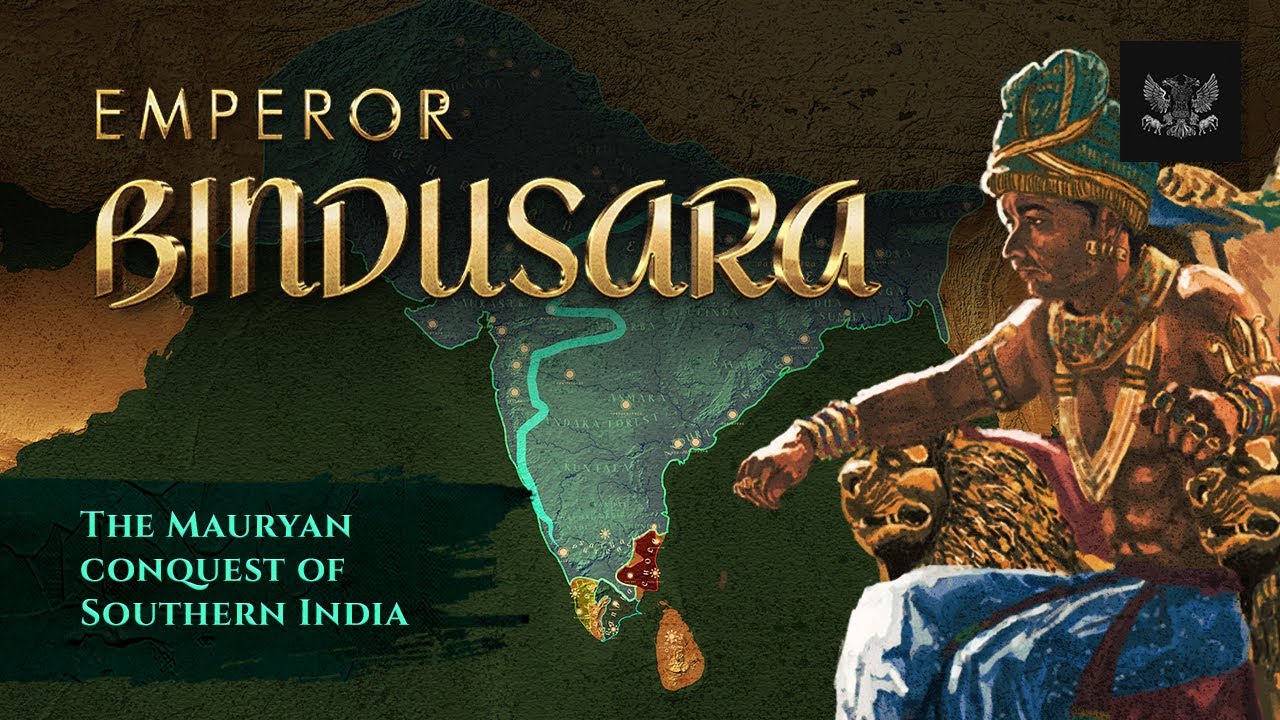
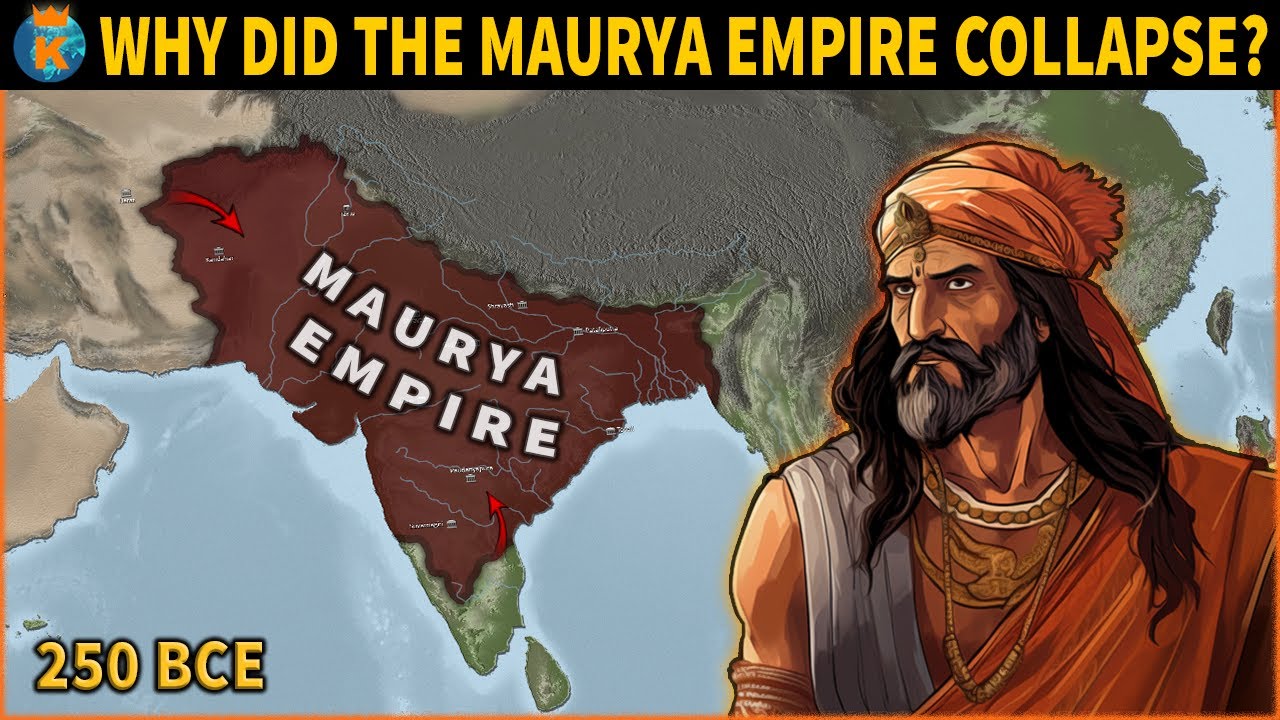
Ashoka's consolidated domain was vast, stretching geographically from Kandahar (modern-day Afghanistan) in the far northwest to the region of Odisha in the east.
- (i) Northern and Western Limits: The empire included major centers like Taxila (where Ashoka served as Viceroy) and regions populated by groups like the Kambojas and Yavanas.
- (ii) Southern Independence: Significantly, the southernmost tip of India remained outside Mauryan direct control, acknowledged by Ashoka in his edicts as independent entities, including the Cholas, Pandyas, Keralaputas, and Satiyaputras.
- (iii) Central and Deccan Influence: Other groups mentioned as under the sway or influence of the Mauryan state were the Bhojas, Pitinikas, Andhras, and Pulindas, primarily located in the Western and Deccan regions.
Ashoka's Edicts and Inscriptions: Deciphering Dhammalipi
Ashoka's Edicts represent the earliest and most profound examples of Indian epigraphy, offering direct insight into the Emperor's administrative and ethical vision. The mystery of his identity as Devanampiya Piyadasi ("Beloved of the Gods") was unlocked by James Prinsep in 1837 through the decipherment of the Brahmi script.
- Epigraphic evidence forms the primary core for reconstructing Mauryan history and political communications.
Archaeological Sites, Coins, and Literary Sources
The physical grandeur of the empire is confirmed through major excavated urban centers and ancient coin hoards.
Silver punch-marked karshapana coins used in the centralized Mauryan economic system. Material Evidence and Literary Classics
Tangible remnants like architectural structures work alongside classical literature to document the imperial era.
- Pataliputra and Urban Sites: The imperial capital at Pataliputra (modern Patna) features major excavations at Bulandibagh and Kumrahar. Other key urban hubs include Taxila, Mathura, and Bhita.
- Punch-marked Coins: Silver karshapana coins bore specific state symbols such as the crescent-on-arches and peacock-on-arches.
- Kautilya's Arthashastra: Authored by Kautilya (Chanakya), this foundational work lays out the strategic core of Mauryan statecraft.
- Megasthenes' Indica: Offers a key foreigner's perspective on life and administration in Mauryan India.
- Buddhist Chronicles: Texts like the Divyavadana, Ashokavadana, Mahavamsa, and Dipavamsa detail Ashoka's patronage of Buddhism.
Key Historical Pillars of the Mauryan Empire
A structured quick-revision summary of the key evidence and elements defining the Mauryan state:
| Historical Category | Primary Component / Location | Core Significance & Function |
|---|---|---|
| Epigraphic Decipherment | James Prinsep (1837) | Deciphered Brahmi script, identifying Devanampiya Piyadasi as Emperor Ashoka. |
| Primary Edicts | Rock Edict XIII | Documents the remorse over Kalinga War (260 BCE) and official transition to Dhammaghosha. |
| Linguistic Adaptations | Shar-i-Kuna (Afghanistan) | Bilingual Greek and Aramaic edicts used to communicate with northwestern populations. |
| Capital Architecture | Bulandibagh & Kumrahar | Exhibits wooden palisades and pillared halls of the capital city Pataliputra. |
| Monetary Standard | Silver Karshapana | Punch-marked coins carrying state symbols like peacock-on-arches. |
Summary
The legacy of Ashoka is paramount because it demonstrates a rare instance in world history where a conquering emperor deliberately chose to replace military might with moral governance, establishing the ethical system of Dhamma. His detailed Edicts and inscriptions, rediscovered by James Prinsep, provide invaluable primary source material about the Mauryan Empire's administration, geography, and cultural diversity, stretching from Kandahar to Odisha. For students of history, understanding the pivot point of the Kalinga War in 260 BCE and the subsequent institutionalization of Dhammaghosha is essential for grasping the profound evolution of statecraft and ethical principles in ancient India.
Quick Revision Points
Essential checkpoints to remember for examinations:
- (i) Ascent to Power: Ashoka assumed the throne around 273 BCE; the decisive Kalinga War took place in 260 BCE.
- (ii) Policy Shift: Replaced military force (Bherighosha) with ethical rule (Dhammaghosha) as recorded in Rock Edict XIII.
- (iii) Scripts Used: Written in Prakrit using Brahmi, Kharosthi, Aramaic, and Greek scripts across different regions.
- (iv) Imperial Decline: The last ruler Brihadratha was assassinated in 187 BCE by Pushyamitra Shunga, establishing the Shunga dynasty.
- Exam Tip: Focus heavily on the difference between Rock Edict XIII (found generally across the empire expressing remorse) and the Separate Kalinga Edicts (placed locally in Kalinga focusing on governance and order rather than grief).
Frequently Asked Questions (FAQ)
Q1: What was the main difference between Bherighosha and Dhammaghosha?
A1: Bherighosha represents the traditional policy of conquest through military force ('the sound of the war-drum'), whereas Dhammaghosha denotes conquest through moral righteousness and non-violence ('the sound of Dhamma').Q2: Who deciphered the Brahmi script and when?
A2: The Brahmi script was deciphered by James Prinsep in 1837, allowing scholars to read the edicts and connect Devanampiya Piyadasi to Emperor Ashoka.Q3: How did the Mauryan Empire finally end?
A3: The empire ended in 187 BCE when the last Mauryan king, Brihadratha, was assassinated by his commander-in-chief, Pushyamitra Shunga, who founded the Shunga dynasty.