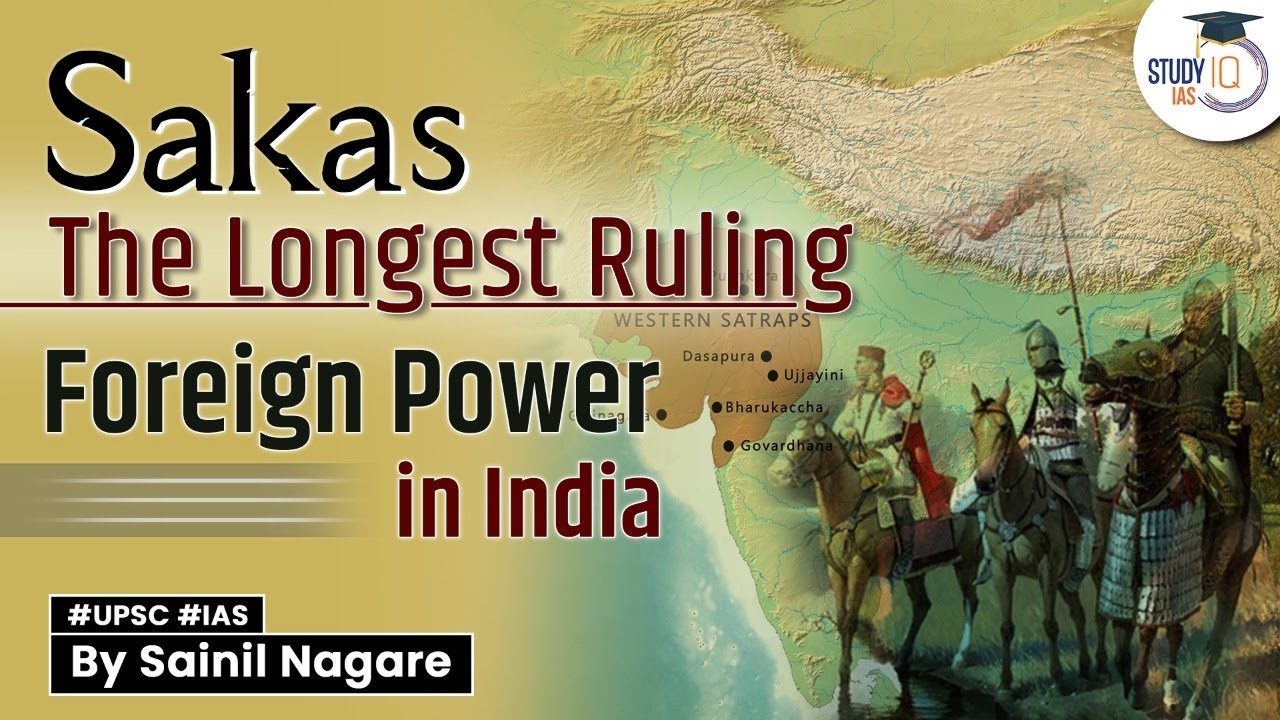
Following the decline of the Maurya Empire, ancient India experienced significant political changes driven by a series of foreign incursions. Groups from Central Asia and Persia—including the Parthians, Shakas, Kushanas, and later Indo-Sassanians—entered the northwestern regions. Rather than destroying local traditions, these rulers integrated into the local culture. They created stable kingdoms that linked trade routes across Asia and encouraged unique artistic expressions like the Gandhara and Mathura schools. Understanding these movements is crucial for students, as this era shaped Indian administrative systems, coinage, and religious practices up to the Gupta era.
In this chapter, you will understand:
- The timeline and geographical extent of Parthian, Shaka, Kushana, and Indo-Sassanian rule.
- How Central Asian and Hellenistic traditions merged with local Indian customs.
- Key developments in coinage, administration, and artistic schools like Gandhara and Mathura.
- The role of foreign rulers in expanding trade networks and patronizing religions like Buddhism.
Why this topic matters: This period is frequently tested in history exams because it explains the cultural blend, economic growth via the Silk Road, and political shifts that occurred in post-Maurya India.
Core Idea: Foreign incursions from to introduced new governance models and cultural traditions to northwestern India. Rulers adopted local customs, issued multilingual coins, supported Buddhism and Hinduism, and created lasting artistic traditions before the rise of the Gupta Empire.
Major Foreign Invasions and Their Impact on Indian History: Parthian, Shaka, and Kushana Rule (1st Century BCE - 4th Century CE)
The waves of Parthian, Shaka, and Kushana invasions reshaped the political landscape and boosted cross-cultural trade across Northwestern India during this key transitional period.
Background of Central Asian Incursions
After local and earlier foreign dynasties weakened, the northwestern subcontinent attracted various Central Asian and Persian groups who established prosperous regional kingdoms.
- The incursions began around the , filling the power vacuum left by the declining Indo-Greek rulers.
- Although foreign in origin, these rulers practiced religious tolerance and encouraged cultural synthesis across Indian society.
- Their administrative, monetary, and artistic innovations built a foundation for later empires in the region.
Parthian Invasion: Governance and Cultural Blending in Northwestern India
The Parthian movement into northwestern India established a distinct administrative structure that blended Iranian, Greek, and Indian elements.

- Parthian forces expanded into areas covering parts of modern-day Pakistan during the .
Parthian Establishment and Initial Control in the Subcontinent
Capitalizing on local political fractures, Parthian rulers secured control over strategically vital trade points.
- They took control of northwestern territories as Indo-Greek influence gradually waned.
- Their governance combined practical Parthian administration with existing Indian administrative habits.
Parthian Cultural Exchange and Hellenistic Legacy
The Parthians acted as cultural intermediaries, linking Hellenistic artistic traditions with local Indian expressions.
- They encouraged the ongoing adaptation of Hellenistic styles in regional architecture and sculpture.
- Distinctive Parthian motifs are visible in stone carvings and architectural relics from this era.
Parthian Coinage and Religious Tolerance
Monetary developments and religious policies under Parthian rule highlight their broad approach to regional governance.
- Parthian Coinage: Coins were minted with dual inscriptions in Greek and local scripts, facilitating long-distance trade.
- Religious Syncretism: Rulers allowed local religious practices to thrive, supporting Zoroastrian traditions while respecting local Hindu and Buddhist communities.
Shaka Invasion: Scythian Rule in Western India and Central Asian Influences
The arrival of the Shakas (Scythians) in the brought new governance styles and Central Asian customs to western India.
- Shaka rulers established strong capitals in regions such as Gujarat, Malwa, and Punjab.
Shaka Establishment and Geographical Reach
Scythian tribes moved southward and eastward, securing key economic hubs and sea ports along the western coast.
Central Asian artistic influences integrated into early Gandhara stone sculptures under the Shakas. - The Shakas set up semi-independent regional governors known as Kshatrapas to administer their provinces efficiently.
- Their control over western ports boosted maritime trade with the Mediterranean world.
Cultural Contributions and Gandhara Art
Shaka rule helped refine early Gandhara art by blending Greek, Persian, and Indian artistic motifs.
- They introduced Central Asian clothing styles, weapons, and court customs to Indian royal iconography.
- Patronage from Shaka nobility encouraged sculptors to carve Buddhist themes using Hellenistic techniques.
Shaka Coinage and Governance Systems
The Shakas established a durable administrative structure and issued well-regulated silver coinage.
- Monetary Innovations: Shaka silver coins featured portraits of the king alongside Indian deities and symbols, setting a standard for later regional currencies.
- Governance and Administration: Their military-backed governorship model (Kshatrapa system) provided administrative stability that influenced later dynasties like the Guptas.
Quick Revision Capsule: Post-Maurya Foreign Dynasties
Here is a concise overview comparing the key foreign dynasties that shaped northwestern India:
| Dynasty | Primary Region & Period | Key Contributions & Legacy |
|---|---|---|
| Parthians | Northwest India / Punjab () | Blended Hellenistic and Iranian styles; issued bilingual coinage and promoted trade stability. |
| Shakas (Scythians) | Western India / Gujarat () | Introduced the Kshatrapa administrative system; minted high-grade silver coins; enriched Gandhara art. |
| Kushanas | North India & Central Asia () | Controlled the Silk Road; patronized the Fourth Buddhist Council; developed Mathura and Gandhara art styles. |
| Indo-Sassanians | Northwest Frontier () | Introduced Persian architectural elements like domes and arches; brought Zoroastrian cultural influences. |
Summary
The post-Maurya era was defined by the arrival of foreign powers including the Parthians, Shakas, Kushanas, and Indo-Sassanians. Far from being mere destroyers, these dynasties integrated into Indian society, established stable administrative models, controlled lucrative trade routes, and generously supported art and religion. Their patronage fostered the peak of the Gandhara and Mathura artistic traditions, standardized regional coinage, and facilitated the spread of Buddhism across Central Asia. This vibrant period laid the cultural, economic, and political groundwork for the Gupta Empire's classical age.
Quick Revision Notes
Key facts to remember for rapid exam revision:
- (i) The Parthians introduced a governance model combining Iranian and Indian administrative customs in the northwest.
- (ii) The Shakas created the Kshatrapa administrative system and minted distinctive silver coins depicting local deities.
- (iii) The Kushana period marked the golden age of Buddhist patronage, centralizing control over vital Silk Road trade networks.
- (iv) Gandhara art combined Greek and Roman techniques with Indian spiritual themes, while Mathura art focused on native Indian traditions.
- Exam Tip: Focus on distinguishing between the Gandhara and Mathura schools of art, understanding the Kshatrapa administrative system, and identifying how foreign dynasties used bilingual coins to support trade.
Frequently Asked Questions (FAQ)
Q1: Who were the key foreign powers that entered post-Maurya India?
A1: The primary foreign powers were the Indo-Greeks, Parthians, Shakas (Scythians), Kushanas, and later the Indo-Sassanians, all arriving between the 1st century BCE and the 7th century CE.Q2: How did foreign invasions impact Indian art and architecture?
A2: These invasions led to a rich cultural synthesis, giving rise to the Gandhara school of art (which combined Hellenistic techniques with Buddhist themes) and encouraging native developments in the Mathura school of art.Q3: What was the significance of Kushana rule in ancient India?
A3: The Kushanas united central Asian and northern Indian territories, controlled key Silk Road trade routes, issued gold coins, and actively supported Buddhism by sponsoring the Fourth Buddhist Council under King Kanishka.