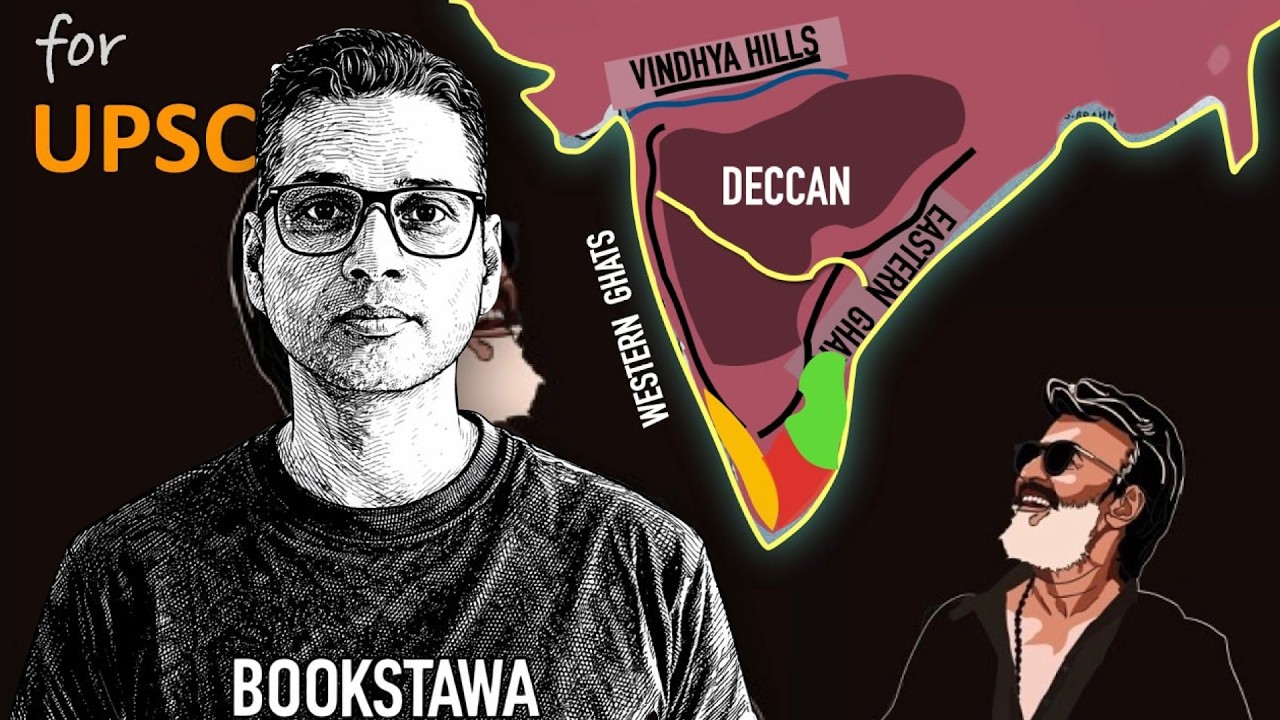
The Megalithic Culture and Early Tamil Kingdoms in South India mark a pivotal transition in Indian history. They reveal the formation of organized societies, complex social structures, and early urban hubs along the fertile Kaveri delta and surrounding upland peninsular areas. Spanning from the into the early Christian era, these formidable kingdoms—chiefly the Cheras, Cholas, and Pandyas—established deep roots in ancient maritime trade routes, developed strong armies, produced brilliant early Tamil literature, and created new social systems. Understanding this period is vital for mastering ancient Indian history.
In this chapter, you will understand:
- The transition from pre-historic Megalithic burials to organized agrarian societies in South India.
- The territorial control, trade power, and administration of the Chera, Chola, and Pandya dynasties.
- The significance of Sangam literature, the Tamil Brahmi script, and religious developments.
- The social hierarchy, landholding systems, and economic drivers of early Tamil society.
Why this topic matters: This era highlights the origin of South India's state formation, maritime commerce, and classical literary tradition, which are frequently asked subjects in competitive history exams.
Core Idea: Between and , South India shifted from Megalithic iron-age communities into sophisticated riverine kingdoms. Supported by agricultural surpluses from the Kaveri delta and thriving ocean trade with Rome and Greece, the Muventhar (three crowned kings) built lasting political and cultural foundations documented in classical Sangam poetry.
History in the Deep South – Cheras, Cholas & Pandyas: The Megalithic Culture and Emergence of Early Tamil Kingdoms
The transition to the historical period in South India brought profound cultural and socio-political shifts that set the stage for future southern empires. This phase saw a clear move away from prehistoric lifestyles, introducing all the hallmarks of an organized civilization.
Key Hallmarks of Early Historical Transformation
Multiple social and material changes took place simultaneously as communities established permanent settlements.
- The rapid spread and expansion of rural settlements, showing higher population densities and organized farming.
Formation of Classes and Writing Systems
Simple tribal structures began giving way to defined social classes and structured administrative groups.
- The introduction of writing systems, which allowed formal communications and early record-keeping.
- The emergence of early written literature, specifically the Sangam collection, capturing the daily life, warfare, and values of the era.
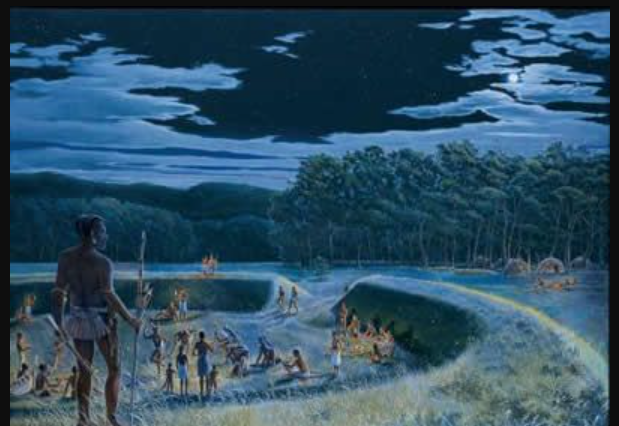
Illustration of Megalith Builders: Early architects of South India's stone burial culture
Kaveri Delta and Early Megalithic Settlements: The Cultural Crossroads
While the fertile Kaveri delta became the center of historical settlements around the thanks to its rich farming potential, surrounding high ground was still shaped by megalith builders, creating a unique mix of traditions.
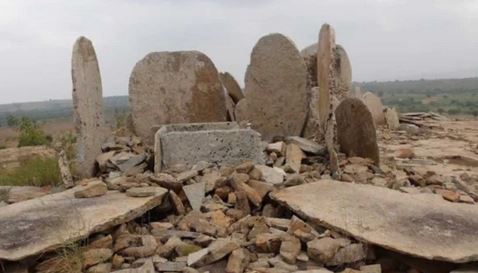
- Megalithic sites show complex funeral rites, community coordination, and the widespread use of iron tools.
The Widespread Presence and Timeline of Megalithic Culture
Characterized by massive stone graves, this culture covered large areas across the southern peninsula.
- Concentrated heavily in upland areas like eastern Andhra and across modern Tamil Nadu.
- Spanned predominantly from to the , though related traditions continued into the early Christian era.
Early Tamil Kingdoms – Cheras, Cholas, and Pandyas: Forging South India's Identity
The three prominent crowned rulers of the south—the Cheras, Cholas, and Pandyas—shaped early southern society. They built foreign diplomatic ties, oversaw vast maritime trade networks, and fostered rich regional culture.
- These three powers controlled complementary geographical zones covering rich farmlands, timber forests, and busy ocean ports.
Territorial Divisions and Dynastic Overview of Tamil Rulers
Classical texts and inscriptions frequently highlight how these dynasties divided control across the southern peninsula.
Map of territories of Cheras, Cholas & Pandyas: Political layout of South India around - The three dynasties were collectively known as the Muventhar (three great kings).
- The Greek ambassador Megasthenes noted the Pandya kingdom early on, mentioning their thriving pearl fisheries and possible matriarchal social roots.
- Third-century BCE Rock Edicts of Ashoka explicitly record all three dynasties, proving their established presence by the .
- Territorial split: Pandyas ruled the southern and south-eastern tip; Cholas held Cholamandalam (the Coromandel coast); Cheras governed the western coast and Malabar region.
Quick Revision Capsule: Early Tamil Dynasties
Key details of the three classical Tamil monarchies at a glance:
| Dynasty | Core Region & Capital | Emblem & Key Economic Assets |
|---|---|---|
| Cheras | Kerala coast and western Tamil Nadu; Capital: Karur / Vanji | Bow and Arrow; Spices (pepper), timber, and trade with Rome via Muziris port |
| Cholas | Kaveri Delta (Cholamandalam); Capital: Uraiyur / Puhar (Kaveripattinam) | Tiger; Rice production, fine cotton textiles, and trade along the eastern coast |
| Pandyas | Southern Tamil Nadu; Capital: Madurai | Carp (Fish); Pearl diving at Korkai, shell crafts, and trade ties with Mediterranean empires |
Summary
The history of ancient South India reflects a seamless evolution from iron-using Megalithic builders to wealthy riverine kingdoms. Driven by agricultural yields from the Kaveri basin and direct sea trade with the Roman Empire, the Cheras, Cholas, and Pandyas established organized state systems. Their achievements in trade, warfare, social organization, and classical literature laid the permanent foundation of Tamil culture and regional identity.
Quick Revision Points for Exams
Essential facts to review before your examination:
- (i) The Muventhar refers to the three crowned kings of Tamilakam: Cheras, Cholas, and Pandyas.
- (ii) The earliest epigraphic references to these southern kingdoms appear in the Ashokan Rock Edicts of the .
- (iii) Sangam literature, written in Tamil Brahmi script, serves as the main literary source for early South Indian history.
- (iv) Murugan was the most popular native deity, alongside growing Vedic, Jaina, and Buddhist influences.
- Exam Tip: Remember the capitals and main trade ports for each dynasty: Chera (Vanji / Muziris), Chola (Uraiyur / Puhar), and Pandya (Madurai / Korkai). Questions frequently test these matching pairs.
Frequently Asked Questions (FAQ)
Q1: What defines the Megalithic culture in South India?
A1: It is defined by large stone monuments built over graves, widespread use of iron tools, distinctive black-and-red pottery, and settled agricultural communities in upland peninsular regions.Q2: What is the primary historical source for early Tamil kingdoms?
A2: The primary source is Sangam literature—a collection of classical poems compiled between and —supported by Tamil Brahmi inscriptions and Greco-Roman trade accounts.Q3: How did geography shape the economy of the Cheras, Cholas, and Pandyas?
A3: Fertile river basins like the Kaveri produced agricultural surplus, while extensive coastlines enabled foreign maritime trade, generating state revenue through port duties and exports of pepper, pearls, and textiles.