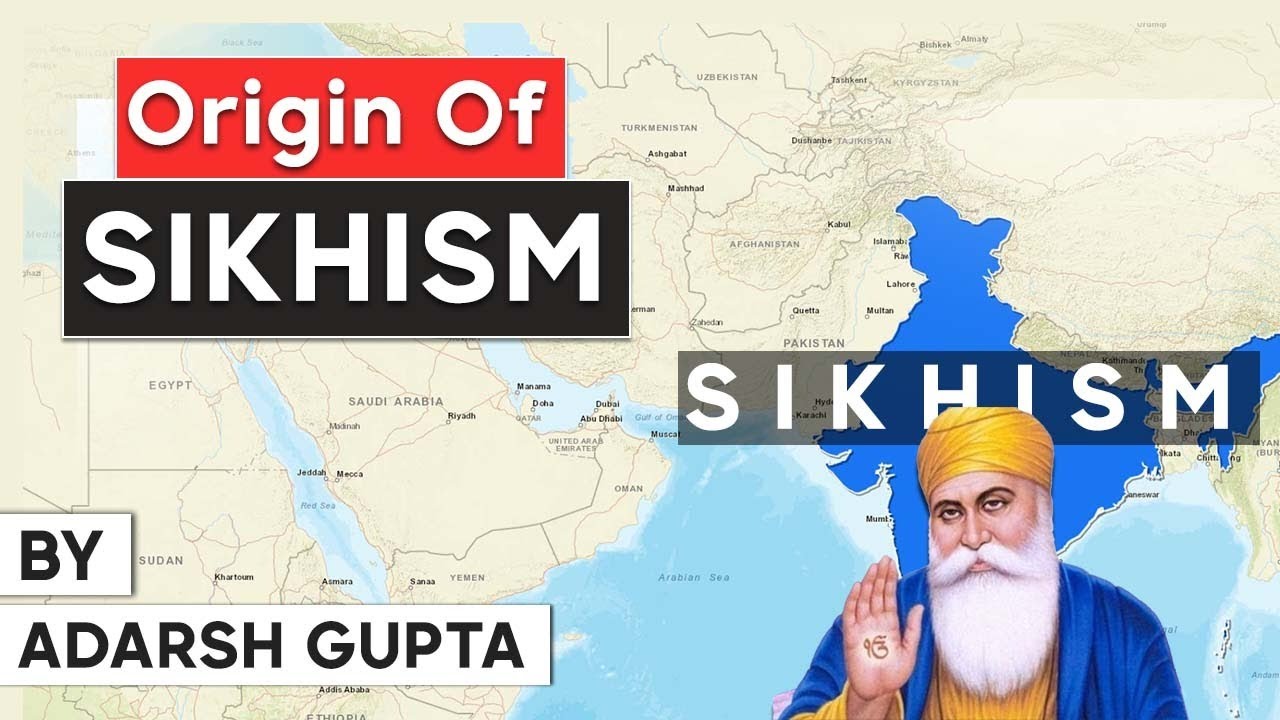
Guru Nanak (), the founder of Sikhism, is one of the greatest spiritual leaders of India. His life, teachings, and legacy emphasized equality, selfless service, and devotion to the one formless God. For students and aspirants of competitive exams, understanding Guru Nanak’s philosophy offers valuable insights into religious reforms, social equality, and Bhakti traditions. His message of unity and compassion remains timeless and continues to inspire millions globally.
🎯 In this chapter, you will understand:
- The early life and profound spiritual awakening of Guru Nanak.
- The core principles of his teachings, including the oneness of God and social equality.
- The establishment of Sikhism and the significance of the Guru Granth Sahib.
- The impact of his extensive travels (Udasis) and his lasting modern relevance.
💡 Why this topic matters: Guru Nanak’s teachings challenged the rigid caste systems and empty rituals of his time, laying the groundwork for a major world religion based on universal brotherhood and practical spiritual living.
🧠 Core Idea: True devotion to God is not found in blind rituals, but in truthful living, treating all humans equally, and selfless service to others.
Guru Nanak: Life, Philosophy, and Legacy
Guru Nanak laid the foundation of Sikhism, breaking barriers of caste, ritualism, and inequality. He was born in Rai Bhoi Ki Talwandi (present-day Nankana Sahib in Pakistan) and dedicated his life to spreading the message of equality, devotion, and universal brotherhood. His teachings became the cornerstone of the Bhakti movement and later shaped the entire Sikh tradition.
- (i) Birth:, in Nankana Sahib.
- (ii) Key Message: Declared “There is no Hindu, no Muslim” after his spiritual awakening.
- (iii) Life Goal: Spent his life spreading the oneness of God and truthful living.
Early Life and Spiritual Awakening
From a young age, Guru Nanak displayed extraordinary spiritual curiosity, constantly questioning the traditional rituals practiced in both Hinduism and Islam.

Childhood and Early Curiosity
Born into a Hindu family, he showed detachment from worldly customs early in life. His constant questioning of rituals reflected his desire for deeper truths, shaping his later teachings of simplicity and devotion.
- (i) Questioned ritual baths, idol worship, and caste divisions.
- (ii) Showed inclination toward spiritual reflection over material pursuits.
- (iii) Attracted attention for his profound wisdom even in his youth.
Spiritual Awakening at Age 30
At the age of , Guru Nanak entered a meditative state for three days. Emerging with a profound realization, he stressed the oneness of God and the futility of societal divisions. This marked the beginning of his ministry as a spiritual reformer.
- (a) Rejected ritualistic practices in both major religions.
- (b) Advocated devotion through Naam Simran (meditation on God’s name).
- (c) Initiated lifelong travels to share his message with the world.
Teachings and Core Beliefs
The philosophy of Guru Nanak revolved around Ik Onkar (One God), equality, selfless service, and truthful living. These principles form the strict foundation of Sikhism.
Core Principles of Philosophy
His teachings critiqued blind rituals and caste barriers, replacing them with universal values of humility and service. His hymns, recorded as Shabads, emphasize devotion, compassion, and social justice.
- Oneness of God: God is formless, eternal, and accessible to everyone.
- Equality: He strongly rejected all caste and gender discrimination.
- Seva and Simran: Stressed selfless service and the constant remembrance of God.
- Rejection of Rituals: Criticized hollow practices in both Hindu and Muslim traditions.
- Truthful Living: Advocated honest work, sharing wealth with others, and meditating on God’s name.
Foundation of Sikhism
He established the concept of the Guru as a divine guide. His followers eventually formed the Sikh community, living strictly by his ideals of community service and equality.
The eternal Guru of Sikhism. - Guru Granth Sahib: The hymns of Guru Nanak and subsequent Gurus were compiled into this holy scripture.
- Living Guidance: It contains spiritual wisdom in poetic form and is considered a living Guru by Sikhs worldwide.
Travels, Influence, and Legacy
Through his extensive journeys, known as Udasis, Guru Nanak spread his universal message across India and the Middle East. He engaged in interfaith dialogues, actively promoting harmony.
The Udasis and Golden Temple
His travels to places like Mecca, Medina, Hardwar, and Benaras reflected his mission to spread equality beyond geographical and religious boundaries.
- (i) Challenged ritual-centric practices at major pilgrimage sites.
- (ii) Promoted deep unity across different religious groups.
- (iii) Spread the ultimate message of universal brotherhood.
- (iv) The Golden Temple: Located in Amritsar, it symbolizes Guru Nanak’s vision of inclusivity and remains the spiritual center of Sikhism.
⚡ Quick Revision Capsule: Life & Teachings of Guru Nanak
A brief overview of the essential milestones and concepts associated with the founder of Sikhism.
| Aspect | Key Details | Historical Significance |
|---|---|---|
| Early Life | Born in Nankana Sahib. | Showed early detachment from worldly and ritualistic customs. |
| Spiritual Awakening | Occurred at age after deep meditation. | Declared "There is no Hindu, no Muslim," starting his active mission. |
| Core Philosophy | Belief in Ik Onkar (One God) and equality. | Dismantled caste barriers and promoted universal brotherhood. |
| Major Travels | Known as Udasis across India and the Middle East. | Fostered interfaith dialogue and challenged empty religious rituals globally. |
| Sacred Text | Teachings recorded as Shabads in the Guru Granth Sahib. | Serves as the eternal living Guru and guide for the Sikh community today. |
📝 Summary & Revision
Guru Nanak () emphasized the oneness of God, the strict equality of all humans, and the importance of selfless service. His travels, teachings, and powerful legacy established Sikhism as a major world religion. For students studying history, culture, and ethics, his ideas offer timeless, practical lessons in truthful living, deep compassion, and societal unity.
🚀 Quick Revision Points
Essential facts to review before examinations:
- (i) Founded Sikhism based on the principle of Ik Onkar (One formless God).
- (ii) Strongly opposed caste discrimination, gender inequality, and blind rituals.
- (iii) Promoted Seva (selfless service) and Naam Simran (meditation).
- (iv) His hymns and teachings are eternally preserved in the Guru Granth Sahib.
- 💡 Exam Tip: When writing about the Bhakti movement, always highlight Guru Nanak's specific rejection of both Hindu and Muslim ritualism in favor of direct, honest devotion and social equality.
❓ Frequently Asked Questions (FAQ)
Q1: What are the Udasis in the context of Guru Nanak's life?
A1: The Udasis were the extensive spiritual journeys Guru Nanak undertook across India and the Middle East to spread his message of universal brotherhood and oneness of God.Q2: What is the meaning of Ik Onkar?
A2: Ik Onkar is the foundational concept in Sikhism, meaning "One God" or "One Creator," emphasizing that God is formless, eternal, and equal for everyone.Q3: How does the Guru Granth Sahib fit into Guru Nanak's legacy?
A3: The Guru Granth Sahib contains the spiritual hymns (Shabads) of Guru Nanak and subsequent Gurus. It serves as the eternal, living Guru for the Sikh community.