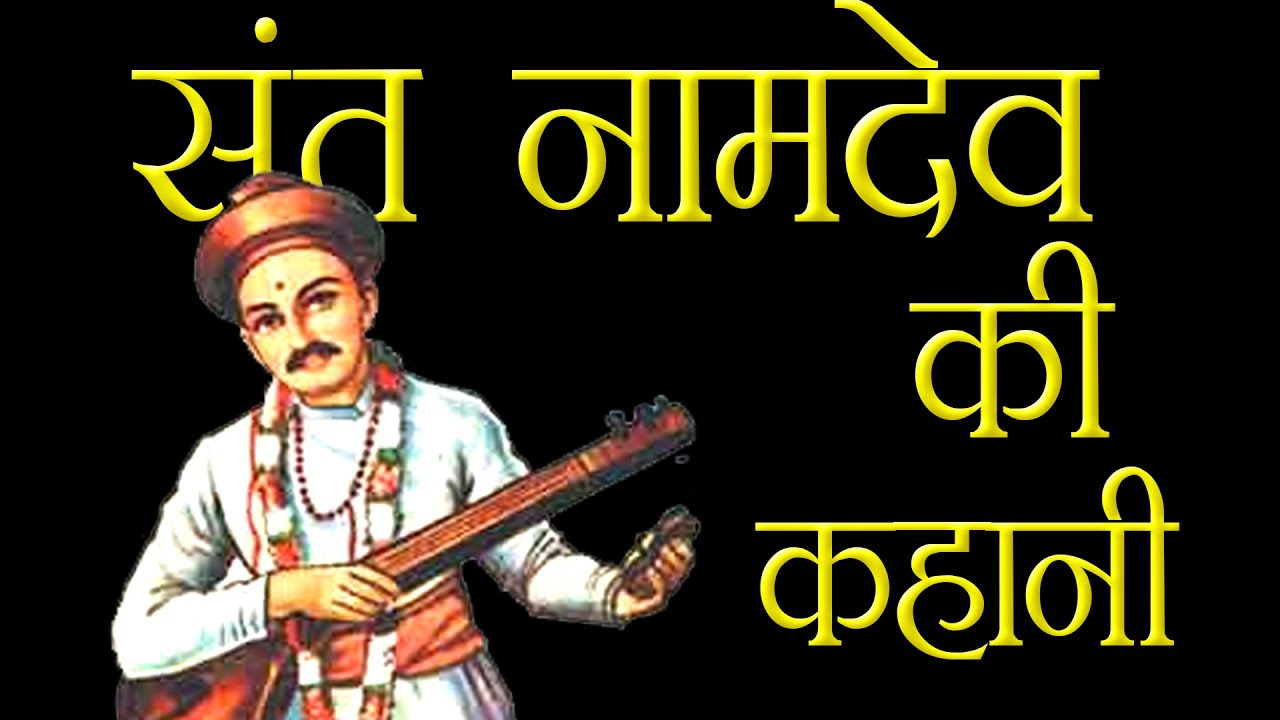
Namdev (c. – c. ), also known as Nam Dayv, Namdeo, or Namadeva, was a prominent Marathi Vaishnava saint from Narsi, Hingoli, Maharashtra. His devotional contributions to the Varkari tradition of Hinduism and his hymns included in the Guru Granth Sahib make him a vital figure for students preparing for Indian history and religious studies exams. His teachings on bhakti, social equality, and devotion to Vithoba are celebrated for their spiritual depth and inclusiveness.
🎯 In this chapter, you will understand:
- The early life, birth, and background of Saint Namdev.
- His key literary compositions, including abhangs and bhajans.
- The core philosophical concepts of nirguna and saguna devotion.
- His lasting legacy, cross-religious impact, and inclusion in Sikh scripture.
💡 Why this topic matters: Saint Namdev bridges medieval devotional movements across western and northern India, making his life and literary works a recurring topic in Indian history and culture examinations.
🧠 Core Idea: True devotion (bhakti) transcends caste boundaries and rigid rituals through love, humility, and personal connection with the Divine.
Life, Works, Philosophy & Legacy of Namdev: A Marathi Vaishnava Saint (1270-1350)
Namdev's life, devotion, and spiritual contributions provide a remarkable example of the Bhakti movement in India. He is revered for his unwavering devotion to Vithoba, his profound teachings on love and social equality, and his literary contributions that shaped the Varkari tradition in Maharashtra. His works are essential for students studying medieval Indian saints and Bhakti literature.
- (i) Born around in Narsi or near Pandharpur, details of Namdev's early life are debated but foundational for understanding his spiritual journey.
- (ii) His devotion to Vithoba influenced generations of saints and followers, promoting inclusivity and universal love.
- (iii) Namdev's hymns were incorporated in the Guru Granth Sahib, highlighting the cross-religious influence of his teachings.
Early Life, Literary Works & Philosophy of Namdev
This section explores Namdev's upbringing, his contributions to devotional literature, and the philosophical principles underlying his teachings.

Early Life of Namdev
Namdev's early years, although historically debated, laid the foundation for his spiritual journey. Born possibly into a Kshatriya caste, some sources suggest he was a shimpi (tailor) or a calico printer. His interactions with contemporary saints like Jñāneśvar influenced his devotional outlook.
- (i) Birthplace is believed to be Narsi Bahmani or near Pandharpur, both significant in the Bhakti tradition.
- (ii) Traditional accounts date his birth to c. , emphasizing the medieval context of his spiritual works.
- (iii) Early friendships with other saints nurtured his understanding of bhakti as a personal and accessible path to God.
Literary Works of Namdev
Namdev's writings, mainly bhajans and abhangs, are composed in Marathi and carry deep spiritual significance. These works are simple in language but profound in their devotional and philosophical message.
- (a) His hymns emphasize bhakti (devotion) as the primary path to spiritual liberation.
- (b) Many songs were adopted in the Guru Granth Sahib, reflecting inter-religious reverence.
- (c) The compositions are melodically structured, focusing on universal love, humility, and surrender to the divine.
Philosophy & Teachings of Namdev
Namdev's philosophy bridges nirguna brahman (formless God) and saguna brahman (God with form) concepts. His teachings emphasize devotion accessible to all, disregarding caste or social hierarchy, making him a key figure in the Bhakti movement.
Philosophical harmony: Namdev's spiritual teachings bridged formless and personal aspects of the Divine - (i) Advocated love, compassion, and spiritual equality as the path to liberation.
- (ii) Promoted bhakti over ritualism, encouraging personal connection with Vithoba.
- (iii) Inspired social inclusivity by attracting followers from diverse backgrounds.
Legacy & Influence of Namdev
Namdev's teachings left an indelible mark on the Varkari tradition and beyond, shaping devotional practices, social inclusivity, and cultural expressions in India.
Spiritual Impact
Namdev's hymns and teachings continue to inspire devotion to Vithoba and emphasize spiritual equality, making his works central to Vaishnava and Sikh devotional literature.
- (i) His hymns are sung in temples and religious gatherings across Maharashtra and Northern India.
- (ii) Integrated into the Guru Granth Sahib, showing his influence on Sikh spirituality.
- (iii) Contributed to the propagation of Bhakti principles emphasizing love, devotion, and humility.
Social & Cultural Influence
Namdev attracted followers from varied social strata, promoting equality and challenging rigid caste hierarchies through his message of universal devotion.
- (a) Influenced marginalized communities by making bhakti accessible to all.
- (b) His bhajans continue to be performed, preserving cultural and devotional heritage.
- (c) Recognized in Dadupanth and Niranjani traditions, demonstrating cross-sect reverence.
⚡ Quick Revision Capsule: Saint Namdev
A quick summary table highlighting essential details about Saint Namdev for examination revision.
| Aspect | Details | Exam Relevance |
|---|---|---|
| Time Period | c. – c. | Medieval Indian History & Bhakti Movement era. |
| Primary Region & Language | Narsi, Pandharpur (Maharashtra); Marathi | Varkari tradition and Marathi devotional literature. |
| Deity & Path | Vithoba (Lord Vishnu); Bhakti (Devotion) | Rejection of rigid ritualism in favor of personal devotion. |
| Key Literary Forms | Abhangs and Bhajans | Poetic style and language accessibility for all social classes. |
| Cross-Religious Link | Hymns included in Guru Granth Sahib | Inter-faith dialogue and influence on Sikhism. |
📝 Summary
Namdev's life and teachings, spanning –, remain a cornerstone of the Varkari tradition and Marathi Vaishnava heritage. His emphasis on bhakti, social inclusivity, and devotion to Vithoba continues to inspire students of Indian history and religious studies. His bhajans, spiritual philosophy, and enduring legacy highlight the timeless relevance of medieval Bhakti saints in Indian culture and devotional literature.
🚀 Quick Revision Points
Essential facts to review before examinations:
- (i) Born c. in Maharashtra; key figure in the early Varkari tradition.
- (ii) Devoted to Lord Vithoba of Pandharpur, emphasizing love over caste and rituals.
- (iii) Composed devotional poetry known as abhangs in Marathi.
- (iv) 61 of his hymns are preserved in the holy Sikh scripture, the Guru Granth Sahib.
- 💡 Exam Tip: Pay special attention to Namdev's hymns in the Guru Granth Sahib and his association with Saint Jñāneśvar—these are frequent questions in competitive exams on the Bhakti movement.
❓ Frequently Asked Questions (FAQ)
Q1: Who was Saint Namdev?
A1: Saint Namdev (c. –) was an influential Marathi Vaishnava saint, poet, and key contributor to the Varkari tradition of Maharashtra.Q2: What is Saint Namdev's connection to Sikhism?
A2: Over 60 of Namdev's hymns are included in the Guru Granth Sahib, reflecting his significant spiritual impact across northern India.Q3: What was the main philosophical teaching of Namdev?
A3: Namdev advocated pure devotion (bhakti) to God, rejected rigid caste discrimination, and harmonized concepts of formless (nirguna) and manifest (saguna) Divine reality.