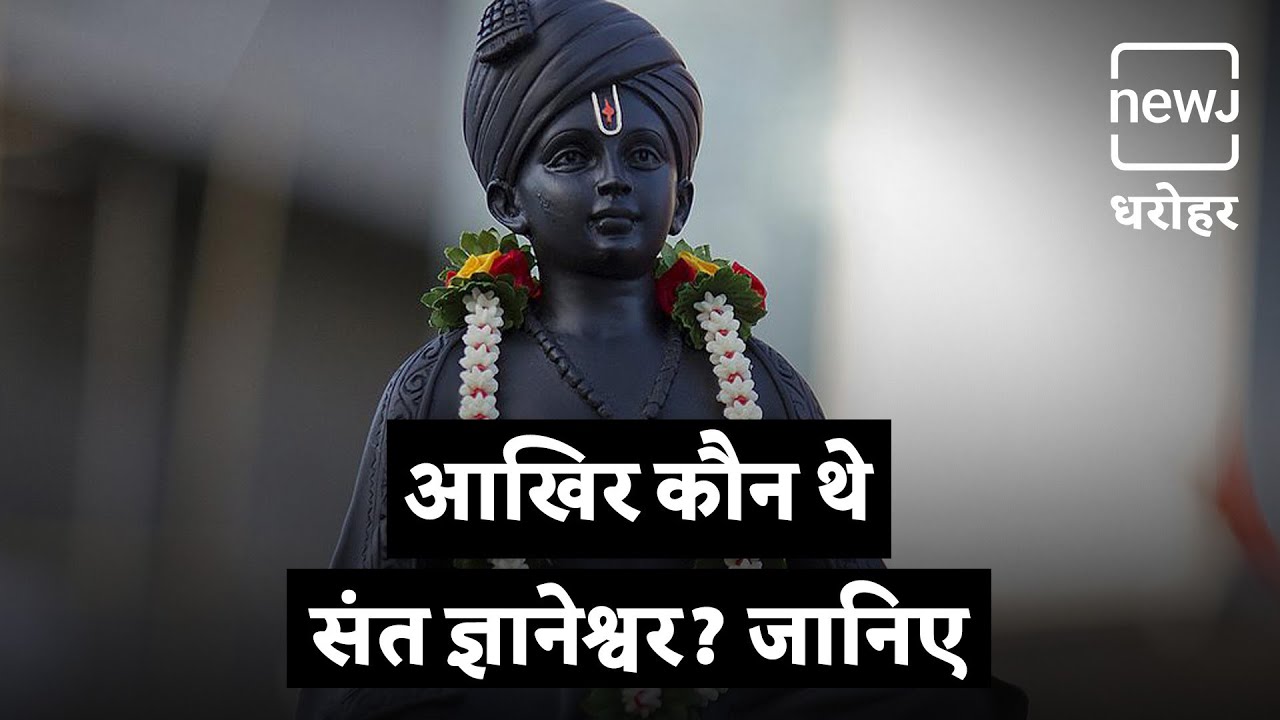
Dnyaneshwar () was a respected saint, philosopher, and poet of Maharashtra, who shaped the Bhakti movement in medieval India. His works like the Dnyaneshwari and devotional Abhangas spread the message of bhakti, equality, and social reform. For students preparing for history exams, his life and contributions hold immense importance in understanding the cultural and spiritual history of India.
🎯 In this chapter, you will understand:
- The life journey and spiritual background of Sant Dnyaneshwar.
- Key philosophical teachings on devotion, equality, and karma yoga.
- Major literary works including the Dnyaneshwari, Amrutanubhav, and Abhangas.
- His lasting impact on the Varkari tradition and Indian spiritual philosophy.
💡 Why this topic matters: Dnyaneshwar broke complex spiritual teachings out of Sanskrit so everyday people could learn them in their native Marathi language.
🧠 Core Idea: True spiritual connection comes through personal devotion and moral living rather than rigid social ranks or complex rituals.
Life, Teachings, and Impact of Dnyaneshwar on the Bhakti Movement ()
Dnyaneshwar was a spiritual pioneer who transformed medieval Indian society through his teachings and writings. He challenged rigid caste structures, emphasized personal devotion to God, and inspired generations with his spiritual philosophy. His focus on bhakti, equality, and compassion made him a cornerstone of the Bhakti tradition.
He laid the foundation for devotional equality across Maharashtra through three core life aspects:
- (i) Born in Apegaon village near Paithan on the Godavari river.
- (ii) Guided by his brother Nivruttinath into the Nath yogi tradition.
- (iii) Authored spiritual works in Marathi, making philosophy accessible to common people.
Key Life Events of Dnyaneshwar
The formative years and turning points in Dnyaneshwar’s life shaped his vision for spiritual awakening and social reform.

- His early challenges did not stop him from spreading a message of unconditional love.
Early Life and Initiation
Dnyaneshwar was born into a Brahmin family but faced severe social rejection due to his parents’ unconventional spiritual choices. Despite hardships, he displayed profound spiritual insight from an early age.
- (i) Born in in Apegaon village, Maharashtra.
- (ii) Raised under the guidance of Nivruttinath, his spiritual mentor and elder brother.
- (iii) Exposed early to Nath philosophy, which shaped his later teachings.
Teachings and Philosophy
His teachings stressed a direct connection with God through bhakti, without dependence on rituals or caste hierarchy. His message carried revolutionary social impact.
- (a) Advocated equality of all souls beyond caste divisions.
- (b) Emphasized karma yoga — performing duties without attachment to results.
- (c) Taught ahimsa (non-violence) and universal compassion.
Dnyaneshwar’s Literary Contributions
His writings brought complex spiritual concepts into the language of common people, inspiring devotional practice for centuries.
- Through poetry and commentaries, he revolutionized regional literature in Maharashtra.
The Dnyaneshwari: Commentary on the Bhagavad Gita
The Dnyaneshwari is a monumental work in Marathi literature, simplifying the Bhagavad Gita for lay readers. It explained themes like self-realization, God, and the universe through the lens of bhakti.
Manuscript of classic Marathi devotional literature - (i) Written in simple, poetic Marathi for accessibility.
- (ii) Blended Vedantic thought with Bhakti ideals.
- (iii) Became a foundational text for the Bhakti movement in Maharashtra.
Amrutanubhav: A Work of Spiritual Philosophy
The Amrutanubhav reflects Dnyaneshwar’s deep understanding of Vedantic concepts, exploring the nature of divine experience and the union of the self with the universal spirit.
- (a) Discusses non-duality and the essence of consciousness.
- (b) Highlights the importance of inner spiritual realization.
- (c) Complements the practical approach of the Dnyaneshwari.
Abhangas: Devotional Hymns
Abhangas were short, powerful verses filled with devotion to Vithoba. Their simplicity made them accessible while carrying profound spiritual depth.
- Love: Expressed unconditional devotion to God.
- Surrender: Advocated humility and letting go of ego.
- Equality: Promoted spiritual accessibility for all, irrespective of caste or gender.
⚡ Quick Revision Capsule: Works and Teachings of Dnyaneshwar
A quick summary of Dnyaneshwar's major literary creations and core philosophical principles for exam revision.
| Literary Work / Concept | Primary Theme & Language | Key Significance |
|---|---|---|
| Dnyaneshwari | Commentary on Bhagavad Gita in Marathi | Made complex Vedic philosophy accessible to common people. |
| Amrutanubhav | Philosophical work on non-duality | Explored divine consciousness and inner self-realization. |
| Abhangas | Devotional poetry to Lord Vithoba | Emphasized love, humility, and equal spiritual access. |
| Karma Yoga | Selfless action without attachment | Encouraged fulfilling daily duties as a form of devotion. |
| Varkari Tradition | Pilgrimage and community worship | Foundational movement centered around Alandi and Pandharpur. |
📝 Summary
Dnyaneshwar was a spiritual revolutionary whose teachings combined devotion, social reform, and philosophy during . Through the Dnyaneshwari, Amrutanubhav, and Abhangas, he democratized access to spiritual wisdom. His legacy in the Bhakti and Varkari movements continues to inspire students, devotees, and seekers of truth, equality, and compassion.
🚀 Quick Revision Points
Essential facts to review before examinations:
- (i) Lived during and took Sanjeevan Samadhi at Alandi near Pune.
- (ii) Authored the Dnyaneshwari at a very young age in everyday Marathi.
- (iii) Initiated into the Nath Sampradaya by his elder brother Nivruttinath.
- (iv) Laid the spiritual groundwork for future saint-poets like Eknath and Tukaram in the Varkari movement.
- 💡 Exam Tip: Questions on the Bhakti movement often test the link between regional languages and social equality. Highlight how writing in Marathi rather than Sanskrit democratized spiritual knowledge.
❓ Frequently Asked Questions (FAQ)
Q1: What is the main contribution of Sant Dnyaneshwar to Marathi literature?
A1: His greatest contribution is the Dnyaneshwari, a simplified commentary on the Bhagavad Gita written in Marathi.Q2: How did Dnyaneshwar impact the social structure of his time?
A2: He promoted spiritual equality, rejecting caste-based restrictions on learning and religious practice.Q3: What role does Alandi play in Dnyaneshwar's legacy?
A3: Alandi is the site where Dnyaneshwar entered Sanjeevan Samadhi in , making it a central pilgrimage hub for the Varkari tradition.