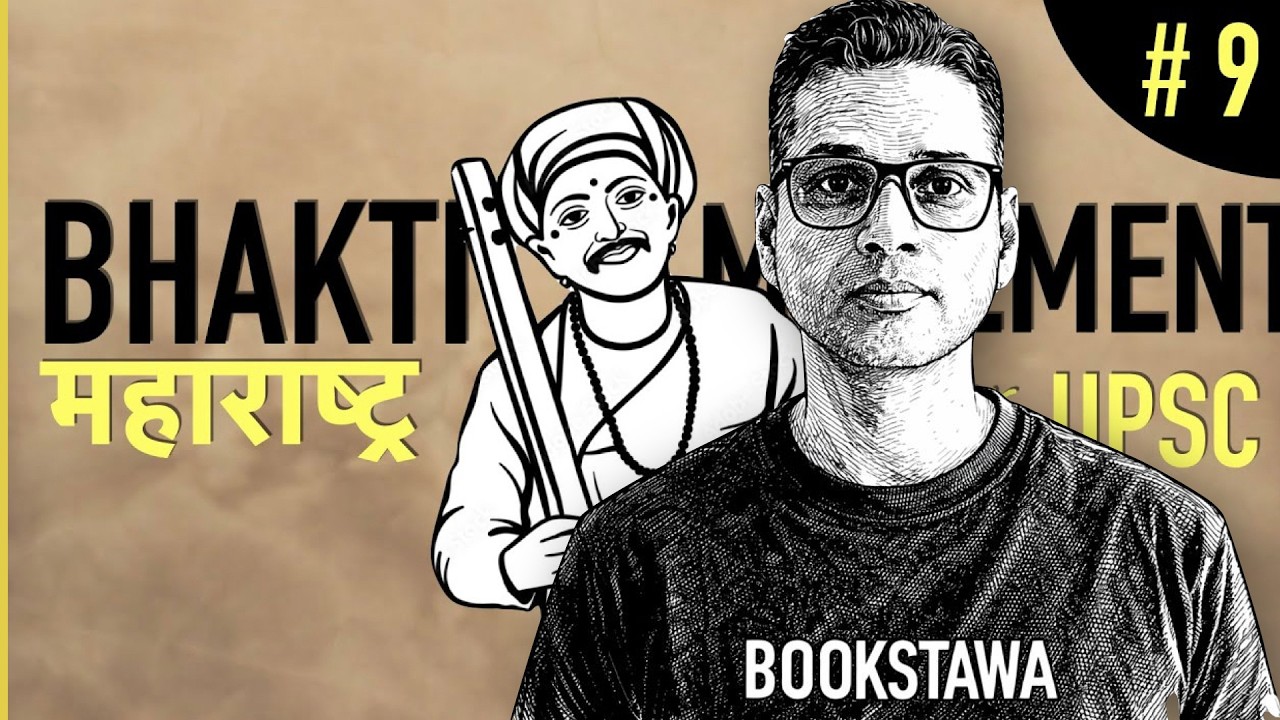
Sant Tukaram Maharaj (c. – c. ), a prominent Marathi saint of the Varkari tradition, significantly shaped Indian spirituality and literature. Known for his devotional Abhanga poetry dedicated to Vithoba of Pandharpur, his life and teachings remain highly relevant for students preparing for history, culture, and religious studies exams, offering insights into social equality, bhakti philosophy, and the Maharashtrian cultural heritage.
🎯 In this chapter, you will understand:
- The life journey and spiritual background of Sant Tukaram Maharaj in 17th-century Maharashtra.
- Core principles of his Bhakti philosophy and his efforts toward social equality and reform.
- Literary contributions including Abhanga devotional poetry and the Tukaram Gatha.
- His long-lasting cultural legacy, historical influence, and relevance for modern students.
💡 Why this topic matters: Understanding Sant Tukaram helps students grasp the socio-religious movements of medieval India, the rise of vernacular literature, and the egalitarian philosophy of the Bhakti movement.
🧠 Core Idea: True devotion (bhakti) requires pure love, selfless service, and the rejection of social barriers like caste, accessible to everyone in simple everyday language.
Sant Tukaram Maharaj: Life, Works, Philosophy, and Legacy (1608-1650)
Sant Tukaram Maharaj, a revered Marathi saint and poet of the Varkari tradition, devoted his life to bhakti and social reform. His teachings, encapsulated in Abhanga poetry, continue to inspire millions, reflecting a blend of spiritual wisdom and social consciousness important for cultural and academic studies.
Introduction to Sant Tukaram Maharaj and his significance in spirituality and literature
His early experiences led him away from material life toward complete devotional focus and community service.
- (i) Born as Tukaram Bolhoba Ambile in Dehu, Maharashtra, he experienced early spiritual awakening and dedicated his life to devotion.
- (ii) Composed profound Abhanga poetry while engaging in community kirtans and contemplation.
- (iii) Influenced by social equality ideals, he challenged conventional norms and promoted humility and selfless service.
Philosophy & Beliefs of Sant Tukaram Maharaj
Sant Tukaram Maharaj emphasized personal bhakti and the importance of social justice. His teachings encourage inclusive devotion transcending caste and creed.

Bhakti Philosophy and Spiritual Ideals
Rooted in Vedanta, Tukaram Maharaj advocated bhakti as the primary path to liberation. He taught that devotion to Vithoba should be sincere, personal, and free from ritualistic constraints. His philosophy emphasizes love, compassion, and service as core spiritual practices.
- (i) Promoted direct, heartfelt devotion as a path to spiritual liberation.
- (ii) Encouraged inclusive devotion, accessible to all regardless of caste or social status.
- (iii) Advocated compassion and selfless service as vital aspects of spiritual life.
Social Reform and Equality
Tukaram Maharaj’s teachings directly challenged social hierarchies. By promoting equality and justice, he became a spiritual and social reformer, making his work relevant for students of history, culture, and social sciences.
- (a) Critiqued caste discrimination and advocated for social equality.
- (b) Encouraged universal access to spiritual knowledge and devotion.
- (c) Inspired reforms in Maharashtrian society and beyond.
Literary Contributions: Abhanga Poetry and Tukaram Gatha
Renowned for his Abhanga poetry, Tukaram Maharaj expressed devotion, social commentary, and reflections on human life. His Tukaram Gatha remains a cornerstone of Marathi literature, providing valuable material for literary and cultural studies.
The Tukaram Gatha compiles thousands of devotional verses composed in the Marathi language. - Abhanga Poetry: Simple, direct, and deeply devotional, addressing themes of love, devotion, human experience, and social justice.
- Tukaram Gatha: Compilation of Abhangas forming a literary masterpiece studied for spiritual and cultural insight.
- Influence on Literature: Inspired generations of poets, writers, and musicians in Maharashtra.
Legacy & Influence of Sant Tukaram Maharaj
The impact of Tukaram Maharaj extends across Marathi culture, spirituality, and literature, remaining highly relevant for students studying Indian culture and religious history.
Cultural and Literary Impact
His Abhangas influenced Marathi literature, music, and cultural traditions. They continue to be a source of inspiration for artists and devotees.
- (i) Shaped Marathi literary tradition with devotional and philosophical depth.
- (ii) Inspired generations of writers, poets, and musicians in Maharashtra.
- (iii) Reinforced cultural identity and spiritual heritage.
Recognition and Social Influence
Celebrated as a saint and social reformer, Tukaram Maharaj’s teachings have inspired notable figures including Mahatma Gandhi and continue to influence social thought and spiritual practice.
- (a) Temples and shrines dedicated to him attract pilgrims across India.
- (b) Revered for promoting non-violence and social justice.
- (c) His message integrates devotion with ethical and social responsibility.
⚡ Quick Revision Capsule: Sant Tukaram Maharaj
Key historical facts, concepts, and contributions summarized for quick review:
| Aspect | Details & Key Concepts | Historical Significance |
|---|---|---|
| Time Period & Region | – , Dehu, Maharashtra | Active during 17th-century Maharashtra during a pivotal cultural transformation. |
| Spiritual Tradition | Varkari tradition focused on Vithoba | Promoted non-sectarian, inclusive devotion open to all social classes. |
| Literary Form | Abhanga poetry in Marathi language | Made complex philosophical truths understandable to common people. |
| Major Work | Tukaram Gatha | A foundational text of Marathi literature and Bhakti movement history. |
| Core Philosophy | Direct bhakti, equality, anti-caste stance | Inspired socio-religious reform movements and leaders like Mahatma Gandhi. |
📝 Summary
Sant Tukaram Maharaj’s life and teachings underscore the significance of devotion, social consciousness, and cultural legacy. His Abhangas and philosophy remain essential for students studying , spirituality, and literature as preserved in the Tukaram Gatha. Through his enduring message of love, compassion, and social justice, Tukaram Maharaj continues to inspire generations and reinforces the relevance of Varkari traditions in contemporary society.
🚀 Quick Revision Points
Essential facts to review before examinations:
- (i) Born in Dehu, Maharashtra, dedicating his life to Lord Vithoba.
- (ii) Composed Abhanga poetry using plain vernacular Marathi language.
- (iii) Challenged caste hierarchies and ritualism through egalitarian bhakti.
- (iv) Main literary compilation is the revered Tukaram Gatha.
- 💡 Exam Tip: Focus on how Sant Tukaram used local vernacular language (Marathi) and Abhanga verse structure to democratize education and spiritual practice during the Bhakti movement.
❓ Frequently Asked Questions (FAQ)
Q1: Who was Sant Tukaram Maharaj?
A1: Sant Tukaram Maharaj was a prominent 17th-century Marathi saint, poet, and social reformer of the Varkari tradition dedicated to Lord Vithoba.Q2: What are Abhangas?
A2: Abhangas are devotional poetic verses composed in simple Marathi that express spiritual truths, love for God, and social critiques.Q3: What is the Tukaram Gatha?
A3: The Tukaram Gatha is the sacred compilation of Sant Tukaram's Abhanga poems, celebrated as a major work in Marathi literature.