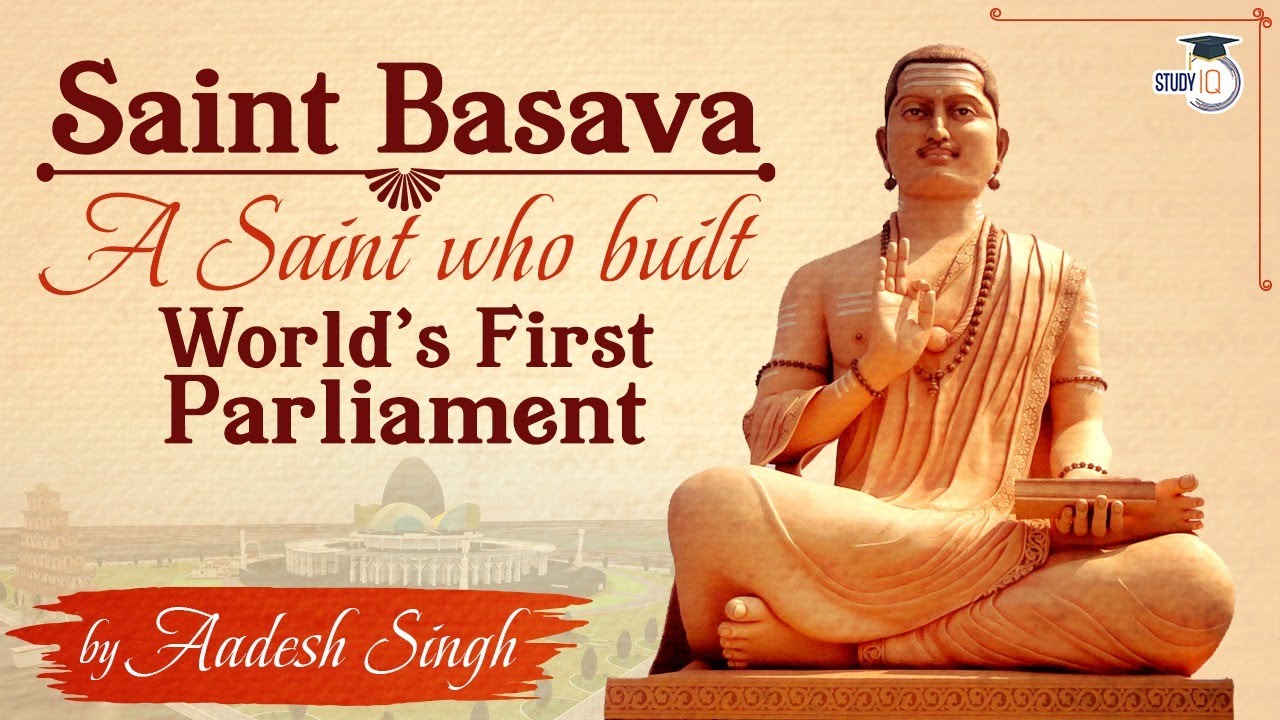
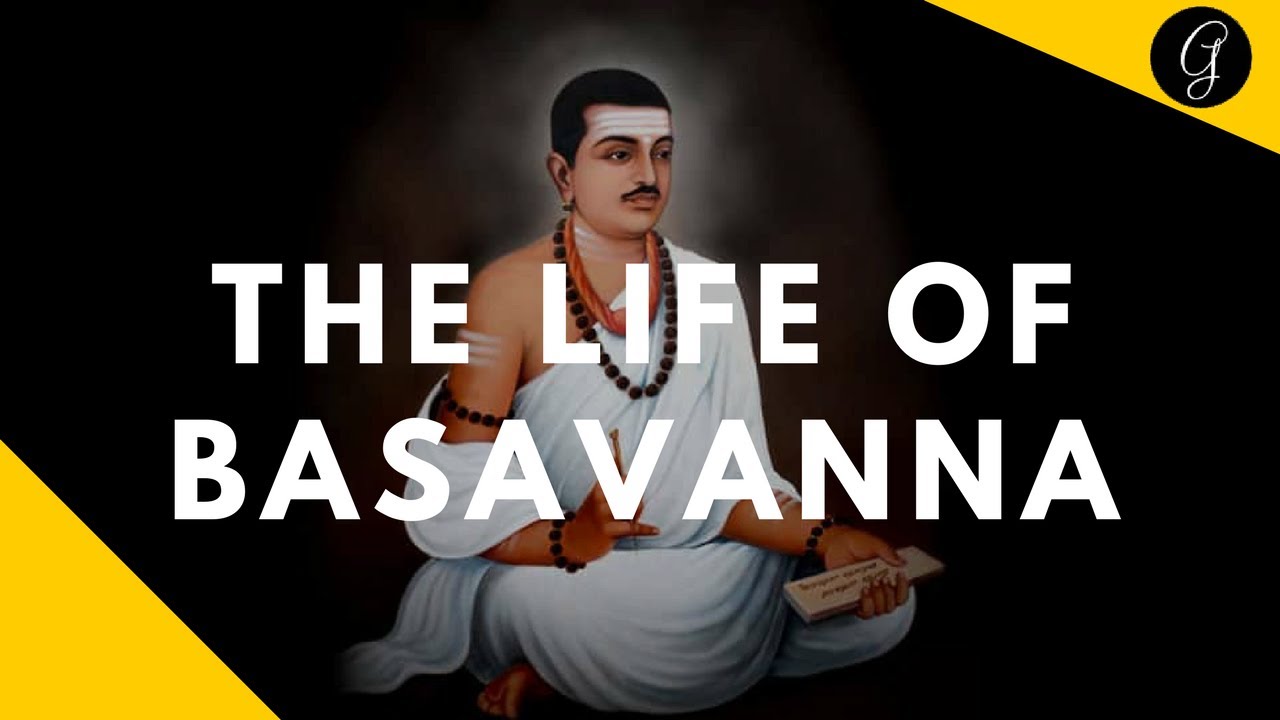
Basava (), also called Basavēśvara and Basavaṇṇa, was a great philosopher, poet, and social reformer of medieval India who played a leading role in the Bhakti Movement. As the founder of the Virashaiva movement, he promoted social equality, religious reform, and the use of Kannada vachanas to spread spiritual knowledge. His ideas, developed during the rule of King Bijjala II of the Kalyani Chalukya/Kalachuri dynasty, remain vital for students preparing for history and culture exams.
🎯 In this chapter, you will understand:
- The early life, background, and education of Basava in Karnataka.
- The core principles of the Virashaiva movement and the practice of wearing the Ishtalinga.
- Social reforms including the Anubhava Mantapa and the principle of Kayakavé Kailása.
- Literary contributions through Vachana Sahitya and the lasting legacy of Lingayat spirituality.
💡 Why this topic matters: Basava's reforms marked a major shift toward social equality and accessible devotional literature in medieval South India, making this a frequent topic in history and Indian heritage examinations.
🧠 Core Idea: True devotion (bhakti) requires social justice, honest labor (kayaka), rejection of caste barriers, and personal devotion over rigid ritualism.
Life, Philosophy, and Social Reforms of Basava ()
Basava’s journey as a poet, philosopher, and reformer shaped the Lingayat tradition and changed medieval Karnataka society.
He emphasized devotion to Shiva, equality across castes, and spiritual liberation through bhakti. His teachings in the form of Vachanas continue to inspire Indian spirituality.
- (i) Early life in Basavana Bagewadi, Karnataka.
- (ii) Promotion of Virashaivism as a new spiritual movement.
- (iii) Establishment of Anubhava Mantapa, the first democratic spiritual forum.
Early Life and Education of Basava
Basava’s childhood and early studies shaped his spiritual outlook. His exposure to Kudalasangama Shaivism and the Lakulisha-Pashupata tradition laid the foundation for his later reforms.

Birth and Family Background
Basava was born in at Basavana Bagewadi in Karnataka to Maadhavarasa and Madalambike, an orthodox Brahmin family devoted to Shiva.
- (i) Named after Vrishabha (Nandi, Lord Shiva’s vehicle).
- (ii) Grew up in a family steeped in Shaiva tradition.
- (iii) His marriage to Gangambike tied him to political circles under King Bijjala II.
Education and Spiritual Training
At Kudalasangama, Basava studied scriptures and philosophy for twelve years, gaining knowledge of Shaiva practices. This exposure inspired him to reinterpret spirituality in an accessible way.
- (a) Strong influence of Lakulisha-Pashupata Shaivism.
- (b) Training in Kannada religious literature.
- (c) Preparation for his later role as a reformer and leader.
Philosophical and Religious Contributions of Basava
Basava created a distinct Virashaiva philosophy that rejected ritualism and emphasized direct devotion to Shiva through the Ishtalinga.
Virashaiva Movement and Ishtalinga
The Virashaiva movement promoted personal devotion by wearing the Ishtalinga, making every individual a temple of Shiva.
- (i) Focused on inner devotion instead of rituals.
- (ii) Simplified spiritual practices for all castes.
- (iii) Spread widely in Karnataka and later in South India.
Rejection of Rituals and Dualism
Basava opposed sacrifices and caste-based rituals, advocating ahimsa, bhakti, and self-realization as the true path to liberation.
The Ishtalinga serves as a personal emblem of divine presence, worn directly on the body. - (a) Condemned animal sacrifice.
- (b) Criticized priestly dominance.
- (c) Emphasized compassionate ethical living.
Social Reforms and Public Contributions of Basava
As chief minister under King Bijjala II, Basava used his position to implement reforms and reduce social inequality.
Anubhava Mantapa and Democratic Dialogue
Anubhava Mantapa, founded by Basava, was a forum where saints, poets, and citizens discussed social justice, spirituality, and economic issues freely.
- (i) Considered the first parliament of spiritual democracy.
- (ii) Allowed women and marginalized groups to participate.
- (iii) Produced profound Vachana literature.
Kayakavé Kailása: Work as Worship
Basava’s famous phrase “Kayakavé Kailása” (Work is Kailasa) taught that honest labor is equal to worship.
- (a) Elevated dignity of labor.
- (b) Encouraged people to view work as service to Shiva.
- (c) Broke barriers of caste-based occupations.
Literary Works and Legacy of Basava
Basava left behind a vast literary and spiritual legacy, preserved in Vachanas and later biographies like the Basava Purana.
Vachana Sahitya and Poetic Contributions
His Vachanas are short Kannada poems that challenged orthodoxy and promoted equality.
- (i) Simple yet profound poetic style.
- (ii) Spread devotional thought to common people.
- (iii) Considered a treasure of Karnataka literature.
Titles and Reverence
He was called Bhaktibhandari or “Treasurer of Devotion” for spreading devotional literature and spiritual reform.
- (a) Revered as a saint in Karnataka.
- (b) His ideas influenced South Indian Bhakti poetry.
- (c) Inspired later reformist thinkers.
Core Beliefs and Key Concepts of Basava
Basava’s teachings can be summarized through his key concepts and symbols that guided the Lingayat faith.
- (i) Vachana: Philosophical Kannada poems for spiritual learning.
- (ii) Anubhava Mantapa: Open democratic platform for free dialogue.
- (iii) Ishtalinga: Symbol of personal devotion worn on the body.
- (iv) Bhakti: The central path of devotion leading to spiritual liberation.
- (v) Social Equality: Active rejection of caste and gender discrimination.
- (vi) Ahimsa: Principle of non-violence as a moral foundation.
Basavanna and the Lingayat Movement
Basavanna (), a predecessor of Basava, pioneered the Lingayat movement with similar ideals of equality and devotion.
- (i) His Vachanas spread Lingayat principles in simple Kannada.
- (ii) Opposed caste-based rituals and priestly dominance.
- (iii) Laid the foundation that Basava later expanded.
⚡ Quick Revision Capsule: Key Terms & Concepts of Basava
A quick summary table covering the core pillars of Basava's life, philosophy, and reforms for fast exam revision:
| Concept / Term | Meaning / Significance | Core Impact |
|---|---|---|
| Ishtalinga | Personal icon of Lord Shiva worn on the body | Removed the need for expensive temple rituals |
| Anubhava Mantapa | Democratic spiritual assembly at Kalyani | Allowed men, women, and all castes to discuss religion and ethics |
| Kayakavé Kailása | Motto meaning "Work is Worship" | Elevated manual labor and broke caste-based job stigma |
| Vachana Sahitya | Rhythmic prose poetry in simple Kannada | Made deep spiritual knowledge available to everyday people |
| Basava Purana | Biographical text documenting the life of Basava | Preserved the history and miracles of early Virashaiva leaders |
📝 Summary
Basava and Basavanna were visionary reformers who reshaped medieval Indian spirituality during the through the Lingayat movement. Their teachings emphasized bhakti, social equality, and ethical living as recorded in works like the Basava Purana. For students preparing for history and culture exams, understanding their legacy is essential, as it reflects both Karnataka’s cultural heritage and the Bhakti era’s philosophical depth.
🚀 Quick Revision Points
Essential facts to review before examinations:
- (i) Basava founded the Virashaiva movement in Karnataka.
- (ii) He set up the Anubhava Mantapa to promote egalitarian spiritual debate.
- (iii) He promoted Kayakavé Kailása to teach that honest work is true worship.
- (iv) His teachings survive in Vachanas and historical accounts like the Basava Purana.
- 💡 Exam Tip: Pay special attention to terms like Anubhava Mantapa, Ishtalinga, and Kayaka in exam questions, as examiners frequently test these specific contributions of the Bhakti movement in Karnataka.
❓ Frequently Asked Questions (FAQ)
Q1: Who was Basava and during which century did he live?
A1: Basava was a 12th-century philosopher, poet, and social reformer in Karnataka who led the Virashaiva/Lingayat movement.Q2: What is the significance of the Anubhava Mantapa?
A2: The Anubhava Mantapa was an open academy established by Basava where people from all social backgrounds and genders gathered to discuss philosophy and social reform.Q3: What does the phrase "Kayakavé Kailása" mean?
A3: It means "Work is Worship," emphasizing that honest labor performed with dedication leads to spiritual fulfillment.