The Bhakti Movement in India represents a massive spiritual and social awakening. It focused on deep personal devotion (Bhakti) and direct connection with God, stepping away from strict Vedic rituals. Starting long before the Turkish invasions, this movement spread across South and North India between the and . It permanently reshaped Hinduism, Sufism, and Sikhism. For students preparing for exams, this topic shows important social reforms that challenged the caste system, mixed Hindu and Islamic traditions, and created popular local literature.
🎯 In this chapter, you will understand:
- The historical origins and early development of devotional worship in India.
- The key roles played by South Indian and North Indian Bhakti saints.
- How the Bhakti movement challenged caste barriers and promoted social equality.
- The lasting legacy of regional literature, music, and religious harmony.
💡 Why this topic matters: The Bhakti movement reshaped Indian society by replacing rigid ritualism with accessible personal devotion, making spiritual life open to everyone regardless of caste or gender.
🧠 Core Idea: Direct love and devotion (Bhakti) to God can connect a seeker directly to the Divine without complex rituals or intermediary priests.
Origins and Growth of the Bhakti Movement (7th–16th Century)
The Bhakti movement grew as a warm, personal path to God, choosing love and spiritual unity over strict external ceremonies. Its roots lie in ancient philosophies, but it grew strong by interacting with ideas from Buddhism and reinterpreting classic epics. As the movement traveled from South India to the North, it changed philosophy, art, local languages, and everyday social life.
- (i) Early seeds of devotion appeared in Vedic hymns and the Upanishads, gaining more practical shape through popular Mahayana practices in Buddhism.
- (ii) New ways of understanding the Ramayana and Mahabharata during the Gupta period gave broad support for devotional worship.
- (iii) Important thinkers like the poet Jayadeva, famous for his devotional poems, and the philosopher Shankaracharya helped enrich the spiritual culture with poetry and scholarly writing.
Development of the Bhakti Movement in South India
The earliest spark of this movement started in South India. There, active groups devoted to Shaivism (Shiva worship) and Vaishnavism (Vishnu worship) grew between the and , setting the model for later devotional traditions across India.

Pioneering Role of Nayanars and Alvars: Tamil Devotional Poetry
These respected saint-poets in the Tamil region were the first to make Bhakti popular among common people. They shared their message using simple local languages instead of complex, difficult rituals.
- (i) The Nayanars were devoted followers of Shiva who shared their love through the moving Tevaram hymns, which remain central to Tamil spiritual literature.
- (ii) The Alvars followed Vishnu and made his worship popular through their large poetry collection, the Divya Prabandham.
- (iii) Both groups taught that deep, personal devotion and love for God matter far more than outward ceremonies or difficult sacrifices.
The Great Bhakti Philosophers: Ramanuja and Madhva
While saint-poets provided emotional warmth, scholars like Ramanuja and Madhva gave the movement strong intellectual foundations by connecting Bhakti with traditional Vedantic thought.
- (a) The scholar Ramanuja taught the idea of Vishishtadvaita (qualified non-dualism), explaining that individual souls are connected to God, and that temple devotion is the main path to freedom.
- (b) On the other hand, Madhva presented the Dvaita (dualism) philosophy, keeping a clear difference between God and the individual soul.
- (c) Their careful writings helped strengthen religious diversity and gave Vaishnava traditions a lasting intellectual foundation in South India.
Spread of the Bhakti Movement to North India
The devotional path slowly traveled north with travelers, teachers, and traders. In the North, it succeeded because saints spoke in everyday local languages, making the message easy for everyone to understand.
Great Saints and Poets in North India
Northern saints were skilled communicators who adapted core teachings into regional dialects, ensuring people from all walks of life could connect with them.
- (i) Ramananda played a key role by teaching in local speech, bringing Bhakti to the broad Hindi-speaking regions along the Gangetic plains.
- (ii) Bold thinkers like Kabir and Guru Nanak built a bridge between Hindu Bhakti and the loving monotheism of Sufi mysticism, encouraging mutual respect among different faiths.
- (iii) Devotional poets like Tulsidas (author of Ramcharitmanas), Surdas (author of Sur Sagar), and Mirabai shared their love for Rama and Krishna through poetry that remains popular today.
Transformative Social Impact and Enduring Legacy
This movement was much more than a spiritual trend; it acted as a strong force for social change. It influenced society, art, and literature across medieval India by questioning unfair barriers and encouraging unity.
Social Reforms: Challenging Caste and Fostering Inclusivity
A lasting contribution of the Bhakti movement was its direct challenge to rigid caste rules and religious formality, building a culture of openness and respect.
Bhakti saints preaching equality and harmony among all social groups - (i) The saints taught spiritual equality, reminding people that everyone is equal before God regardless of caste, social standing, gender, or belief.
- (ii) This spirit of tolerance helped shape inclusive ideas during the Mughal period, such as Akbar's religious policy, and formed the basis for Sikhism as an equal community.
- (iii) The movement built a shared culture through accessible devotional songs and poetry that crossed regional borders.
⚡ Quick Revision Capsule: Key Strands of the Bhakti Movement
Here is a quick overview comparing the primary traditions, regions, and teachings of the Bhakti movement:
| Tradition / Region | Key Figures & Authors | Core Philosophy & Features |
|---|---|---|
| South Indian Shaivism | 63 Nayanars | Devotion to Shiva through Tevaram hymns in Tamil language. |
| South Indian Vaishnavism | 12 Alvars, Ramanuja, Madhva | Devotion to Vishnu via Divya Prabandham; Vishishtadvaita and Dvaita philosophies. |
| North Indian Nirguna | Kabir, Guru Nanak | Worship of the formless God, rejection of caste, synthesis with Sufi ideals. |
| North Indian Saguna | Tulsidas, Surdas, Mirabai | Devotion to avatars Rama and Krishna; authoring Ramcharitmanas and Sur Sagar. |
| Eastern & Western Streams | Chaitanya Mahaprabhu, Namadeva, Narsinha Mehta | Ecstatic kirtans, regional songs, broad social participation across all classes. |
Important Saints and Key Figures of the Bhakti Movement
Many remarkable saints guided this movement, carrying the message of love, devotion, and social reform to every part of the country.
Notable Pan-Indian Spiritual Leaders
These influential teachers helped shape medieval Indian spirituality and literature through their life and work.
- (i) Figures like Namadeva (a tailor) and Ramananda (a Brahmin) welcomed people of all castes and backgrounds into spiritual life.
- (ii) Teachers like Kabir and Guru Nanak emphasized the oneness of God and peace between different faith communities.
- (iii) Mirabai expressed her deep love for Krishna through beautiful poetry, standing up against restrictive social expectations of her era.
Focus on the Vaishnavite Bhakti Movement
A major part of the overall movement centered on worshipping Rama and Krishna, the human forms (avatars) of Vishnu. Their stories inspired poetry, music, and public devotion.
Saint-Poets of Vaishnavite Devotion
These poets expressed love for God in everyday language, creating timeless works that are still sung across India today.
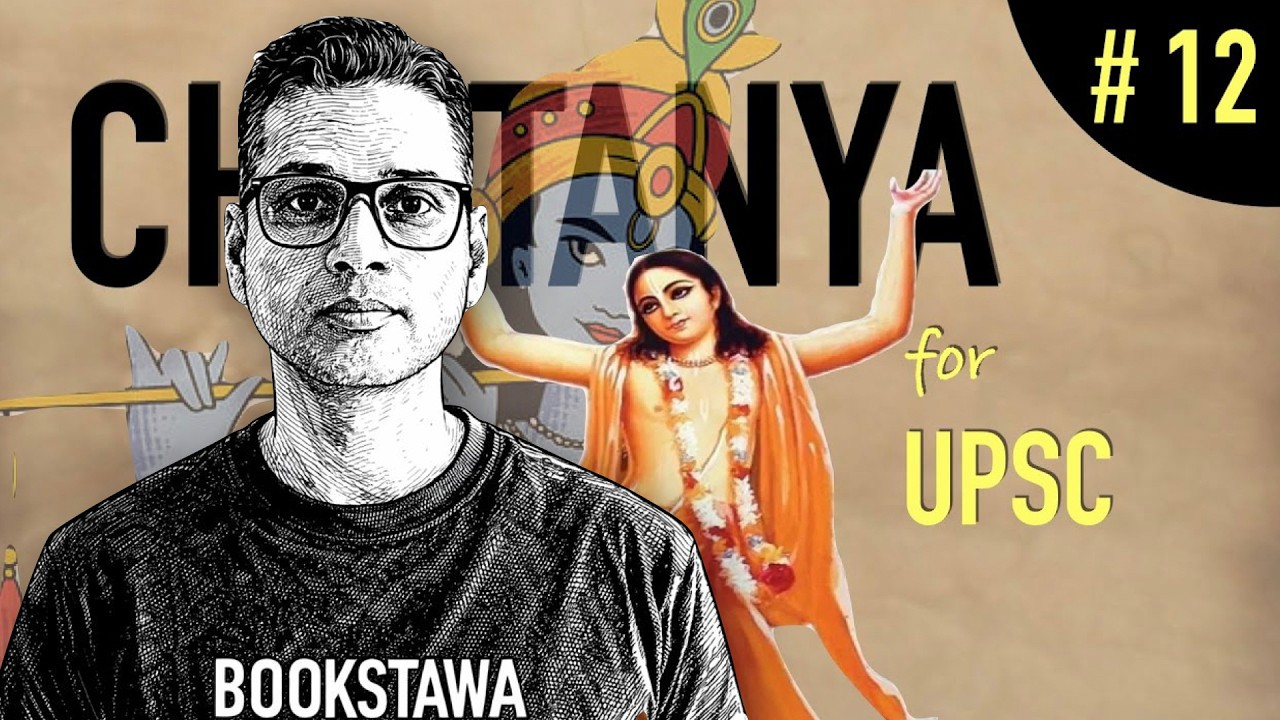
- (i) Chaitanya Mahaprabhu in Bengal inspired lively devotional singing and dancing called kirtans, spreading Krishna worship widely.
- (ii) The blind poet Surdas wrote moving poems in Brijbhasha, especially in his famous work Sur Sagar, describing Krishna's childhood.
- (iii) Devotees like Mirabai in Rajasthan and Narsinha Mehta in Gujarat used local languages to express their deep love for Krishna.
Influence of Bhakti on Syncretic and Sufi Movements
The open environment of the Bhakti movement encouraged friendly exchange with Sufi traditions of Islam, which also emphasized direct love for God and spiritual unity.
- (i) Leaders like Kabir and Guru Nanak showed that Bhakti ideals and Sufi spirituality share much in common.
- (ii) The use of local poetry, devotional songs, and shared gatherings built strong connections between different communities.
- (iii) This friendly exchange strengthened values of unity, tolerance, and personal devotion throughout medieval India.
📝 Summary
The Bhakti Movement, spanning from the to the , reshaped Indian society by placing personal devotion, equality, and unity above rigid ceremonies and social barriers. Great saints like Ramananda, Kabir, Mirabai, Tulsidas, and Guru Nanak shared their teachings through memorable regional poetry and music. For students preparing for examinations, understanding this movement is key to learning about medieval social reforms, Hindu-Islamic cultural harmony, and the origins of Sikhism and modern devotional practices.
🚀 Quick Revision Points
Essential facts to review before examinations:
- (i) Bhakti means personal devotion to God without needing rigid rituals or priest intermediaries.
- (ii) Started in South India with Shaiva Nayanars and Vaishnava Alvars ().
- (iii) Vishishtadvaita was founded by Ramanuja, while Dvaita was taught by Madhva.
- (iv) Major texts include Tevaram, Divya Prabandham, Ramcharitmanas, and Sur Sagar.
- 💡 Exam Tip: When answering questions on the Bhakti movement, highlight the shift from Sanskrit to regional languages, as this was crucial in making spiritual ideas accessible to all social groups.
❓ Frequently Asked Questions (FAQ)
Q1: What was the primary focus of the Bhakti movement?
A1: The primary focus was direct, personal love and devotion to God, bypassing complicated rituals and social barriers.Q2: Who were the Alvars and Nayanars?
A2: They were South Indian saint-poets; the Nayanars worshipped Shiva, while the Alvars worshipped Vishnu, both expressing devotion through Tamil poetry.Q3: How did the movement influence regional languages?
A3: Saints composed their works in local dialects rather than Sanskrit, enriching literature like Ramcharitmanas and making spiritual knowledge open to everyone.