The power fights of the Ahoms in the Assam Valley and their battles with the strong Mughal Empire show how regional politics and empire expansion worked in northeastern India. This historical guide covers key events like the Mughal occupation of Guwahati in , Mir Jumla's invasion from , and the setup of Mughal control in Bengal under Shaista Khan. It gives clear background details for students learning about border management during the rule of Emperor Aurangzeb.
🎯 In this chapter, you will understand:
- How internal fights and regional threats shaped early Ahom rule in Assam.
- The main battles with Mughal forces during the reign of Emperor Aurangzeb.
- How Ahom fighters used guerrilla warfare to protect their lands.
- How Shaista Khan controlled Bengal, cleared pirates, and built trade routes.
💡 Why this topic matters: It explains why northeastern India remained largely independent despite major Mughal expansion efforts.
🧠 Core Idea: Ahom defense strategies and geography limited the reach of the powerful Mughal military in the East.
Ahom Power Struggles in the Assam Valley and the Major Military Conflicts with the Mughals (17th Century)
A detailed insight into the Ahom kingdom’s prolonged political and intense military conflicts with the ambitious Mughal forces and various neighboring states.
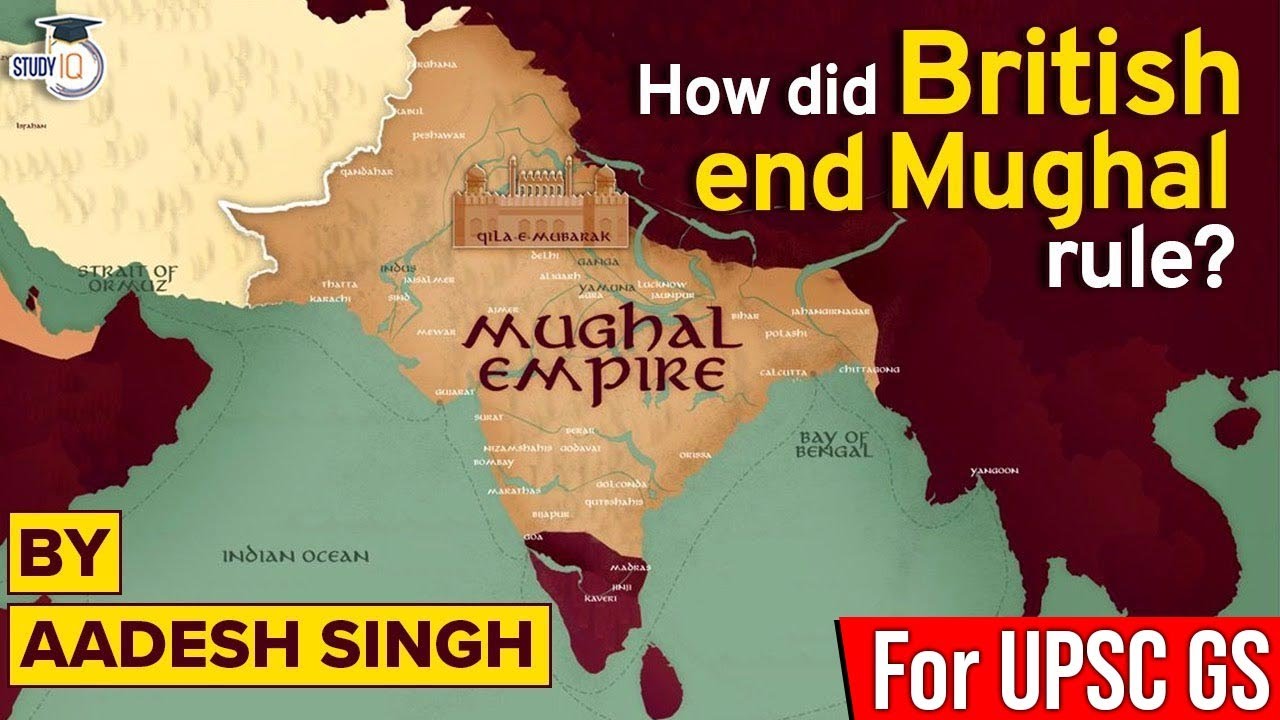
The growth of the Ahoms in the Assam Valley faced constant external threats, mostly from the weakening regional power of the Kamata kingdom and attacks by Afghan rulers who held Bengal. At the same time, inner political disputes among Ahom leaders weakened their control over the rich Assam Valley. The Mughal Empire took advantage of these family rivalries, taking over key locations like the fort city of Guwahati and making local rulers pay tribute to extend their reach.
- (i) Early clashes mainly involved fights against the crumbling Kamata (Kamrup) kingdom and defense against remaining Afghan rulers in Bengal.
- (ii) The steady decline of the Kamata state became clear by the late , leading to the rise of the Kuch (Cooch Bihar) kingdom as the new power west of Ahom land.
- (iii) Family rivalries and local political divisions within the Ahom leadership opened the door for Mughal armies to enter Assam during the early years of the .
- (iv) A major turning point occurred in , when the Mughals captured western Assam Valley up to the Bar Nadi river, often aided by soldiers from the Kuch kingdom.
- (v) Fights slowed down after a treaty in , which set the Bar Nadi river as the official boundary, placing the town of Guwahati under direct Mughal control.
War During Aurangzeb's Reign: Imperial Mughal Expansion in Assam and the Annexation of Cooch Bihar
The persistent Ahoms continued to fight back against expanding Mughal territory, especially during the reign of Emperor Aurangzeb. This era saw major military drives, including the large attack led by army commander Mir Jumla.

Mir Jumla’s Campaigns: The Invasion of Assam and the Treaty of 1663
Determined Ahom leaders tried to take back Guwahati and nearby grounds. This sparked a sharp military response from the Mughal side. Mir Jumla, the Governor of Bengal, started a large campaign to take over both the Cooch Bihar kingdom and all of Assam.
- (i) After losing Guwahati earlier, Ahom rulers tried repeatedly to take back the city and surrounding lands held by the Mughals.
- (ii) As Governor of Bengal, Mir Jumla set a plan to bring both Cooch Bihar and the Assam kingdom under full imperial control.
- (iii) His army quickly captured Cooch Bihar and then marched deep into the central river valley of the Ahom kingdom.
- (iv) Mughal forces captured the Ahom capital, Garhgaon, holding it for six months, which forced the Ahom king to sign a hard treaty in
- (v) Following Mir Jumla's death soon after, the Ahoms fought back, reclaiming lost lands in and taking back Guwahati.
- (vi) This successful counter-attack forced the Mughals to pull back west of Guwahati, setting a new official border between the two powers.
Impact of the Assam Conflict: Mughal Limitations and Ahom Resilience
Long military battles in the northeast showed the physical limits of managing a distant empire. They also highlighted the strategic skill and endurance of the Ahom kingdom.
Ahom Military Skill: Mastery of Guerrilla Warfare and Strategic Defense
Combining local geography knowledge with smart tactics, Ahom fighters offset the larger numbers and better weapons of Mughal armies, showing how hard frontier expansion was for the empire.
Illustrating Ahom river defense and forest warfare methods - (i) These military campaigns clearly showed the limits of Mughal power when sending troops into far, difficult border areas like Assam.
- (ii) Fights proved the skill of Ahom troops in using guerrilla warfare and defensive planning, which repeatedly stopped large conventional Mughal armies.
- (iii) Constant warfare drained resources, weakening the long-term political and economic strength of the Ahom monarchy over time.
Shaista Khan’s Successes: Consolidation of Mughal Authority in Bengal and Counteraction Against Arakanese Pirates
While fighting in Assam remained difficult, the new Governor of Bengal, Shaista Khan, focused on securing Mughal power inside Bengal Subah. He protected major trade routes and stopped sea threats, helping the eastern region stay wealthy.
Shaista Khan’s Strategic Policies and Key Achievements in Bengal
Shaista Khan took smart administrative steps upon taking charge. He changed frontier expansion plans and fought coastal piracy directly, improving trade security for the empire.
- (a) He replaced Mir Jumla as Governor of Bengal, stopping costly border wars in the northeast.
- (b) He made a peace agreement with the ruler of Cooch Bihar, keeping that border calm.
- (c) He targeted Arakanese pirates and Portuguese raiders who attacked coastal towns in south Bengal near Dacca.
- (d) He built a naval fleet called the Nawara, captured Sondip island, and defeated the Arakan navy near Chittagong.
- (e) His navy captured Chittagong in , opening Bay of Bengal sea routes to safe trade under Mughal protection.
- (f) Safe sea routes increased Bengal's foreign trade and allowed farming to grow in eastern Bengal lands safely.
- (g) He stopped a Pathan rebellion in Orissa, reopening the trade port of Balasore for market activity.
⚡ Quick Revision Capsule: Ahom-Mughal Key Events
A simple overview of major dates, figures, and historical events covered in this topic:
| Year / Period | Key Historical Figure / Event | Strategic Outcome |
|---|---|---|
| Mughal expansion to Bar Nadi | Mughals capture western Assam up to the river boundary. | |
| Peace Treaty signed | Fixes boundary at Bar Nadi; places Guwahati under Mughal rule. | |
| Mir Jumla's invasion | Mughals occupy capital Garhgaon; Ahom king signs treaty in . | |
| Ahom Counter-Offensive | Ahoms reclaim Guwahati and force Mughal retreat westwards. | |
| Shaista Khan's naval victory | Defeats Arakanese pirates and takes Chittagong, boosting trade. |
📝 Summary
Learning about Ahom-Mughal conflicts in the Assam Valley shows how local kingdoms maintained independence against imperial expansion during India. Events like Mir Jumla's campaign and Shaista Khan's naval successes in Bengal show how geography, military tactics, and local defense shaped regional history. These facts remain valuable for history exams focusing on border governance under Mughal rule.
🚀 Quick Revision Points
Essential facts to review before examinations:
- (i) The treaty of established the Bar Nadi river as the early line between Mughal and Ahom areas.
- (ii) Mir Jumla occupied the Ahom capital Garhgaon in for six months.
- (iii) Ahom forces used guerrilla tactics to win back Guwahati in .
- (iv) Shaista Khan built the Mughal navy Nawara and captured Chittagong in to clear sea pirates.
- 💡 Exam Tip: Focus on dates like 1612, 1638, 1663, and 1667 along with roles of Mir Jumla and Shaista Khan for history exam questions.
❓ Frequently Asked Questions (FAQ)
Q1: Why did the Mughals find it difficult to maintain control over Assam?
A1: Difficult terrain, remote locations, and strong Ahom guerrilla tactics made long-term Mughal occupation hard and costly.Q2: What was the main achievement of Shaista Khan in Bengal?
A2: He rebuilt the fleet Nawara, defeated Arakanese pirates, captured Chittagong in , and expanded regional trade.Q3: What river served as the main boundary between Ahom and Mughal territories after early treaties?
A3: The Bar Nadi river was fixed as the formal border line under early agreements.