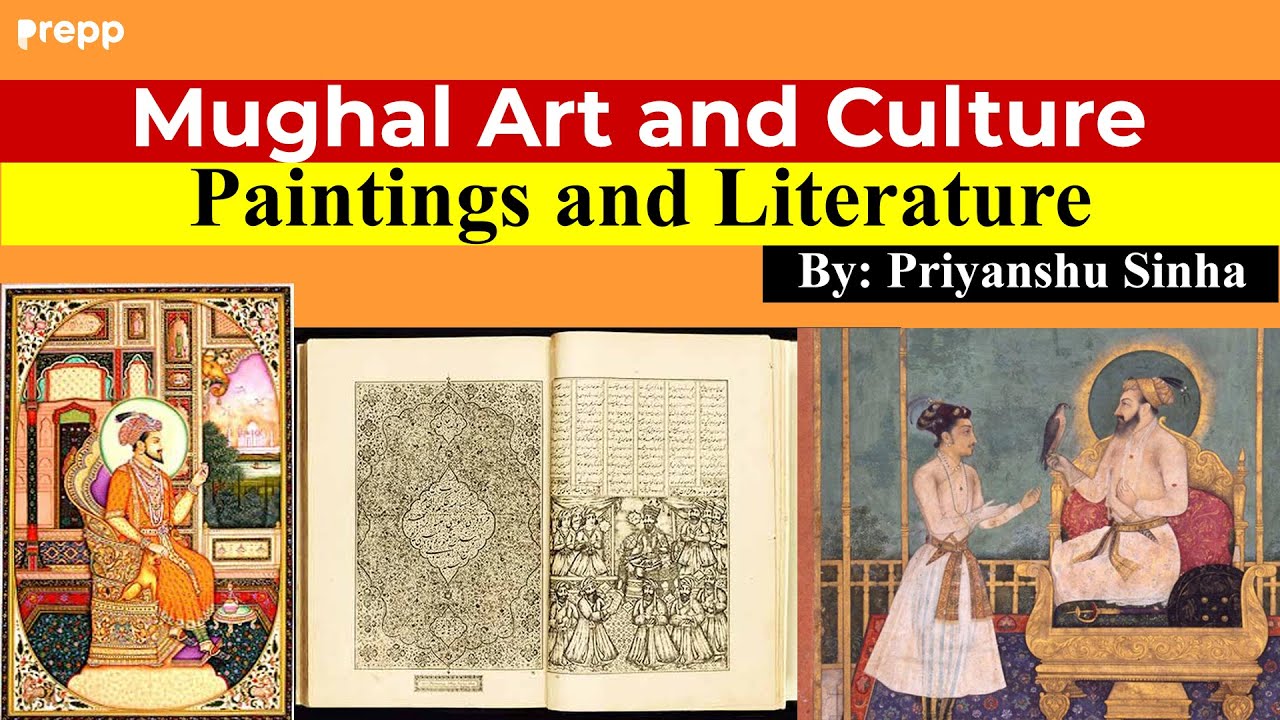
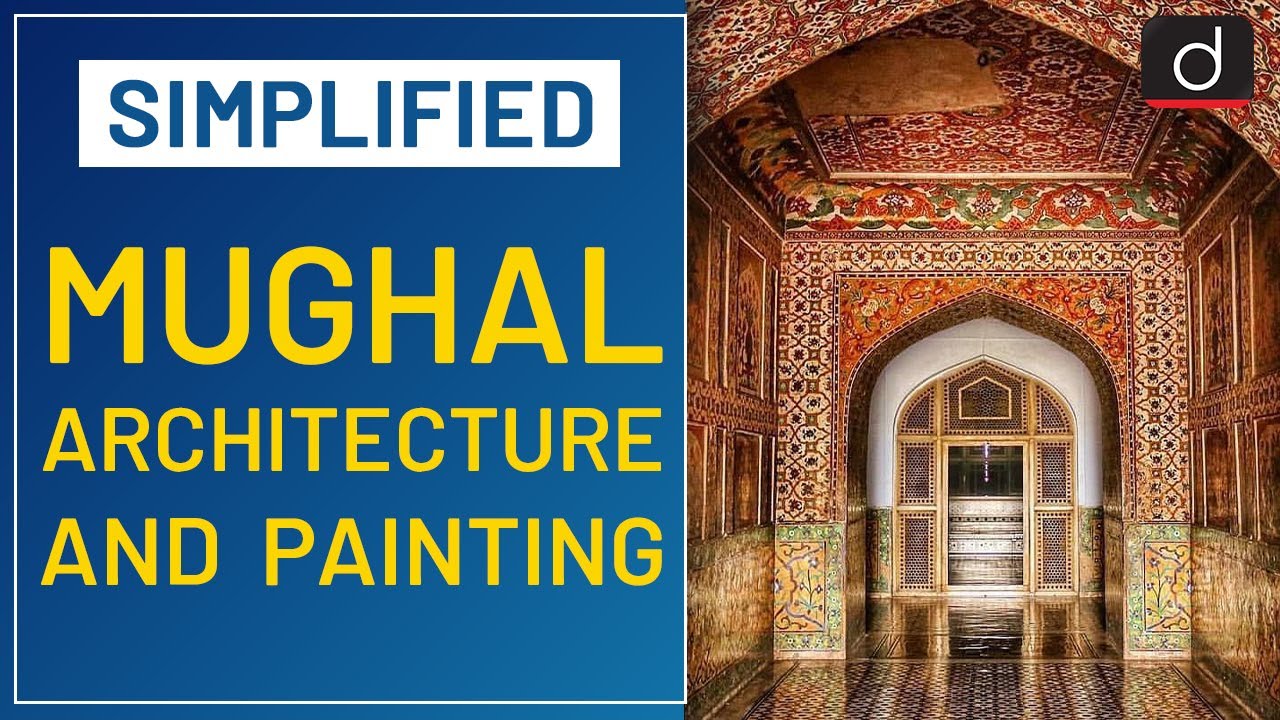
The Mughal art and painting tradition stands as one of the most distinctive cultural contributions of the Mughal Empire. Starting during the reign of Akbar and reaching its highest peak under Jahangir and Shah Jahan, this art form combined rich Persian influences with local Indian traditions. For students learning history and art, studying Mughal paintings shows their top-tier artistic achievements in portraits and realistic scenes, as well as their historical significance in shaping India's shared visual style and artistic heritage over .
🎯 In this chapter, you will understand:
- How Akbar built the royal painting workshop and blended Persian and Indian styles.
- The focus on realism, nature, and detailed portraits under Jahangir.
- The shift toward royal court grandeur under Shah Jahan.
- How artists moved to regional areas under Aurangzeb, creating Rajput and Pahari styles.
💡 Why this topic matters: It explains how different artistic techniques came together to create a lasting Indian miniature painting style.
🧠 Core Idea: Mughal painting blended Iranian line work with vibrant Indian colors, evolving from dynamic stories into refined, detailed portraits.
🎨 Mughal Art and Painting Tradition: Historical Development and Distinctive Artistic Styles (16th to 18th Century)
The Mughals created a long-lasting tradition of miniature painting through royal support, introducing new subjects, rich colors, and detailed designs to India's artistic landscape.
This movement created a fresh style by combining different art streams. It drew ideas from India's ancient painting heritage, including wall paintings like those in the Ajanta caves, ensuring its influence continued long after the main empire grew weak.
- (i) The introduction of captivating and detailed new topics, such as daily scenes from court life, active battle scenes, life stories in books like the Akbarnama, and true-to-life hunting depictions.
- (ii) The early use of bright colors alongside careful artistic forms, raising miniature art to high levels of detail and realism.
- (iii) The mixing of existing India's indigenous painting traditions, especially their bold colors and story methods, with the technical skill brought by Mughal masters.
🏛️ Akbar’s Era: Establishing the Foundations of the Mughal Painting School and Royal Atelier
During the rule of Emperor Akbar (), art received new energy through a large, well-organized royal painting workshop called a Karkhana, which became the main hub for the Mughal style.

The Royal Painting Workshop under Akbar: A Synthesis of Artistic Talent
Emperor Akbar set up the imperial workshop to build a shared Mughal identity through visual art, bringing artists together to craft a distinct Indo-Persian style.
- (i) The studio was first led by two master artists, Mir Sayyid Ali and Abdus Samad from Iran, who brought basic Persian drawing methods.
- (ii) Many Hindu and Muslim artists worked side-by-side in this studio, showing clear cultural syncretism.
- (iii) The resulting pictures displayed a clear blend of Persian traditions (neat lines and patterns) and Indian traditions (lifelike figures, bright colors, and clear emotion).
Famous Artists in Akbar’s Court: The Pioneers Daswant and Basawan
Indian painters in Akbar's court learned the new style quickly, creating early major works like the Hamzanama.
- (a) Daswant brought great energy to early action scenes and dramatic stories.
- (b) Basawan was famous for individual portraits, lifelike figures, and clever background depth.
- (c) The works by these masters built a lasting artistic foundation focused on natural details that guided the whole school.
👑 Jahangir and Shah Jahan: The Zenith of Mughal Artistry and Refinement
Mughal art reached its peak of technical detail under Emperor Jahangir and moved into grand court style under Emperor Shah Jahan, forming the golden age of this tradition.
Jahangir’s Artistic Achievements: Focus on Realism and Naturalism
Jahangir () closely guided his painters toward fine details, real shapes, and personal style, creating the zenith of Mughal miniature art.
- (i) Portrait painting gained deep expression, capturing small face details set inside decorative borders.
- (ii) Studies of animals, birds, and nature became major subjects, with artists drawing accurate views of wildlife.
- (iii) Jahangir noted that he could tell which artist painted each face or hand in a picture, proving his close attention to quality.
Shah Jahan and Continuity of Standards: Grandeur and Elegance
Paintings during the time of Shah Jahan () kept high technical skill while adding focus to royal power, formal scenes, gold leaf, and rich jewel tones.
- (a) The period kept the high artistic standards set by Jahangir, focusing on neat, formal views of the royal court.
- (b) Shah Jahan supported both book art and large buildings like the Taj Mahal, showing broad cultural patronage.
- (c) His support gave Mughal art a polished finish that carried the royal style forward cleanly.
🌿 Later Developments: Dispersal of Artists and the Rise of Regional Styles
Under Emperor Aurangzeb (), royal money for court painting dropped due to different personal goals. This caused painters to move, starting new regional styles across India.
Decline under Aurangzeb and the Dispersal of Artists
While Aurangzeb did not shut down the art studio completely, his reduced interest cut back royal picture production.
- (i) Aurangzeb's lower spending meant court painters had fewer large tasks than before.
- (ii) Looking for new work, skilled painters moved away from Delhi and Agra to local courts in Rajput rulers in Rajasthan and the Punjab hills.
- (iii) This movement helped new art studios grow far outside the main imperial cities.
The Rise and Development of Regional Schools of Painting
The move of these court artists brought Mughal skill into contact with local tastes, creating distinct regional schools.
- (a) The Rajasthan (Rajput) school grew by mixing Mughal portrait skills with regional stories, poetry, and songs like the Ragamala series.
- (b) The delicate Pahari paintings grew in the hill states of the Punjab region, using soft lines and bright colors for devotional topics.
- (c) This spread of Mughal training helped shape local regional styles across India for years to come.
The Brief Revival in the 18th Century and Lasting Legacy
The core painting methods stayed strong through changing times, seeing a short boost before colonial times arrived.
- Successors of Aurangzeb: Later rulers like Muhammad Shah 'Rangeela' funded a brief revival of court scenes and portraits during the .
- Continuation of the Tradition: The main painting style lived on even as central power grew smaller.
- Profound Legacy: The methods, color choices, and subjects of Mughal art influenced later Indian art and remain a core part of the country's artistic history.
⚡ Quick Revision Capsule: Mughal Emperors and Painting Style Evolutions
A quick comparison of key rulers and their main contributions to Mughal painting:
| Mughal Ruler | Key Focus & Style Features | Notable Artists or Works |
|---|---|---|
| Akbar () | Set up the royal studio (Karkhana); mixed Persian line work with Indian color; storytelling focus. | Mir Sayyid Ali, Abdus Samad, Daswant, Basawan; Hamzanama, Akbarnama. |
| Jahangir () | Realism, detailed human portraits, close observation of birds, animals, and nature (naturalism). | Ustad Mansur, Abul Hasan, Bishandas; royal portrait albums. |
| Shah Jahan () | Royal court grandeur, gold detailing, formal posture, decorative floral borders. | Padshahnama; formal imperial court scenes. |
| Aurangzeb () | Reduced royal patronage; painters moved to regional centers. | Spread of art methods to Rajput and Pahari regions. |
| Muhammad Shah () | Short revival of courtly life scenes, music, and garden views. | Late Mughal court portraiture. |
📝 Summary
The study of Mughal paintings from foundations under Akbar to the natural details under Jahangir and grand scenes under Shah Jahan demonstrates a major cultural blend. By mixing Persian miniature techniques with Indian traditions, artists reached high levels of quality. Even when court funds dropped under Aurangzeb, moving artists carried these methods to local courts, giving rise to Rajput and Pahari styles. For students, Mughal art shows how shared cultural influences helped shape India's national art heritage.
🚀 Quick Revision Points
Essential facts to review before examinations:
- (i) Akbar built the royal studio (Karkhana) bringing Persian and Indian artists together.
- (ii) Jahangir was key to pushing realistic portraits and accurate studies of plants and animals.
- (iii) Shah Jahan added formal balance, rich colors, and gold detailing to court scenes.
- (iv) Artist movement under Aurangzeb helped launch regional styles like Rajput and Pahari miniatures.
- 💡 Exam Tip: Remember that Akbar focused on narrative storytelling (Hamzanama), Jahangir focused on nature and individual portraits, and Shah Jahan focused on grand court scenes with gold tones.
❓ Frequently Asked Questions (FAQ)
Q1: What is a Karkhana in Mughal art history?
A1: A Karkhana was the imperial royal painting workshop set up by Emperor Akbar where painters worked together to build the Indo-Persian style.Q2: Which Mughal emperor focused most on painting nature and animals?
A2: Emperor Jahangir focused heavily on naturalism, asking artists to draw realistic birds, animals, and plants.Q3: How did the decline of Mughal patronage affect regional Indian art?
A3: When court support dropped under Aurangzeb, painters moved to places like Rajasthan and the Punjab hills, helping form regional styles like Rajput and Pahari art.