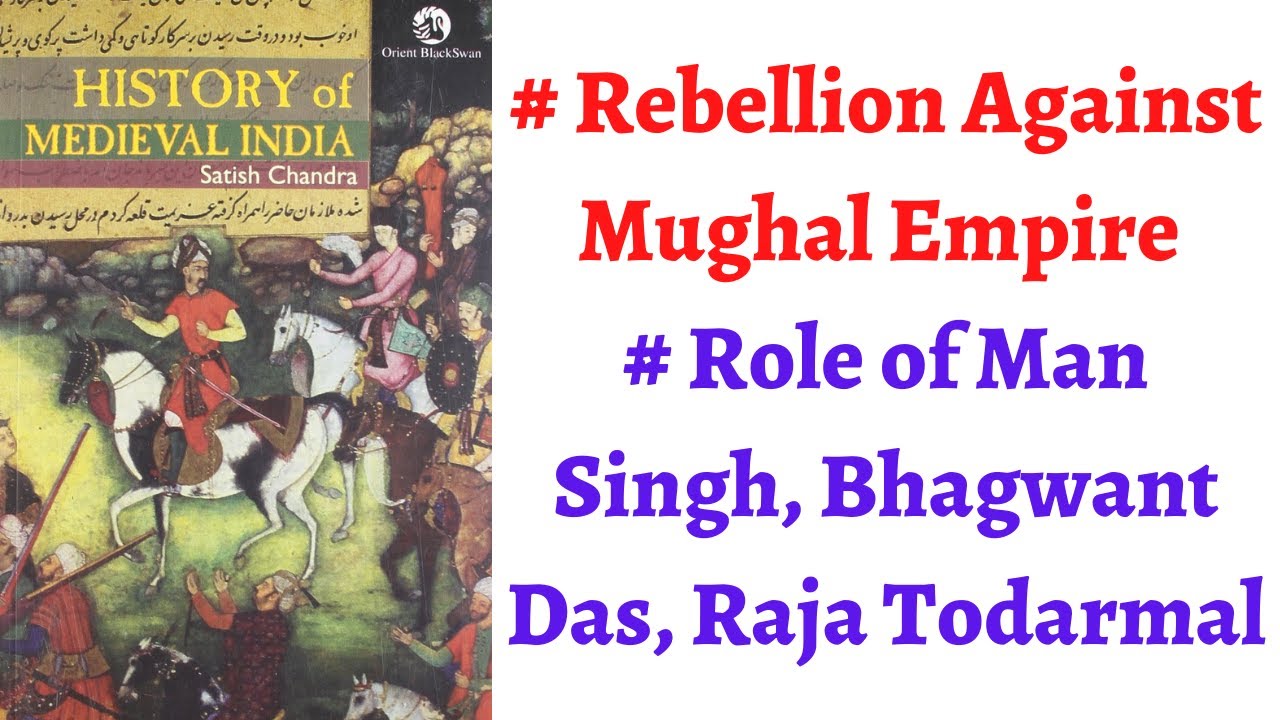
The New System of Administration under Akbar, meticulously introduced during the late , was a watershed moment in Mughal history. This reform aimed at achieving unprecedented control over powerful nobles, ensuring stringent financial accountability through the famed dagh system (branding of horses), and fostering the broader, systematic integration of recently acquired territories. While these centralized measures undeniably strengthened the foundation of Mughal rule, their implementation was met with fierce regional resistance, most notably culminating in significant uprisings in Bengal, Bihar, Gujarat, and the ongoing defiance in Rajasthan. Understanding these crucial administrative challenges and the resulting military campaigns is vital for students preparing for history and competitive exams.
🎯 In this chapter, you will understand:
- How Akbar built a strong central government and managed the powerful nobility.
- The main reasons behind major rebellions in Bengal, Bihar, and Gujarat.
- How military efficiency and financial audits helped suppress regional revolts.
- The strategic expansion into the Northwest, Eastern India, and the Deccan.
💡 Why this topic matters: It highlights how central governance was established in medieval India and demonstrates the continuous balance between imperial control and regional autonomy.
🧠 Core Idea: Akbar's administrative reforms transformed local systems into a uniform imperial structure, surviving major internal revolts and enabling broad territorial expansion.
Akbar’s Administrative Reforms and Initial Challenges
Emperor Akbar prioritized central control and accountability across the empire. These reforms brought stability but also created friction among traditional local power holders.
Akbar’s far-reaching administrative reforms were designed to consolidate the centralized Mughal power structure, but this very consolidation inadvertently triggered multiple, widespread regional rebellions rooted in stricter imperial control and comprehensive revenue measures.
The Emperor Akbar, driven by a vision of a unified empire, prioritized accountability, severely limiting the near-autonomous independence of the powerful nobility (the Mansabdars), and placing a significant focus on the welfare and stable revenue collection from the common people. However, key regions such as the fertile plains of Gujarat, the volatile provinces of Bengal and Bihar, and the rugged terrains of Rajasthan, where Rana Pratap continued his heroic defiance, actively resisted these fundamental shifts in governance.
- (i) Significant rebellions immediately erupted across vital provinces, including Gujarat, Bengal, Bihar, and the strategic location of Jaunpur, challenging the Emperor's authority.
- (ii) The harsh, uncompromising enforcement of the dagh system (horse-branding for military verification) and the introduction of strict, detailed income audits (Masahat) directly caused widespread political and financial unrest among both the influential nobles and the entrenched local elites.
- (iii) The liberal and inclusive religious policies (later codified as Din-i-Ilahi) championed by Akbar, along with the systematic restoration and reassessment of land revenues, faced stiff opposition from various orthodox religious figures who resented the shift from conservative Islamic rule.
The Great Eastern Uprising: Rebellion in Bengal and Bihar ()
The eastern provinces of Bengal and Bihar presented the most formidable and existential test to the newly implemented Akbar’s administration, where local rebels strategically allied with Akbar's half-brother, Mirza Hakim, and dared to issue a religious edict (fatwa) against the ruling Emperor himself.

Root Causes and Instigation of the Bengal and Bihar Rebellion
The core of the unrest lay in the Emperor’s policy of imposing stringent control measures and the existing resentment of displaced local power structures, combining administrative and religious grievances.
- (i) The single most potent trigger was the sudden and harsh enforcement of the dagh system and the re-evaluation of Jagirs, which directly threatened the wealth and military status of the regional Mansabdars.
- (ii) Profound discontent persisted among the various Afghans who, having been defeated by the Mughals, still maintained a significant power base and regional influence in the eastern territories.
- (iii) The rising tension was exacerbated by orthodox religious leaders who actively resisted Akbar’s liberal, syncretic policies and the resulting reduction in their traditional influence and land grants.
Imperial Response and Suppression of the Rebellion
Akbar mobilized his most capable and loyal officers, combining fiscal genius with military might to decisively crush the formidable eastern challenge and restore imperial authority.
- (a) The brilliant finance minister, Raja Todar Mal, was instrumental in a successful campaign, ultimately regaining effective imperial control over the crucial provinces of Bengal and Bihar through military and financial maneuvers.
- (b) Simultaneously, Raja Man Singh, another key general, delivered a crushing defeat to Mirza Hakim in the northwest near Lahore, thus eliminating the primary external threat to the throne.
- (c) The Emperor Akbar himself demonstrated resolve by marching with a massive force of 50,000 troops towards the volatile frontier, forcing Mirza Hakim to make a final retreat. Following his death in , Akbar strategically handed the governance of Kabul to his sister, reaffirming his command over the entire North-West Frontier.
Immediate Results and Long-Term Significance
The successful quashing of the uprising was a powerful validation of the new imperial system and marked a turning point in the consolidation of Mughal governance.
- Rebel defeat: The decisive defeat of the eastern rebels and Mirza Hakim unequivocally reasserted the central Mughal authority across the vast and historically difficult eastern territories.
- System strength: The episode served as a powerful testament, proving the resilience and effectiveness of Akbar's centralized administrative reforms even under immense military and political stress.
- Future expansion: The stabilization achieved in the east enabled Akbar to strategically pivot his focus, allowing him to pursue deeper territorial consolidation and strategic military expansion in other critical regions.
Strategic Expansion of the Mughal Empire (Focus on Northwest and Deccan Consolidation)
Immediately following the resolute suppression of internal rebellions, the Emperor Akbar systematically turned his formidable attention to the sensitive northwest borderlands and the rich territories of the Deccan, successfully extending Mughal sovereignty and securing invaluable strategic trade routes across the subcontinent.
Northwest Expansion and Frontier Security
Securing the volatile Northwest Frontier was critical for both defense against external invasions and controlling the key arteries of Central Asian trade.
- (i) A series of calculated campaigns were launched, leading to the annexation of Kashmir (in ), followed by the crucial territories of Baluchistan and the strategic mountain passes of the Khyber Pass.
- (ii) The strategically vital annexation of Sindh (in ) was a major victory that significantly boosted maritime trade and commerce along the entire course of the Indus river.
- (iii) The strategic city of Lahore was momentarily transformed into Akbar’s primary imperial base and operational headquarters from until , reflecting the intensive focus on the northwest.
Eastern and Western Integration through Key Conquests
While the focus shifted, continued efforts were made to integrate peripheral regions into the unified Mughal structure.
Territorial additions in Kathiawar, Orissa, and Bengal under Akbar's reign. - (a) The easternmost state of Orissa was conquered and brought under the imperial fold by the forces led by the efficient general Raja Man Singh.
- (b) Further successes included the integration of territories like Cooch-Bihar and the remaining portions of eastern Bengal, solidifying the eastern boundary.
- (c) On the western coast, the entire region of Kathiawar (in Gujarat) was successfully annexed into the empire by the able general Mirza Aziz Koka.
Deccan Expansion and Contact with the Marathas
The campaigns into the Deccan marked the beginning of Mughal involvement in the peninsular politics, which would shape the Empire's future.
- Initial campaigns: The first systematic incursions were competently led by Prince Murad, one of Akbar's sons, and the seasoned veteran general Khan-i-Khanan Munim Khan.
- Ahmadnagar conquest (1600): The key capture of the fortress of Ahmadnagar in the year was a pivotal moment, as it directly brought the expansive Mughals into initial, cautious contact with the emerging regional power of the Marathas.
- Integration: The comprehensive unification of Northern India provided the stable and powerful base necessary for the Mughals to initiate a deeper and more sustained Deccan penetration in the decades that followed.
⚡ Quick Revision Capsule: Akbar's Administration & Campaigns
A structured quick review of key administrative tools, major rebellions, and territorial expansions during Akbar's reign.
| Administrative / Campaign Phase | Key Elements & Locations | Imperial Outcome & Impact |
|---|---|---|
| Administrative Reforms | Enforcement of dagh system, Masahat audits, Mansabdari tracking | Strengthened central control and reduced independent noble power. |
| Eastern Uprising () | Rebellions in Bengal and Bihar linked with Mirza Hakim | Crushed by Raja Todar Mal and Raja Man Singh; solidified authority. |
| Northwest Expansion | Annexation of Kashmir (), Sindh (), and Baluchistan | Secured trade routes and made Lahore the main operational capital (). |
| Eastern & Western Integration | Inclusion of Orissa, Cooch-Bihar, and Kathiawar | Integrated distant coastal zones into imperial economic networks. |
| Deccan Campaigns | Capture of Ahmadnagar fort in | Opened direct contact with the emerging Marathas. |
📝 Summary
The innovative and strict new administrative system of Akbar, though initially met with fierce and concerted resistance in through major rebellions in the key provinces of Bengal, Bihar, and Gujarat, demonstrated exceptional resilience through firm, strategic suppression. The immediate success of crushing these revolts was swiftly followed by decisive Mughal expansion into the northwest, stable eastern India, and the commencement of campaigns in the Deccan, which collectively solidified imperial power and significantly enhanced the empire’s long-distance trade capabilities. For students of history, these developments critically highlight the importance of comprehensive administrative reforms, the persistent challenges of regional resistance in a large empire, and the long-term process of imperial integration and consolidation within the Mughal Empire during the pivotal .
🚀 Quick Revision Points
Essential facts to review before examinations:
- (i) The dagh system verified horse quality and prevented noble corruption in military maintainence.
- (ii) Raja Todar Mal utilized revenue reforms and military strategy to restore peace in Eastern India.
- (iii) The shift of base to Lahore between and helped secure the Khyber Pass and neighboring regions.
- (iv) The fall of Ahmadnagar fort in marked Akbar's first major breakthrough into the Deccan region.
- 💡 Exam Tip: Questions frequently connect Akbar’s administrative measures like the dagh system with the Eastern Uprising of . Remember that financial audits and noble control were primary causes of noble resistance.
❓ Frequently Asked Questions (FAQ)
Q1: What was the main reason for the nobility's revolt in Bengal and Bihar during Akbar's reign?
A1: The key causes included strict enforcement of the dagh system, re-evaluation of land holdings (Jagirs), income audits, and discontent among displaced Afghan elites.Q2: Who played a key role in suppressing the eastern rebellions?
A2: Raja Todar Mal managed financial and military strategies in Bengal and Bihar, while Raja Man Singh defended against threats near Lahore.Q3: Why was securing the Northwest Frontier important for Akbar?
A3: It protected the empire from foreign invasions, secured lucrative overland trade routes with Central Asia, and stabilized regions like Kashmir, Sindh, and Baluchistan.