The historical evolution of the Sikh Movement and the simultaneous emergence of liberal and orthodox religious trends profoundly influenced the course of Indian history during the medieval India period. Key figures from Guru Nanak, who laid the foundation, to the syncretic efforts of Dara Shikoh, the puritanical reaction of Shaikh Ahmad Sirhindi, and the later state policy under Aurangzeb, reveal a complex tapestry of syncretism, orthodoxy, and cultural integration. This dynamic religious history is essential for students preparing for competitive exams, as it comprehensively explains the religious diversity, conflict, and cultural dynamics of 16th and 17th-century India.
🎯 In this chapter, you will understand:
- The origins, core philosophy, and organizational evolution of the Sikh Movement.
- The key figures behind liberal, syncretic Bhakti and Sufi traditions during the Mughal era.
- The rise of Brahmanical and Islamic orthodox reactions to religious integration.
- How imperial policies shifted from pluralism under Akbar to strict orthodoxy under Aurangzeb.
💡 Why this topic matters: It illuminates how competing spiritual and political visions formed the foundation of India's diverse cultural heritage and religious identity.
🧠 Core Idea: Medieval India witnessed a continuous interplay between inclusive, syncretic spiritual traditions and conservative, puritanical revivalist movements.
The Genesis and Early Consolidation of the Sikh Movement
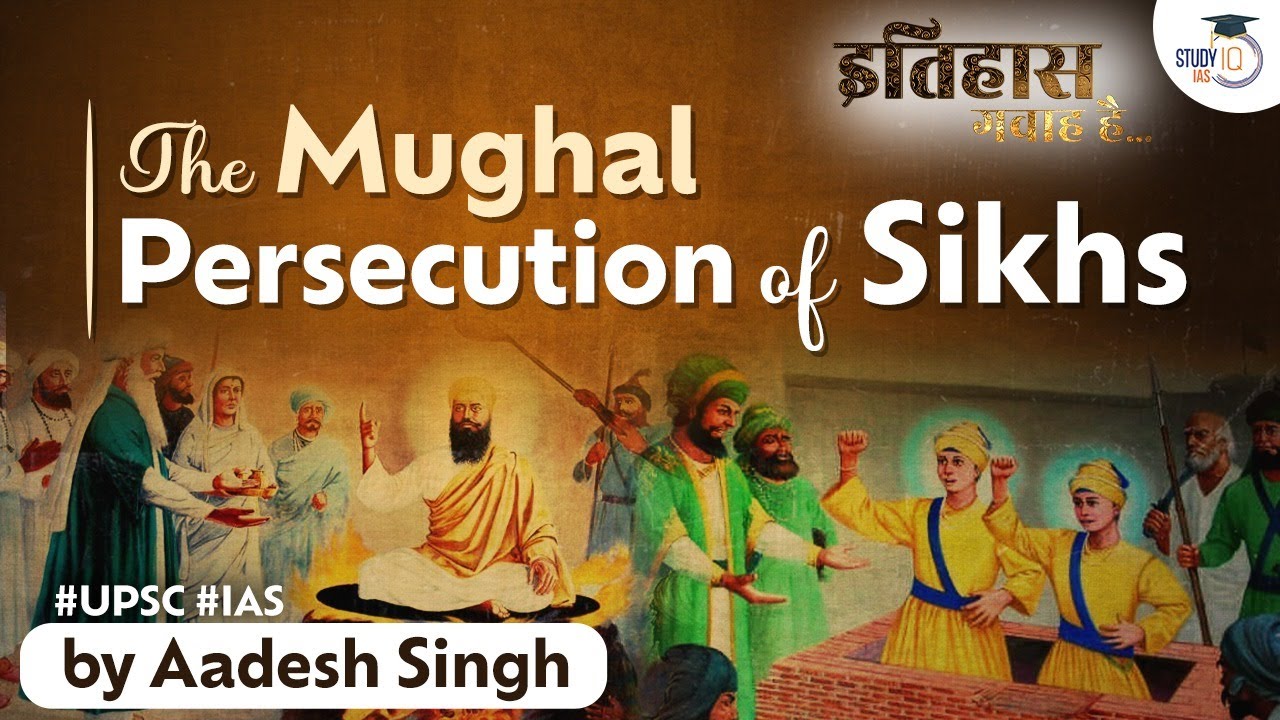
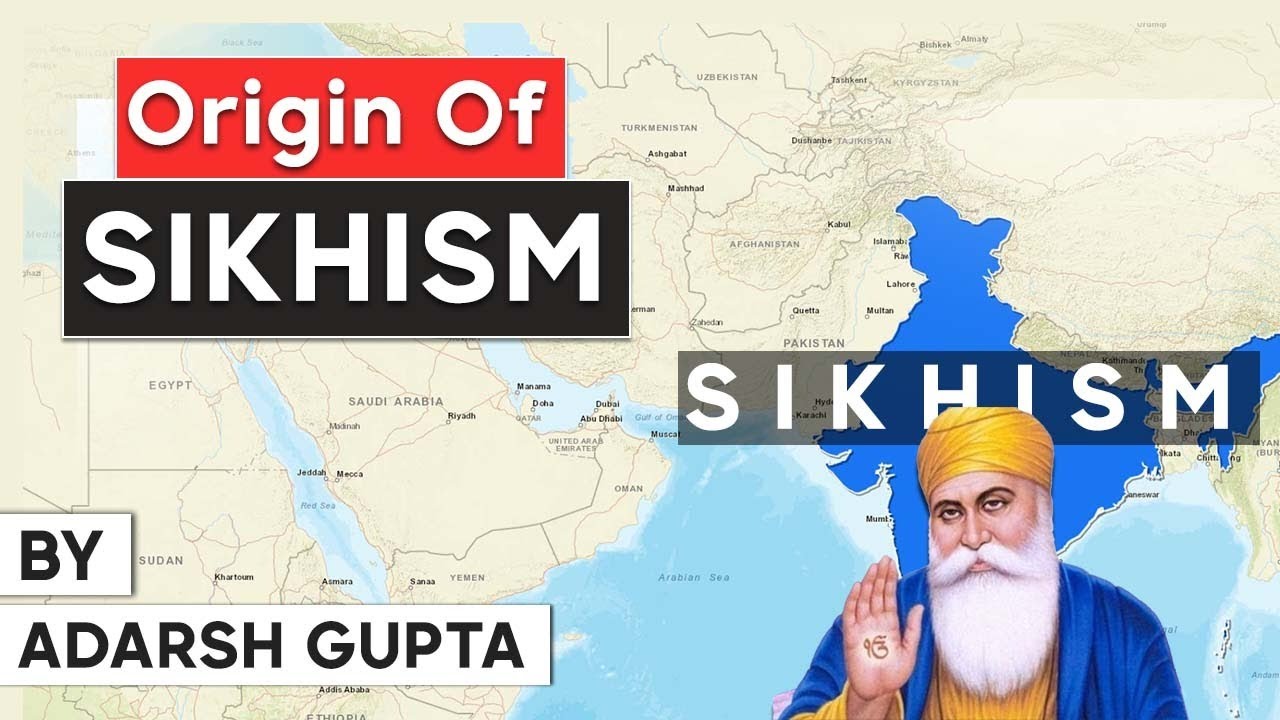
The Sikh Movement was founded on the revolutionary teachings of Guru Nanak, focusing on radical monotheism, the equality of all humankind regardless of caste or creed, and deep commitment to social justice. The spiritual and communal structure of the Sikh community was meticulously strengthened by succeeding Gurus, solidifying its distinct identity.
- (i) The monumental contribution of Guru Arjun was the compilation of the sacred scripture, the Adi-Granth, established at the holy city of Amritsar, which codified core Sikh doctrine and practices.
- (ii) The early years saw a remarkably cordial relationship with the liberal Mughal emperor, Akbar, a situation that drastically shifted into a period of political tension under Jahangir due to complex political dynamics.
- (iii) While the community faced rising conflicts, particularly under the reign of Shah Jahan, characterized by skirmishes over succession and local disputes, it is noteworthy that there was no large-scale, systematic state persecution during this time.
Inclusive Spiritual Paths: Liberal Religious Trends in Medieval India
A significant parallel force during this era was the rise of leaders who actively promoted inclusive, liberal traditions, consciously seeking to blend the philosophies and devotional practices of Hinduism and Islam through popular vehicles of Bhakti and Sufi traditions.

Dara Shikoh: The Princely Champion of Cultural Syncretism
The eldest son of Shah Jahan, Dara Shikoh, was a renowned intellectual and an ardent patron of religious unity, embodying the pinnacle of liberal religious thought within the Mughal aristocracy.
- (i) He undertook the profound task of translating key Hindu scriptures, including the Gita and the Upanishads (under the title Sirr-i-Akbar), into the court language of Persian, making these profound texts accessible to a wider scholarly audience.
- (ii) His philosophical explorations, documented in works like the Majma-ul-Bahrain (The Mingling of Two Oceans), meticulously sought out and highlighted fundamental similarities between non-dualistic Vedantic philosophy and the mystical teachings of Sufism.
- (iii) His life's work and advocacy were dedicated to the vital reconciliation of core spiritual truths found in Hinduism and Islam, aiming for a unified spiritual understanding across the subcontinent.
Key Bhakti Leaders and the Spread of Inclusive Devotional Paths
Beyond the imperial court, numerous regional Bhakti leaders continued to cultivate a personal, non-sectarian form of devotion that resonated deeply with the masses, transcending institutional religious barriers.
- (a) Dadu Dayal of Rajasthan, founder of the Dadu Panth, passionately spread a message of non-sectarian devotion (Nipakh path) and communal harmony, focusing on the formless nature of the divine.
- (b) Tukaram, the powerful Marathi poet-saint of Maharashtra, emphasized the paramount importance of an individual's personal experience of the divine (Vithoba), prioritizing devotion over ritualistic observance.
- (c) Samarth Ram Das, another prominent saint of Maharashtra, utilized his Bhakti-inspired teachings, including the treatise Dasbodh, to actively support the nationalist and political efforts of Shivaji Maharaj, merging spiritual strength with temporal action.
Orthodox Reactions: The Impulse for Religious Revivalism and Purity
In striking opposition to syncretism and liberalism, a parallel trend emerged where orthodox leaders actively sought to reinforce and purify traditional religious authority within both Brahmanical and Islamic spheres, often resisting integration.
The Reassertion of Brahmanical Privileges and Social Distinction
In various parts of India, scholars worked rigorously to re-establish the strict social and religious framework of traditional Brahmanical Hinduism, pushing back against the levelling influence of the Bhakti Movement.
- (i) A key figure in this reassertion was Raghunandan of Bengal, whose influential legal texts strongly promoted the preservation of caste distinctions and elaborate ritual practices as prescribed by Hindu law.
- (ii) These efforts specifically aimed to reinforce traditional social and religious dominance of Brahmins in communal life, particularly in matters of rituals, learning, and social hierarchy.
- (iii) They fiercely advocated for the maintenance of orthodox privileges and the enforcement of social and religious restrictions, challenging the inclusive ethos of the time.
Puritanical Revivalism of Shaikh Ahmad Sirhindi
Within the Islamic scholarly community, Shaikh Ahmad Sirhindi emerged as the most vocal proponent of a puritanical interpretation, earning the title Mujaddid-i-Alf-i-Sani (Reviver of the Second Millennium).
Theological debates between mystical Sufis and orthodox revivalists shaped religious policy. - (a) He adamantly opposed the concept of syncretism (Wahdat-ul-Wujud or Unity of Being) popular in Sufism and the religious policy of Akbar, advocating instead for Wahdat-ush-Shuhud (Unity of Appearance) and strict Islamic adherence.
- (b) His influential letters and teachings explicitly advocated for a strict separation of Muslims and non-Muslims, viewing any blending of religious traditions as a corruption of pure Islam.
- (c) His movement strongly worked to reinforce and insist upon orthodox Islamic practices (Sharia) and theological purity, profoundly influencing subsequent Mughal rulers like Aurangzeb.
State Policy: Cycles of Cultural Integration and Religious Conflict
State policy throughout medieval India became a battleground, constantly oscillating between embracing inclusive syncretism (integration) and enforcing strict orthodoxy (separation), dramatically shaping society and the political landscape.
From Pluralism to Orthodoxy: The Shift in Imperial Religious Policy
The political philosophy of the Mughal Empire saw a distinct and critical shift from an earlier inclusive approach to a later, more restrictive stance, with immense consequences for communal relations.
- (i) Earlier powerful rulers, most notably Akbar, strategically encouraged policies of pluralism and intellectual dialogue, such as the Din-i-Ilahi and the Ibadat Khana, to foster political stability and cultural integration.
- (ii) This liberal legacy was dramatically reversed by Emperor Aurangzeb, who actively sought to enforce strict state orthodoxy, highlighted by the re-imposition of the non-Muslim poll tax, the jizyah, in .
- (iii) This fundamental policy shift, moving away from integration towards enforcement, significantly deepened religious divides and conflicts throughout the Indian subcontinent, contributing to the instability of the empire.
Historical Significance of the Sikh Movement and Religious Trends
The rise of the Sikh Movement, alongside the dynamic interplay between liberal Bhakti-Sufi currents and powerful orthodox reactions, collectively defined the volatile religious landscape of medieval India. The evolution of thought and state action, spanning from spiritual beginnings under Guru Nanak to political decisions of Aurangzeb, reveals the intricate processes that shaped cultural integration, religious conflict, and evolving identities that characterize modern India. For students of history, this era provides crucial, exam-relevant themes necessary to fully comprehend history, religion, and socio-political change that marked one of the most transformative periods in the subcontinent.
⚡ Quick Revision Capsule: Religious Movements in Medieval India
A structured overview comparing key religious trends, leaders, core beliefs, and historical impact during the 16th and 17th centuries:
| Movement / Trend | Key Figures | Core Philosophy / Text |
|---|---|---|
| Sikh Movement | Guru Nanak, Guru Arjun | Monotheism, social equality, compilation of the Adi-Granth |
| Mughal Syncretism | Dara Shikoh, Akbar | Unity of spiritual truths; translated texts in Sirr-i-Akbar and Majma-ul-Bahrain |
| Popular Bhakti | Dadu Dayal, Tukaram, Samarth Ram Das | Non-sectarian devotion (Nipakh path), personal experience, Dasbodh |
| Brahmanical Orthodoxy | Raghunandan of Bengal | Reassertion of caste rules, ritual purity, Brahmin social dominance |
| Islamic Revivalism | Shaikh Ahmad Sirhindi | Puritanical revivalism, Wahdat-ush-Shuhud, strict adherence to Sharia |
📝 Summary
During the 16th and 17th centuries, medieval India underwent major religious transformations marked by the growth of the Sikh tradition, inclusive Bhakti-Sufi movements, and conservative orthodox reactions. Imperial policy shifted over time from Akbar's pluralism to Aurangzeb's orthodox governance, culminating in the re-imposition of the jizyah in . These dynamics deeply influenced the cultural and political structure of India.
🚀 Quick Revision Points
Essential facts to review before examinations:
- (i) Guru Nanak founded Sikhism on monotheism and social equality; Guru Arjun compiled the Adi-Granth.
- (ii) Dara Shikoh championed syncretism by translating Hindu scriptures into Persian in Sirr-i-Akbar.
- (iii) Shaikh Ahmad Sirhindi led Islamic revivalism through Wahdat-ush-Shuhud against Akbar's syncretic policies.
- (iv) Mughal imperial policy pivoted sharply when Aurangzeb reintroduced jizyah in .
- 💡 Exam Tip: Focus on comparing the philosophical differences between Wahdat-ul-Wujud (supported by Sufis/Dara Shikoh) and Wahdat-ush-Shuhud (advocated by Sirhindi), as this is a frequent question in history examinations.
❓ Frequently Asked Questions (FAQ)
Q1: What was the primary contribution of Guru Arjun to the Sikh Movement?
A1: Guru Arjun compiled the sacred scripture, the Adi-Granth, at Amritsar, establishing a permanent theological and spiritual core for the Sikh community.Q2: How did Dara Shikoh attempt to bridge Hinduism and Islam?
A2: Dara Shikoh translated key Hindu scriptures like the Upanishads into Persian and wrote Majma-ul-Bahrain to highlight similarities between Vedantic philosophy and Sufism.Q3: What was Shaikh Ahmad Sirhindi's stance on syncretism?
A3: Shaikh Ahmad Sirhindi strongly opposed syncretism, advocating for Wahdat-ush-Shuhud and strict enforcement of orthodox Sharia rules.