During the difficult rule of Emperor Aurangzeb in the second half of the , the large Mughal Empire faced major political trouble and local revolts. Strong resistance came from powerful groups like the Marathas, the farming Jats, the traditional Rajputs, the frontier Afghans, and the determined Sikhs. Studying these revolts—especially the long Jat rebellion and the Sikh defense movement—helps students of Indian history understand how imperial power slowly broke down and led to regional self-rule.
🎯 In this chapter, you will understand:
- The main political challenges faced by Emperor Aurangzeb during the .
- The unique motives behind regional uprisings by the Rajputs, Marathas, Jats, Afghans, and Sikhs.
- How economic burdens, social grievances, and religious policies fueled widespread rebellions.
- How agrarian and religious uprisings transformed into independent successor states in the .
💡 Why this topic matters: It explains how widespread local revolts chipped away at the powerful Mughal central government, paving the way for regional kingdoms in India.
🧠 Core Idea: Heavy taxes, religious tension, and regional political goals turned local grievances into powerful freedom movements across northern and central India.
📌 Political Problems under Aurangzeb: Major Challenges to Mughal Imperial Authority During the 17th Century
The powerful Mughal Empire under Aurangzeb was constantly tested by political and social movements across its vast lands. These persistent revolts were driven by a mix of economic, political, and religious complaints—some passed down from earlier rulers and others made worse by Aurangzeb's own policies.
The largest challenges came from three key geographic zones:
- (i) The most dangerous resistance came from the Marathas, who step-by-step weakened imperial control from the heart of the Deccan region.
- (ii) Regular revolts broke out among the Jats and the former imperial allies, the Rajputs, across the fertile northern plains of India.
- (iii) The northwest frontier saw tribal and religious opposition from independent Afghans and the rising military force of the Sikhs.
📌 Nature of the Independence Movements: Diverse Motivations and Goals of Regional Autonomy
Every major regional movement grew out of its own specific local causes and had distinct goals, reflecting the vast diversity of the empire.

Characteristics of Different Regional Resistance Movements
A closer look shows the main goals and features of each group challenging the state during the :
- (i) Rajput Movement: Triggered mainly by broken political alliances, focusing on keeping their ancient royal status and solving succession disputes in their states.
- (ii) Maratha Movement: Led by leaders like Shivaji, this struggle aimed directly at gaining full regional freedom and building a strong Maratha kingdom in the Deccan.
- (iii) Jat Movement: Started as a peasant farming conflict driven by high taxes and unfair local officials, but later grew into a fight for political power.
- (iv) Afghan Movement: Tribal resistance in the northwest border regions, driven by a strong desire to stay self-governing and free from central control.
- (v) Sikh Movement: Deeply rooted in religious principles, this group transformed from a peaceful spiritual community into a strong political and military force against government oppression.
- (vi) Successor States: In the , the Jat and Sikh movements successfully established independent states, marking a clear fall in Mughal power.
📌 Influences on the Uprisings: The Role of Economic, Social, and Religious Factors
The wide unrest during this era came from several connected problems that created ideal conditions for local rebellions.
Economic, Social, and Religious Causes Contributing to Mughal Instability
The foundation of the empire grew weak as complaints among ordinary people and local elites grew stronger:
- (i) Deep financial strain, heavy tax demands, and corrupt local officers pushed peasant groups like the Jats to take up arms.
- (ii) Religious feelings played an important role in uniting people, most noticeably seen in the growth of the Sikh movement.
- (iii) Most revolts (except the purely tribal Afghan fights) were linked to reaction against Aurangzeb's strict religious policies, which alienated non-Muslim communities.
- (iv) Among a majority Hindu population, opposition to central imperial rules quickly took on strong religious meaning, making it easier to gather mass support.
- (v) Smart local leaders used well-known religious symbols and stories to bring ordinary people together against imperial armies.
📌 Key Revolts and Movements: Examining Regional Resistance to Mughal Authority
Several primary rebellions stand out as clear examples of how regional forces continuously challenged central imperial power.
Jat Rebellion: From Agrarian Unrest to Political Ascension in Agra-Delhi Region
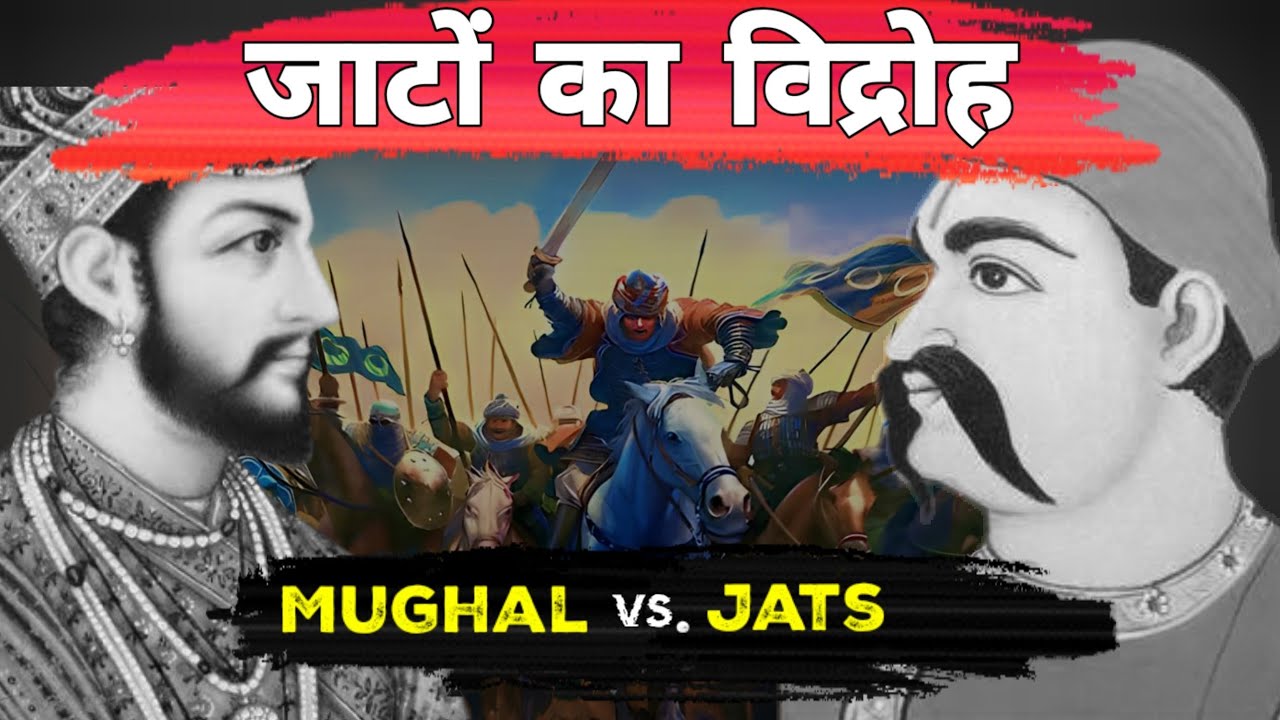
The Jats were farmers living near the important cities of Agra and Delhi who resisted high tax demands and unfair treatment from local officials.
- (i) Early farmer complaints were already present during the rules of emperors Jahangir and Shah Jahan.
- (ii) A major revolt broke out in under a local landowner named Gokla around Mathura. Though initially successful, imperial forces defeated and executed Gokla to temporarily stop the revolt.
- (iii) Fighting started again in under Rajaram and continued until his death in . His successor, Churaman, temporarily yielded to the empire.
- (iv) In the early , Churaman took advantage of imperial weakness to set up an independent Jat state based at Bharatpur.
Satnami Revolt: A Short-Lived Religious and Social Uprising
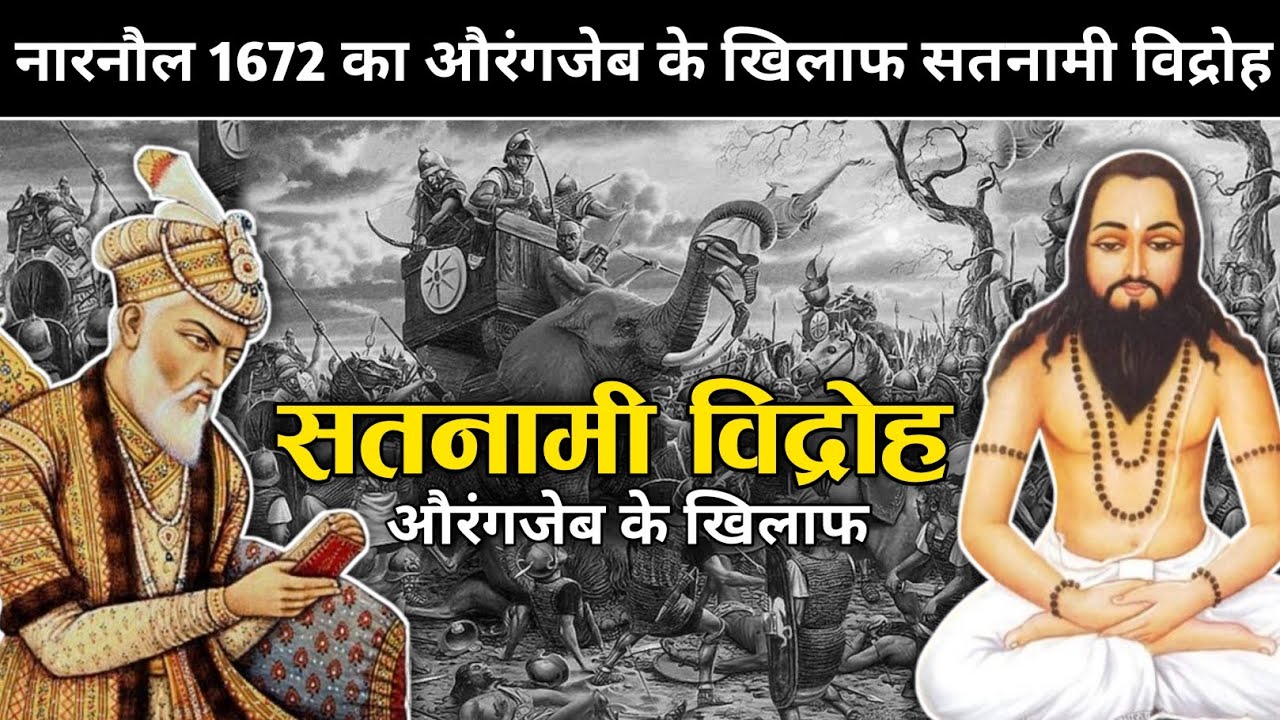
In , a group of lower-caste working people and devotees known as the Satnamis near Narnaul (close to Mathura) staged a brief, intense uprising against local official abuse before imperial troops put it down.
Afghan Resistance: Sustained Tribal Aspirations for Independence in the Northwest
The independent tribal communities in the rugged northwest mountains firmly rejected central control over their homelands.
- (i) This struggle was not new; Emperor Akbar had also faced heavy opposition here, losing his trusted advisor Raja Birbal in a mountain battle.
- (ii) The revolt was driven by a desire to keep local trade routes, political freedom, and tribal culture intact.
- (iii) To protect vital trade routes through the Khyber Pass, Aurangzeb sent General Amir Khan, who used both negotiations and force to manage the tribes.
Sikh Resistance: The Transformation from a Peaceful Sect to a Military Brotherhood
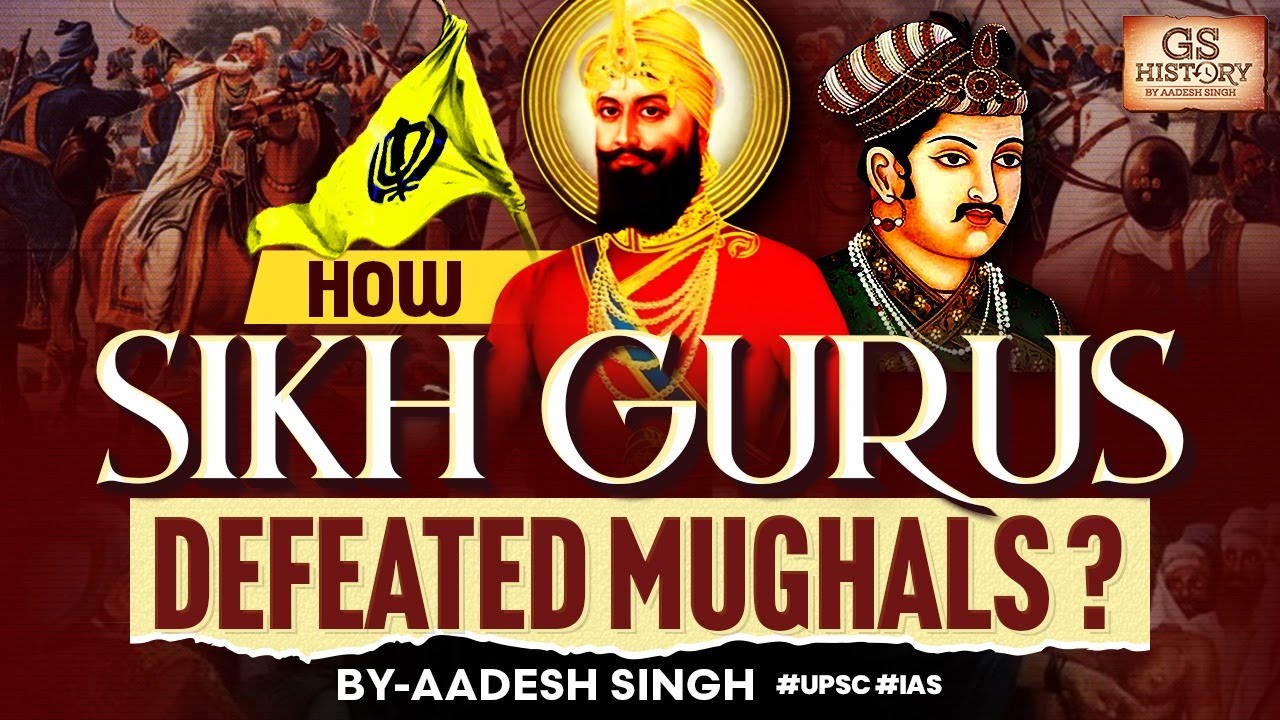
The Sikh movement began as a peaceful spiritual community focused on devotion, but turned toward active military defense in response to official harassment and persecution.
- (i) Towards the end of the , the Sikh Gurus gathered followers and maintained open courts, demonstrating rising local influence.
- (ii) A turning point came in when the ninth leader, Guru Tegh Bahadur, was arrested and executed in Delhi under imperial orders, causing deep pain and anger.
- (iii) Following this event, his son, Guru Gobind Singh, formed the disciplined military brotherhood called the Khalsa to defend the community against imperial power.
Rajput Struggles: The Deteriorating Mughal-Rajput Alliance under Aurangzeb
The historically critical partnership between the Mughals and Rajputs, built up carefully since the time of Akbar, broke down under Aurangzeb.
- (i) Earlier emperors like Jahangir and Shah Jahan kept up warm relations, though Rajput influence began to slip slowly over time.
- (ii) In , Aurangzeb launched a large military campaign against Mewar, but failed to win a clear victory.
- (iii) Rajput forces used effective hit-and-run tactics in the hills, causing heavy financial and human losses for imperial troops.
- (iv) Poor handling of Rajput affairs damaged royal prestige, wasted valuable resources, and left northern regions less stable.
⚡ Quick Revision Capsule: 17th Century Rebellions
A quick comparison of key regional movements that challenged imperial authority under Aurangzeb:
| Movement | Primary Region | Key Leaders / Figures | Main Motive & Outcome |
|---|---|---|---|
| Jats | Agra & Delhi | Gokla, Rajaram, Churaman | Agrarian tax rebellion that led to the independent state of Bharatpur. |
| Satnamis | Narnaul (near Mathura) | Local peasant community leaders | Social and religious protest crushed by imperial forces in . |
| Afghans | Northwest Frontier | Tribal chiefs, managed by Amir Khan | Fierce defense of tribal autonomy along the strategic Khyber Pass. |
| Sikhs | Punjab | Guru Tegh Bahadur, Guru Gobind Singh | Transformed into the militant Khalsa following imperial persecution. |
| Rajputs | Mewar & Marwar | Ranas of Mewar, Rathores of Marwar | Fought to preserve kingdom autonomy using effective hit-and-run tactics. |
📝 Summary
The political troubles faced during the reign of Aurangzeb in the late highlight the internal breakdown of the central state. Continuous conflicts with the Marathas, Jats, Rajputs, Afghans, and Sikhs drained royal funds and military power. Driven by high taxes, unfair treatment, and strict religious policies, these revolts paved the way for the rise of self-governing successor kingdoms in India.
🚀 Quick Revision Points
Essential facts to review before examinations:
- (i) The Jat revolt started over high land taxes and was led by Gokla in , eventually leading to an independent kingdom at Bharatpur under Churaman.
- (ii) The execution of Guru Tegh Bahadur in led Guru Gobind Singh to establish the Khalsa military brotherhood.
- (iii) The Satnami uprising near Narnaul was a brief peasant revolt crushed by imperial troops.
- (iv) The breakdown of the Mughal-Rajput partnership after the Mewar campaign permanently weakened central authority in northern India.
- 💡 Exam Tip: Focus on how peasant complaints (economic factors) combined with religious policies to turn localized protests into long-lasting regional kingdoms.
❓ Frequently Asked Questions (FAQ)
Q1: What caused the initial revolt of the Jats near Agra and Mathura?
A1: High land tax demands and local corruption by revenue officers triggered the initial agrarian protests under Gokla in .Q2: How did the Sikh movement transform under Guru Gobind Singh?
A2: Following the execution of Guru Tegh Bahadur in , Guru Gobind Singh formed the Khalsa, transforming the community into a disciplined military force to defend their rights.Q3: Why was the breakdown of the Rajput alliance damaging to Mughal rule?
A3: The Rajputs were key military allies of the empire. Fictionalizing or destroying this alliance through long campaigns in Mewar wasted vital funds and military resources.