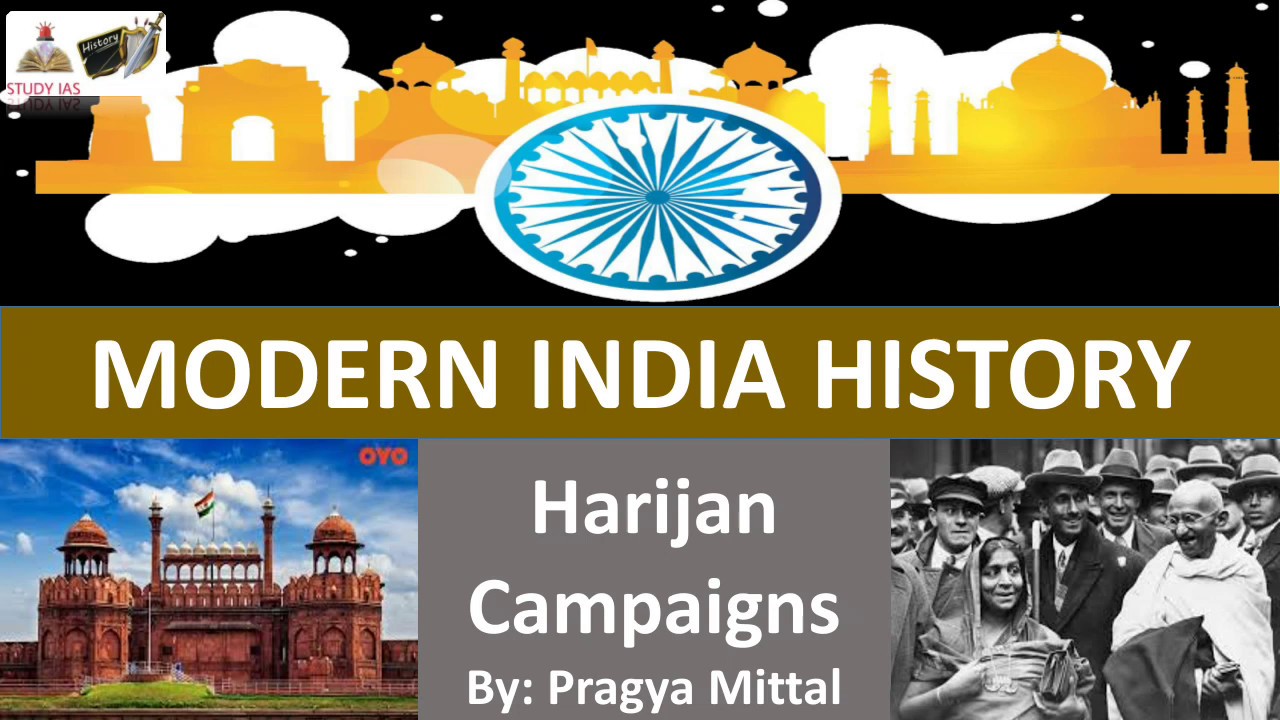
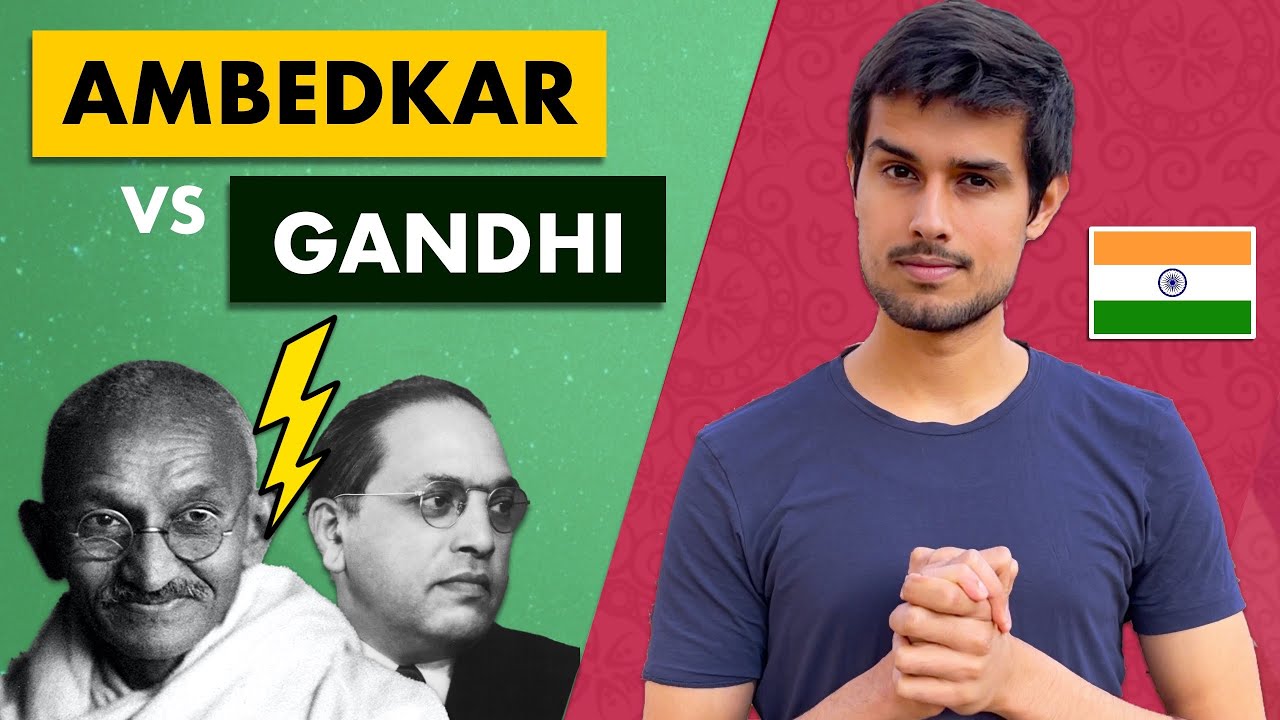
The Mahatma Gandhi’s Harijan Campaign spanning represents a pivotal chapter in the Indian freedom struggle, focusing on the eradication of untouchability. This detailed study explores how Gandhi utilized social reform and human dignity as tools for national unity, making it a crucial topic for students and history exam preparation.
🎯 In this chapter, you will understand:
- The origin and key timeline of the movement from to .
- Gandhi's nationwide mobilization methods, including the publication of Harijan and his tour.
- The social and political opposition faced from conservative groups and the colonial government.
- The philosophical distinction made between traditional social organization and untouchability.
💡 Why this topic matters: It highlights how moral leadership and social reform were built directly into the struggle for national independence.
🧠 Core Idea: True national freedom cannot exist without equal human dignity and the complete removal of social inequality.
The Transformative Journey of Mahatma Gandhi’s Harijan Campaign and Social Reforms (1932–1934)
This movement was a dedicated effort to clean social life and bring back equality across Hindu society.
- A crusade for the purification of Hindu society and the restoration of equality.
Started during a major political transition, this movement aimed to remove ancient prejudices. It grew out of a firm moral belief that the freedom of India would remain incomplete without full equality for the marginalized Harijans.
- (i) The movement formally occupied the timeline from , bridging the gap between major civil disobedience phases.
- (ii) The struggle began behind the bars of Yerwada Jail and gained full momentum after Gandhi’s release in .
- (iii) A structural foundation was laid with the creation of the All India Anti-Untouchability League in .
Strategic Mobilization, Ideological Roots, and the Battle Against Orthodoxy
Gandhi combined self-discipline with direct public action to awaken society while handling strong opposition from colonial rulers and conservative groups.

National Initiatives and the Great Harijan Tour
To ensure his message reached every corner of the subcontinent, Gandhi employed a multi-pronged strategy involving literature, relocation, and physical endurance.
- (i) The launch of the weekly journal Harijan in served as the primary ideological mouthpiece for the cause.
- (ii) Symbolizing a shift toward constructive work, Gandhi moved his operational base to the Satyagraha Ashram located in Wardha.
- (iii)
The Marathon Tour of 1933-1934
Gandhi traveled across the nation to connect directly with people and gather resources for social welfare.
- (a) Between , Gandhi embarked on a massive tour covering approximately .
- (b) This journey was a direct effort to interact with the masses and raise funds for the Harijan Sevak Sangh.
- (iv) Moral pressure was applied through two significant fasts on and , intended to stir the hearts of Caste Hindus.
Confronting the Forces of Reaction and Orthodoxy
The campaign did not go unchallenged; it faced a violent backlash from conservative Sanatanists who viewed Gandhi's reforms as an assault on their religious traditions.
- (i) Reformers were met with black flag demonstrations and orchestrated disruptions at public gatherings.
- (ii) Critics accused the Mahatma of undermining Hinduism and deviating from traditional scriptures.
- (iii)
Legislative and Regional Obstacles
Political and administrative hurdles presented additional difficulties to the movement.
- (a) The British Government played a role by defeating the Temple Entry Bill in .
- (b) In Bengal, orthodox Hindu opinion remained staunchly opposed to the provisions of the Poona Pact.
The Philosophical Core: Reinterpreting Tradition for Dignity
Gandhi’s ideological beliefs focused on the internal reform of the individual and the community, rather than relying solely on external legislation.
- (i) He issued a powerful indictment of Hindu society for the historical oppression of Harijans.
- (ii) A central demand was the universal right to temple entry and the total removal of social disabilities.
- (iii) Gandhi called for a sense of penance among Caste Hindus to atone for ancestral sins against the oppressed.
- (iv)
The Doctrine of Reason and Compassion
Moral conscience and reason were treated as essential guides for reading classical literature.
- (a) Gandhi argued that any scripture must be rejected or reinterpreted if it contradicts human dignity or logic.
- (b) He meticulously distinguished between the traditional caste system and the harmful practice of untouchability.
- (c) He maintained a stance against coercion, believing that social change must come through persuasion.
Summary: The Lasting Legacy of Social Justice in the Freedom Movement
The Harijan Campaign fundamentally altered the landscape of Indian nationalism. By making untouchability a central issue, Gandhi ensured that the struggle for Purna Swaraj (complete independence) was inextricably linked to social reform. For students of Modern Indian History, this period illustrates the power of moral leadership in mobilizing marginalized communities and preparing them for a larger role in the nationalist movement and peasant struggles. The campaign remains a testament to the belief that social justice and political freedom are two sides of the same coin.
⚡ Quick Revision Capsule: Harijan Campaign (1932–1934)
Key details and parameters of the movement organized for quick review:
| Key Aspect | Details & Milestones | Historical Significance |
|---|---|---|
| Timeline | Bridged civil disobedience phases with social reform work. | |
| Key Organization | All India Anti-Untouchability League / Harijan Sevak Sangh | Provided an institutional base for grassroots welfare work. |
| Publication | Weekly journal Harijan (launched ) | Served as the primary medium to spread ideas on reform. |
| Mass Outreach | Nationwide Tour () covering | Directly connected with millions and raised funds. |
| Core Principle | Focus on human dignity and untouchability removal | Linked political independence directly with equal rights. |
📝 Summary
Between , Mahatma Gandhi transformed the Indian freedom struggle by placing social equality at its core. Through publications like Harijan and extensive physical travel, he mobilized people across the subcontinent to fight against social discrimination and support national unity.
🚀 Quick Revision Points
Essential facts to review before examinations:
- (i) The movement officially started in following Gandhi's fast in Yerwada Jail.
- (ii) Gandhi launched the weekly newspaper Harijan in .
- (iii) The nationwide tour took place between .
- (iv) Major legal efforts included supporting the Temple Entry Bill in .
- 💡 Exam Tip: Remember to highlight how the Poona Pact and Harijan Tour linked social reform with the main nationalist movement in your history long answers.
❓ Frequently Asked Questions (FAQ)
Q1: When did Mahatma Gandhi start the Harijan Campaign?
A1: The campaign formally began in while Gandhi was in Yerwada Jail.Q2: What was the main publication established during this campaign?
A2: Gandhi launched the weekly paper Harijan in to share reform messages.Q3: What was the distance covered in the Harijan Tour of 1933-1934?
A3: Gandhi traveled approximately across India between and .