This comprehensive analysis explores the role of UPSC in the Indian Constitution, emphasizing its status as a constitutional guardian. By examining and the evolving relationship with the DoPT, this guide provides essential insights for students preparing for competitive examinations and civil services.
🎯 In this chapter, you will understand:
- The fundamental constitutional role of the Union Public Service Commission as a merit watchdog.
- The functional division and differences between the UPSC and the Department of Personnel and Training.
- The advisory nature of UPSC recommendations and parliamentary accountability.
- The specific statutory provisions under Articles 315 through 323 governing administrative bodies.
💡 Why this topic matters: Understanding the structural integrity and independence of recruiting bodies ensures transparent governance and fair bureaucratic appointments across India.
🧠 Core Idea: The Union Public Service Commission acts as an independent constitutional pillar that protects meritocracy while leaving service management to specialized executive departments.
Role of UPSC in the Indian Constitution: The Guardian of Meritocracy
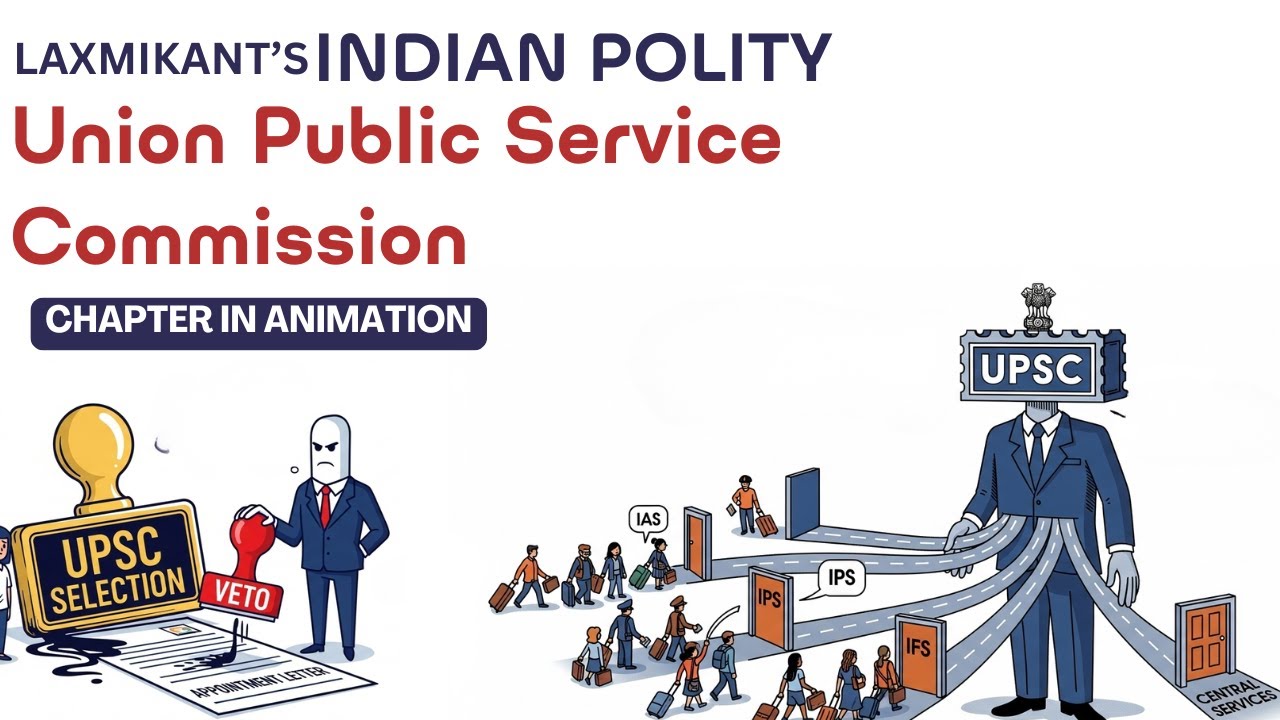
The Union Public Service Commission (UPSC) serves as the cornerstone of the Indian administrative machinery, ensuring that the civil services remain professional and impartial. The Constitution of India specifically visualizes this body as the watchdog of the merit system, a phrase that highlights its duty to ensure only the most capable individuals enter the bureaucracy. It acts as an independent entity to safeguard the integrity of the recruitment process from political interference, thereby maintaining public trust in government institutions.
- The Union Public Service Commission (UPSC) serves as the cornerstone of the Indian administrative machinery, ensuring that the civil services remain professional and impartial.
The Constitution of India specifically visualizes this body as the watchdog of the merit system, a phrase that highlights its duty to ensure only the most capable individuals enter the bureaucracy. It acts as an independent entity to safeguard the integrity of the recruitment process from political interference, thereby maintaining public trust in government institutions.
- (i) The primary concern of the Commission is the recruitment process for the prestigious All-India Services.
- (ii) It also oversees the selection for Central Services, specifically those falling under the Group A and Group B categories.
- (iii) Beyond recruitment, the UPSC performs an advisory role in matters relating to the promotion of civil servants and disciplinary cases, as provided under Article 320 and the applicable rules.
The Functional Divide: UPSC vs. Department of Personnel and Training (DoPT)
While the UPSC initiates the entry of talent, it does not control the career progression or management of the personnel it recruits. A clear distinction exists in the Indian administrative structure between recruiting and managing staff to maintain organizational efficiency and merit-based governance.
Limits of UPSC Authority in Personnel Affairs
A clear distinction exists in the Indian administrative structure between recruiting and managing staff to maintain organizational efficiency and merit-based governance. The division of labor ensures that recruitment is separate from day-to-day administrative management.
- (i) The UPSC does not handle the classification of services or the determination of pay scales.
- (ii) Matters related to service conditions and the complex task of cadre management remain outside its jurisdiction.
- (iii) The critical area of training and its associated developmental functions are managed by other entities.
Role of the DoPT
- (i) These management aspects are handled by the Department of Personnel and Training (DoPT).
- (ii) The DoPT operates under the Ministry of Personnel, Public Grievances and Pensions.
- (iii) Essentially, UPSC is the central recruiting agency, whereas the DoPT serves as the central personnel agency of India.
The Advisory Framework and Government Accountability
The relationship between the Commission and the Union Government is defined by an advisory mechanism that ensures parliamentary oversight. It is a vital constitutional fact that the recommendations of the UPSC are advisory and not binding on the Union Government, allowing for executive flexibility while maintaining legal transparency.

Nature of UPSC Recommendations
It is a vital constitutional fact that the recommendations of the UPSC are advisory and not binding on the Union Government, allowing for executive flexibility while maintaining legal transparency. This balances executive authority with institutional checks and balances.
- (i) The Union Government holds the ultimate power to either accept or reject the advice provided by the Commission.
- (ii) A significant safeguard exists: the government is held answerable to the parliament if it chooses to deviate from the UPSC’s counsel.
- (iii) Furthermore, the government possesses the authority to frame rules regulating the scope of UPSC’s advisory functions.
The Emergence of the CVC and its Impact on Disciplinary Influence
The institutional landscape changed in the mid-20th century, introducing a dual-consultation process for disciplinary matters. The establishment of the Central Vigilance Commission (CVC) in significantly impacted the disciplinary landscape, occasionally leading to overlapping jurisdictions.
UPSC and the Central Vigilance Commission (CVC)
The establishment of the Central Vigilance Commission (CVC) in significantly impacted the disciplinary landscape, occasionally leading to overlapping jurisdictions. Both bodies play vital roles in maintaining bureaucratic integrity.
- (a) When disciplinary cases involve civil servants, both the UPSC and the CVC are often consulted, which can lead to conflicting views.
- (b) Despite this, the UPSC remains a superior authority as it is an independent constitutional body.
Evolution of the CVC
- (i) The CVC was originally created through a simple executive resolution.
- (ii) It only achieved statutory status much later, in .
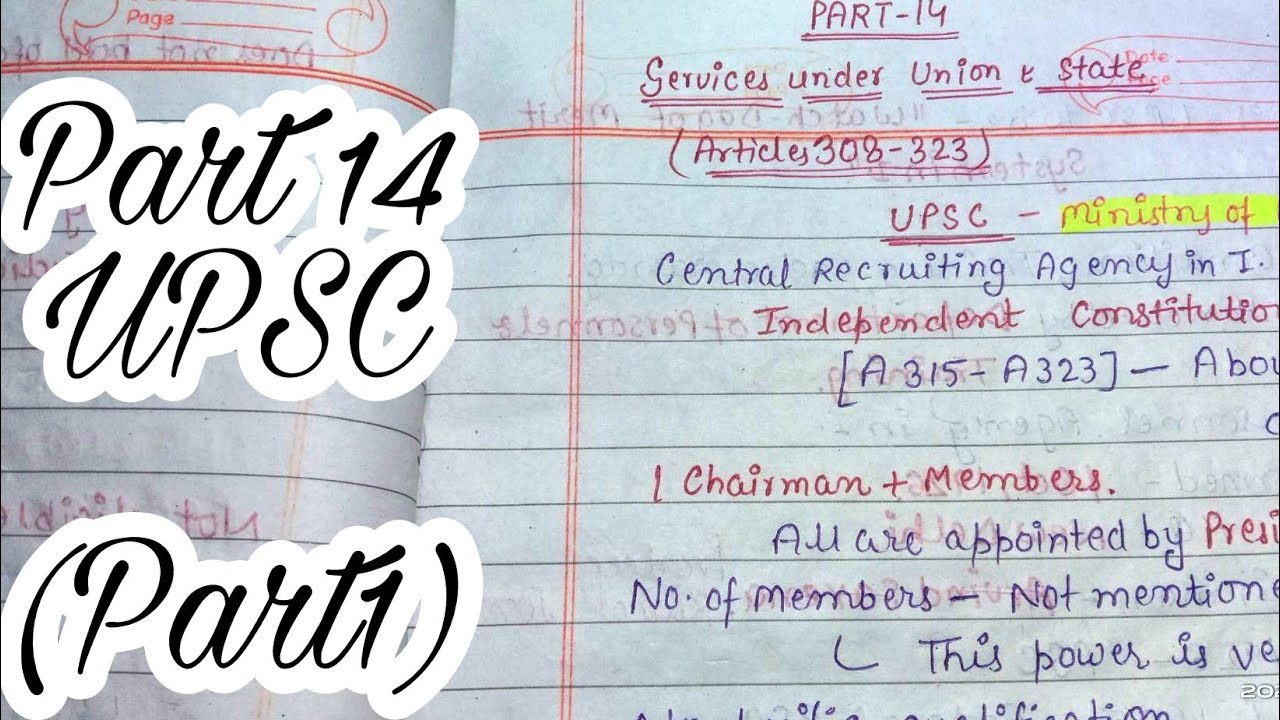
Constitutional Provisions: Articles 315 to 323
The legal bedrock of the Commission is found in Part XIV of the Constitution, detailing every aspect of its existence, independence, and powers. Understanding these articles is vital for aspirants navigating Indian polity.
Articles Governing the Public Service Commission
Understanding is crucial for Indian Polity studies, as they define the power and autonomy of the Commission under constitutional law.
Constitutional articles detailing the structure and jurisdiction of public service commissions - Article 315: Mandates Public Service Commissions for the Union and the various States.
- Article 316: Governs the appointment and the fixed tenure of members.
- Article 317: Outlines the rigorous process for the removal and suspension of members.
- Article 318: Grants power to make regulations regarding the conditions of service for members and staff.
- Article 319: Places restrictions on holding further office after ceasing to be a member to ensure future impartiality.
- Article 320: Explicitly lists the diverse functions of the Public Service Commissions.
- Article 321: Allows for the extension of the Commission's functions by the legislature.
- Article 322: Clarifies that the expenses of the Commission are charged to the Consolidated Fund.
- Article 323: Requires the submission of annual reports on the work done by the Commission.
⚡ Quick Revision Capsule: UPSC Constitutional Framework
Review this handy reference table to quickly master the key articles, agencies, and functional domains associated with the Union Public Service Commission.
| Constitutional Provision / Body | Primary Subject / Jurisdiction | Key Significance |
|---|---|---|
| Part XIV of the Constitution | Guarantees complete institutional independence and functions | |
| UPSC | Central Recruiting Agency | Acts as the watchdog of the merit system |
| DoPT | Central Personnel Agency | Manages service conditions, training, and career progression |
| CVC | Vigilance and Anti-Corruption | Consulted alongside UPSC on civil service disciplinary matters |
| Indian Constitution | Supreme Law of India | Provides legal bedrock for public administrative machinery |
📝 Summary
The Union Public Service Commission remains the ultimate watchdog of the merit system in India. By operating under , it ensures that recruitment remains fair and independent of political whims. For students, mastering the distinction between the advisory role of UPSC and the administrative role of the DoPT is vital for understanding the Indian Constitution and excelling in competitive exams.
🚀 Quick Revision Points
Essential facts to review before examinations:
- (i) UPSC recruitment ensures high administrative standards across All-India and Central Services.
- (ii) Recommendations made by the Commission are advisory and non-binding on the Union government.
- (iii) DoPT acts as the central personnel agency handling day-to-day administrative management.
- (iv) Constitutional provisions from Articles 315 to 323 protect commission members from political pressure.
- 💡 Exam Tip: Always remember that UPSC only recruits and advises on disciplinary matters; service conditions, pay scales, and training are managed by the DoPT!
❓ Frequently Asked Questions (FAQ)
Q1: What is the primary role of the UPSC under the Indian Constitution?
A1: The UPSC acts as the central recruiting agency and the constitutional watchdog of the merit system, ensuring fair selection for civil services.Q2: Are the recommendations of the UPSC binding on the government?
A2: No, UPSC recommendations are strictly advisory, though any government departure from its advice requires parliamentary accountability.Q3: How does the UPSC differ from the DoPT?
A3: As outlined in Indian Polity texts, UPSC handles recruitment and initial selection, while the DoPT manages personnel affairs, training, and service conditions.