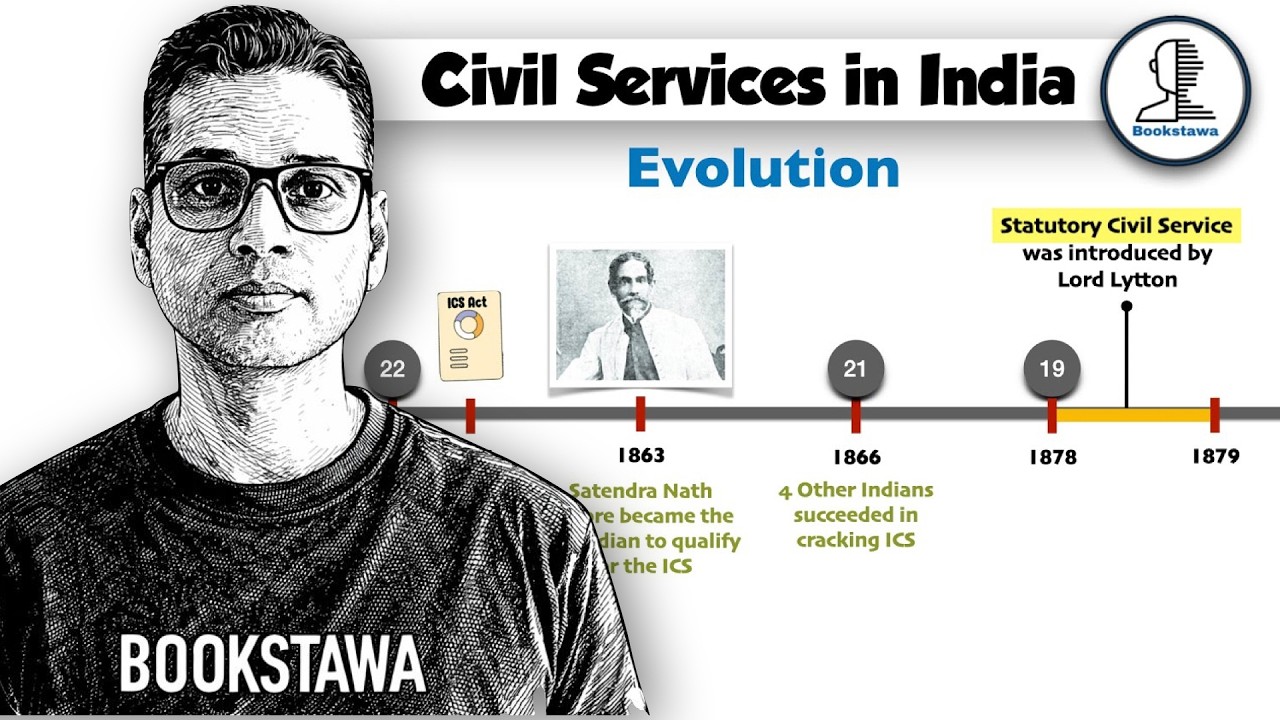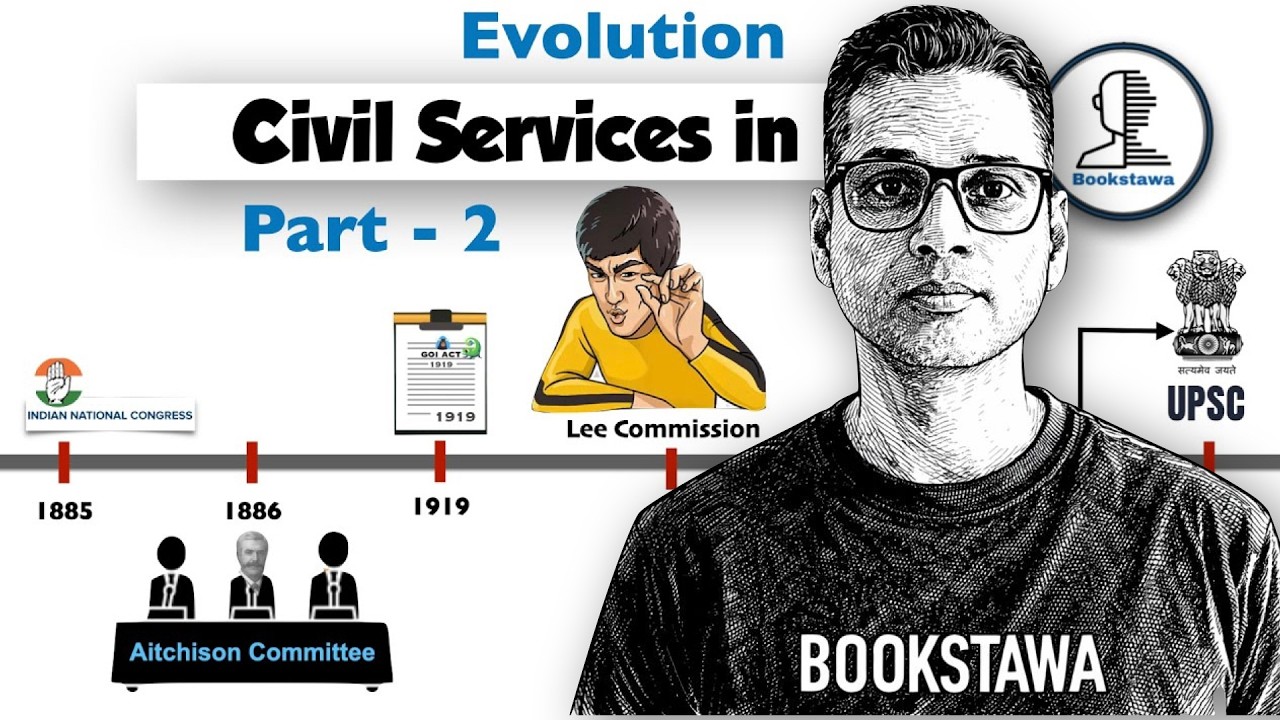
The Union Public Service Commission (UPSC) is India’s premier central recruiting agency. It is an independent constitutional body created under the Constitution of India, specifically within Part XIV and Articles 315 to 323. Its main responsibility is to select suitable people for important government services through a fair and merit-based process. This guide explains the composition, appointment, removal, independence, and importance of the UPSC in a simple and detailed way for students and civil-services aspirants.
🎯 In this chapter, you will understand:
- The constitutional position of the UPSC as India’s central recruiting agency.
- How the Chairman and members of the UPSC are appointed and how long they serve.
- The strict constitutional procedure for removing a UPSC member.
- The safeguards that protect the independence of the UPSC from political pressure.
💡 Why this topic matters: The UPSC helps the Government of India choose officers for the civil services based on ability, knowledge, and merit. If this process were influenced by politics, unfair or unsuitable people could reach important administrative positions. Therefore, the Constitution gives the UPSC special protection so that it can work independently and fairly.
🧠 Core Idea: The UPSC is often called the guardian of the merit system in India. It ensures that recruitment to the All-India Services and central civil services is conducted through open competition and impartial evaluation, rather than through personal favour, political influence, or nepotism.
Union Public Service Commission (UPSC): The Guardian of the Merit System in India
The story of the Union Public Service Commission begins with the Constitution of India, which imagined a bureaucracy based on merit rather than favouritism. The UPSC is an independent constitutional body and functions as the central recruiting agency of India. In simple words, it helps the Union Government find capable people for important administrative posts. Because civil servants help run ministries, implement policies, and serve citizens across the country, it is very important that they are selected carefully and fairly.
The UPSC is often described as the “steel frame” of Indian administration because its selected officers form a permanent and trained administrative system. These officers continue to serve the country even when governments change after elections. This continuity helps maintain stability in governance. However, this system can work properly only when recruitment is honest, transparent, and based on merit. The Constitution therefore gives the UPSC a strong legal foundation and protects it from outside interference.
Constitutional Framework of the UPSC
The UPSC does not depend on an ordinary law passed by Parliament for its existence. It derives its life and authority directly from the Constitution of India. This makes it a constitutional body, meaning that its creation, powers, and protections are written into the Constitution itself. Because of this, the Commission has a special status and cannot be easily changed or weakened by the government of the day.
- (i) The Commission derives its life and power directly from the Constitution of India, specifically under Part XIV.
- (ii) The legal guardrails are set within Articles 315 to 323, which provide a comprehensive framework for its operations.
- (iii) These constitutional mandates detail the composition, appointment, removal of members, independence, powers, and functions necessary to maintain administrative integrity.
- (iv) Article 315 provides for a Public Service Commission for the Union, while Articles 316 to 323 deal with matters such as appointment, removal, functions, expenses, and reports of the Commission.
Composition and Structural Framework of the UPSC
The internal structure of the UPSC is designed to be flexible, but every important appointment is made by the highest constitutional authority in the country—the President of India. The Commission consists of a Chairman and other members. The Constitution does not say exactly how many members the Commission must have. Instead, it leaves this decision to the President. This flexibility allows the government to decide the size of the Commission according to administrative needs, while still keeping the appointment process under constitutional control.
The members of the UPSC are expected to bring experience, maturity, and understanding of public administration. Although the Constitution does not demand a particular degree or professional qualification, it does require administrative experience for at least half of the members. This helps ensure that the Commission is not made up only of people who understand law or academics, but also of people who have practical experience of how government offices work.
Appointment and Membership Strength
The Commission is led by a Chairman and a group of other members, all of whom are appointed directly by the President of India. This arrangement ensures high-level constitutional oversight for every appointment made to the body. The President’s involvement also gives the Commission legitimacy, because its members are appointed by the head of the Indian state rather than by a lower administrative authority.
- (i) The Constitution does not fix the number of members; instead, it leaves this decision to the President’s discretion.
- (ii) In typical practice, the Commission functions with nine to eleven members, including the Chairman.
- (iii) While no specific educational or professional qualifications are mandated, at least half of the members must have served in a government office for ten years or more under the Union or a State.
- (iv) This “half-member” experience rule helps the Commission benefit from people who understand government administration, public service rules, and the practical challenges of governance.
Tenure, Conditions of Service, and Resignation
To maintain administrative continuity and independence, the service conditions and term limits of UPSC members are clearly defined. A fixed tenure prevents members from being removed suddenly simply because they have taken a decision that the government does not like. At the same time, a retirement age ensures that fresh members can join the Commission over time and bring new experience to its work.
- (a) The President determines the specific conditions of service for both the Chairman and other members.
- (b) Tenure: Every member holds office for a period of six years or until reaching the age of 65 years, whichever milestone is reached first.
- (c) Members possess the freedom to resign at any moment by addressing their resignation to the President.
- (d) Once appointed, the service conditions of a member cannot be changed to their disadvantage. This protection prevents the government from threatening members by reducing their salary, perks, or other benefits.
The Role of the Acting Chairman
The Constitution also makes arrangements for situations when the Chairman is not available. This is important because the Commission cannot stop its work simply because the Chairman is absent, ill, or the post has become vacant. An acting Chairman keeps the Commission functioning smoothly until normal arrangements can be restored.
- (i) The President may appoint an acting Chairman if the office falls vacant or if the current Chairman is unable to perform duties due to absence or illness.
- (ii) This acting Chairman holds the reins until a permanent successor is appointed or the original Chairman returns.
- (iii) This provision protects the day-to-day functioning of the UPSC and prevents delays in recruitment and other official work.

Constitutional Procedure for the Removal of Members
The Constitution provides a strict mechanism for the removal of UPSC members so that no government can dismiss them casually or punish them for independent decisions. This protection is necessary because the Commission may sometimes have to take decisions that are unpopular with those in power. If members could be removed easily, they might feel pressured to favour the government instead of following the rules.
The removal process is divided into two broad situations. In the first situation, the President can remove a member for certain clear and objective reasons without a court inquiry. In the second situation, where the allegation is misbehaviour, the President must involve the Supreme Court. This makes the process more careful, fair, and difficult to misuse.
General Grounds for Presidential Removal
The President holds the power to remove a member or Chairman without a court inquiry under specific, objective conditions connected with insolvency, outside employment, or incapacity. These grounds are limited and specific. They are not meant to allow removal simply because a member disagrees with the government or takes an independent stand.
- (i) If the individual is declared insolvent or bankrupt by a competent court.
- (ii) If the member engages in any paid employment outside the duties of their office during their tenure.
- (iii) If the President deems the individual unfit to continue in office due to infirmity of mind or body.
- (iv) These grounds focus on a member’s financial condition, outside activities, or physical and mental ability to perform official duties.
Removal on Grounds of Misbehaviour
When the charge is misbehaviour, the process becomes more rigorous because it involves the judiciary. The President cannot remove a member for misbehaviour on their own. The matter must first be sent to the Supreme Court for inquiry. This requirement protects members from false accusations and ensures that any decision to remove them is based on evidence and proper legal examination.
- (a) The President must refer the case to the Supreme Court for a formal inquiry.
- (b) If the Supreme Court upholds the charges after inquiry, its advice is binding on the President.
- (c) Misbehaviour includes being involved in government contracts or benefiting from such agreements in a capacity other than as a member of an incorporated company.
- (d) The President retains the power to suspend the member while the Supreme Court inquiry is ongoing.
- (e) This suspension is temporary and does not itself amount to removal. The final decision depends on the outcome of the Supreme Court inquiry.
Safeguards Ensuring the Independence of UPSC
To act as the “Watchdog of the Merit System,” the UPSC must be able to function without political pressure. If ministers or officials could influence its decisions, the recruitment process could become unfair. The Constitution therefore provides several strong safeguards. These safeguards protect the Commission’s members from financial pressure, threats of removal, and the temptation of future government jobs.
Independence does not mean that the UPSC is above the Constitution or free from all control. Rather, it means that the Commission can perform its constitutional duties fairly, without fear or favour. The safeguards are designed to ensure that its members can give honest advice and conduct recruitment based on merit.
Security of Tenure and Financial Autonomy
Independence is maintained by ensuring that the executive cannot intimidate members through financial or professional threats. A member who fears losing their job, salary, or pension may not be able to work freely. The Constitution reduces this risk by giving members security of tenure and financial protection.
- (i) Security of tenure: Removal is possible only through the specific constitutional process mentioned earlier.
- (ii) Service conditions: Once a member is appointed, their conditions of service cannot be altered to their disadvantage.
- (iii) Financial independence: Salaries and pensions are charged on the Consolidated Fund of India, meaning they are not subject to a vote in Parliament.
- (iv) Because these expenses are charged on the Consolidated Fund of India, Parliament can discuss them but cannot vote to reduce them. This protects the Commission from financial pressure.
Restrictions on Future Employment
To prevent the lure of future government favours, the Constitution places strict restrictions on reappointment and later employment. If former members could easily receive attractive government posts, they might try to please the government while serving in the UPSC. These restrictions reduce that possibility and strengthen public trust in the Commission.
- (a) The Chairman of the UPSC is completely ineligible for any further employment under the Union or State governments after retirement.
- (b) A member, other than the Chairman, can be appointed only as the Chairman of the UPSC or of a State Public Service Commission (SPSC).
- (c) No member or Chairman is eligible for reappointment to the same office for a second term.
- (d) These rules help ensure that members do not treat their UPSC position as a stepping stone for future political or administrative benefits.
Significance and Importance of UPSC
The Union Public Service Commission remains a cornerstone of Indian democracy because it helps ensure meritocracy in the civil services. Meritocracy means selecting people on the basis of ability, knowledge, and performance rather than on personal connections, wealth, or political loyalty. Through competitive examinations and other recruitment processes, the UPSC helps bring capable individuals into public administration.
Understanding Articles 315 to 323 is vital for students who want to understand the constitutional framework and independence of India’s central recruiting agency. The UPSC is not merely an examination-conducting body; it is a constitutional institution that supports fair governance. By selecting officers through a transparent process, it helps ensure that the nation’s administration is led by capable individuals and remains free from political interference.
⚡ Quick Revision Capsule: UPSC under the Constitution
The following table gives a quick overview of the most important facts about the UPSC. It is useful for last-minute revision before examinations.
| Aspect | Constitutional Provision / Rule | Simple Meaning |
|---|---|---|
| Nature of UPSC | Independent constitutional body under Part XIV | It is created directly by the Constitution, not by an ordinary law. |
| Constitutional Articles | Articles 315 to 323 | These articles explain its composition, appointment, removal, powers, functions, and independence. |
| Appointment | Chairman and members appointed by the President | The President appoints all members of the Commission. |
| Membership Strength | Not fixed by the Constitution | The President decides the number of members; in practice, it is usually nine to eleven. |
| Experience Requirement | At least half must have 10 years of government service | Half of the members should have practical experience under the Union or a State government. |
| Tenure | Six years or age 65, whichever is earlier | A member leaves office after completing six years or after turning 65. |
| Removal for Misbehaviour | Supreme Court inquiry is required | The President refers the case to the Supreme Court, and its advice is binding. |
| Financial Protection | Salaries and pensions charged on the Consolidated Fund of India | Their salaries and pensions are not subject to a parliamentary vote. |
| Future Employment | Chairman cannot take further government employment | This prevents former Chairman from receiving government favours after retirement. |
📝 Summary
The Union Public Service Commission is India’s central recruiting agency and an independent constitutional body. It is governed by Articles 315 to 323 of the Constitution of India, which are placed in Part XIV. The Commission consists of a Chairman and other members appointed by the President. Its main purpose is to ensure that recruitment to the civil services is fair, transparent, and based on merit.
🚀 Quick Revision Points
Essential facts to review before examinations:
- (i) The UPSC is a constitutional body established under Article 315 of the Constitution.
- (ii) The President appoints the Chairman and members, while the Constitution does not fix the total strength of the Commission.
- (iii) At least half of the members must have held office for at least ten years under the Union or a State Government.
- (iv) Members serve for six years or until the age of 65, whichever is earlier.
- (v) A member can be removed for insolvency, paid employment outside official duties, or infirmity of mind or body.
- (vi) For misbehaviour, removal requires a Supreme Court inquiry, and the Court’s report is binding on the President.
- (vii) The salaries and pensions of UPSC members are charged on the Consolidated Fund of India.
- (viii) The Chairman cannot accept further government employment after retirement, and no member can be reappointed to the same office.
- 💡 Exam Tip: Remember the difference between ordinary removal grounds and removal for misbehaviour. Insolvency, paid outside employment, and infirmity allow removal without a court inquiry, but misbehaviour always requires a Supreme Court inquiry.
❓ Frequently Asked Questions (FAQ)
Q1: What is the Union Public Service Commission?
A1: The UPSC is India’s central recruiting agency. It is an independent constitutional body responsible for recruiting candidates to central civil services and All-India Services through a merit-based process.Q2: Who appoints the Chairman and members of the UPSC?
A2: The President of India appoints the Chairman and other members. The Constitution does not fix the number of members, so the President determines the strength of the Commission.Q3: Why is the independence of the UPSC important?
A3: Independence helps the UPSC conduct recruitment without political pressure. Safeguards such as security of tenure, protected service conditions, and expenses charged on the Consolidated Fund of India help it function fairly under the Constitution of India.