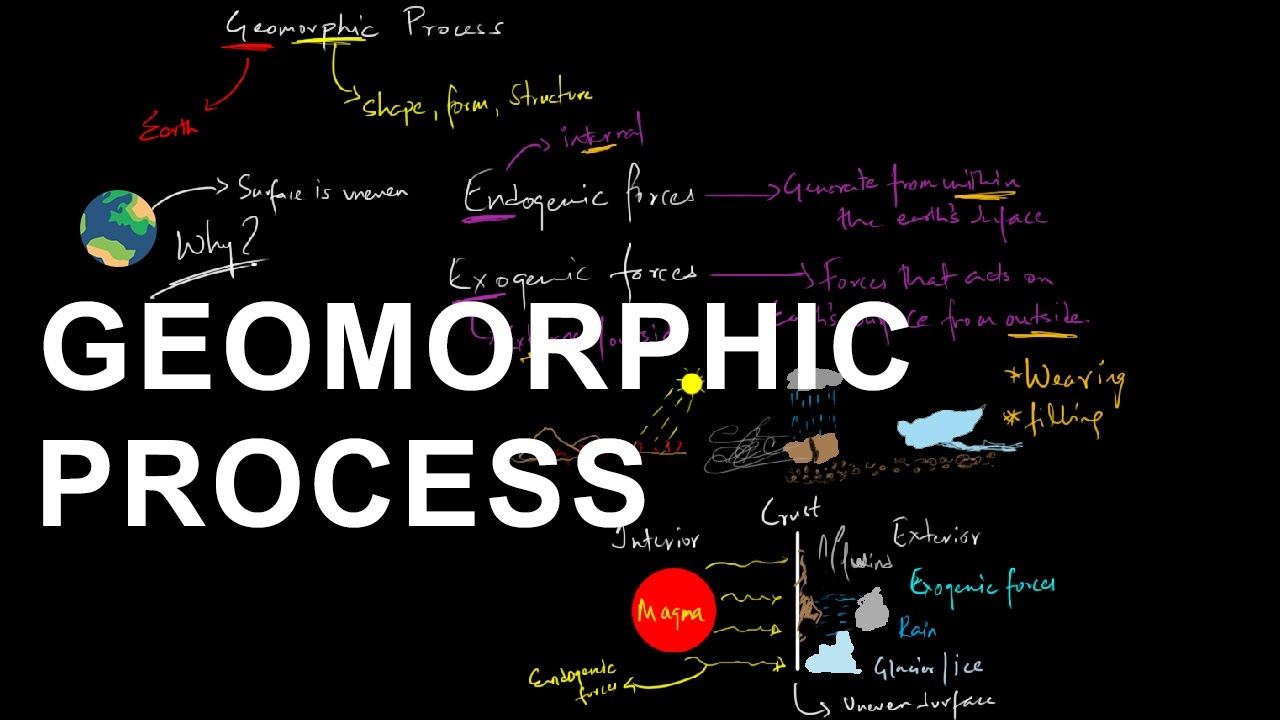
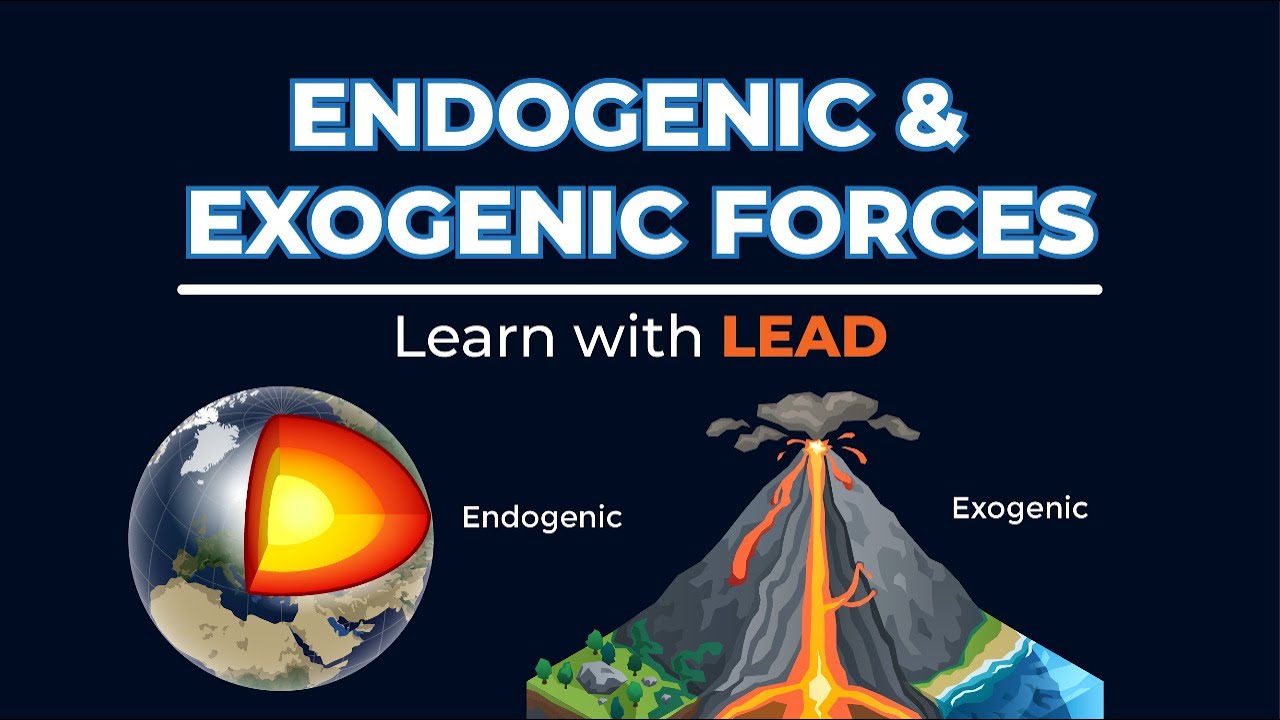
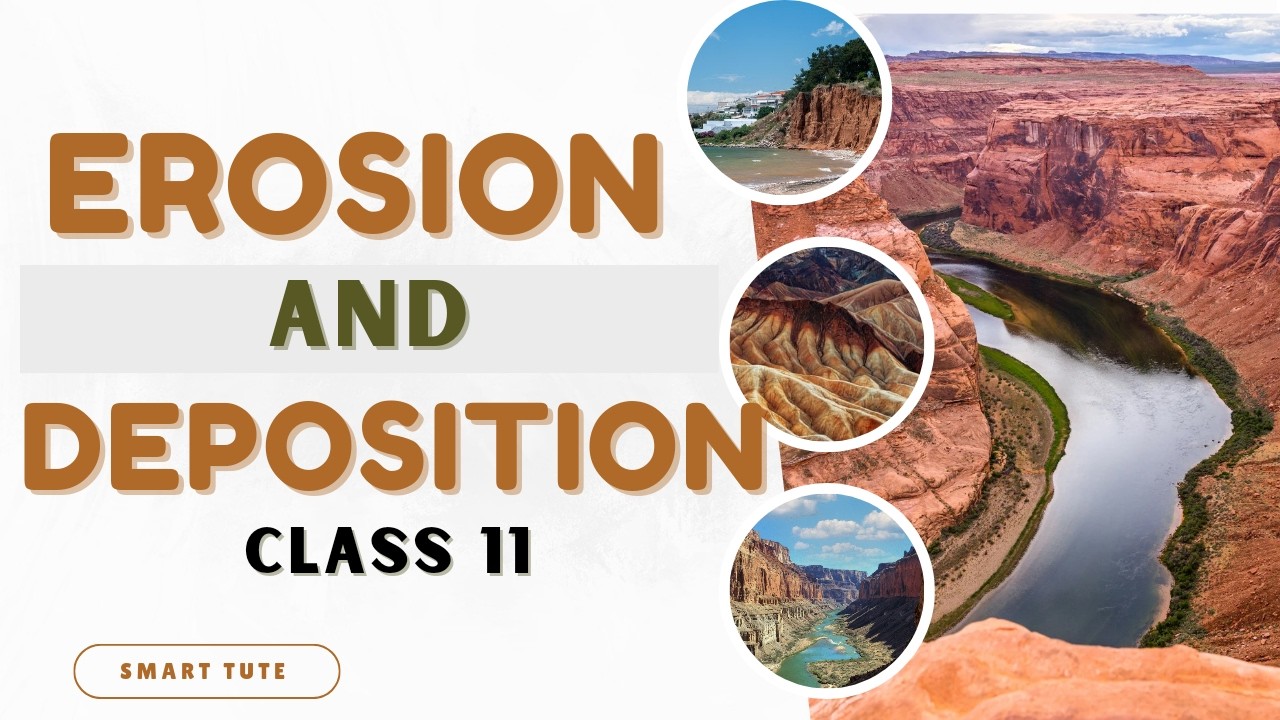
Our planet's surface is constantly changing. Every day, natural forces shape mountains, carve valleys, and create fresh dirt beneath our feet. Through processes like erosion, deposition, and pedogenesis (which is just the scientific word for soil creation), nature recycles rocks into nutrients that support life.
🎯 In this chapter, you will understand:
- How moving water, wind, ice, and waves break and move rocks.
- Why deposition builds brand new landforms when natural forces slow down.
- What makes soil a living, breathing system instead of plain dirt.
- The five key factors that decide how thick and healthy soil becomes.
💡 Why this topic matters: Understanding how land wears away and how soil forms helps us grow food, protect homes from landslides, and preserve essential ecosystems.
🧠 Core Idea: Energy drives the breakdown and transport of Earth's materials, while biological activity and climate turn broken rock into fertile soil over time.
🌍 Erosion, Deposition & it's Agents
Erosion and deposition are twin forces working together. One tears down high places, while the other fills in low places.
What is Erosion?
Erosion refers to the acquisition and transportation of rock debris by natural forces known as geomorphic agents. It involves breaking massive rocks into smaller fragments through weathering or other processes and then picking them up and carrying them away.
Natural Agents That Move Rock
Different natural tools move rock particles across the globe:
- (i) Running Water: A liquid agent shaped by local rain and climate.
- (ii) Groundwater: Water underground that dissolves soluble rocks, creating underground caves and unique landforms called karst topography.
- (iii) Glaciers: Massive solid rivers of ice driven by cold temperatures and climate changes.
- (iv) Wind: A gaseous force driven by movement in Earth's atmosphere.
- (v) Waves: Ocean currents and waves that crash against shores where the ocean meets the land, operating continuously regardless of local weather.
How Erosion Works
Natural agents collect and move broken rock materials from one spot to another. As these agents carry rocks along, those floating rocks scratch against the ground like sandpaper in a process called abrasion. Kinetic energy (the energy of movement) acts as the main engine driving all transportation. This constantly wears down landscapes and transforms Earth's surface over time.
Comparing Climate-Controlled Agents
Different agents dominate in different parts of the world depending on the local climate:
- (a) Wind: Acts primarily in hot, dry places like deserts (arid and semi-arid regions).
- (b) Running Water: Shapes rivers and valleys in rainy, wet places (humid and semi-humid regions).
- (c) Glaciers: Carve massive U-shaped valleys in freezing mountain tops and polar regions.
What is Deposition?
Deposition happens when erosion agents lose speed and run out of energy, especially when moving onto flatter ground. When the agent slows down, it drops the heavy material it was carrying. The heaviest, coarsest rocks drop first, followed by lighter, finer sand and silt. This settling fills in low spaces and constructs new land features like riverbanks and deltas.
🌱 Definition of Soil & Characteristics
Soil is much more than simple dirt; it is a active home for living organisms and plants.

Soil is a dynamic medium where chemical, physical, and biological changes happen all the time. It serves as both a result of decay (from dead leaves and plants) and a medium for growth (for new plants). Soil changes with the weather, cycling between cold and warm, or wet and dry. When soil gets extremely cold or completely dry, living activities inside it pause until conditions improve.
Key Traits of Healthy Soil
Organic material inside the soil grows whenever autumn leaves drop and field grasses die. Soil has tiny open pockets, giving it a porous structure that traps water and lets air circulate easily. This structure supports growing crops and creates a thriving home for tiny creatures like bacteria, mosses, lichens, and earthworms.
How Soil Forms (Pedogenesis Step-by-Step)
Making rich soil takes time and follows a clear natural sequence:
- (i) Weathering: Rocks break down into a loose top layer called the weathering mantle, which provides the raw building blocks for soil.
- (ii) Colonisation: Tiny living things like bacteria, mosses, and lichens settle on these loose rock pieces.
- (iii) Organic Contributions: Dead plants and bugs pile up, breaking down into dark, nutrient-rich humus that makes the soil fertile.
- (iv) Plant Growth: Small grasses and ferns sprout first, followed by larger bushes and trees brought by wind and birds. Plant roots stretch deep down, holding the soil structure together and sharing nutrients.
- (v) Animal Activity: Animals like earthworms and gophers dig through the ground, mixing mineral particles and turning the soil into a soft, sponge-like surface.
- (vi) Mature Soil Formation: Over many years, a fully developed mature soil forms, combining minerals and organic materials seamlessly.
🧪 Soil Forming Factors
Five main ingredients decide what kind of soil forms in any given location on Earth.
The five main soil-forming drivers are Parent Material, Topography, Climate, Biological Activity, and Time.
Breaking Down the 5 Factors
Each of these elements plays a distinct role in shaping the final soil product:
The five natural factors shaping soil development over time. - Parent Material: A passive factor that acts as the original starting material. It includes residual soils (formed directly on top of the original bedrock) and transported soils (brought in by wind or water from elsewhere). The texture, structure, and mineral makeup of the soil depend heavily on this parent rock when the soil is young.
- Topography: Another passive factor based on the slope and shape of the land. Steep hillsides have very thin soil because rain washes it away easily. Flat valleys collect thick layers of soil rich in organic matter because water sinks in gently without stripping the surface.
- Climate: An active factor driven by rainfall and temperature patterns. Rain provides the moisture needed for chemical reactions and washes minerals down through layers via eluviation (leaching) and deposits them below via illuviation. Warm weather speeds up chemical reactions, while freezing weather slows everything down. Extreme conditions can even create hard crust layers called hardpan or remove silica through desilication.
- Biological Activity: An active factor involving plants, animals, and microbes. Dead leaves create humus, while helpful bacteria pull nitrogen out of the air to feed plants (nitrogen fixation). In cold places, slow bacterial decay leads to thick, spongy layers called peat. Earthworms and termites constantly turn the dirt, keeping it soft and airy.
- Time: Decides how old and mature the soil profile is. Older soils develop distinct horizontal layers called soil horizons, whereas brand-new soils look uniform throughout.
⚡ Quick Revision Capsule: Earth & Soil Basics
Use this convenient cheat sheet to review key concepts, agents, and factors governing erosion and soil formation before exams.
| Topic / Factor | Primary Role or Agent | Key Resulting Feature |
|---|---|---|
| Running Water | Liquid erosion in humid regions | Carves river valleys and forms fertile deltas |
| Groundwater | Dissolves permeable and soluble rocks | Creates underground caves and karst topography |
| Wind & Glaciers | Gaseous (arid) and Solid (cold) agents | Forms sand dunes and glacial valleys |
| Parent Material & Topography | Passive soil-forming factors | Controls initial soil texture, depth, and drainage |
| Climate & Life | Active soil-forming factors | Drives eluviation, produces organic humus, and builds mature soil horizons |
📝 Summary
Earth is undergoing continuous change as geomorphic agents—such as water, wind, ice, and ocean waves—erode high landmasses and deposit sediments in lower basins. Over , these raw mineral deposits undergo pedogenesis. Driven by climatic patterns and organic biological activity, simple rock fragments transform into mature, fertile soils that support global ecosystems and agriculture as documented in environmental science texts like Geomorphology and Soil Dynamics.
🚀 Quick Revision Points
Essential facts to review before examinations:
- (i) Erosion involves both the gathering (acquisition) and movement (transportation) of rock fragments using kinetic energy.
- (ii) Deposition takes place as natural agents slow down, causing heavier sediments to settle first on flat slopes.
- (iii) Pedogenesis turns weathered rock into dynamic soil through organic additions like dark humus.
- (iv) Climate and biological activity are active soil-forming factors, while parent rock, topography, and time serve as passive foundation factors as highlighted in Principles of Pedology.
- 💡 Exam Tip: Remember that steep slopes always feature thin, underdeveloped soils due to fast runoff, whereas gentle or flat valleys produce thick, mature soils rich in organic nutrients!
❓ Frequently Asked Questions (FAQ)
Q1: What is the main difference between erosion and deposition?
A1: Erosion is the process of picking up and moving rock pieces using natural energy, while deposition is dropping those pieces in a new location when the moving agent slows down.Q2: Why is soil called a dynamic medium?
A2: Soil is called a dynamic medium because its chemical makeup, physical structure, and living activity constantly change with moisture, temperature, and seasons.Q3: What are the active vs. passive factors in making soil?
A3: Climate and biological organisms are active factors because they actively break down material and drive chemical changes. Parent rock, terrain shape (topography), and time are passive factors that provide the raw setting and background conditions for soil creation, as explained in Fundamentals of Soil Science.