The Harappan Civilization holds a notable place in history for its remarkable innovative crafts, sophisticated metallurgy, precision bead-making, distinctive pottery, and, most famously, the ubiquitous seals bearing an undeciphered script, which was central to its trade and administration. These technological achievements showcase an advanced urban society that flourished in the Indus Valley region. By mastering both local and imported resources, Harappan artisans established highly organized production networks that supported extensive commercial systems. The integration of standardized weights, measures, and symbolic writing allowed this ancient culture to maintain remarkable administrative consistency across vast geographical distances, making their craftsmanship a cornerstone of their complex socioeconomic infrastructure.
In this chapter, you will understand:
- The diversity of craft specialization and material mastery in Harappan workshops.
- The techniques behind advanced metallurgy and the creation of iconic artifacts like the Dancing Girl.
- The administrative and commercial roles of steatite seals in securing trade networks.
- The socio-religious significance of Harappan iconography and the nature of their undeciphered writing system.
Why this topic matters: Understanding Harappan technology and communication systems is vital for historical assessments, as it highlights the roots of urban planning, standard production practices, and organized international trade networks in the ancient subcontinental world.
Core Idea: Harappan structural success relied on a sophisticated synthesis of artisan specialization and administrative control. Through advanced material processing, extensive bead-making, distinctive ceramic production, and highly standardized seal manufacturing, they managed a vast, interconnected economic network that effectively integrated rural resource zones with urban consumer markets.
Innovative Crafts, Technologies, and the Enigmatic Harappan Writing Systems
The specialized work of Indus Valley craft units points to a highly structured division of labor, where specific towns served as dedicated centers for particular manufacturing activities. Artisans adapted their methods to match the physical traits of distinct raw components, ensuring both utilitarian durability and elite artistic value.
Craft Specialization, Material Mastery, and Production Techniques
Harappan artisans demonstrated exceptional skill, excelling in a range of specialized crafts including intricate pottery, detailed bead-making, advanced metallurgy, and sophisticated textile production. They mastered a wide array of raw materials, ranging from readily available clay and stone to precious resources such as copper, high-quality bronze, and imported semi-precious stones.
- The sophisticated craft of bead-making involved the skillful working of prized materials like carnelian, the exotic lapis lazuli, and marine shell, often requiring complex techniques of heating and drilling, with major workshops found at Chanhudaro and Lothal.
Material Adjustments in Ceramic and Glazing Works
The distinctive Harappan pottery showcases a variety of firing techniques and a rich use of decorative motifs, reflecting both functional requirements and artistic expression. Ceramics were frequently coated with bright red slips and painted with precise geometric patterns or realistic nature motifs.
- Artisans utilized high-temperature kilns to ensure the uniformity and strength of mass-produced storage vessels.
- Faience and glazed materials were meticulously shaped into luxury ornaments and miniature containers.
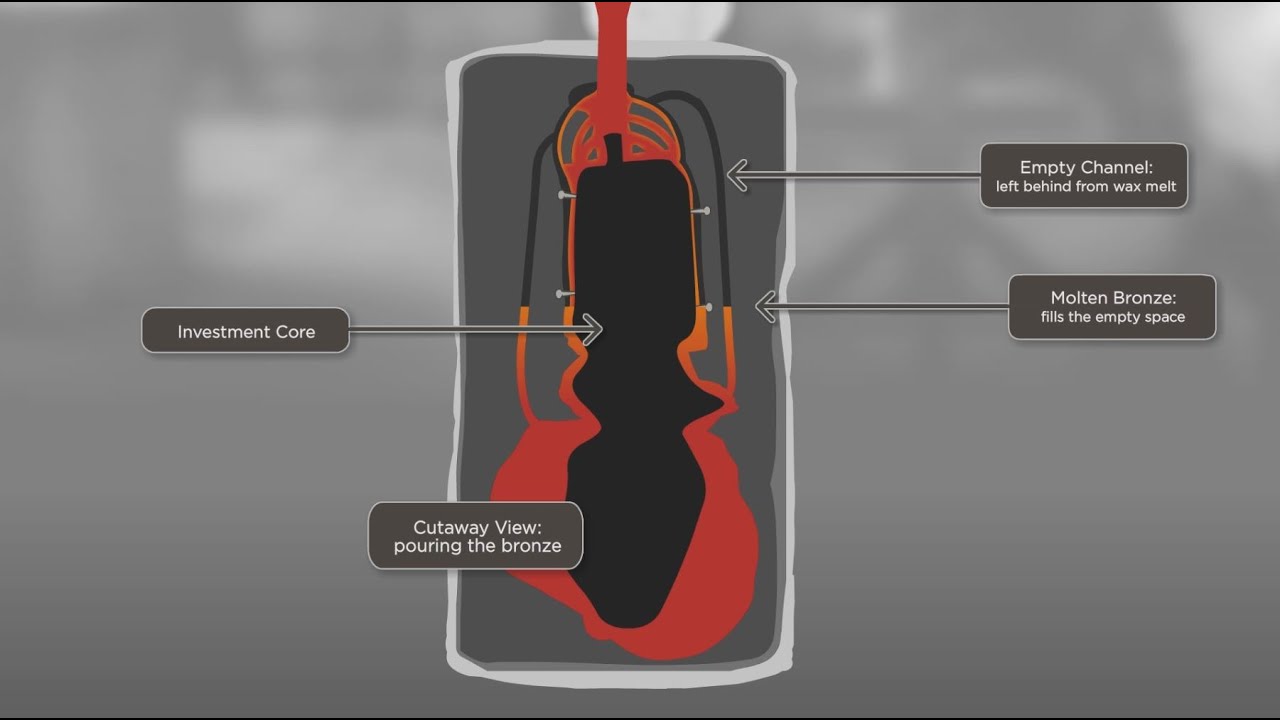
- Their prowess in metalworking is evidenced by their sophisticated knowledge of smelting and the careful production of alloys, particularly bronze, which was used for tools, weapons, and artistic figurines like the famous Dancing Girl.
- Specialized drills and abrasives were regularly distributed across major manufacturing hubs to standardize item dimensions.
Seals, Writing Systems, and Their Role in Trade and Governance
The execution of long-distance distribution routes required a secure, trustworthy authentication framework. The regular distribution of standardized markers protected secure bulk cargoes moving between urban central depots and far-off trading partners in Mesopotamia.

- The iconic Harappan seals, typically square or rectangular steatite plaques, were intricately carved with a variety of motifs—including realistic depictions of animals (like the unicorn), anthropomorphic figures, and geometric patterns. Crucially, these seals also contained the still-undeciphered script, which played a fundamental and critical role in authenticating commercial exchanges and facilitating the extensive administrative control required for such a large urban society.
Administrative Utility and Social Iconography
The combination of symbolic writing and precise animal emblems functioned as an accessible classification layout that could be easily understood by both literate administrative officials and uneducated laborers handling trade goods.
- The function of seals was primarily to facilitate trade authentication, acting as a kind of sophisticated label or stamp on bundles of goods, and for bureaucratic record-keeping across the vast trade network.
- The widespread presence of the unique Harappan script on pottery, copper tablets, and seals confirms the existence of standardized communication methods essential for managing a complex, integrated urban and rural economy.
- The rich iconography found on the seals and figurines, such as the horned deity figure, offers vital, albeit debated, clues into the civilization's religious beliefs and profound societal symbols.
- Impression fragments left on dried clay tracking tags indicate that specific symbols directly corresponded to authorized merchant identities or official storage contents.
Standardized Production, Weights, and Material Quality Control
Beyond artistic achievements, the civilization implemented strict quality controls for utilitarian items. The consistency of basic items throughout distant cities suggests central coordination or firmly established, deeply shared craft traditions.
- The production of chert weights followed a precise binary and decimal system, showing an advanced grasp of practical mathematics.
Metallurgical Standards and Uniform Brick Metrics
Copper and bronze tools were cast using sophisticated closed molds, resulting in highly consistent tool profiles across disparate regions like Mohenjo-daro and Harappa.
Advanced metallurgy enabled both the manufacturing of resilient tools and the artistic casting of complex human figurines. - Standardized building bricks consistently maintained a strict 4:2:1 dimensional ratio for length, width, and thickness.
- Shell-cutting workshops utilized highly precise compass instruments to mark off uniform angles and circles.
- Pottery clay mixtures were refined using uniform levigation techniques to ensure predictable durability after firing.
- Specific stone blade production centers, such as those near the Sukkur chert quarries, systematically supplied pre-formed cores to distant towns.
Quick Revision Capsule: Harappan Crafts and Technology
This reference matrix maps out the core production branches, their primary materials, and their ultimate economic or administrative purposes:
| Craft Branch | Primary Materials Utilized | Core Administrative / Economic Role |
|---|---|---|
| Bead-Making | Carnelian, Lapis Lazuli, Steatite, Shell | Production of high-value trade commodities and elite personal luxury ornaments. |
| Seal Carving | Steatite (Soapstone), Agate, Chert | Securing cargo shipments, authenticating trade ownership, and bureaucratic record-keeping. |
| Metallurgy | Copper, Tin, Bronze Alloys | Casting strong utilitarian tools, specialized weapons, and artistic metal figurines. |
| Ceramics | Local Clay, Mineral Slips, Faience Glazes | Mass production of standardized utilitarian vessels, storage jars, and luxury miniature items. |
| Weight Systems | Chert, Agate, Jasper | Ensuring uniform calculations, checking tax collection, and maintaining standard commercial values. |
Summary
The material culture of the Indus Valley Civilization reflects a highly organized urban system driven by advanced technological skills and widespread standardization. Harappan specialists successfully combined structural functionality with artistic value across various mediums, establishing major production hubs at sites like Chanhudaro and Lothal. Their mastery of complex bead-making, specialized bronze metallurgy, and kiln-fired ceramics was matched by an equally advanced administrative framework. The widespread use of uniform steatite seals and a standardized—yet still undeciphered—writing system provided the verification needed to secure vast trade routes. Ultimately, these integrated craft practices and regulatory controls formed the economic backbone that sustained one of antiquity's most enduring urban networks.
Quick Revision Points for Students
Focus on these essential historical facts and markers for direct review:
- (i) Major bead-making centers were discovered during excavations at Chanhudaro and Lothal, featuring specialized drilling equipment.
- (ii) The iconic Dancing Girl figurine showcases their command over the lost-wax method of bronze casting.
- (iii) Harappan seals were usually carved from soft steatite stone and included animal motifs alongside early writing symbols.
- (iv) The Indus script continues to challenge modern researchers, remaining completely undeciphered with no bilingual inscriptions yet discovered.
- Exam Tip: Remember that the Indus script was written from right to left, as proven by the spacing of characters on stamped clay fragments. Do not confuse Harappan bronze work with Iron Age tools; the Indus Valley was entirely a Bronze Age society that had no knowledge of iron smelting.
Frequently Asked Questions (FAQ)
Q1: What raw materials were preferred for bead-making, and which sites were dedicated to this craft?
A1: Harappan artisans primarily relied on carnelian, lapis lazuli, steatite, and marine shells for bead production. Archaeological digs show that Chanhudaro and Lothal housed specialized workshops equipped with dedicated tools and advanced heating kilns.Q2: How did Harappan seals function within ancient commercial distribution systems?
A2: Seals acted as official authentication marks. Merchants placed wet clay over the knots of tied bundles and pressed their unique steatite seals into it. If the clay impression remained intact upon delivery, it proved the cargo had not been tampered with.Q3: What makes the Harappan writing system unique compared to other ancient scripts?
A3: The Harappan script is entirely logo-syllabic and remains completely undeciphered. Unlike Egyptian hieroglyphs, no multi-language key like the Rosetta Stone has been discovered, leaving the meaning of its 375 to 400 distinct signs open to debate.