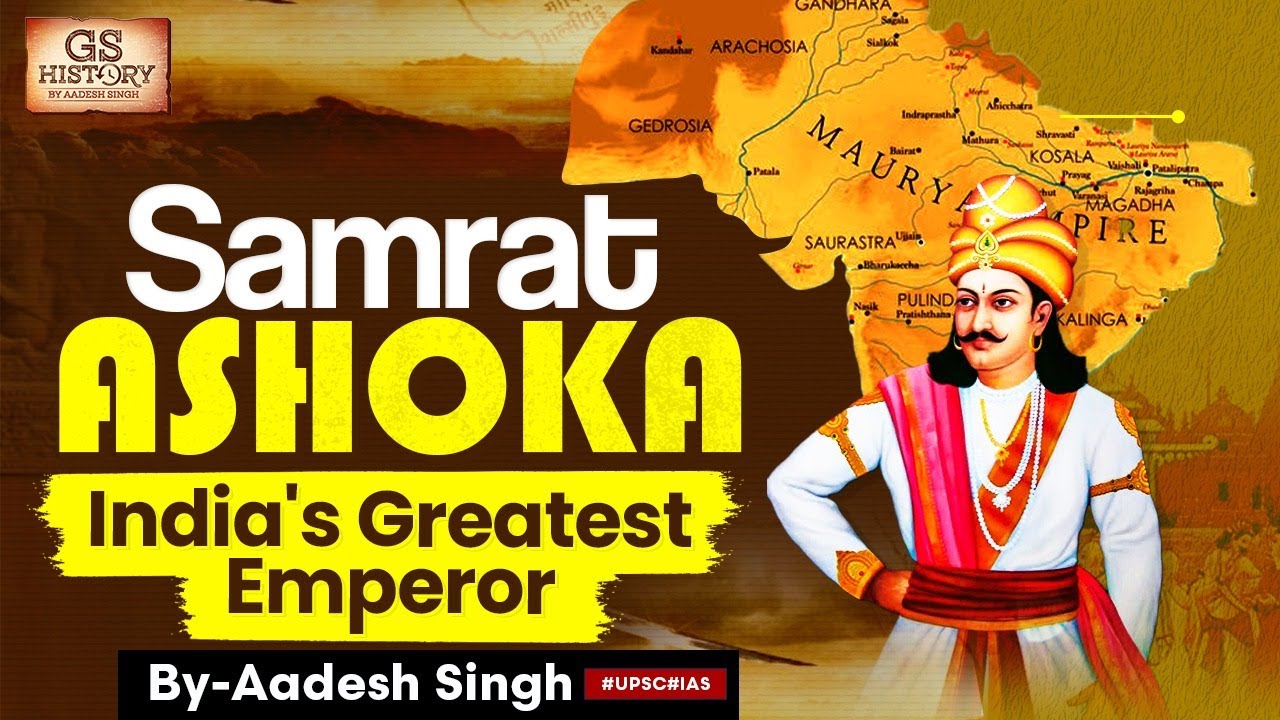
The legendary Mauryan Empire marks one of the most powerful and transformative periods in Ancient Indian History. Rising to power as the son of Bindusara, the emperor Ashoka initially ruled with sharp aggression and ambition. However, the catastrophic destruction of the Kalinga War shattered his view of imperial expansion. Filled with profound remorse, Ashoka gave up military aggression (Dig-Vijay) in favor of moral triumph (Dhammavijay), converting to Buddhism and establishing a whole new model of state leadership. By introducing direct public communication through stone edicts and managing a highly organized government based on Kautilya'sArthashastra, his reign created an unprecedented blueprint for welfare governance, social harmony, and ethical administration that still influences political thought today.
In this chapter, you will understand:
- How the Kalinga War transformed Ashoka from a conqueror into a spiritual leader.
- The core moral principles of Ashoka’s Dhamma and his ideal of paternal kingship.
- The administrative framework of the Mauryan Empire guided by the Arthashastra.
- The key outcomes of the Third Buddhist Council at Pataliputra in 250 BC.
Why this topic matters: Understanding Ashoka's reign is essential for mastering ancient statecraft, the international spread of Buddhism, and the organizational framework of early Indian empires. His edicts and administrative policies form a cornerstone for history examinations and competitive civil services studies.
Core Idea:Ashoka redefined kingship by replacing military force with moral ethics (Dhamma) and direct citizen welfare. Supported by a sophisticated centralized bureaucracy, specialized officers like dharmamahamatras, and a thriving trade economy, his reign built a sprawling empire driven by civic duty, religious tolerance, and public welfare.
Ashoka's Pioneering Direct Communication: Inscriptions and Edicts
The legendary Mauryan ruler, Ashoka, ascended the throne and dramatically reshaped the concept of kingship following a devastating war. The story of Ashoka, the son of Bindusara, is one of initial ruthlessness leading to eventual spiritual enlightenment and profound political reform, establishing him as one of history's great monarchs.
Early imperial ambitions gave way to deep moral responsibility after witnessing the horrors of battle firsthand.
- (i) The early years of Ashoka's reign were reportedly marked by cruelty, a stark contrast to the benevolent emperor he would become later in life.
- (ii) The true catalyst for this radical change was the bloody Kalinga War, which exposed the emperor to the vast human suffering caused by territorial ambition.
- (iii) This immense remorse led to Ashoka's conversion to Buddhism, shifting his focus entirely from violent conquest (Dig-Vijay) to cultural and moral triumph (Dhammavijay), a pivotal moment detailed in the 13th Rock Edict.
Rock and Pillar Edicts: Royal Decrees as Public Announcements
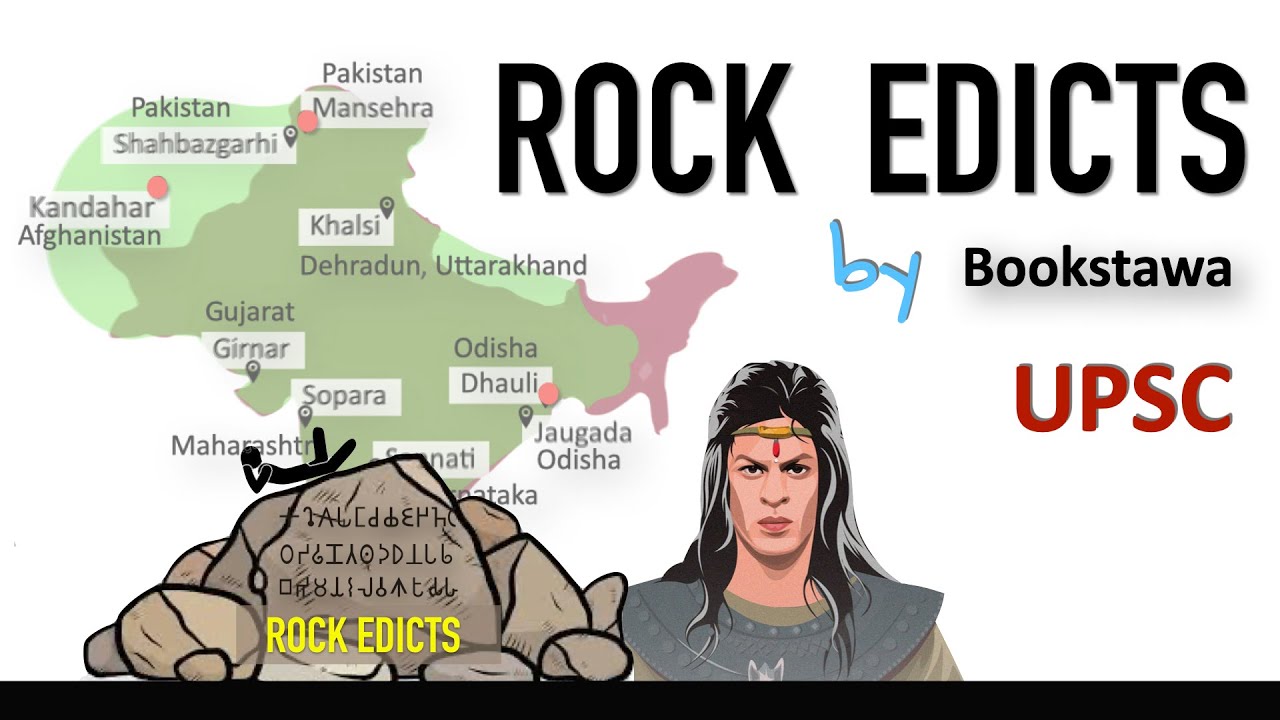
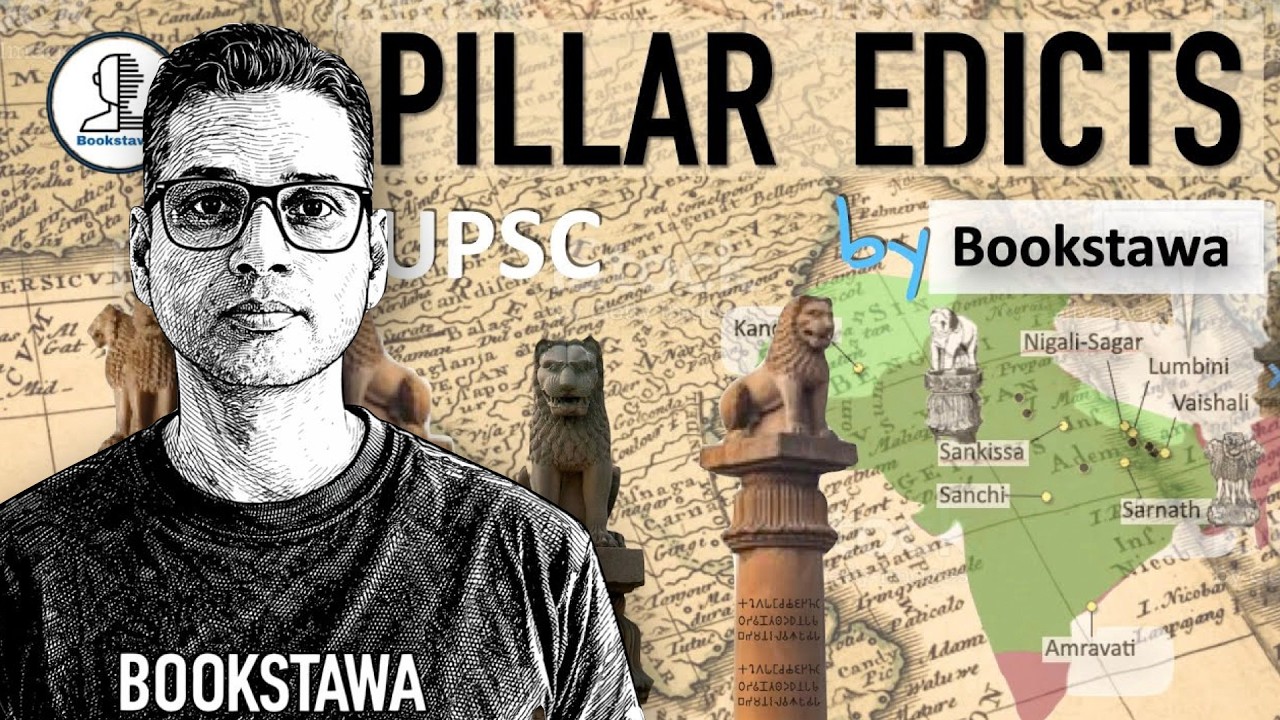
Ashoka revolutionized royal communication by becoming the first Indian king to address his people directly through inscriptions, strategically placing moral and administrative messages across his vast territory.

- The Emperor utilized polished stone pillars, major and minor rock surfaces, and cave walls as canvases to spread his message of dharma (righteousness) not only within the Indian subcontinent but also as far as Kandahar, Afghanistan.
Missionary Activities and the Global Spread of Buddhism
Following his conversion, Ashoka transformed Buddhism from a localized Indian sect into a worldwide religion, actively sponsoring its propagation across continents.
- (i) These carefully crafted inscriptions served the dual purpose of promoting his ethical code, or dharma, and appealing to diverse populations, including various tribal groups and independent frontier kingdoms.
- (ii) The use of common vernaculars like Prakrit ensured the widest possible understanding of his decrees, reinforcing the direct connection between the ruler and the ruled.
- (iii) To strengthen the Sangha (Buddhist monastic order), Ashoka convened the Third Buddhist Council in 250 BCE at Pataliputra, presided over by Mogaliputta Tissa, although this event is not mentioned in his own edicts.
- (iv) Missionaries were dispatched extensively to regions like South India, Sri Lanka, Burma (Myanmar), and other distant foreign courts, solidifying the faith's global reach while Ashoka undertook solemn pilgrimages known as dharma yatras.
Ashoka's Dhamma: Principles of Social Ethics and Righteousness
Ashoka’s Dhamma was not a formal religion or dogma, but a practical code of social ethics derived from the general concept of Dharma (universal law or righteousness), created to preserve harmony and public order throughout the empire.
The Ideal of Paternal Kingship and Welfare Administration
Ashoka established a novel ideal of paternal kingship, famously declaring that "All men are my children," defining the ruler's central duty as securing the total well-being of his people.
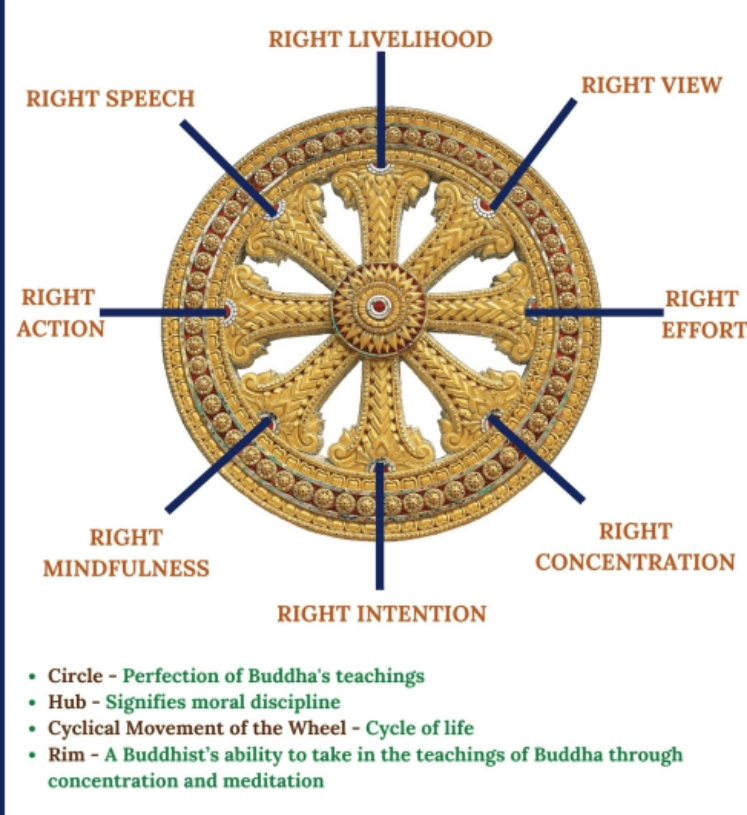
Principles of Ashoka's Dhamma - (i) To enforce this civic code, special officers called dharmamahamatras were appointed to spread dharma and look after the welfare of all social groups, including women.
- (ii) Another class of high-ranking officers, the Rajukas, held judicial and administrative powers to ensure fair justice across the provinces.
Rejection of Superfluous Rituals and Social Austerity
To build a balanced society, Ashoka actively discouraged wasteful rituals and practices that caused harm to living beings.
- (a) The emperor openly criticized useless societal ceremonies, especially those practiced by women, deeming them superstitious.
- (b) Upholding non-violence (Ahimsa), he banned the slaughter of specific birds and animals across his territory and outlawed animal sacrifice in the capital.
- (c) Extravagant social gatherings involving excessive revelry were restricted to promote moral discipline and simplicity.
Dhamma: Upholding Social Order and Ethical Conduct
Ashoka's dharma was designed to maintain social stability by reinforcing shared moral responsibilities across different traditions.
- (i) Core tenets demanded obedience to parents and elders, deep respect for brahmanas and Buddhist monks, and humane treatment of slaves and servants.
- (ii) The policy championed total religious tolerance, encouraging respect for all sects and bestowing lavish gifts on both Buddhist and non-Buddhist groups alike.
Comparative Overview of the Four Major Buddhist Councils
A structured comparison of the four major Buddhist Councils provides key insights into how the monastic order developed, codified its texts, and secured royal patronage over centuries:
| Council & Date | Location & Patron King | Presiding Monk & Key Accomplishment |
|---|---|---|
| 1st Council (483 BC) | Rajgriha under King Ajatashatru | Presided by Mahakassapa; compiled primary teachings of the Buddha into early texts. |
| 2nd Council (383 BC) | Vaishali under King Kalashoka | Presided by Sabbakami; addressed early monastic disputes and minor disciplinary rules. |
| 3rd Council (250 BC) | Pataliputra under Emperor Ashoka | Presided by Mogaliputta Tissa; codified the Abhidhamma Pitaka in Pali and sent out global missionaries. |
| 4th Council (72 AD) | Kundalvan under King Kanishka | Presided by Vasumitra and Ashvaghosha; resulted in the formal division of Mahayana and Hinayana Buddhism. |
Economic, Social, and Administrative Life in the Mauryan Empire
The Mauryan Empire operated on a highly organized, centralized governing machinery based on statecraft principles written in the Arthashastra by Kautilya (Chanakya).

Mauryan Towns, Art, and Currency: Economic and Cultural Aspects
The imperial economy relied on a strong agrarian base where land tax served as the chief revenue source, supplemented by trade taxes, custom duties, and livestock levies.
Major Towns and Urban Connectivity along Trade Routes
Beyond the metropolis of Pataliputra, key regional centers flourished along trade networks, including Mahasthan (modern Bangladesh), Shishupalgarh (administrative center of Tosali in Orissa), and Amaravati near the Krishna delta. The annexation of Kalinga significantly energized trade along the eastern coast.
Coins and Stone Sculptures: The Mauryan Artistic Legacy
Economy and art advanced together. While everyday transactions used silver punch-marked coins and cast copper pieces, high-grade stone sculptures displayed royal power. Masterpieces like the Didarganj yakshi reflect unmatched carving skills and the signature mirror-like Mauryan polish.
Centralized Bureaucracy and Administrative Structure
At the center of this huge framework stood the king, who made final decisions after consulting a advisory ministerial council.
- (i) Fiscal duties were split between the Treasurer (managing cash and stored goods) and the Chief collector (keeping detailed tax records across all provinces).
- (ii) The administrative pay scale was steep: top officials like the Chief minister and army commander earned 48,000 panas, whereas basic artisans earned just 120 panas, putting heavy demands on the imperial treasury.
- (iii) The crown spent heavily on public works, building irrigation systems, main roads, wells, and rest-houses to support long-distance trade and agriculture.
Imperial Decline and Ashoka's Enduring Legacy
Despite Ashoka's vision, the empire faced severe economic strain after his 37-year rule ended around 232 BC. High military and administrative expenses led to currency debasement and financial crisis. Viceroys broke away, north-western borders faced foreign attacks, and the last Mauryan ruler, Brihadratha, was assassinated by Pushyamitra, founding the Shunga dynasty.
Summary
The Mauryan period under Ashoka represents a remarkable era in Indian history, defined by a shift from aggressive military conquest to ethical statecraft. By adopting Dhammavijay after the Kalinga War, Ashoka used inscriptions, dharmamahamatras, and international envoys to spread moral conduct and Buddhism worldwide. Supported by a centralized administration described in the Arthashastra, a organized tax system, and vibrant urban trade centers, his empire set timeless standards for governance. Though financial burdens led to the political collapse of the dynasty shortly after his death, Ashoka's message of peace, tolerance, and civic welfare remains an enduring legacy.
Quick Revision Points for Students
Focus on these core facts for rapid exam review:
- (i) Conversion & Edicts: The Kalinga War led to Ashoka's conversion to Buddhism, documented in Major Rock Edict XIII.
- (ii) Third Buddhist Council: Convened at Pataliputra in 250 BC under Mogaliputta Tissa; codified the Abhidhamma Pitaka in Pali.
- (iii) Administrative Officers:Dharmamahamatras promoted public ethics, while Rajukas handled provincial justice and land administration.
- (iv) Art & Economy: Known for silver punch-marked coins, high-gloss Mauryan polish on stone sculptures, and statecraft guided by the Arthashastra.
- Exam Tip: Always remember that Ashoka's Dhamma was a universal social code rather than a strict religious doctrine. For competitive exams, pay close attention to the details of the 3rd Buddhist Council (250 BC), the functions of dharmamahamatras vs. Rajukas, and the impact of the Arthashastra on state revenue collection.
Frequently Asked Questions (FAQ)
Q1: What was the main reason for Ashoka's shift from conquest to peace?
A1: The immense destruction and loss of life during the Kalinga War caused Ashoka severe remorse, prompting him to abandon military expansion (Dig-Vijay) in favor of moral triumph through righteousness (Dhammavijay).Q2: How did Ashoka ensure his moral instructions reached common citizens?
A2: He became the first monarch to issue direct public inscriptions, carving his decrees in regional languages like Prakrit onto durable stone pillars, rocks, and cave walls across his empire.Q3: What were the key outcomes of the Third Buddhist Council?
A3: Held at Pataliputra in 250 BC under Mogaliputta Tissa, the council organized the third part of the Tripitaka (the Abhidhamma Pitaka) in Pali and sent out Buddhist missionaries to Sri Lanka, Southeast Asia, and Mediterranean kingdoms.